Palrasu Manikandan, Knapinska Anna M, Diez Juan, Smith Lyndsay, LaVoi Travis, Giulianotti Marc, Houghten Richard A, Fields Gregg B, Minond Dmitriy
Department of Drug Discovery and Development, Harrison School of Pharmacy, Auburn University, Auburn, AL, USA.
Department of Chemistry & Biochemistry, Center for Molecular Biology & Biotechnology, Florida Atlantic University, Jupiter, FL, USA.
Cell Physiol Biochem. 2019;53(4):656-686. doi: 10.33594/000000164.
BACKGROUND/AIMS: Despite recent advances in melanoma drug discovery, the average overall survival of patients with late stage metastatic melanoma is approximately 3 years, suggesting a need for approaches that identify new melanoma targets. We have previously reported a discovery of novel anti-melanoma compound 2155-14 (Onwuha-Ekpete et al., J Med Chem. 2014 Feb 27; 57(4):1599-608). In the report presented herein we aim to identify its target(s) and mechanism of action.
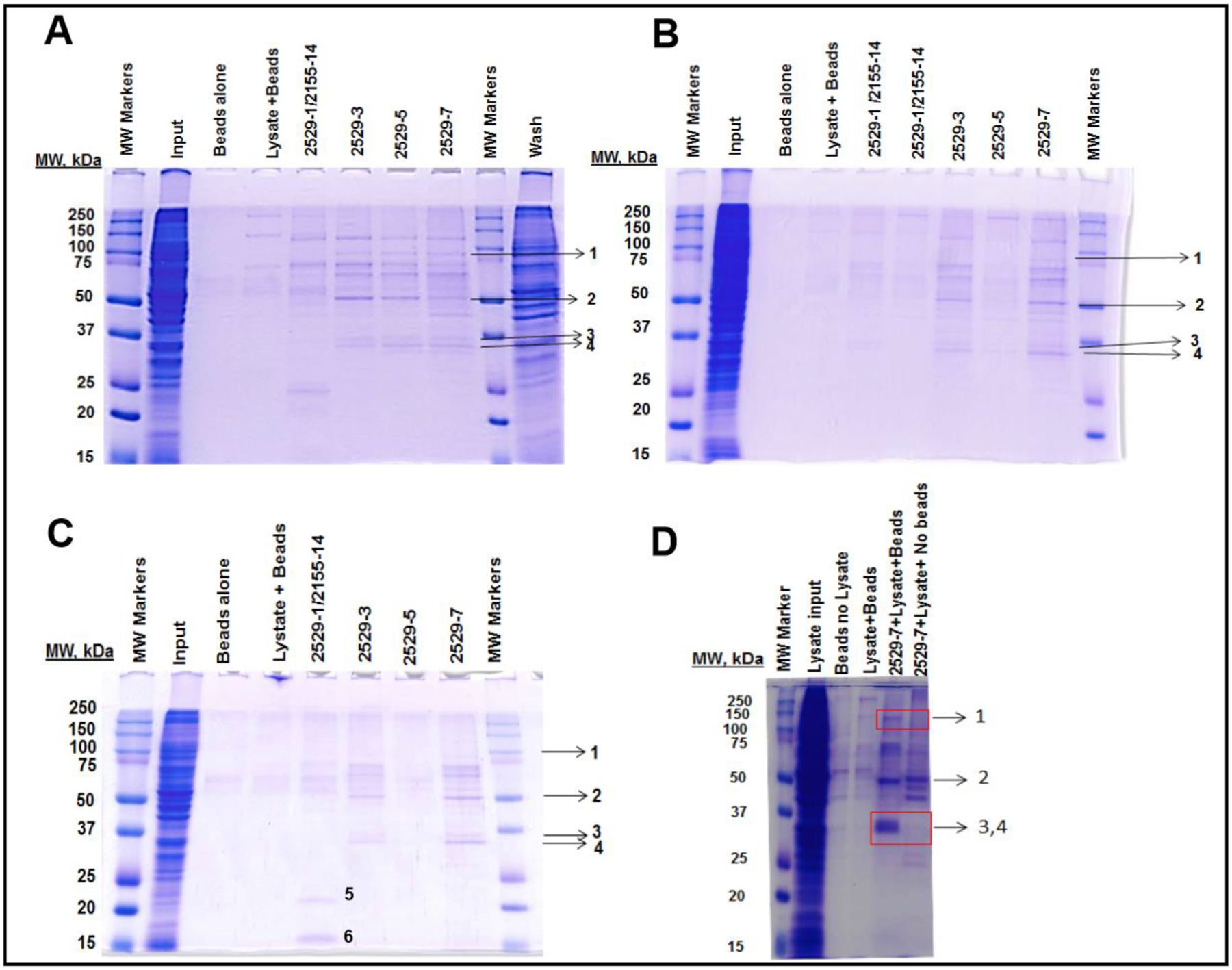
We utilized biotinylated analog of 2155-14 to pull down its targets from melanoma cells. Proteomics in combination with western blot were used to identify the targets. Mechanism of action of 2155-14 was determined using flow cytometry, RT-PCR, microscopy, western blot, and enzymatic activity assays. Where applicable, one-way analysis of variance (ANOVA) was used followed by Dunnett post hoc test.
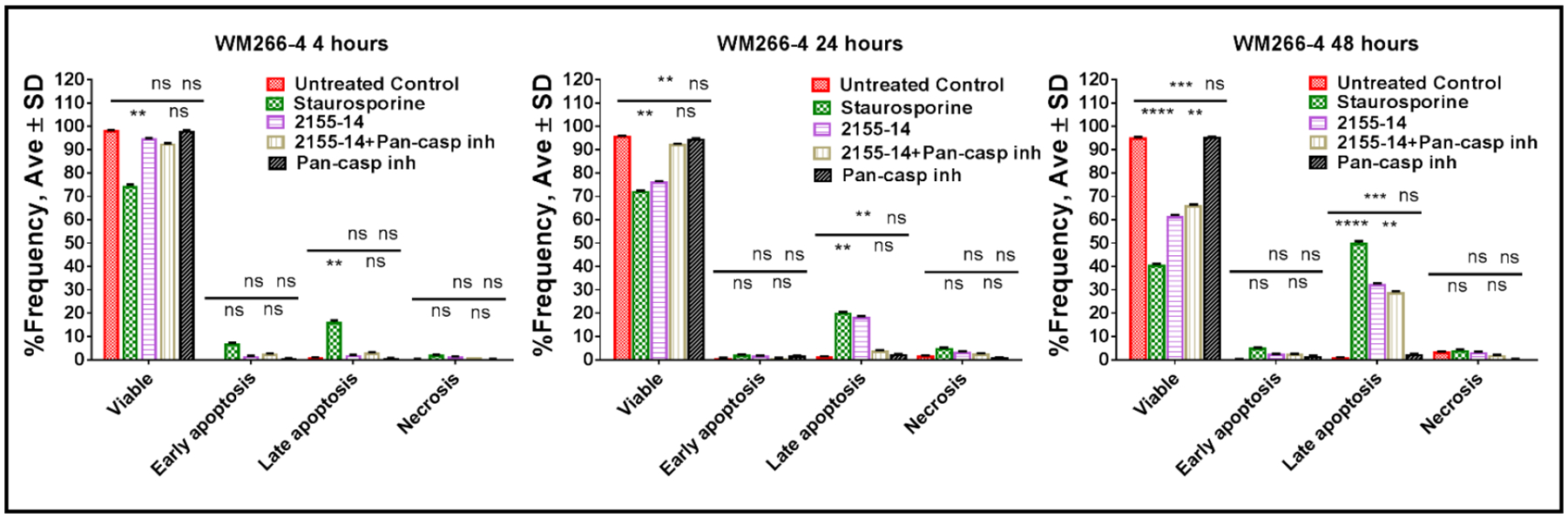
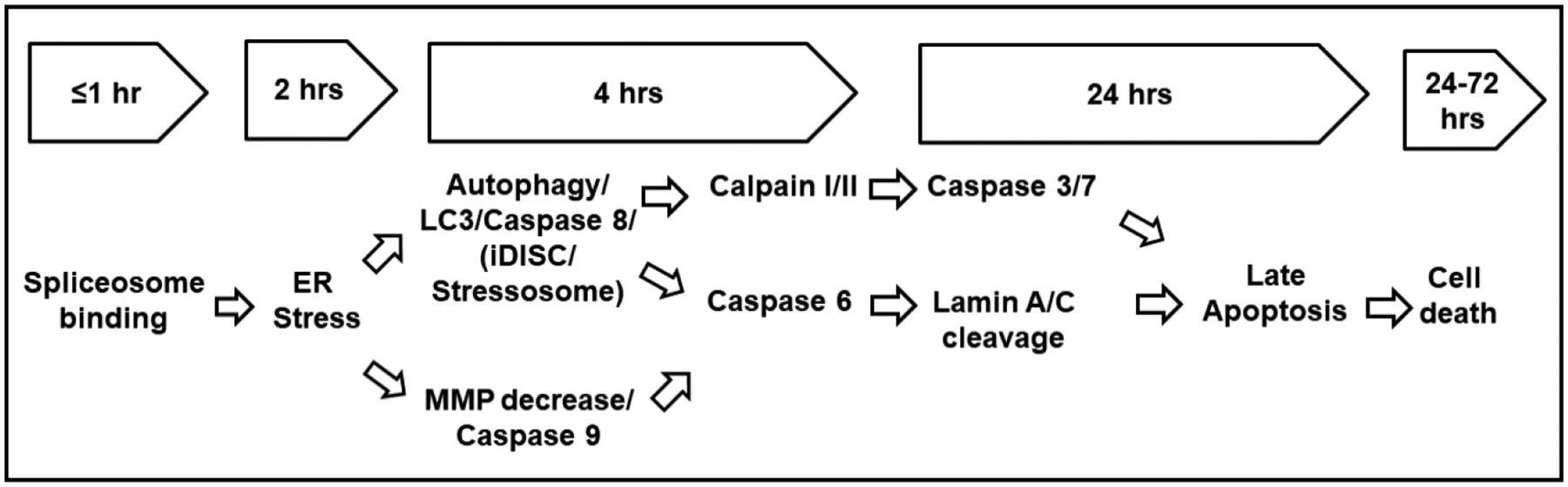
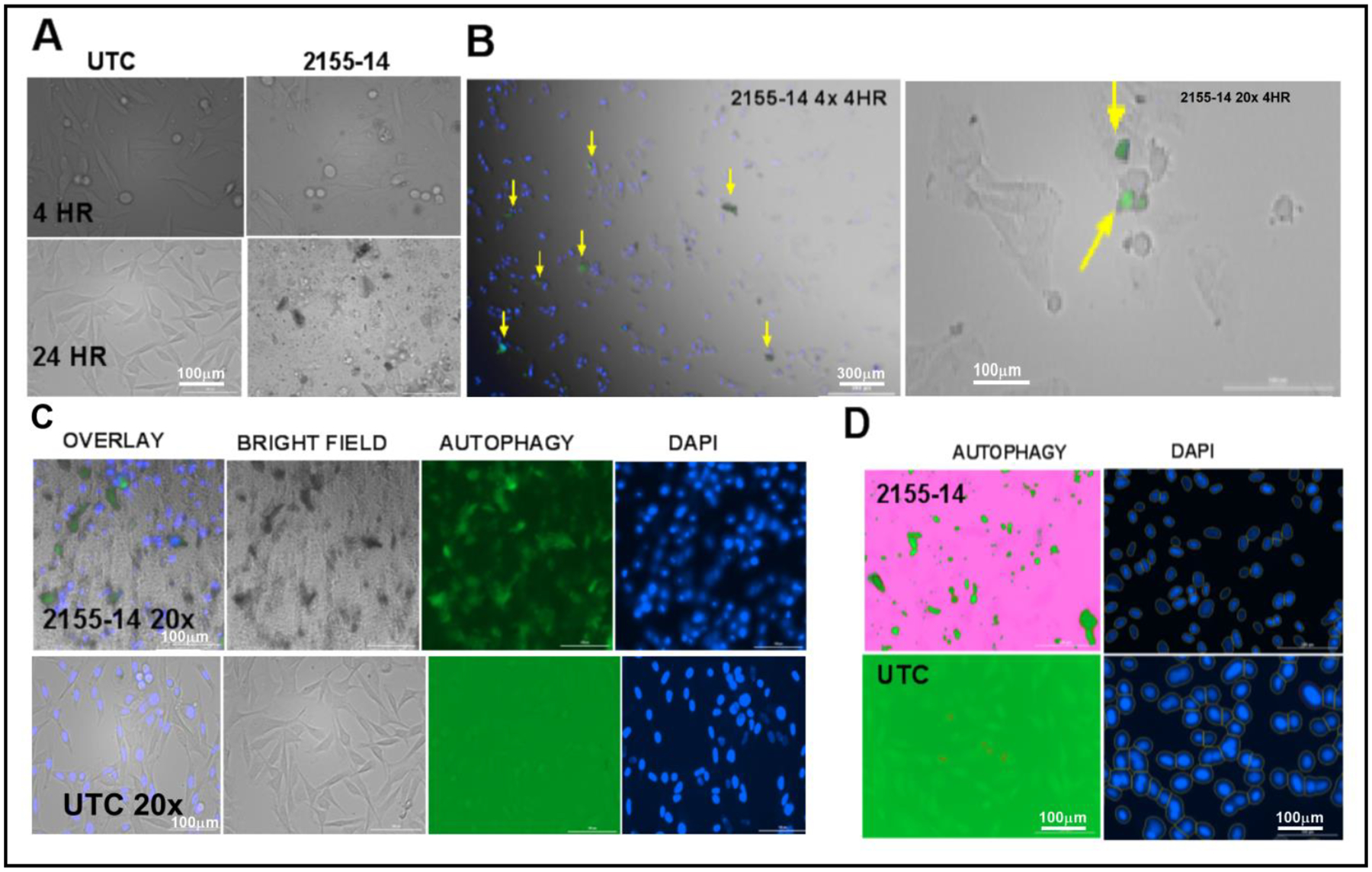
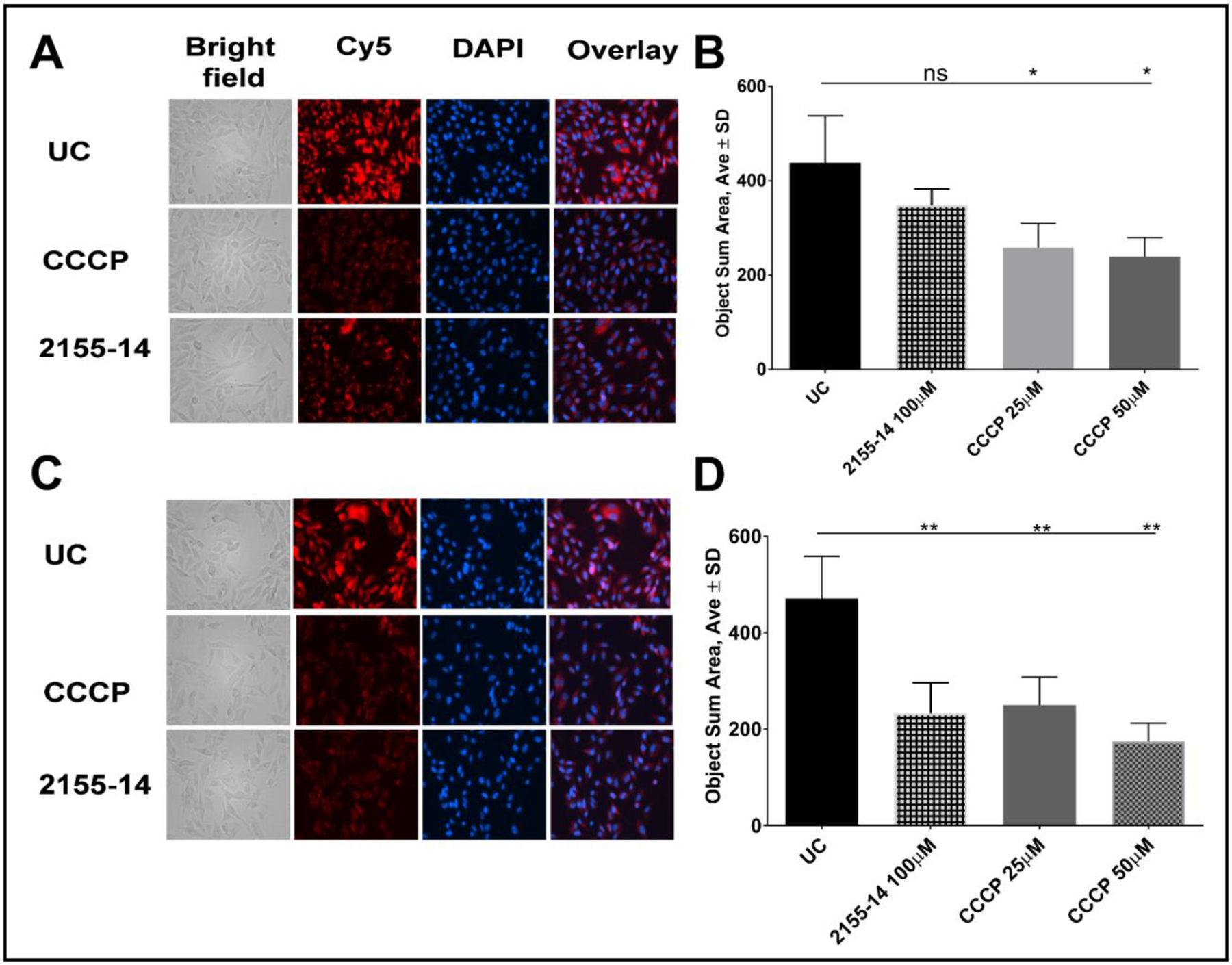
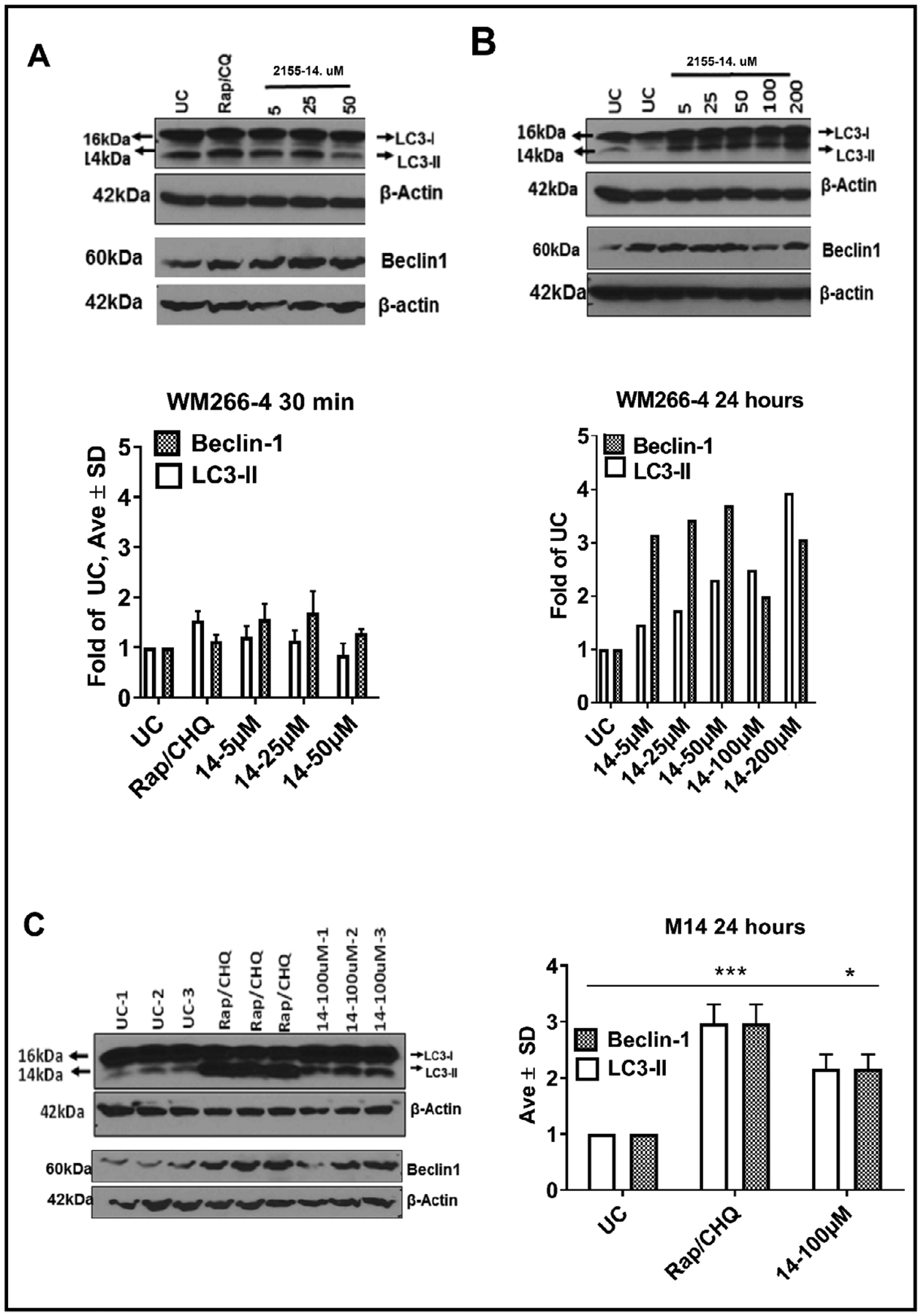
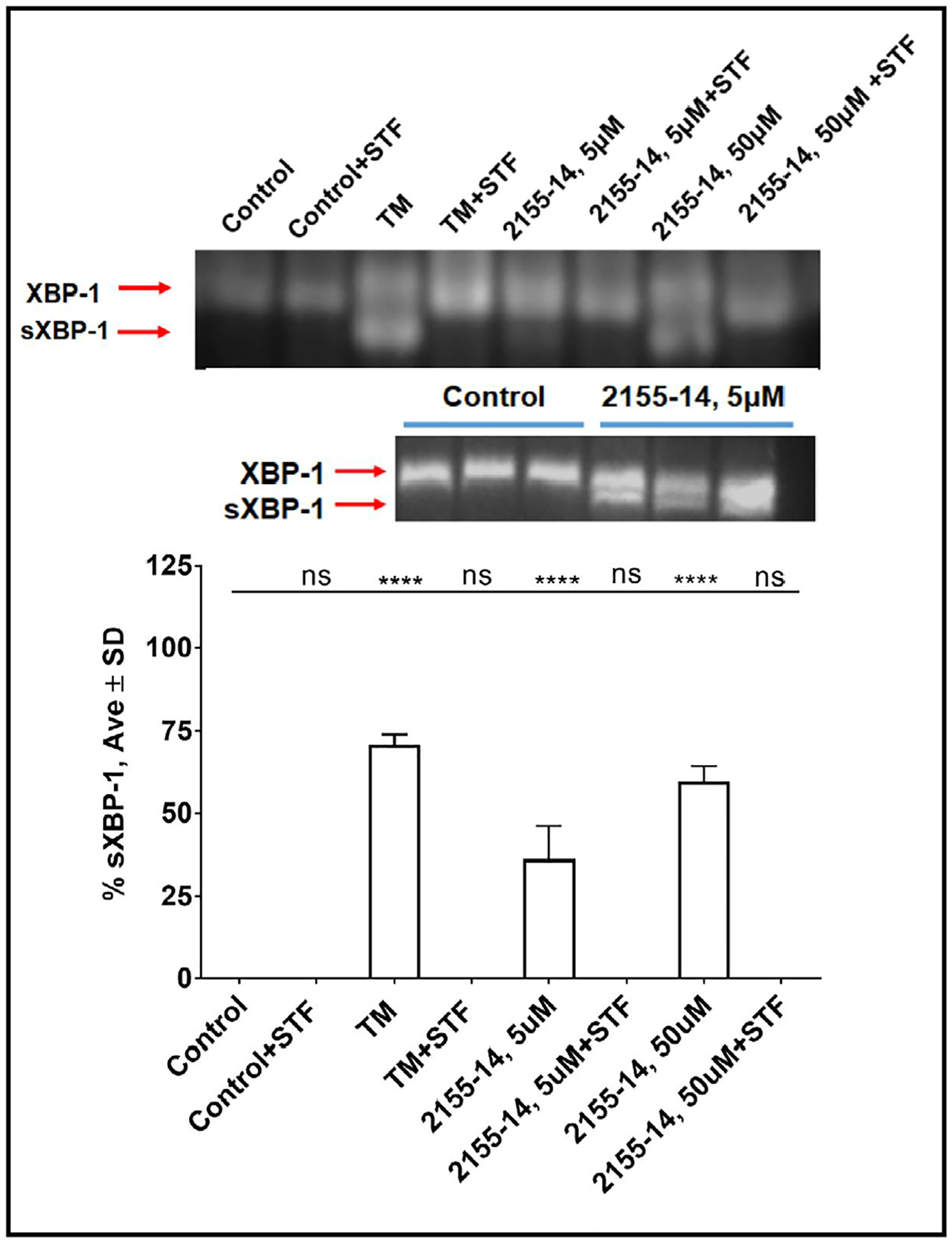
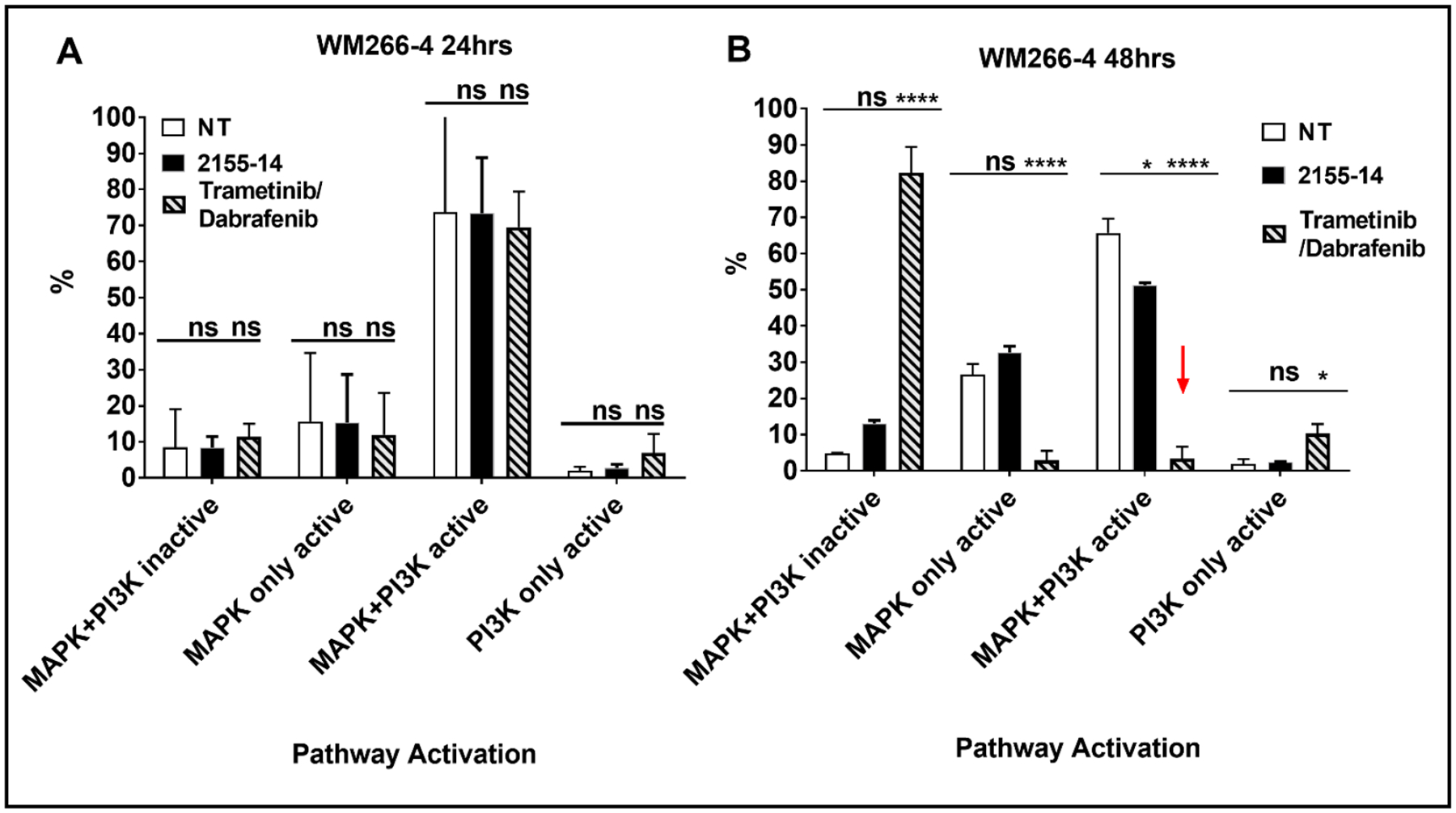
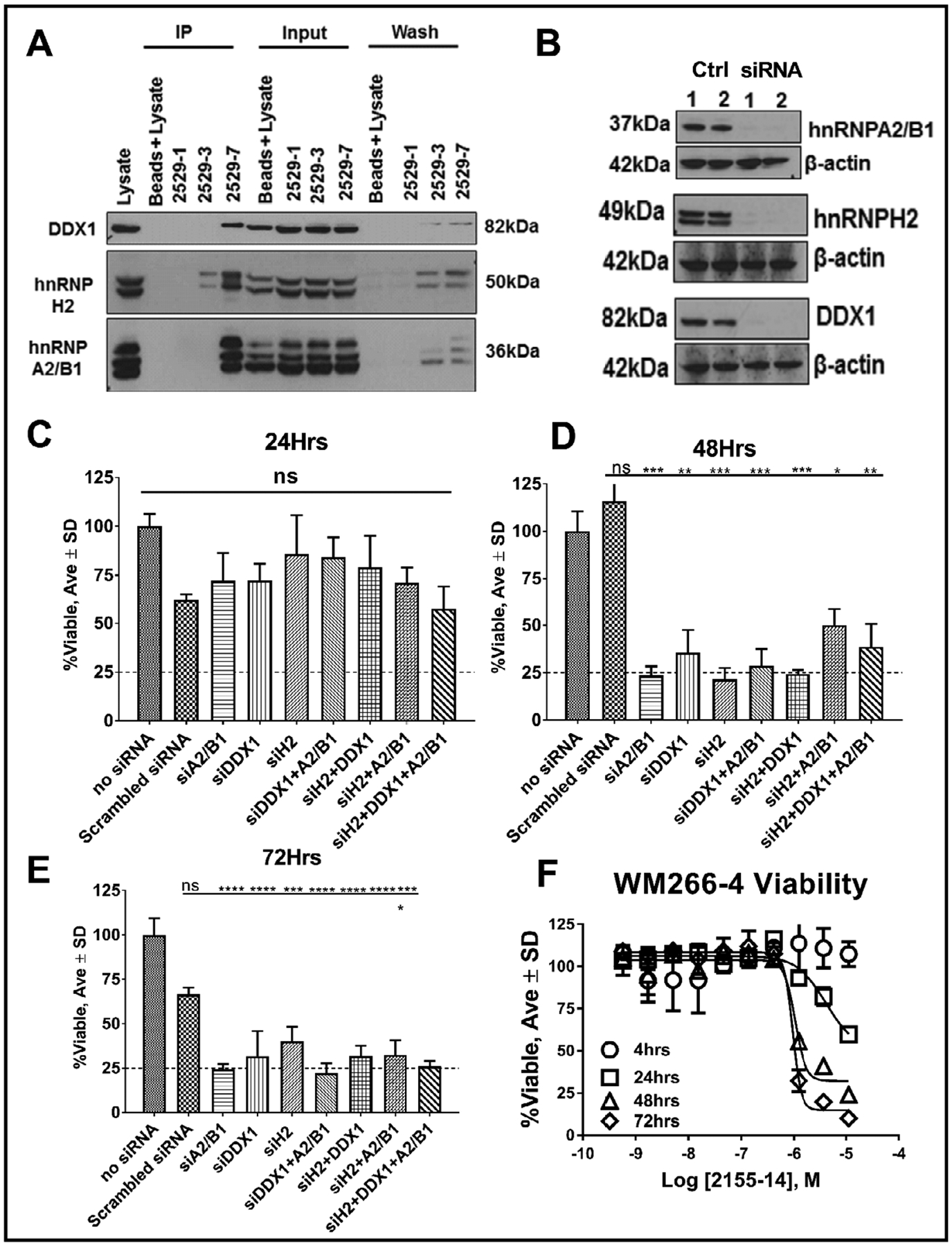
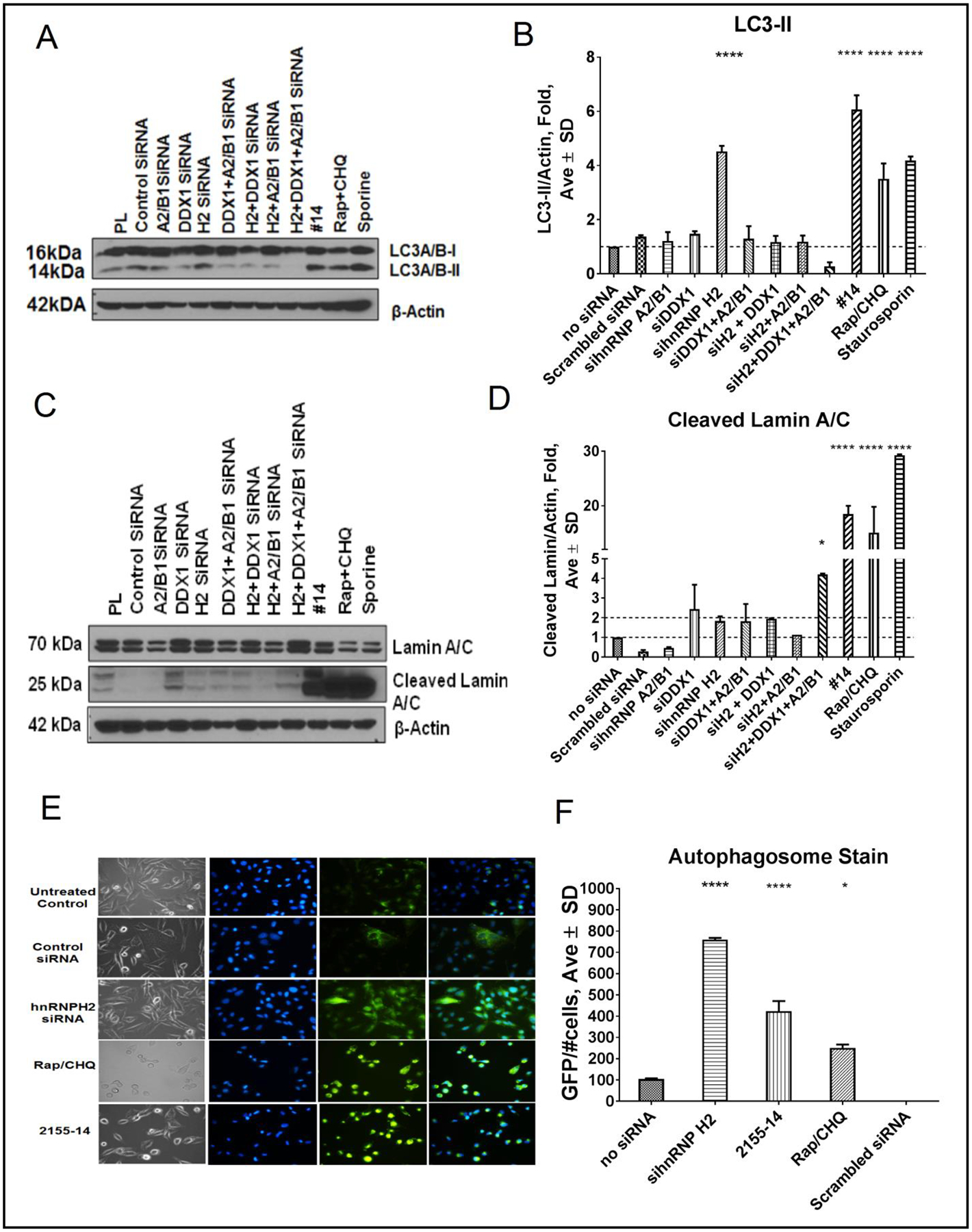
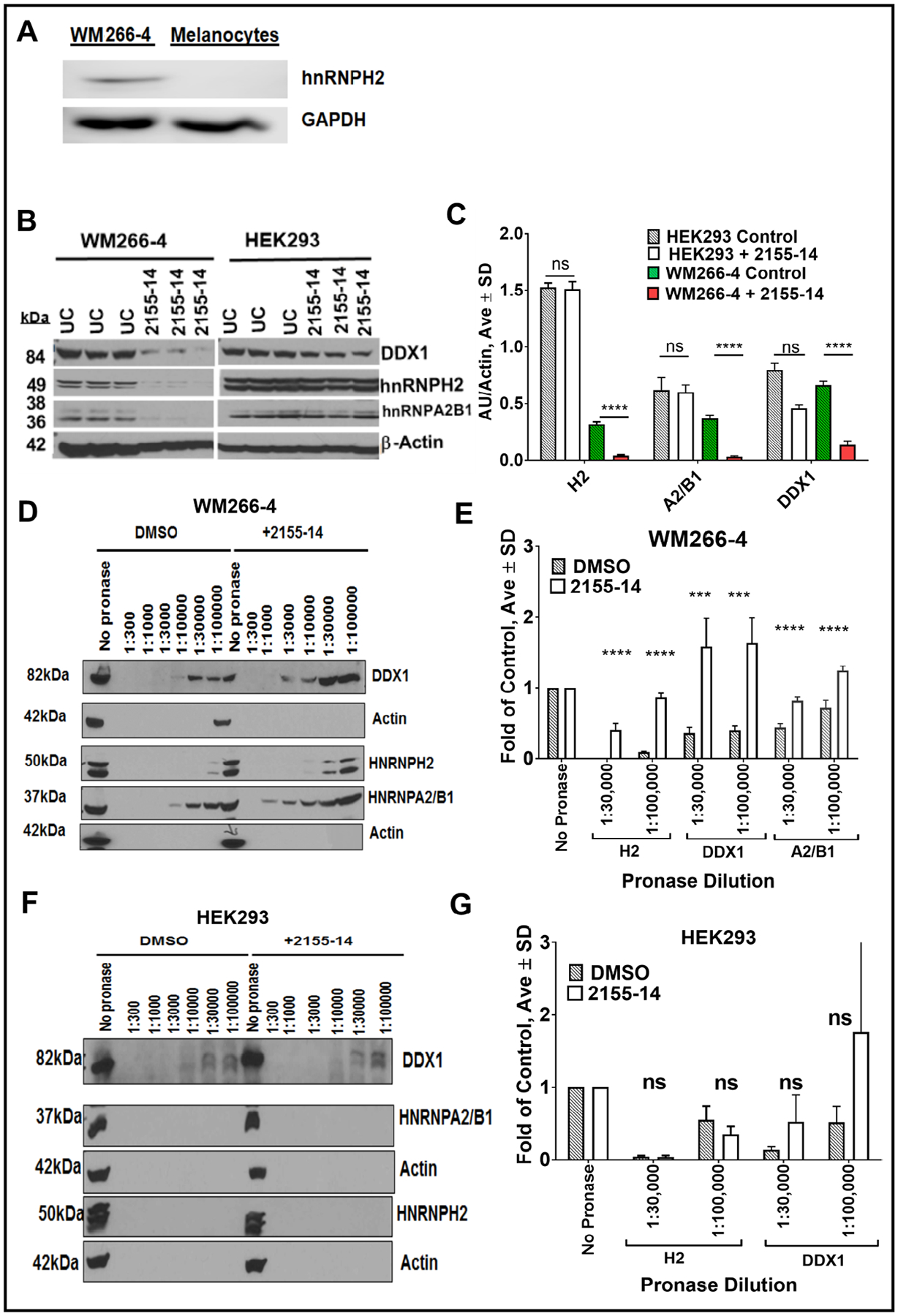
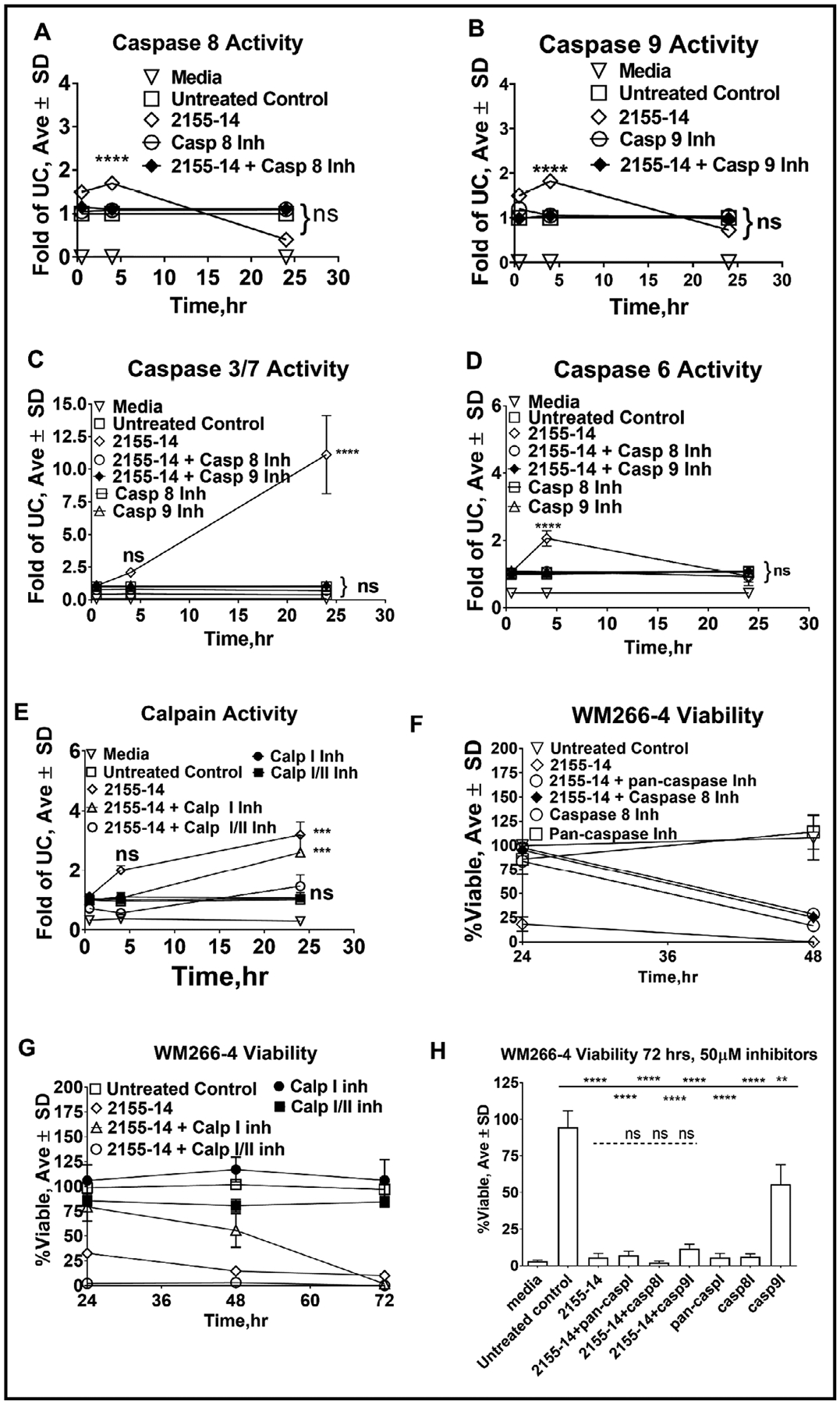
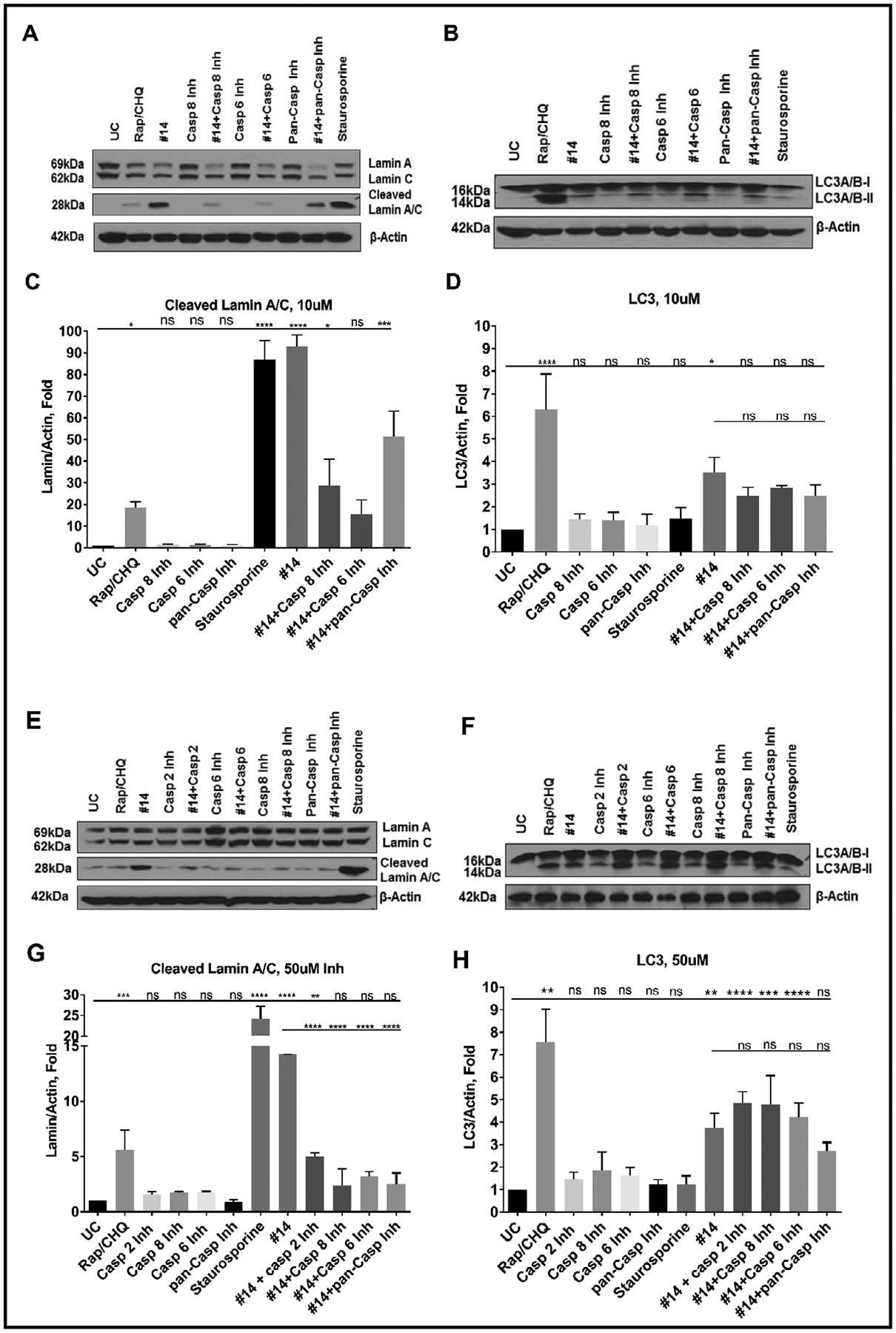
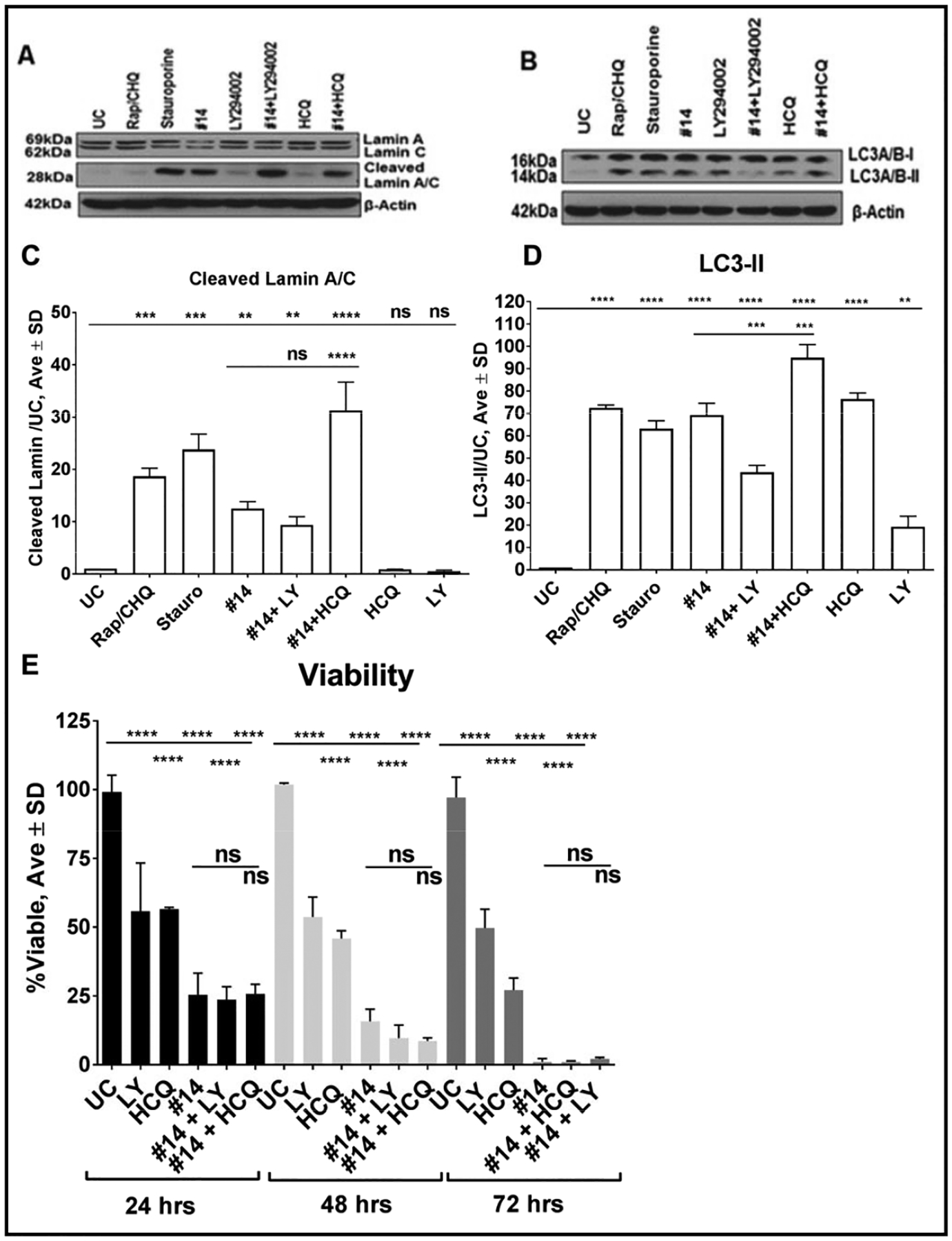
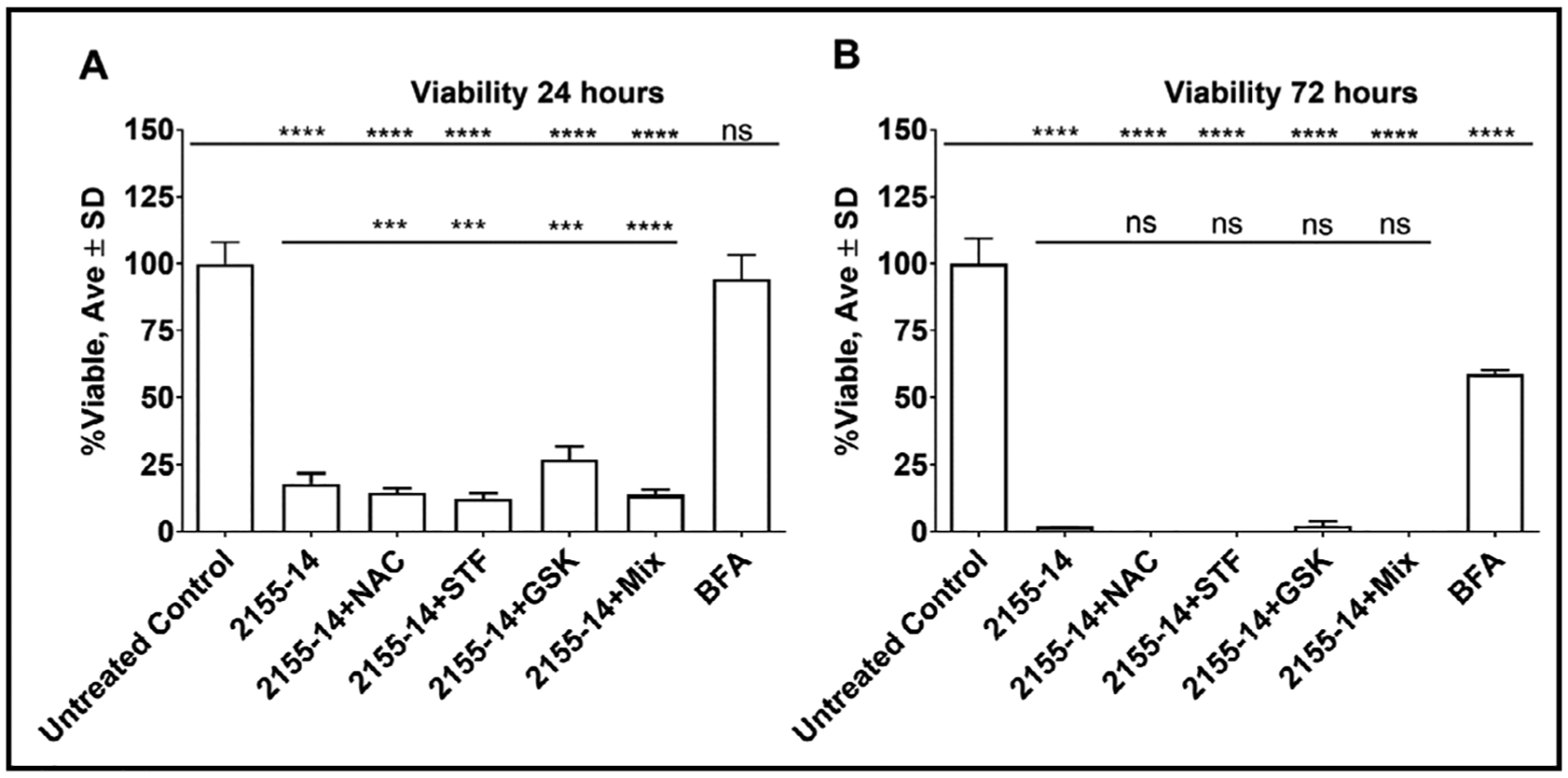
In the present study, we identified ATP-dependent RNA helicase DDX1 and heterogeneous nuclear ribonucleoproteins (hnRNPs) H1, H2 and A2/B1 as targets of anti-melanoma compound 215514. To the best of our knowledge, this is a first report suggesting that these proteins could be targeted for melanoma therapy. Mechanistic investigations showed that 2155-14 induces ER stress leading to potentiation of basal autophagy resulting in melanoma cell death in BRAF and NRAS mutated melanoma cells.
Identification of mode of action of 2155-14 may provide insight into novel therapies against a broad range of melanoma subtypes. These studies were enabled by the novel probe derived from a mixture-based library, an important class of chemical biology tools for discovering novel targets.
背景/目的:尽管黑色素瘤药物研发取得了最新进展,但晚期转移性黑色素瘤患者的平均总生存期约为3年,这表明需要采用能够识别新黑色素瘤靶点的方法。我们之前报道了一种新型抗黑色素瘤化合物2155-14的发现(Onwuha-Ekpete等人,《药物化学杂志》。2014年2月27日;57(4):1599-608)。在本文所呈现的报告中,我们旨在确定其靶点和作用机制。
我们利用2155-14的生物素化类似物从黑色素瘤细胞中拉下其靶点。蛋白质组学结合蛋白质印迹法用于识别靶点。使用流式细胞术、逆转录聚合酶链反应、显微镜检查、蛋白质印迹法和酶活性测定来确定2155-14的作用机制。在适用的情况下,采用单因素方差分析(ANOVA),随后进行Dunnett事后检验。
在本研究中,我们确定了ATP依赖性RNA解旋酶DDX1和异质性核糖核蛋白(hnRNPs)H1、H2和A2/B1为抗黑色素瘤化合物215514的靶点。据我们所知,这是首次报道表明这些蛋白质可能成为黑色素瘤治疗的靶点。机制研究表明,2155-14诱导内质网应激,导致基础自噬增强,从而导致BRAF和NRAS突变的黑色素瘤细胞死亡。
确定2155-14的作用模式可能为针对广泛的黑色素瘤亚型的新疗法提供见解。这些研究得益于基于混合物文库衍生的新型探针,这是一类用于发现新靶点的重要化学生物学工具。