Cellular Pathobiology Section, Intramural Research Program, National Institute on Drug Abuse, National Institutes of Health, Baltimore, United States.
Electrophysiology Research Section, Intramural Research Program, National Institute on Drug Abuse, National Institutes of Health, Baltimore, United States.
Elife. 2019 Oct 9;8:e47209. doi: 10.7554/eLife.47209.
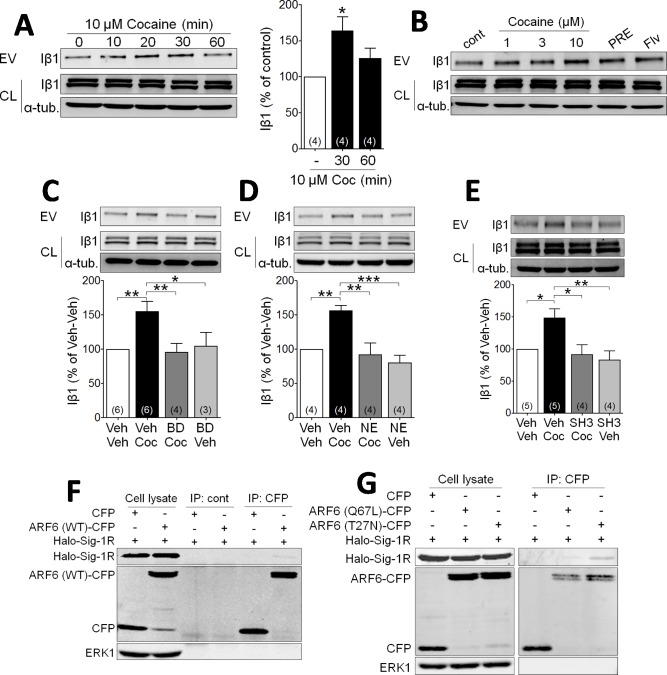
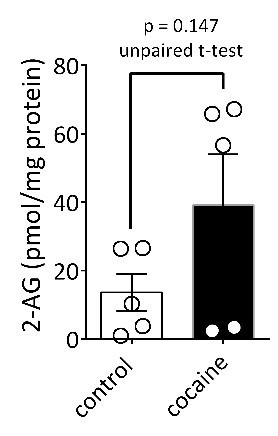
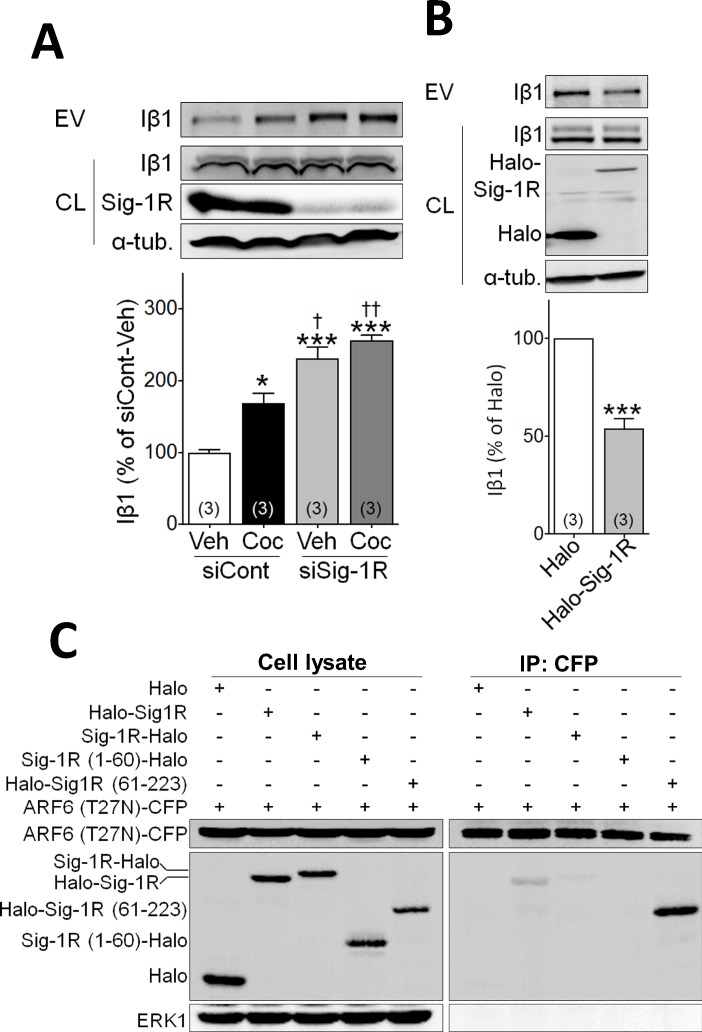
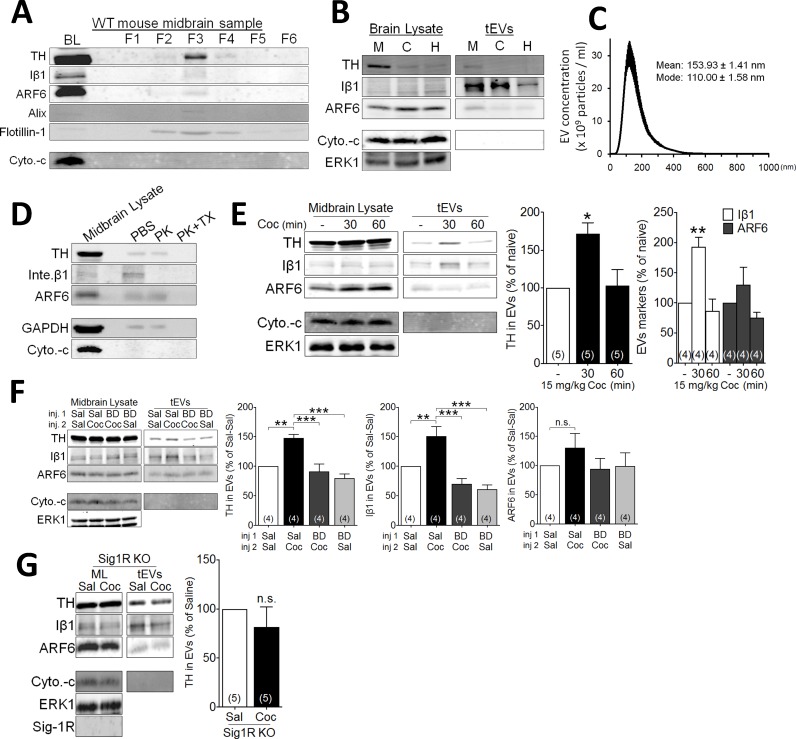
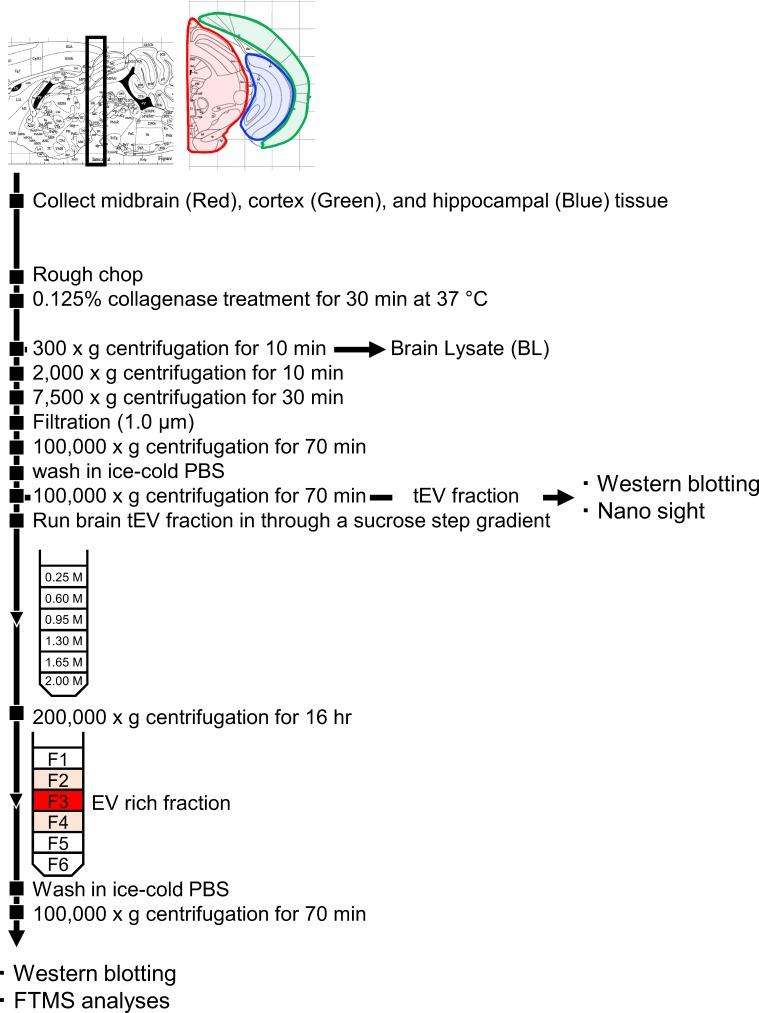
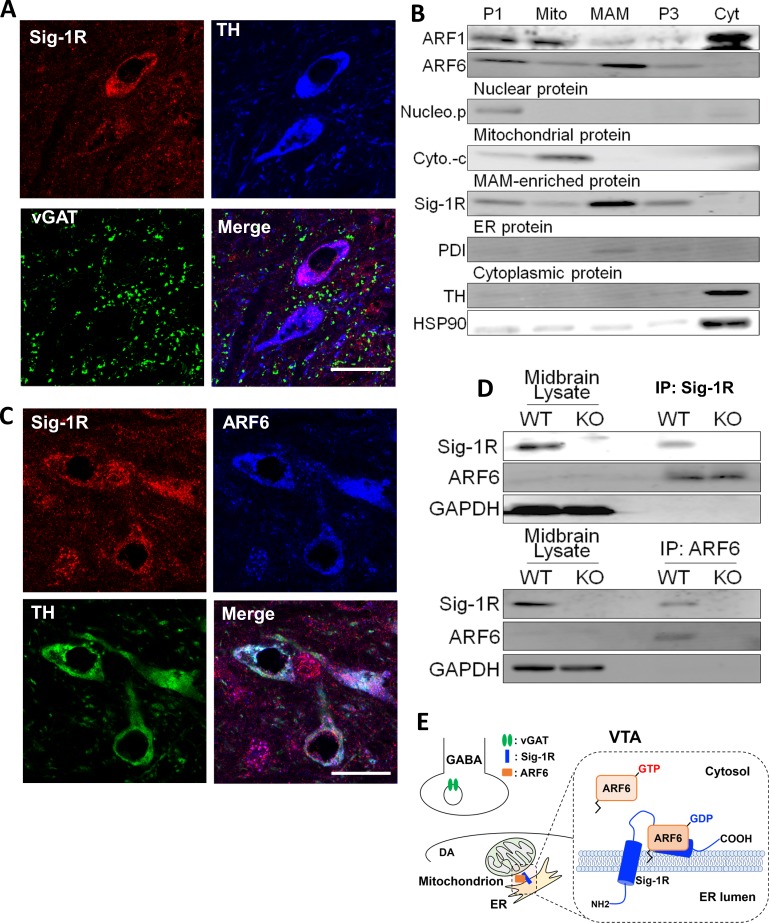
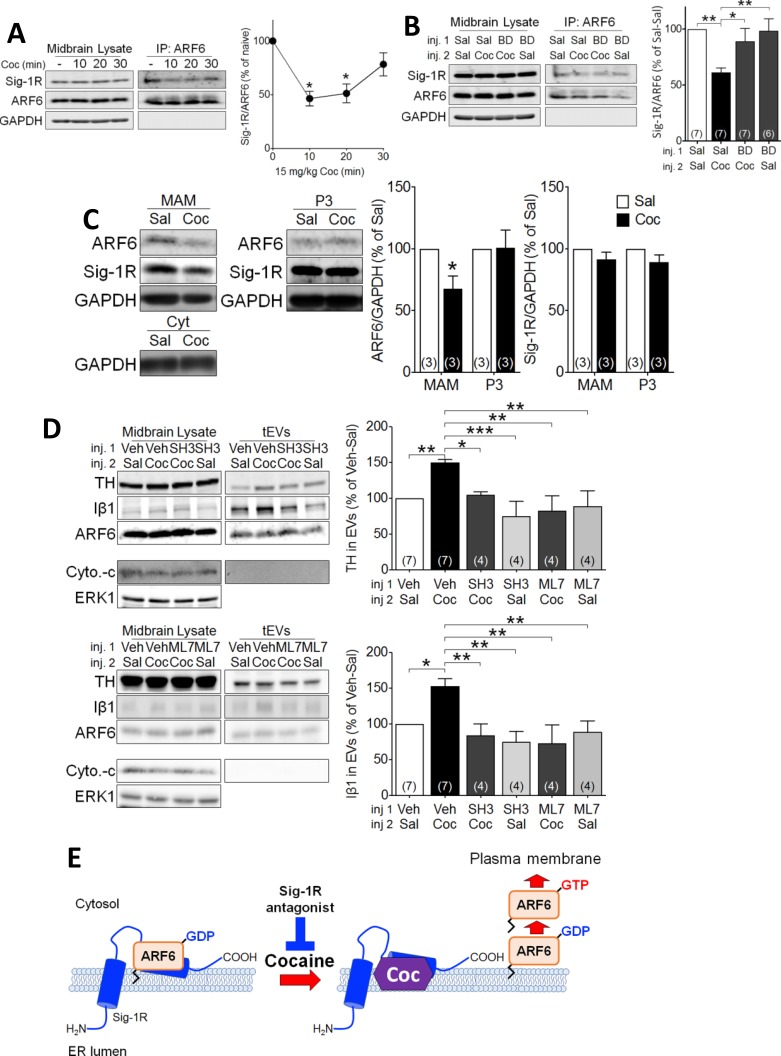
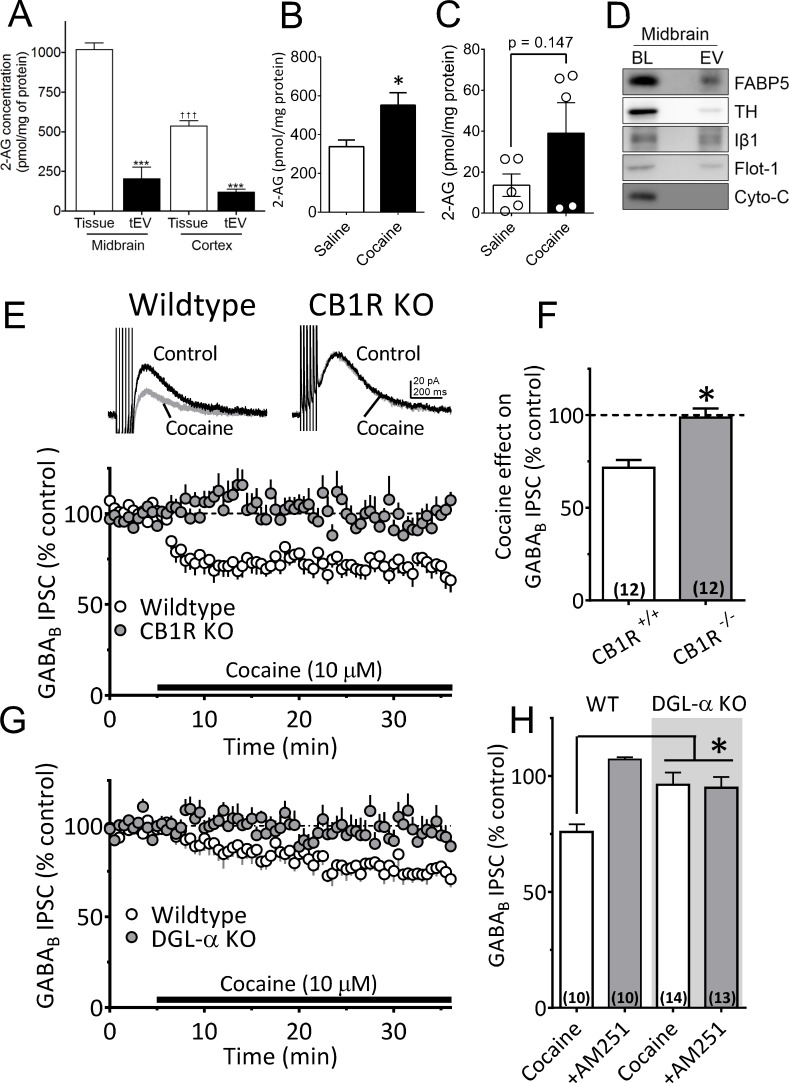
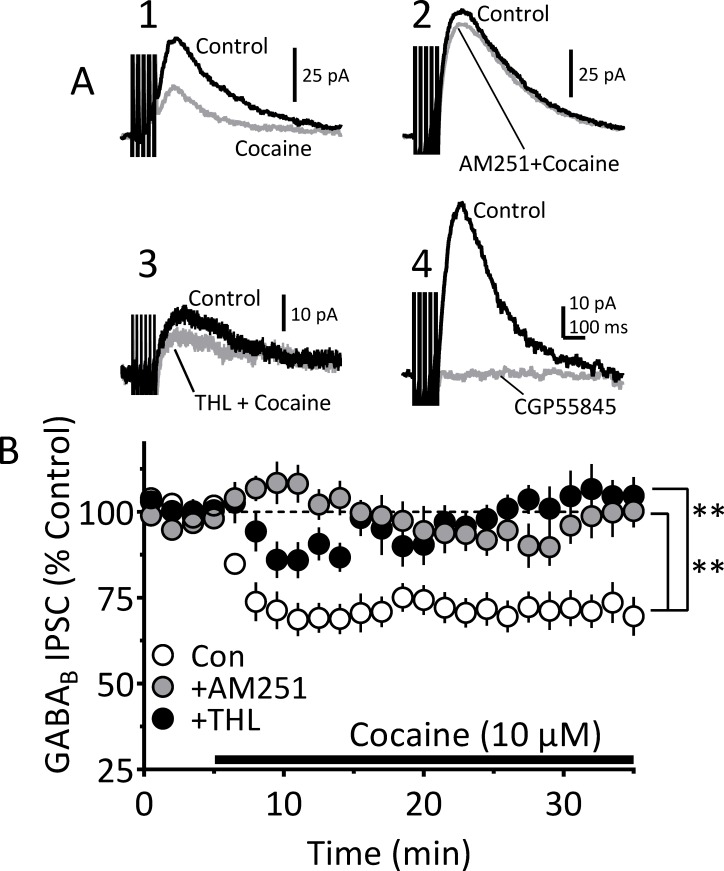
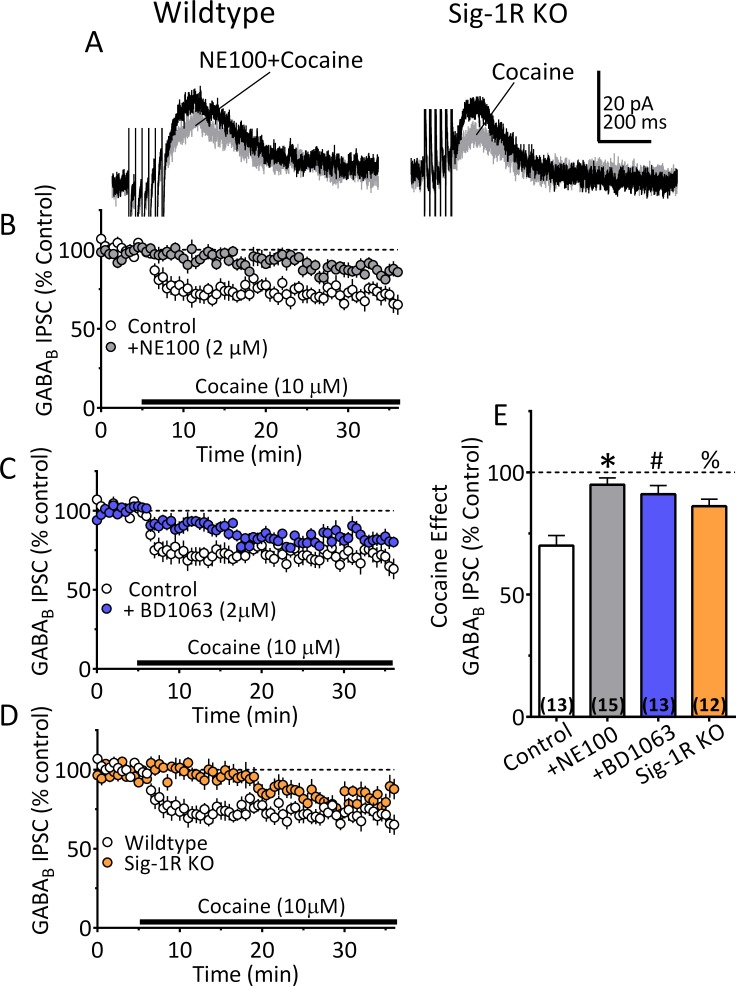
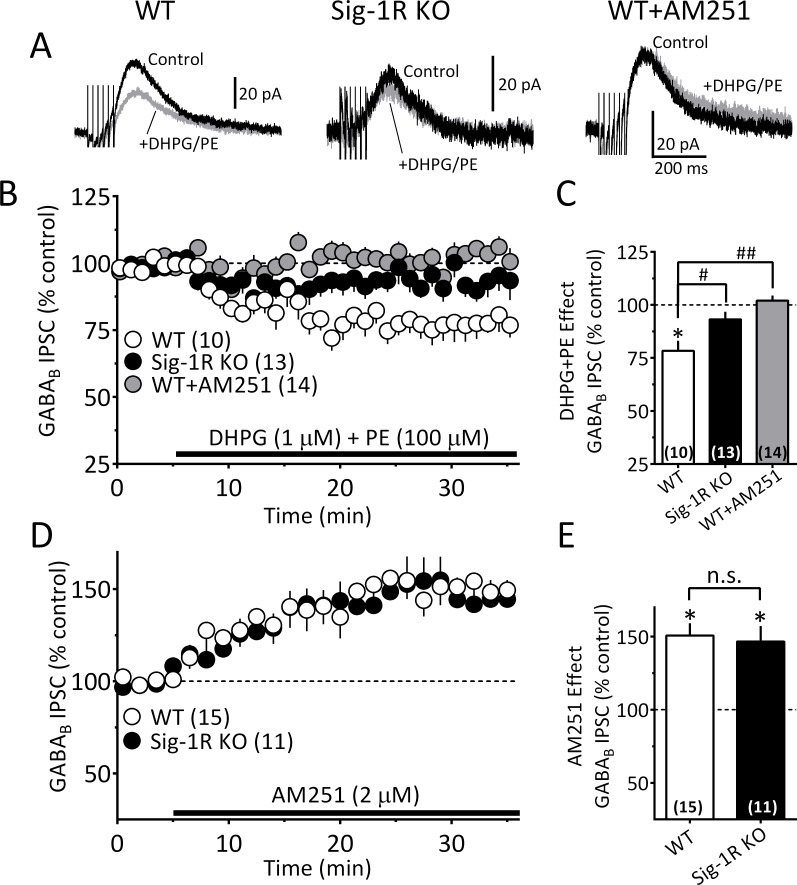
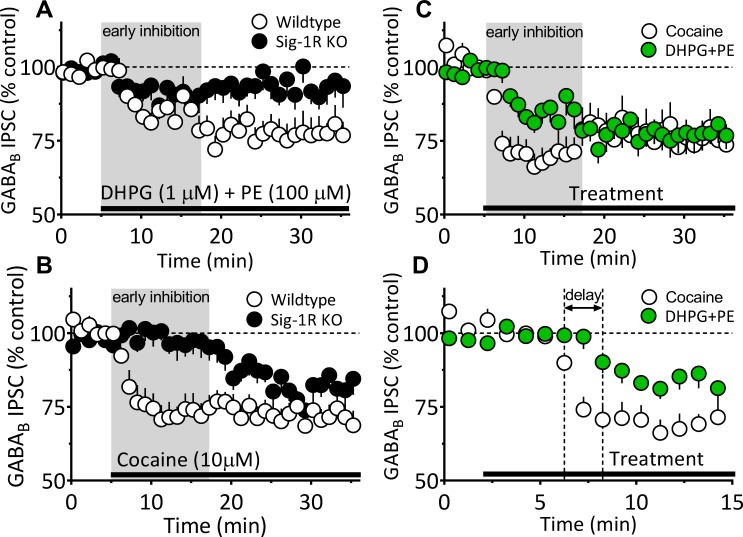
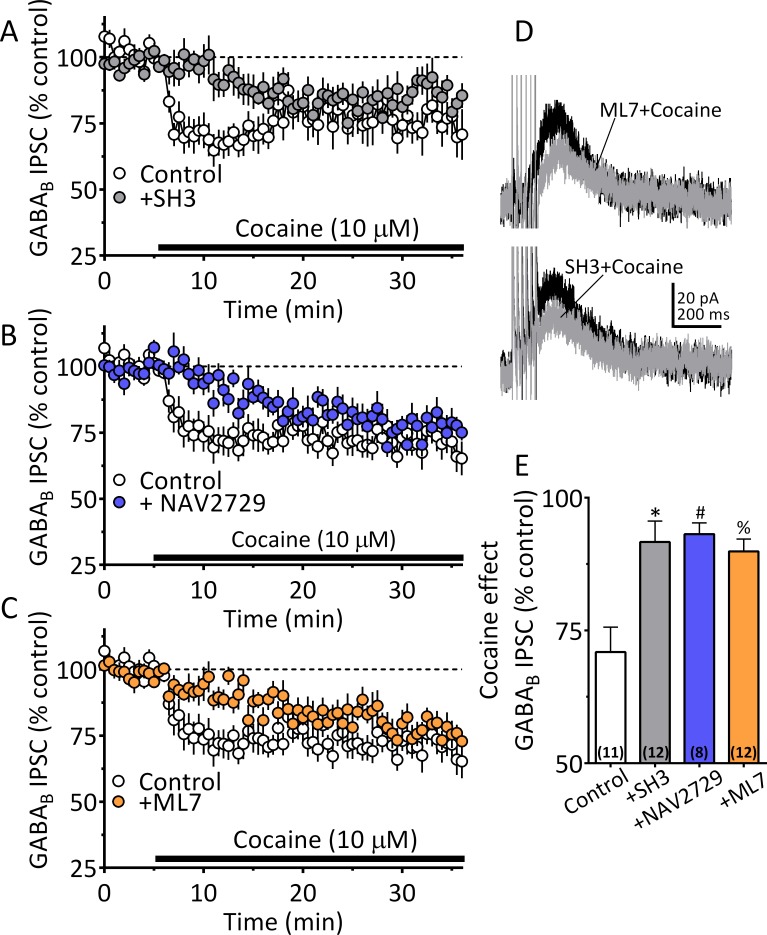
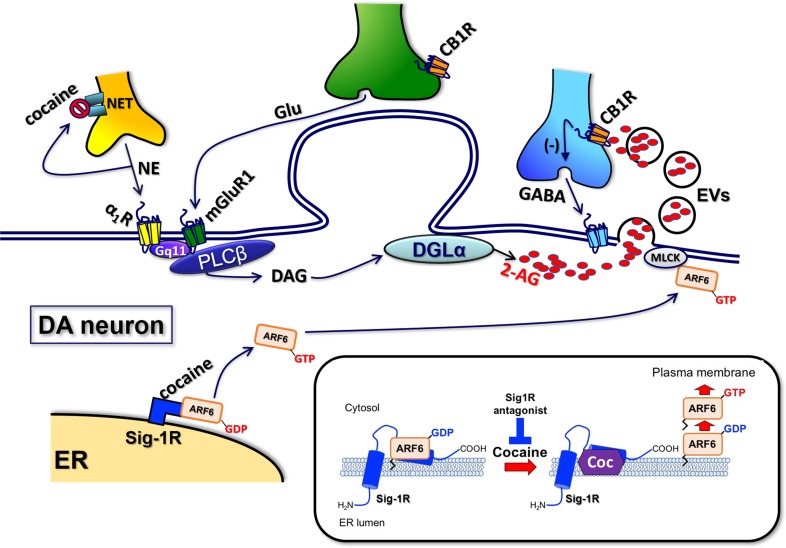
Cocaine is an addictive drug that acts in brain reward areas. Recent evidence suggests that cocaine stimulates synthesis of the endocannabinoid 2-arachidonoylglycerol (2-AG) in midbrain, increasing dopamine neuron activity via disinhibition. Although a mechanism for cocaine-stimulated 2-AG synthesis is known, our understanding of 2-AG release is limited. In NG108 cells and mouse midbrain tissue, we find that 2-AG is localized in non-synaptic extracellular vesicles (EVs) that are secreted in the presence of cocaine via interaction with the chaperone protein sigma-1 receptor (Sig-1R). The release of EVs occurs when cocaine causes dissociation of the Sig-1R from ADP-ribosylation factor (ARF6), a G-protein regulating EV trafficking, leading to activation of myosin light chain kinase (MLCK). Blockade of Sig-1R function, or inhibition of ARF6 or MLCK also prevented cocaine-induced EV release and cocaine-stimulated 2-AG-modulation of inhibitory synapses in DA neurons. Our results implicate the Sig-1R-ARF6 complex in control of EV release and demonstrate that cocaine-mediated 2-AG release can occur via EVs.
可卡因是一种成瘾性药物,作用于大脑奖励区域。最近的证据表明,可卡因刺激中脑内内源性大麻素 2-花生四烯酸甘油(2-AG)的合成,通过去抑制作用增加多巴胺神经元的活性。虽然已知可卡因刺激 2-AG 合成的机制,但我们对 2-AG 的释放机制了解有限。在 NG108 细胞和小鼠中脑组织中,我们发现 2-AG 定位于非突触细胞外囊泡(EVs)中,这些 EVs 在可卡因存在的情况下通过与伴侣蛋白 sigma-1 受体(Sig-1R)相互作用而被分泌。当可卡因导致 Sig-1R 与调节 EV 转运的 G 蛋白 ADP-核糖基化因子(ARF6)解离时,EV 释放发生,导致肌球蛋白轻链激酶(MLCK)的激活。阻断 Sig-1R 功能或抑制 ARF6 或 MLCK 也可防止可卡因诱导的 EV 释放和可卡因刺激 DA 神经元抑制性突触的 2-AG 调节。我们的结果表明 Sig-1R-ARF6 复合物参与了 EV 释放的控制,并证明可卡因介导的 2-AG 释放可以通过 EV 发生。