Biomedical Research Center, Health Sciences Technology Park, University of Granada, 18016 Granada, Spain.
Department of Physiology, University of Granada, 18016 Granada, Spain.
Int J Mol Sci. 2019 Oct 8;20(19):4948. doi: 10.3390/ijms20194948.
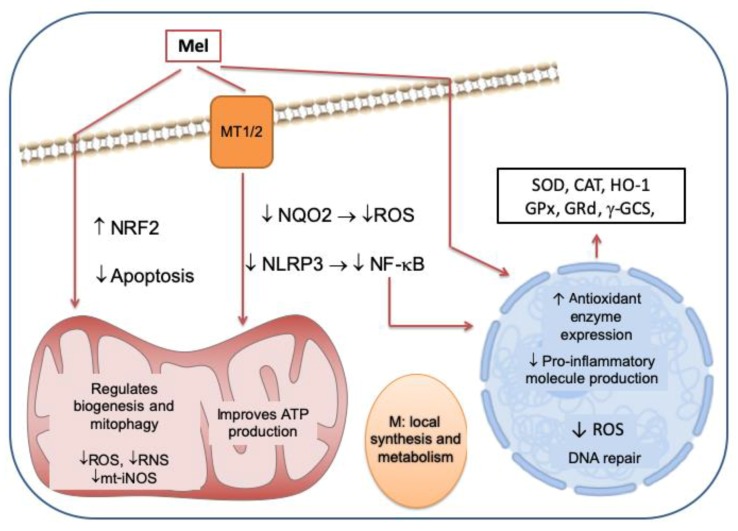
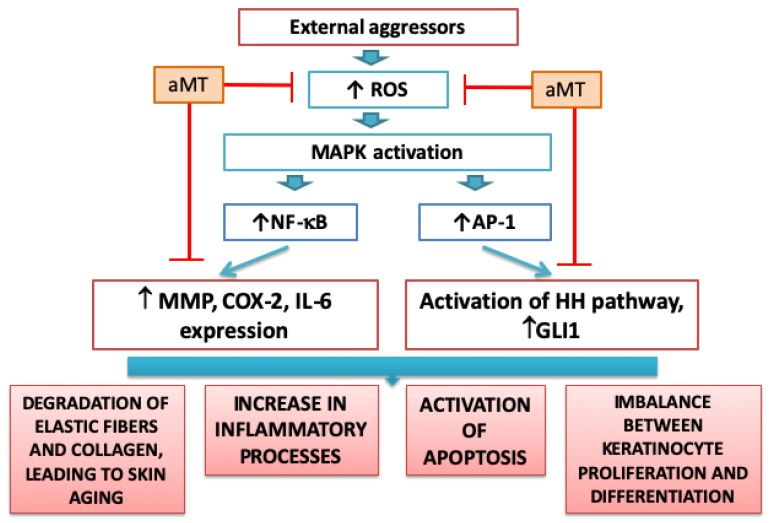
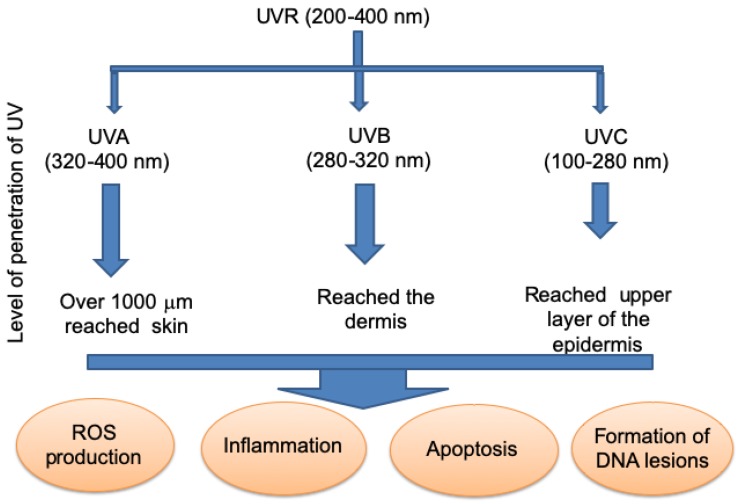
When exposed to hostile environments such as radiation, physical injuries, chemicals, pollution, and microorganisms, the skin requires protective chemical molecules and pathways. Melatonin, a highly conserved ancient molecule, plays a crucial role in the maintenance of skin. As human skin has functional melatonin receptors and also acts as a complete system that is capable of producing and regulating melatonin synthesis, melatonin is a promising candidate for its maintenance and protection. Below, we review the studies of new metabolic pathways involved in the protective functions of melatonin in dermal cells. We also discuss the advantages of the topical use of melatonin for therapeutic purposes and skin protection. In our view, endogenous intracutaneous melatonin production, together with topically-applied exogenous melatonin and its metabolites, represent two of the most potent defense systems against external damage to the skin.
当皮肤暴露于辐射、物理损伤、化学物质、污染和微生物等恶劣环境中时,它需要具有保护作用的化学分子和途径。褪黑素是一种高度保守的古老分子,在皮肤的维持中起着至关重要的作用。由于人类皮肤具有功能性的褪黑素受体,并且作为一个完整的系统能够产生和调节褪黑素的合成,因此褪黑素是维持和保护皮肤的一个很有前途的候选物质。在下面的内容中,我们将回顾涉及褪黑素在皮肤细胞中保护功能的新代谢途径的研究。我们还讨论了褪黑素在治疗目的和皮肤保护方面的局部应用的优势。在我们看来,内源性的表皮内褪黑素产生,以及局部应用的外源性褪黑素及其代谢物,代表了两种针对皮肤外部损伤的最强大的防御系统。