Human Oncology and Pathogenesis Program, Memorial Sloan Kettering Cancer Center, New York, NY, USA.
Department of Hematology-Oncology, Institute of Biomedical Research and Innovation, Foundation for Biomedical Research and Innovation at Kobe, Kobe, Japan.
Nature. 2019 Oct;574(7778):432-436. doi: 10.1038/s41586-019-1646-9. Epub 2019 Oct 9.
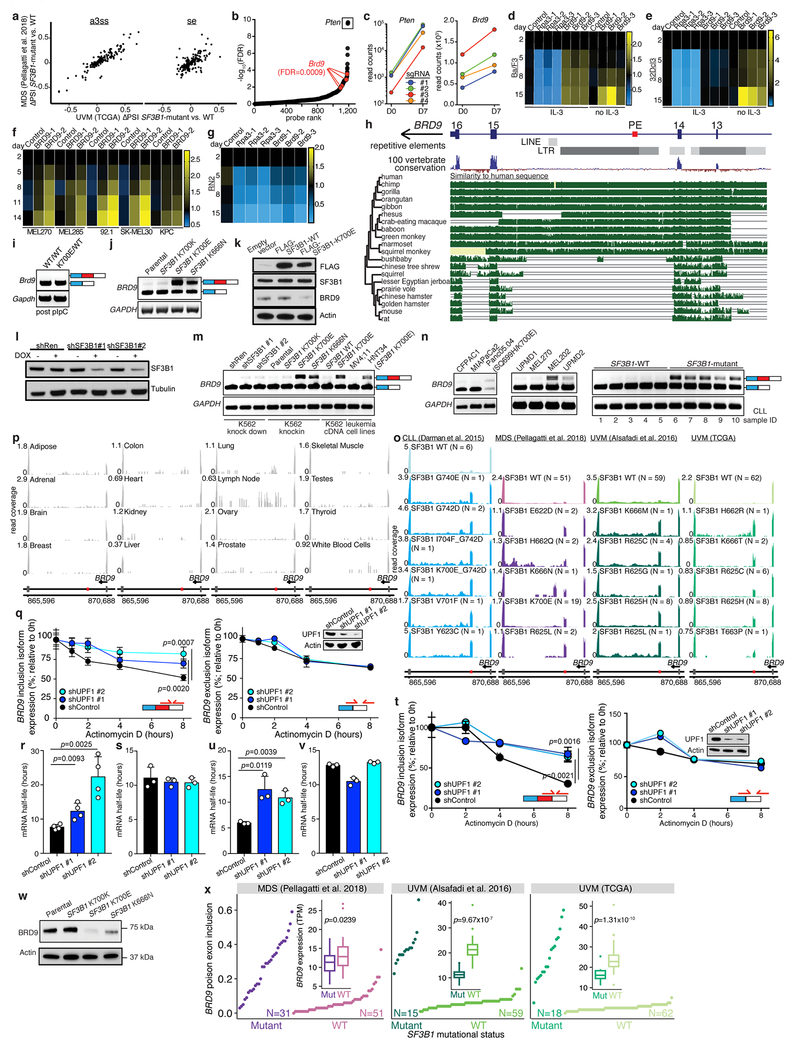
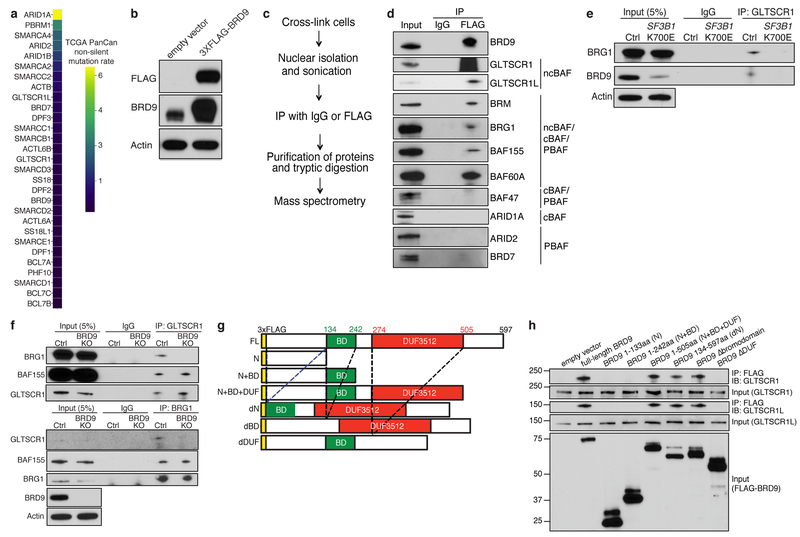
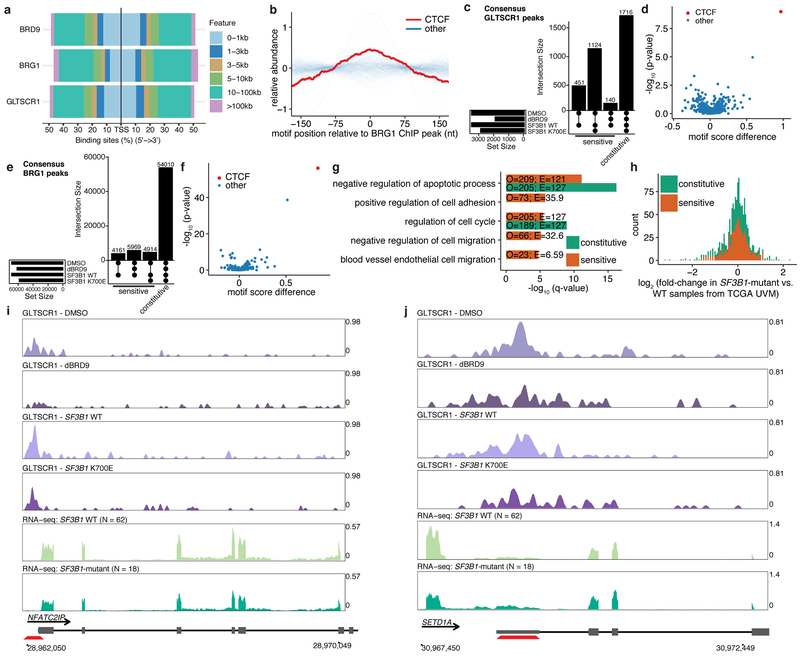
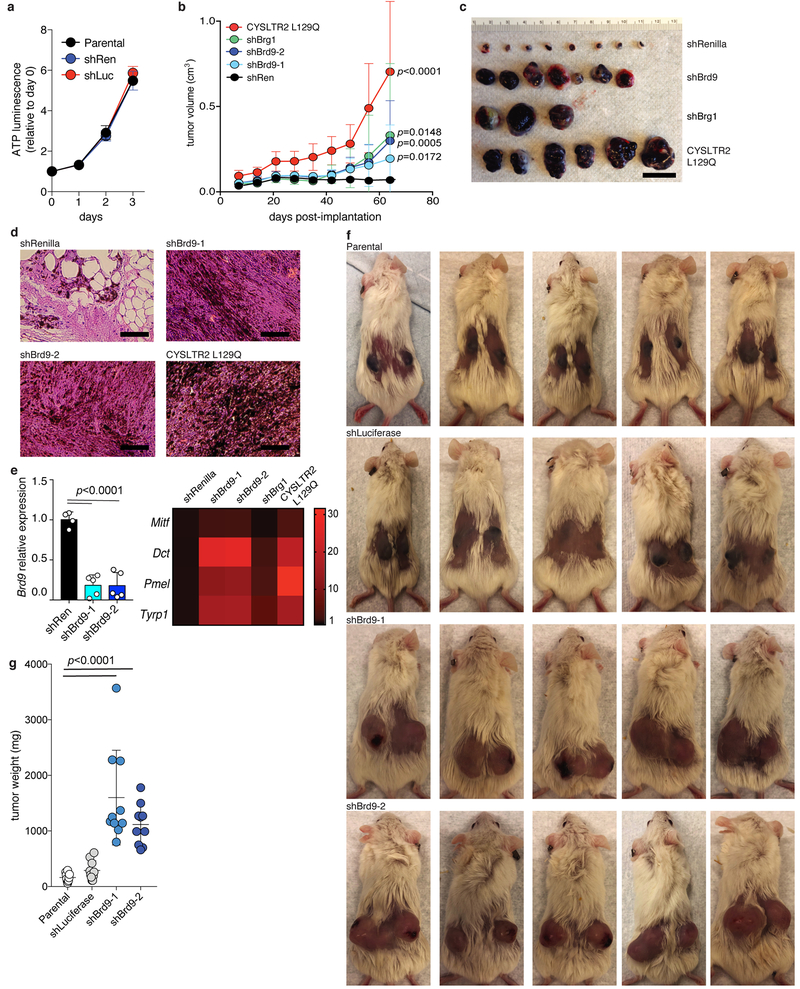
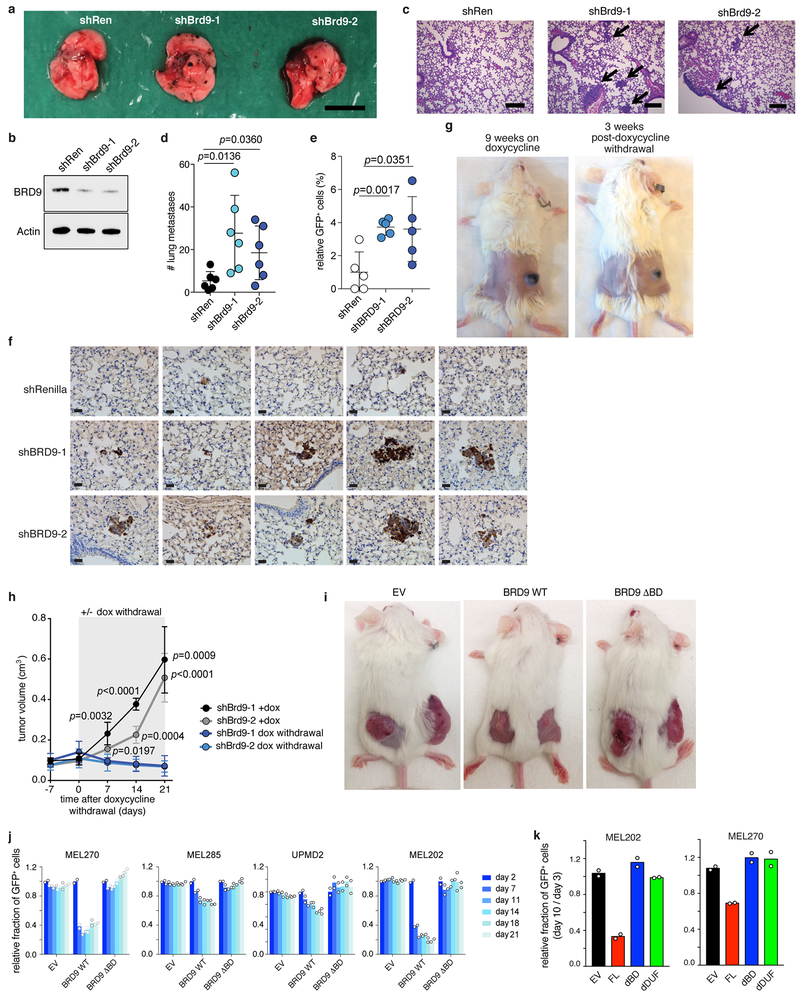
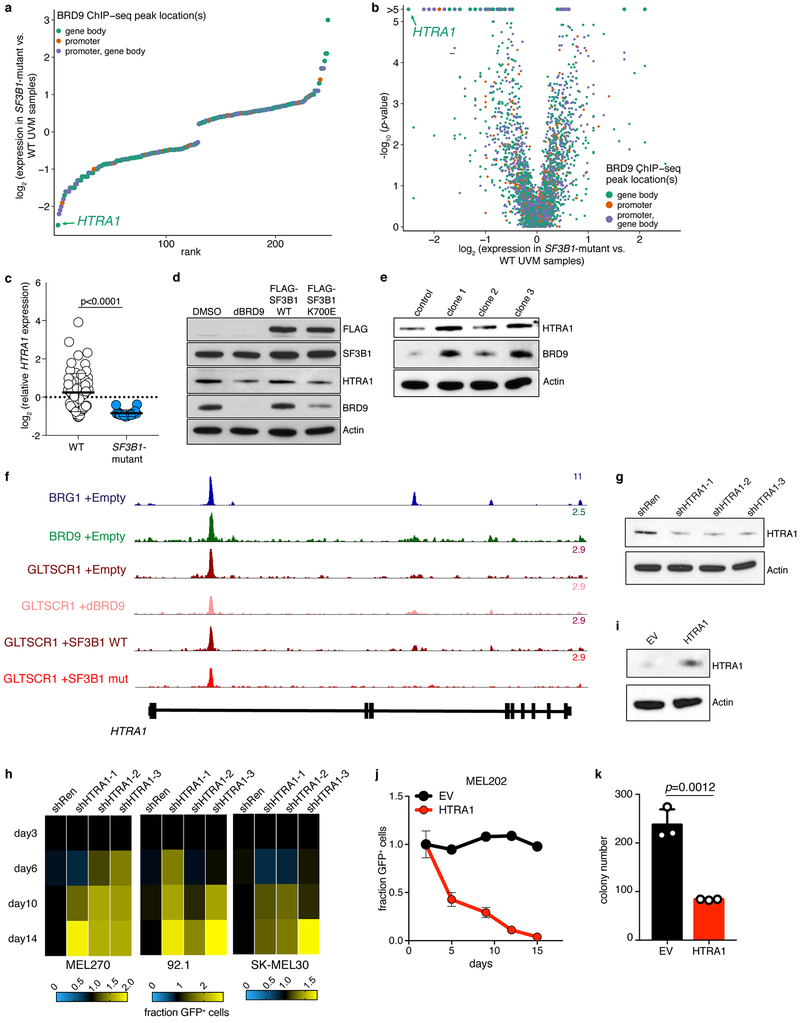
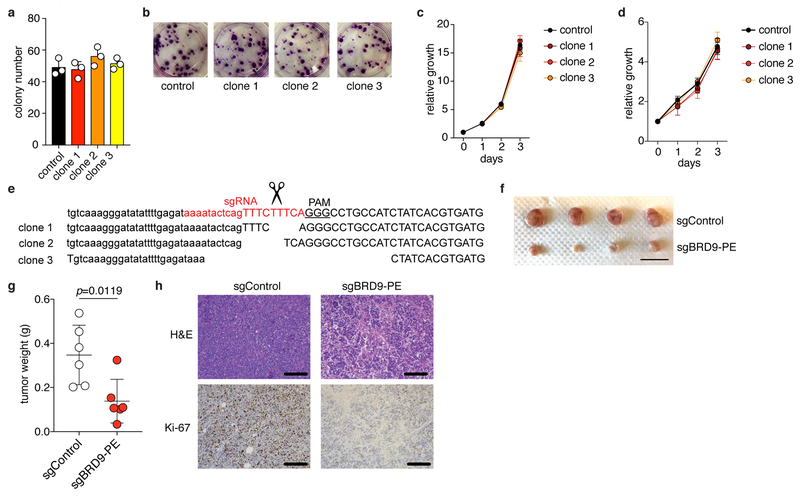
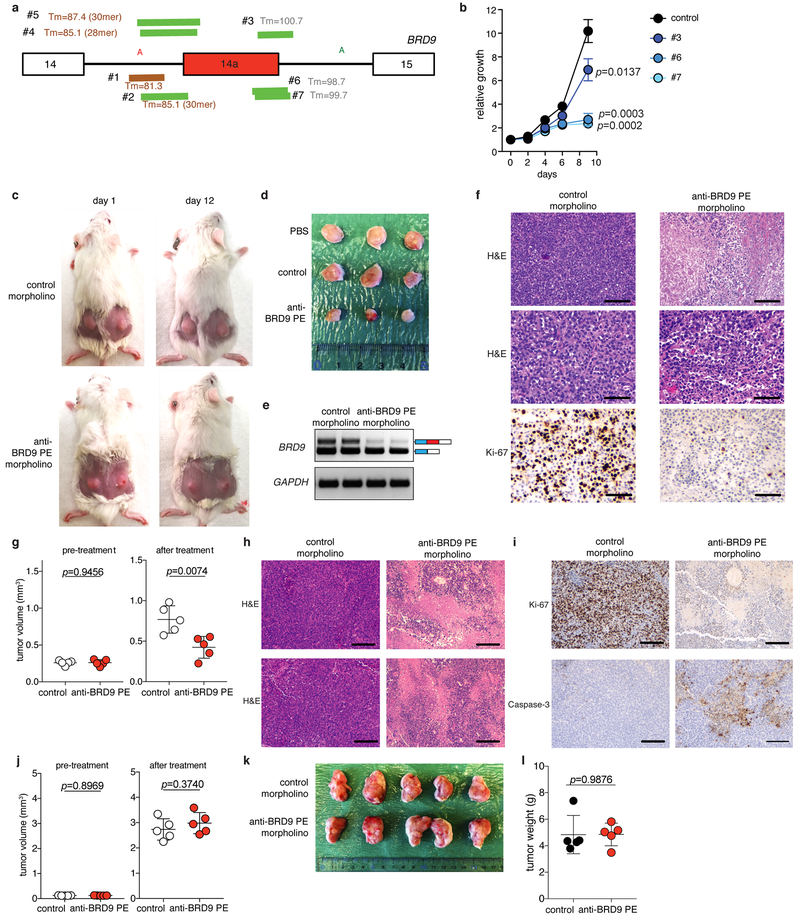
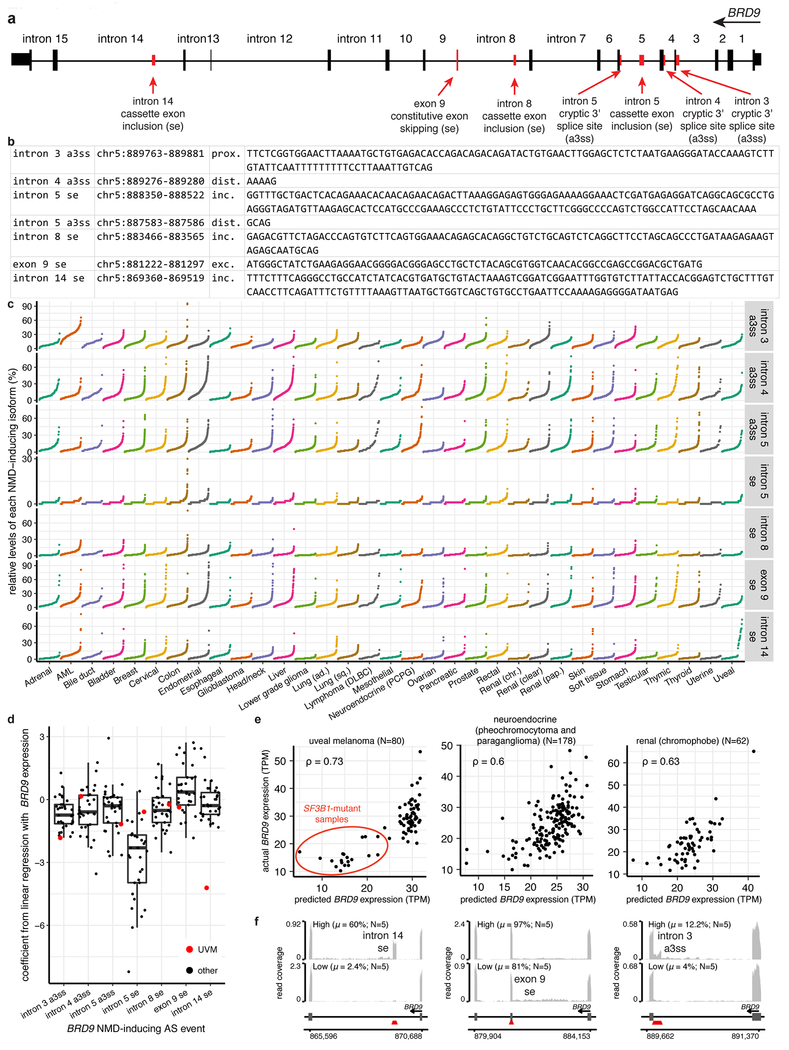
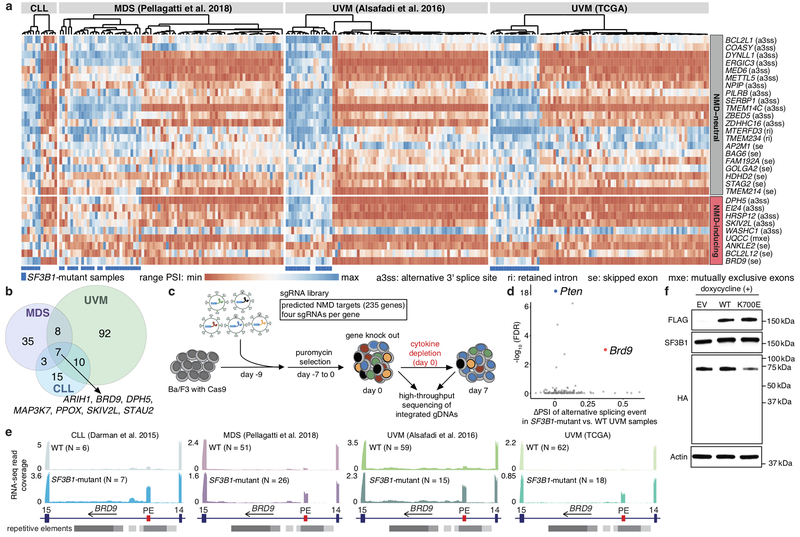
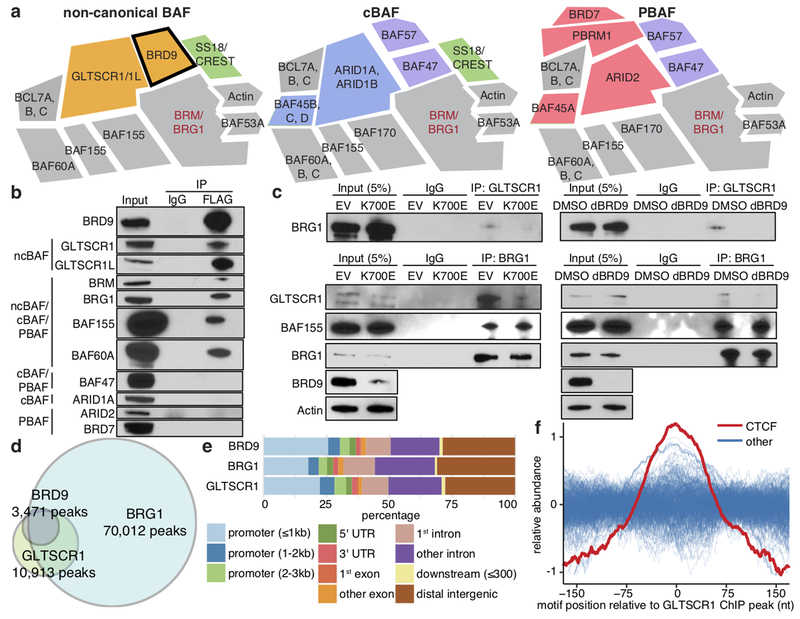
SF3B1 is the most commonly mutated RNA splicing factor in cancer, but the mechanisms by which SF3B1 mutations promote malignancy are poorly understood. Here we integrated pan-cancer splicing analyses with a positive-enrichment CRISPR screen to prioritize splicing alterations that promote tumorigenesis. We report that diverse SF3B1 mutations converge on repression of BRD9, which is a core component of the recently described non-canonical BAF chromatin-remodelling complex that also contains GLTSCR1 and GLTSCR1L. Mutant SF3B1 recognizes an aberrant, deep intronic branchpoint within BRD9 and thereby induces the inclusion of a poison exon that is derived from an endogenous retroviral element and subsequent degradation of BRD9 mRNA. Depletion of BRD9 causes the loss of non-canonical BAF at CTCF-associated loci and promotes melanomagenesis. BRD9 is a potent tumour suppressor in uveal melanoma, such that correcting mis-splicing of BRD9 in SF3B1-mutant cells using antisense oligonucleotides or CRISPR-directed mutagenesis suppresses tumour growth. Our results implicate the disruption of non-canonical BAF in the diverse cancer types that carry SF3B1 mutations and suggest a mechanism-based therapeutic approach for treating these malignancies.
SF3B1 是癌症中最常发生突变的 RNA 剪接因子,但 SF3B1 突变促进恶性肿瘤的机制仍不清楚。在这里,我们将泛癌症剪接分析与正向富集 CRISPR 筛选相结合,优先确定促进肿瘤发生的剪接改变。我们报告说,多种 SF3B1 突变都集中在抑制 BRD9 上,BRD9 是最近描述的非典型 BAF 染色质重塑复合物的核心组成部分,该复合物还包含 GLTSCR1 和 GLTSCR1L。突变的 SF3B1 识别 BRD9 中异常的深内含子分支点,从而诱导来自内源性逆转录病毒元件的毒性质子的包含,随后 BRD9 mRNA 降解。BRD9 的缺失会导致 CTCF 相关位点失去非典型 BAF,并促进黑色素瘤的发生。BRD9 是葡萄膜黑色素瘤中的一种有效的肿瘤抑制因子,因此,使用反义寡核苷酸或 CRISPR 指导的诱变纠正 SF3B1 突变细胞中 BRD9 的错误剪接,可以抑制肿瘤生长。我们的研究结果表明,非典型 BAF 的破坏与携带 SF3B1 突变的多种癌症类型有关,并为治疗这些恶性肿瘤提供了一种基于机制的治疗方法。