Ilyas Fatima, Burbridge Brent, Babyn Paul
Department of Medical Imaging, University of Saskatchewan, Royal University Hospital, 103 Hospital Drive, Saskatoon, Saskatchewan, Canada.
Department of Medical Imaging, University of Saskatchewan, Royal University Hospital, 103 Hospital Drive, Saskatoon, Saskatchewan, Canada.
J Med Imaging Radiat Sci. 2019 Dec;50(4):596-606.e1. doi: 10.1016/j.jmir.2019.07.011. Epub 2019 Oct 14.
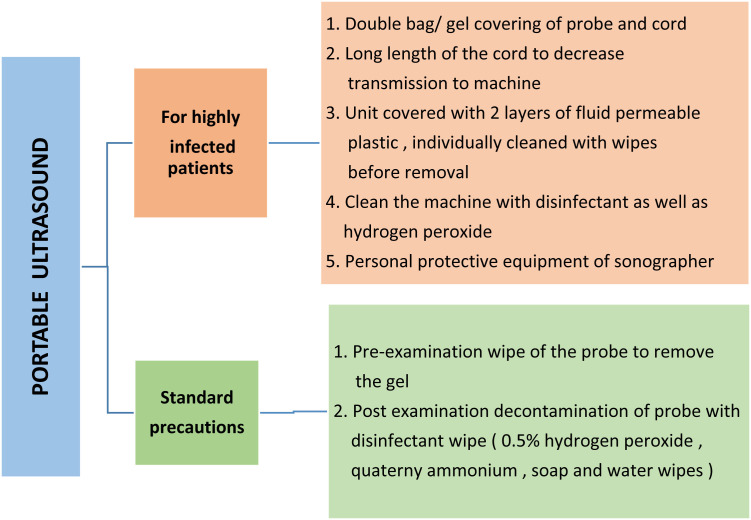
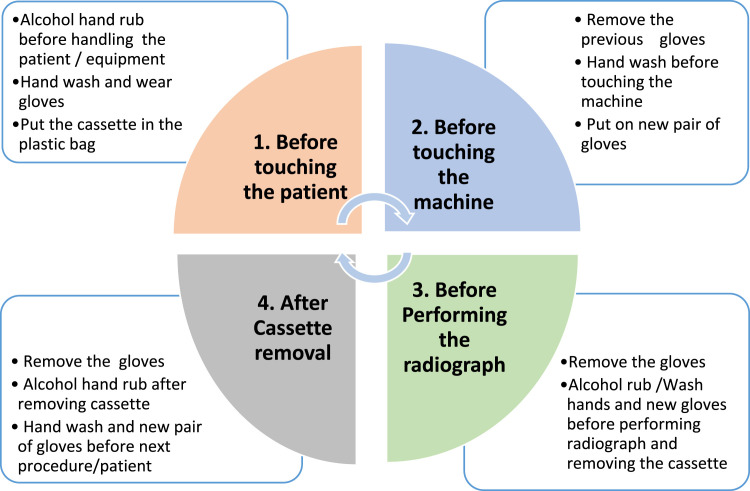
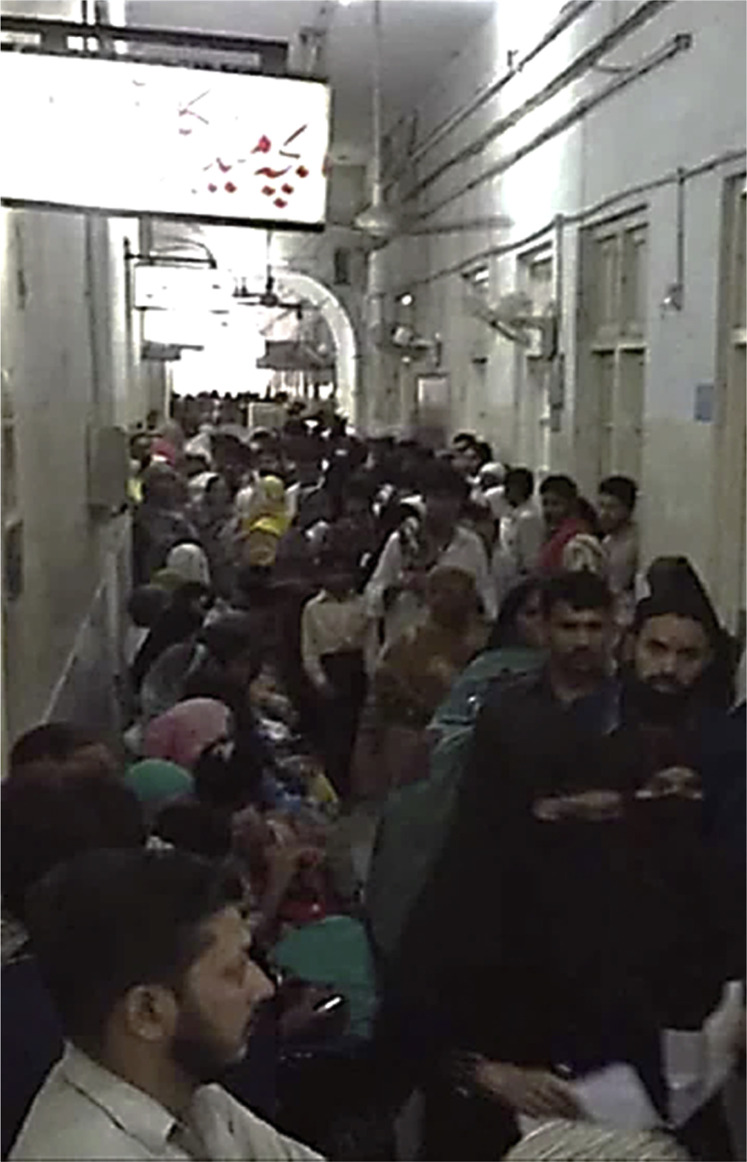
Health care-associated infections (HCAIs) are a significant concern for both health care workers (HCWs) and patients. They are a major contributing factor of disease in industrialized countries, and are responsible for significant morbidity, mortality, and a direct annual financial loss of $6-7 billion in North America alone. They are an increasingly challenging health issue due to multidrug-resistant pathogens such as methicillin-resistant Staphylococcus aureus and vancomycin-resistant Enterococci among others, along with an increasing number of susceptible patients. Over the last three decades, the risk of HCAIs has increased in the radiology department (RD) in part because of an increased number of patients visiting the department and an increase in the utilization of imaging modalities. In this review, we will discuss how patients and staff can be exposed to HCAIs in the RD, including contaminated inanimate surfaces, radiology equipment, and associated medical devices. As the role of medical imaging has extended from primarily diagnosis to include more interventions, the implementation and development of standardized infection minimization protocols and infection control procedures are vital in the RD, particularly in interventional radiology. With globalisation and the rapid movement of people regionally, nationally, and globally, there is greater risk of exposure to contagious diseases such as Ebola, especially if infected patients are undiagnosed when they travel. For effective infection control, advanced training and education of HCWs in the RD is essential. The purpose of this article is to provide an overview of HCAIs as related to activities of the RD. We will discuss the following major topics including the variety of HCAIs commonly encountered, the role of the RD in HCAIs, transmission of infections to patients and HCWs in the RD, standard infection prevention measures, and the management of susceptible/infected patients in the RD. We shall also examine the role of, and the preparedness of, HCWs, including RD technologists and interventional radiologists, who may be exposed to undiagnosed, yet infected patients. We shall conclude with a brief discussion of the role of further research related to HCAIs. Learning Objectives After the completion of this review article, the readers will • Understand the exposure and role of radiology department in health care-associated infections, • Know the causes/modes/transmission of infections in radiology department, • Be conscious of standard disinfection protocols, • Be aware of current and future strategies required for the effective control of health care-associated infection in the radiology department. This is a CME article and provides the equivalent of 2 hours of continuing education that may be applied to your professional development credit system. A 10-question multiple-choice quiz follows this reading. Please note that no formalized credit (category A) is available from CAMRT.
医疗保健相关感染(HCAIs)是医护人员(HCWs)和患者都非常关注的问题。在工业化国家,它们是疾病的主要促成因素,仅在北美就导致了大量的发病、死亡,每年直接造成60至70亿美元的经济损失。由于耐甲氧西林金黄色葡萄球菌和耐万古霉素肠球菌等多重耐药病原体以及越来越多易感患者的出现,HCAIs已成为一个日益具有挑战性的健康问题。在过去三十年中,放射科(RD)发生HCAIs的风险有所增加,部分原因是该科室就诊患者数量增加以及成像技术的使用增多。在本综述中,我们将讨论患者和工作人员在放射科如何接触到HCAIs,包括受污染的无生命表面、放射设备及相关医疗装置。随着医学成像的作用从主要用于诊断扩展到包括更多的介入操作,在放射科,尤其是介入放射学领域,实施和制定标准化的感染最小化方案及感染控制程序至关重要。随着全球化以及人员在地区、国家和全球范围内的快速流动,接触埃博拉等传染病的风险更大,特别是当感染患者在旅行时未被诊断出来。为了有效控制感染,对放射科医护人员进行高级培训和教育至关重要。本文旨在概述与放射科活动相关的HCAIs。我们将讨论以下主要主题,包括常见的各类HCAIs、放射科在HCAIs中的作用、放射科感染向患者和医护人员的传播、标准的感染预防措施以及放射科易感/感染患者的管理。我们还将探讨医护人员的作用和准备情况,包括可能接触到未被诊断但已感染患者的放射科技师和介入放射科医生。我们将以对与HCAIs相关的进一步研究的作用的简要讨论作为结尾。学习目标读完这篇综述文章后,读者将:• 了解放射科在医疗保健相关感染中的暴露情况和作用,• 知晓放射科感染的原因/方式/传播途径,• 意识到标准的消毒方案,• 了解有效控制放射科医疗保健相关感染所需的当前和未来策略。这是一篇继续医学教育(CME)文章,提供相当于2小时的继续教育学分,可应用于您的专业发展学分系统。读完本文后有一个10道题的多项选择题测验。请注意,加拿大医学放射技术协会(CAMRT)不提供正式学分(A类)。