McGill Vision Research, Department of Ophthalmology, Montréal General Hospital, Montréal, Québec, Canada.
Centre for Cognitive Neuroscience, Division of Psychology, Department of Life Sciences, Brunel University London, London, United Kingdom.
PLoS Comput Biol. 2019 Oct 18;15(10):e1007398. doi: 10.1371/journal.pcbi.1007398. eCollection 2019 Oct.
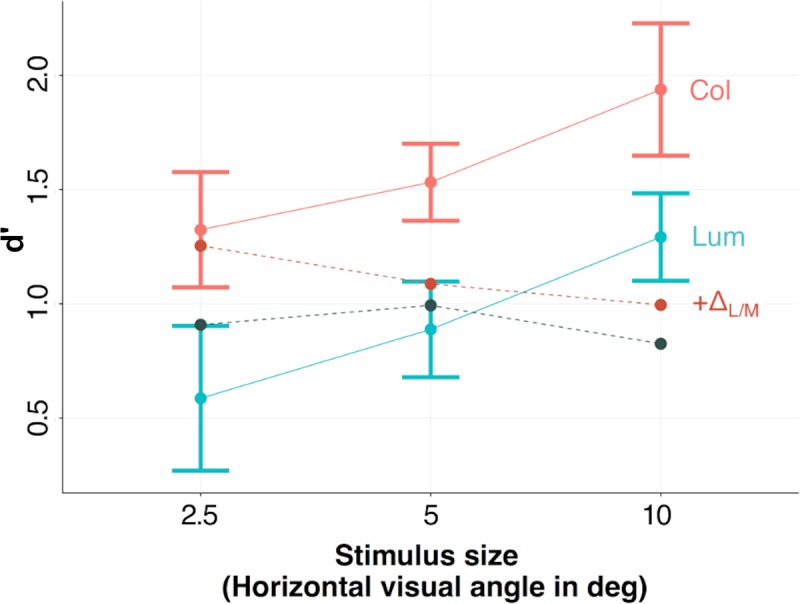
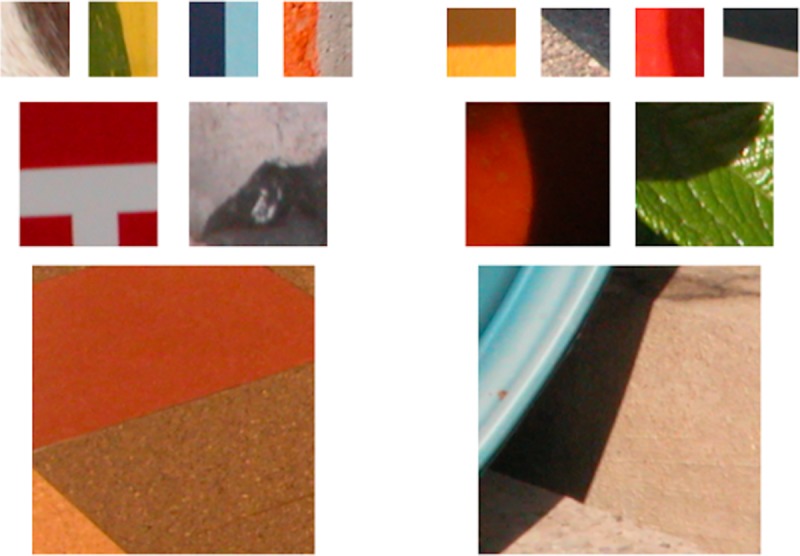
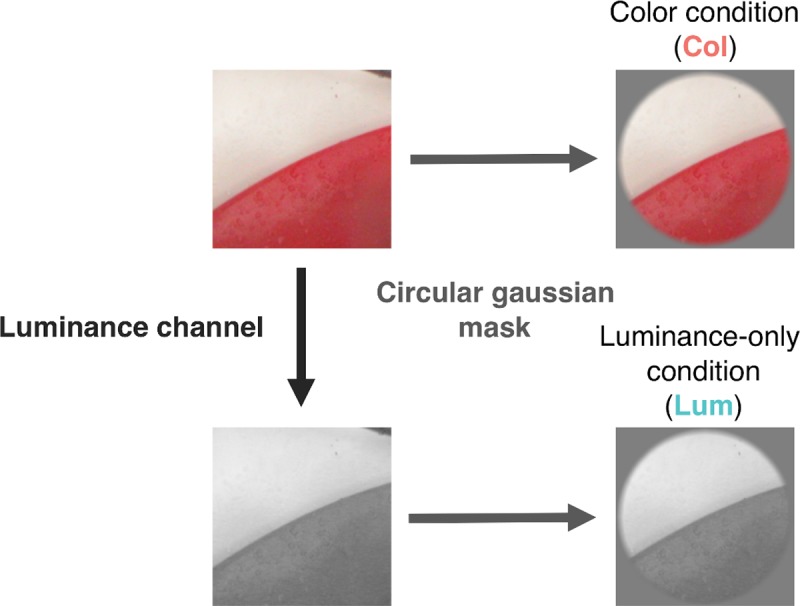
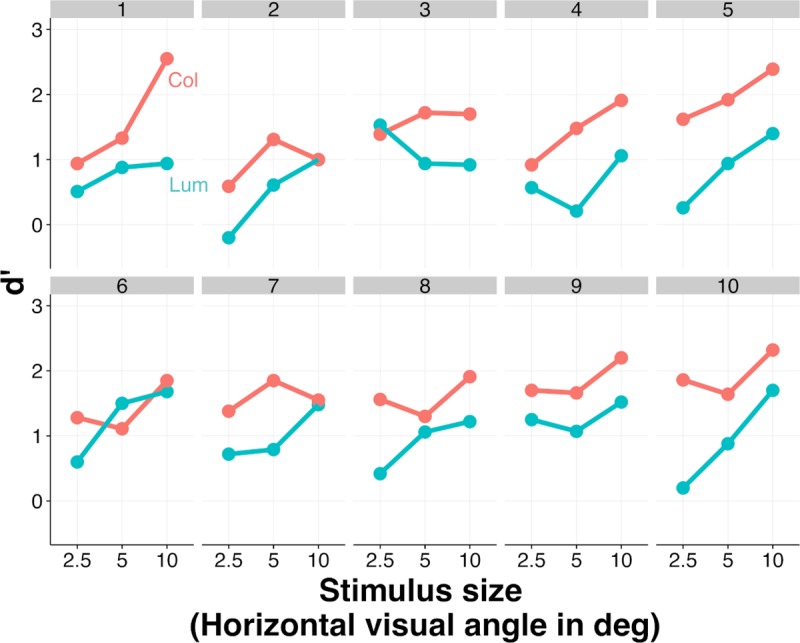
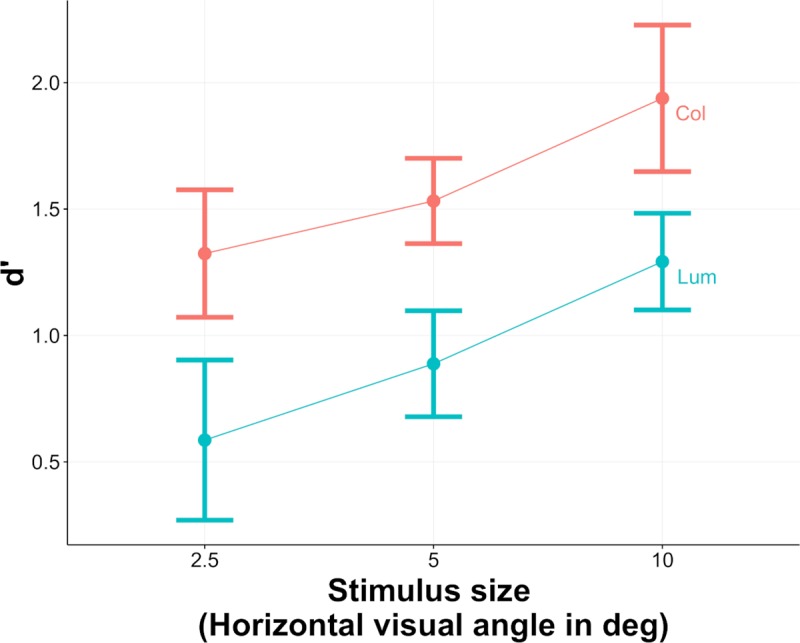
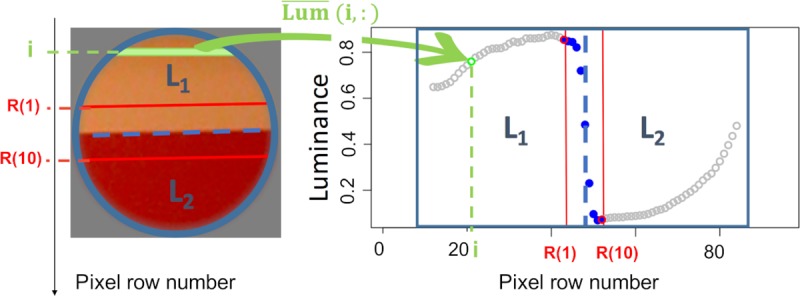
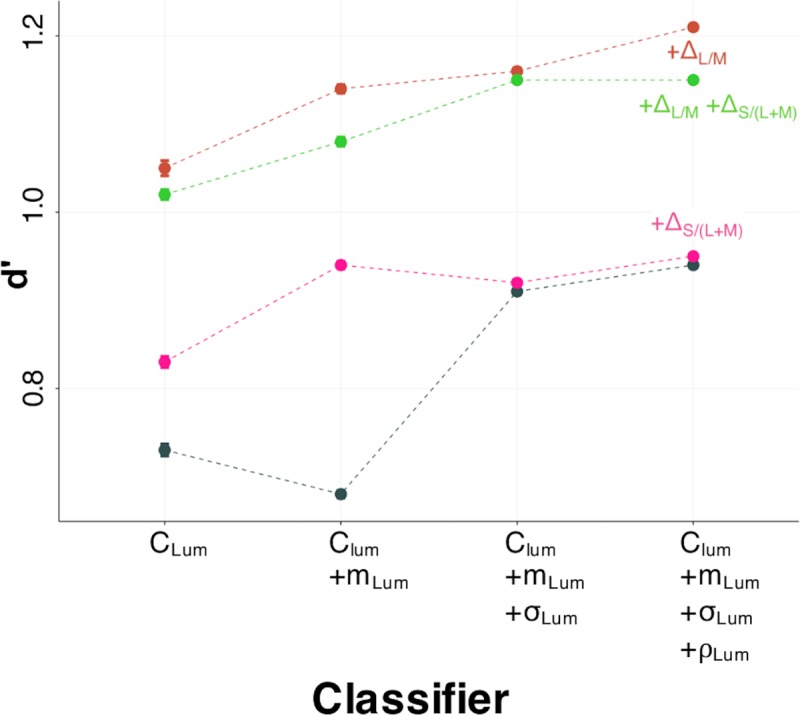
Despite the complexity of the visual world, humans rarely confuse variations in illumination, for example shadows, from variations in material properties, such as paint or stain. This ability to distinguish illumination from material edges is crucial for determining the spatial layout of objects and surfaces in natural scenes. In this study, we explore the role that color (chromatic) cues play in edge classification. We conducted a psychophysical experiment that required subjects to classify edges into illumination and material, in patches taken from images of natural scenes that either contained or did not contain color information. The edge images were of various sizes and were pre-classified into illumination and material, based on inspection of the edge in the context of the whole image from which the edge was extracted. Edge classification performance was found to be superior for the color compared to grayscale images, in keeping with color acting as a cue for edge classification. We defined machine observers sensitive to simple image properties and found that they too classified the edges better with color information, although they failed to capture the effect of image size observed in the psychophysical experiment. Our findings are consistent with previous work suggesting that color information facilitates the identification of material properties, transparency, shadows and the perception of shape-from-shading.
尽管视觉世界非常复杂,但人类很少会将光照变化(例如阴影)与材料属性变化(如油漆或污渍)混淆。这种将光照与材料边缘区分开来的能力对于确定自然场景中物体和表面的空间布局至关重要。在这项研究中,我们探讨了颜色(色度)线索在边缘分类中的作用。我们进行了一项心理物理学实验,要求受试者根据取自自然场景图像的斑块将边缘分为光照和材料两类,这些图像要么包含要么不包含颜色信息。边缘图像的大小各不相同,并且根据从提取边缘的整个图像中检查边缘,将其预先分类为光照和材料。与灰度图像相比,彩色图像的边缘分类性能更好,这表明颜色可以作为边缘分类的线索。我们定义了对简单图像属性敏感的机器观察者,并发现它们在使用颜色信息时也能更好地分类边缘,尽管它们未能捕捉到心理物理学实验中观察到的图像大小的影响。我们的发现与之前的工作一致,即颜色信息有助于识别材料属性、透明度、阴影和从阴影中感知形状。