Institut de neurobiologie de la Méditerranée, Institut National de la Santé et de la Recherche Médicale U1249, Marseille, France; Aix-Marseille University, Marseille, France; Cannalab, Cannabinoids Neuroscience Research International Associated Laboratory, Institut National de la Santé et de la Recherche Médicale-Aix-Marseille University/Indiana University.
Cannalab, Cannabinoids Neuroscience Research International Associated Laboratory, Institut National de la Santé et de la Recherche Médicale-Aix-Marseille University/Indiana University; Gill Center for Biomolecular Science, Indiana University, Bloomington, Indiana; Department of Psychological and Brain Sciences, Indiana University, Bloomington, Indiana.
Biol Psychiatry. 2020 Apr 1;87(7):666-677. doi: 10.1016/j.biopsych.2019.08.023. Epub 2019 Sep 5.
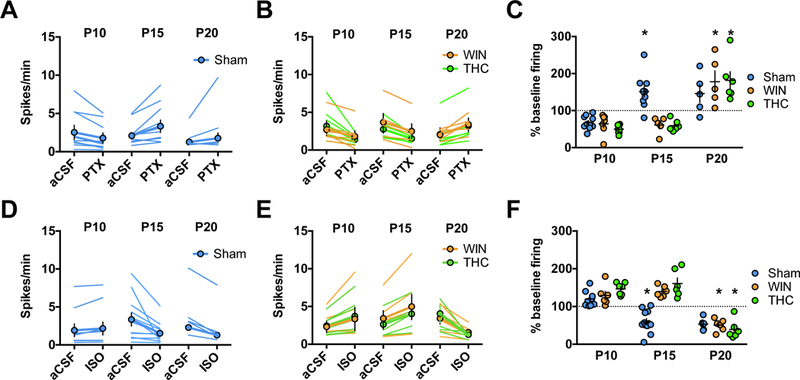
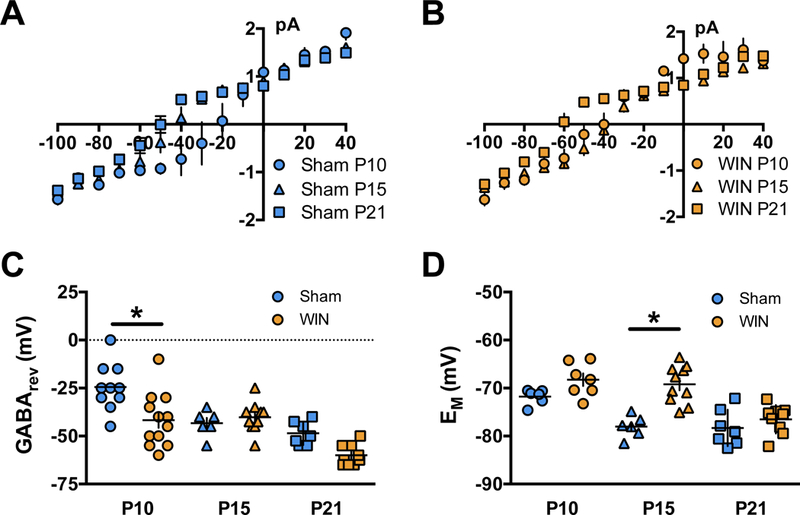
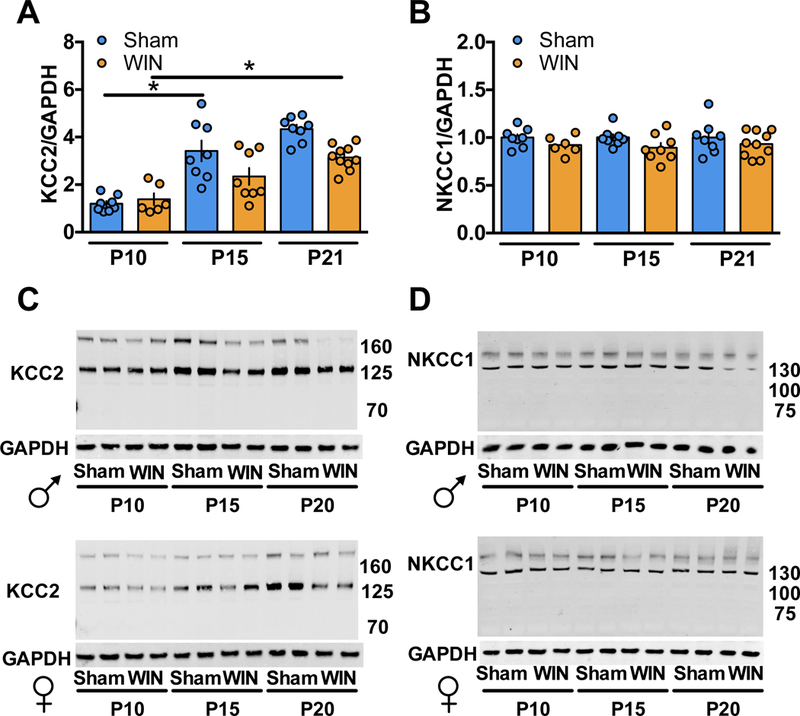
Cannabis usage is increasing with its widespread legalization. Cannabis use by mothers during lactation transfers active cannabinoids to the developing offspring during this critical period and alters postnatal neurodevelopment. A key neurodevelopmental landmark is the excitatory to inhibitory gamma-aminobutyric acid (GABA) switch caused by reciprocal changes in expression ratios of the K/Cl transporters potassium-chloride cotransporter 2 (KCC2) and sodium-potassium-chloride transporter (NKCC1).
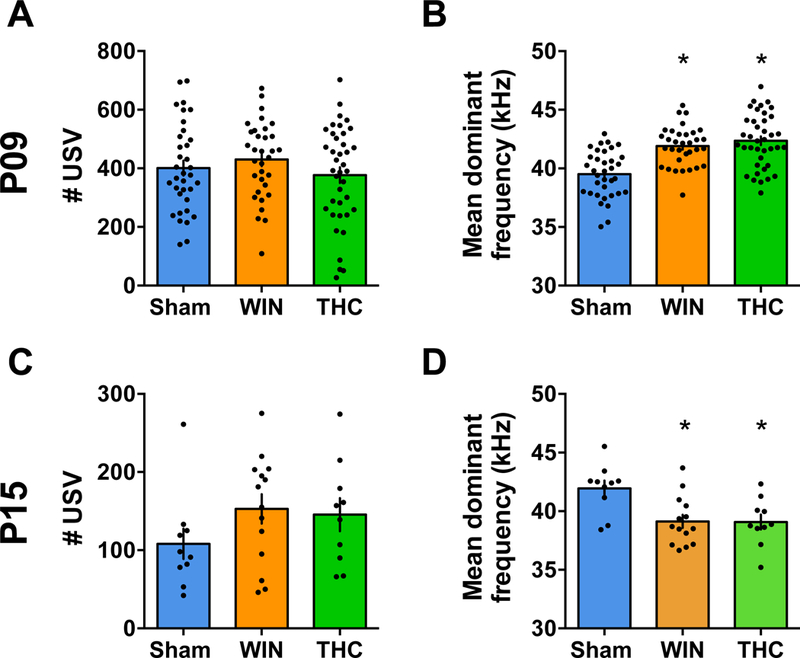
Rat dams were treated with Δ-tetrahydrocannabinol or a synthetic cannabinoid during the first 10 days of postnatal development, and experiments were then conducted in the offspring exposed to these drugs via lactation. The network influence of GABA transmission was analyzed using cell-attached recordings. KCC2 and NKCC1 levels were determined using Western blot and quantitative polymerase chain reaction analyses. Ultrasonic vocalization and homing behavioral experiments were carried out at relevant time points.
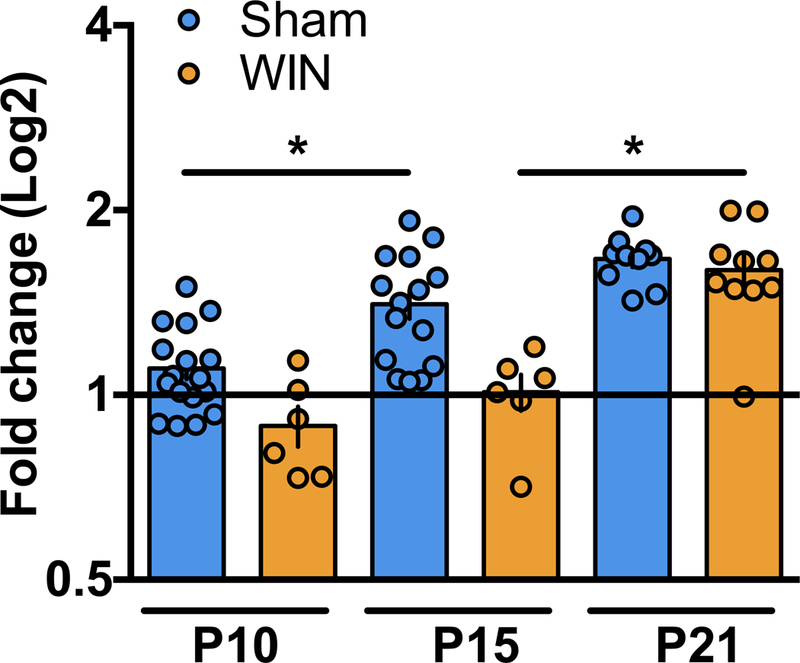
Treating rat dams with cannabinoids during early lactation retards transcriptional upregulation and expression of KCC2, thereby delaying the GABA switch in pups of both sexes. This perturbed trajectory was corrected by the NKCC1 antagonist bumetanide and accompanied by alterations in ultrasonic vocalization without changes in homing behavior. Neurobehavioral deficits were prevented by CB receptor antagonism during maternal exposure, showing that the CB receptor underlies the cannabinoid-induced alterations.
These results reveal how perinatal cannabinoid exposure retards an early milestone of development, delaying the trajectory of GABA's polarity transition and altering early-life communication.
随着大麻的广泛合法化,其使用量正在增加。哺乳期母亲吸食大麻会在这个关键时期将活性大麻素转移到发育中的后代身上,并改变产后神经发育。一个关键的神经发育里程碑是兴奋性到抑制性γ-氨基丁酸(GABA)的转变,这是由 K/Cl 转运体钾氯离子共转运体 2(KCC2)和钠钾氯离子转运体(NKCC1)表达比例的相互变化引起的。
在产后发育的前 10 天,用 Δ-四氢大麻酚或合成大麻素处理大鼠母鼠,然后在通过哺乳暴露于这些药物的后代中进行实验。使用细胞贴附记录分析 GABA 传递的网络影响。使用 Western blot 和定量聚合酶链反应分析确定 KCC2 和 NKCC1 水平。在相关时间点进行超声发声和归巢行为实验。
在早期哺乳期用大麻素处理大鼠母鼠会延迟 KCC2 的转录上调和表达,从而延迟雄性和雌性幼崽的 GABA 转变。这种被扰乱的轨迹被 NKCC1 拮抗剂布美他尼纠正,并伴有超声发声的改变而不改变归巢行为。在母体暴露期间,通过 CB 受体拮抗作用预防了神经行为缺陷,表明 CB 受体是大麻素诱导改变的基础。
这些结果揭示了围产期大麻素暴露如何延缓发育的早期里程碑,延迟 GABA 极性转变的轨迹,并改变生命早期的交流。