Department of Cardiovascular Medicine, the First Affiliated Hospital of Nanjing Medical University, Nanjing, 210029, Jiangsu Province, China.
Department of Cardiovascular Medicine, the Affiliated Changzhou No.2 People's Hospital of Nanjing Medical University, Changzhou, 213000, Jiangsu Province, China.
Sci Rep. 2019 Oct 25;9(1):15340. doi: 10.1038/s41598-019-51921-3.
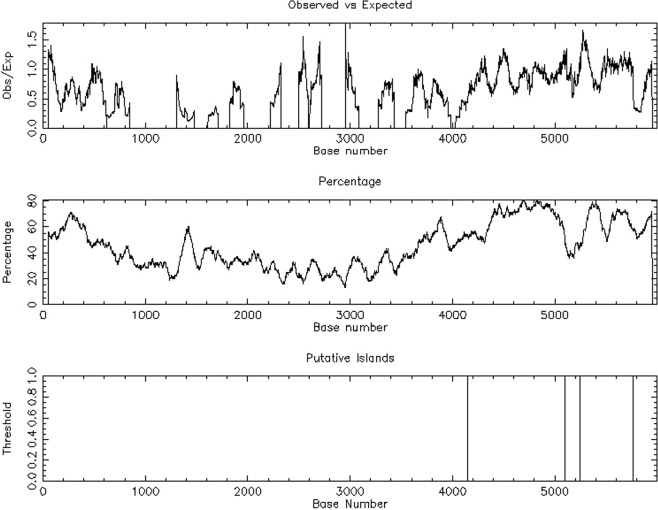
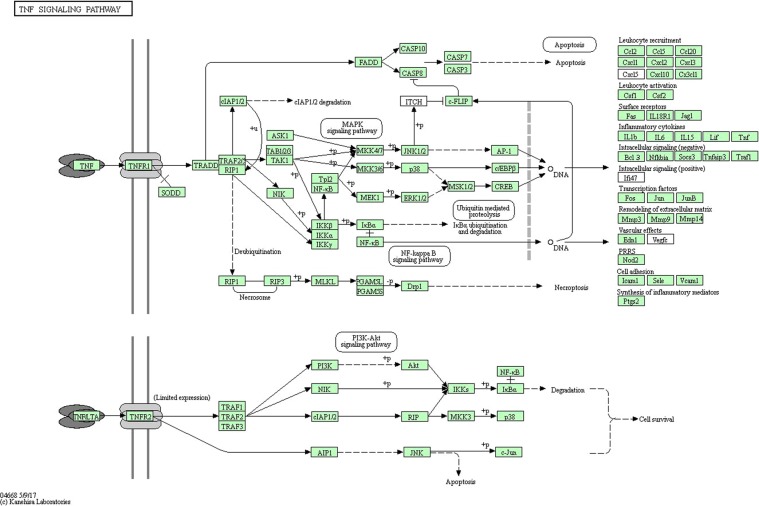
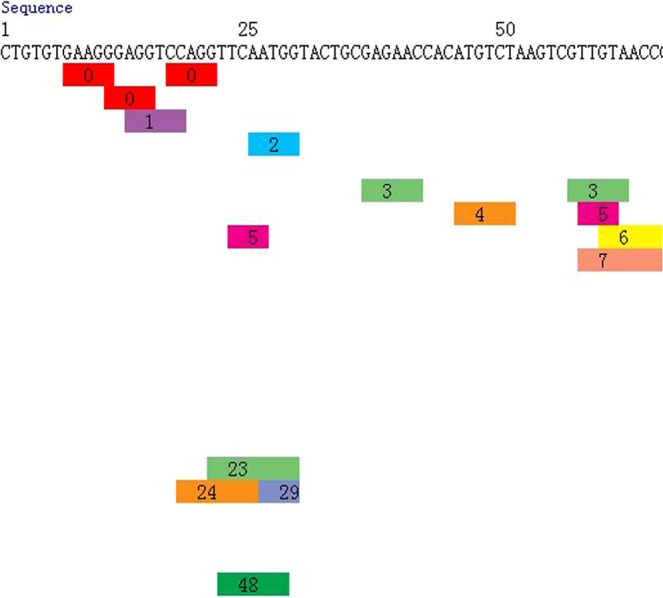
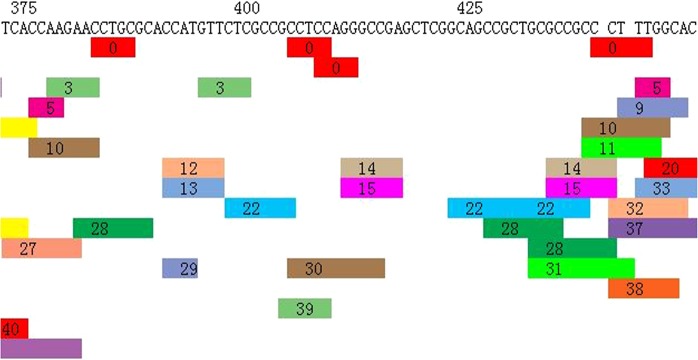
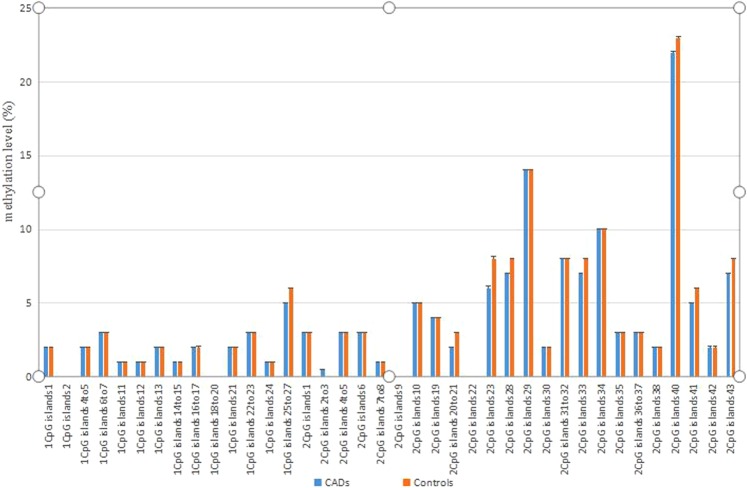
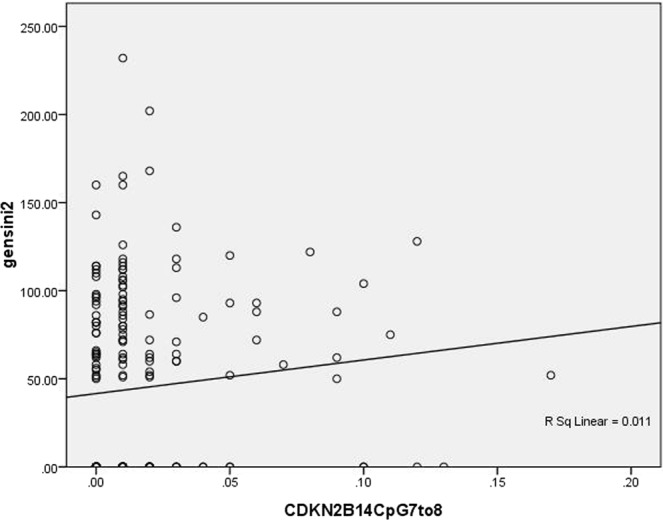
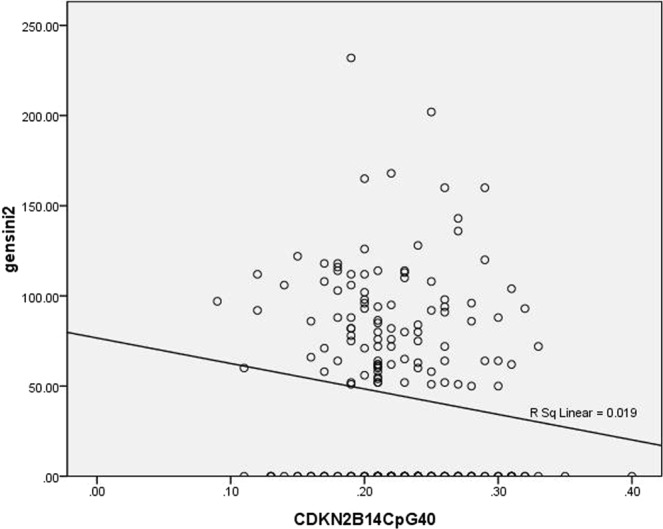
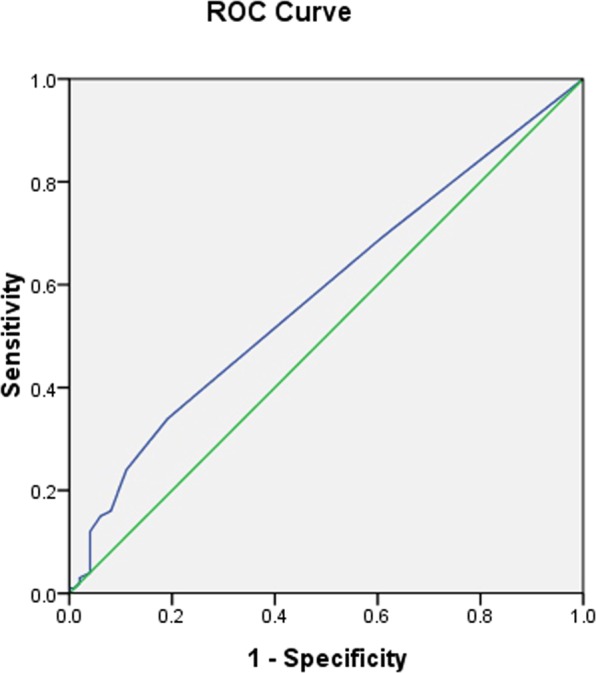
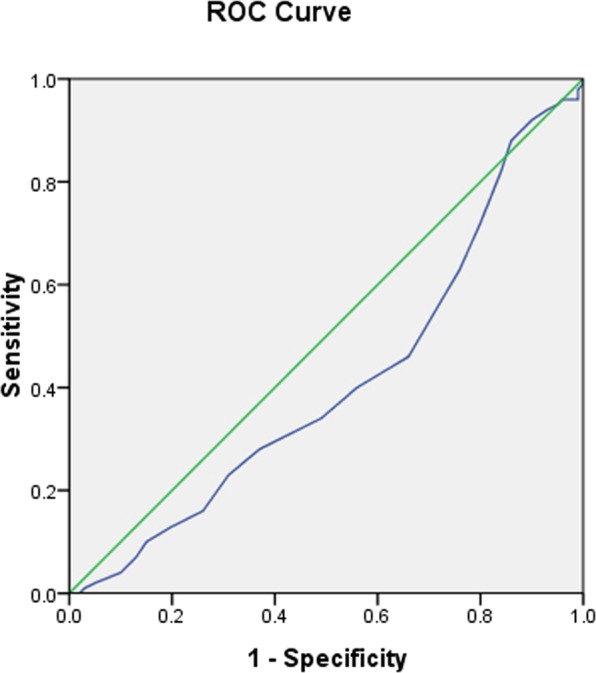
To explore the association between methylation of antisense non-coding RNA in the INK4 locus (ANRIL) and coronary artery disease (CAD) development. Methylation levels of ANRIL in 100 subjects with CAD and 100 controls were quantitatively analyzed using Sequenom MassARRAY. Kyoto Encyclopedia of Genes and Genomes (KEGG) pathway enrichment analysis was used to identify novel pathways. Our analyses indicated that 7 to 8 CpG sites within the 2 CpG island located upstream of ANRIL, also known as cyclin-dependent kinase inhibitor 2B - antisense 1 (CDKN2B-AS1), are hyper-methylated in CAD subjects compared to controls (p = 0.034). The 40 CpG site within the 2 CpG island located upstream of CDKN2B-AS1 was methylated to a lesser extent in CAD subjects compared to controls (p = 0.045). Both Pearson and Spearman analyses indicated that methylation levels were significantly associated with total cholesterol (r = 0.204, p = 0.004), fasting high-density lipoprotein cholesterol (r = 0.165, p = 0.020), and fasting low-density lipoprotein cholesterol (r = 0.265, p = 0.000). KEGG pathway analysis revealed a significant enrichment of genes associated with the tumor necrosis factor (TNF) signaling pathway. Among them, CCAAT/enhancer binding protein (C/EBPβ) was identified as a key transcription factor that promotes expression of CDKN2B-AS1 through promotor interaction. DNA methylation of the ANRIL promoter was significantly associated with CAD development in our study. Our analyses suggest that C/EBPβ is a key transcription factor that promotes CDKN2B-AS1 expression by directly interacting with the gene promotor mediated by TNF signaling.
探讨 INK4 基因座反义非编码 RNA(ANRIL)甲基化与冠状动脉疾病(CAD)发展之间的关系。使用 Sequenom MassARRAY 定量分析 100 例 CAD 患者和 100 例对照者的 ANRIL 甲基化水平。京都基因与基因组百科全书(KEGG)通路富集分析用于鉴定新的通路。我们的分析表明,与对照组相比,CAD 患者位于 ANRIL 上游的 2 个 CpG 岛中的 7 至 8 个 CpG 位点(也称为细胞周期蛋白依赖性激酶抑制剂 2B-反义 1(CDKN2B-AS1))发生超甲基化(p=0.034)。与对照组相比,位于 CDKN2B-AS1 上游的 2 个 CpG 岛中的 40 个 CpG 位点的甲基化程度较低(p=0.045)。Pearson 和 Spearman 分析均表明,甲基化水平与总胆固醇(r=0.204,p=0.004)、空腹高密度脂蛋白胆固醇(r=0.165,p=0.020)和空腹低密度脂蛋白胆固醇(r=0.265,p=0.000)显著相关。KEGG 通路分析显示,与肿瘤坏死因子(TNF)信号通路相关的基因显著富集。其中,CCAAT/增强子结合蛋白(C/EBPβ)被鉴定为关键转录因子,通过启动子相互作用促进 CDKN2B-AS1 的表达。本研究中 ANRIL 启动子的 DNA 甲基化与 CAD 的发生显著相关。我们的分析表明,C/EBPβ 是一种关键的转录因子,通过 TNF 信号介导的基因启动子直接相互作用促进 CDKN2B-AS1 的表达。