Columbia Center for Translational Immunology, Department of Medicine, Columbia University Medical Center, NY, USA.
Department of Microbiology and Immunology, Columbia University Medical Center, NY, USA.
Sci Immunol. 2019 Nov 1;4(41). doi: 10.1126/sciimmunol.aau6298.
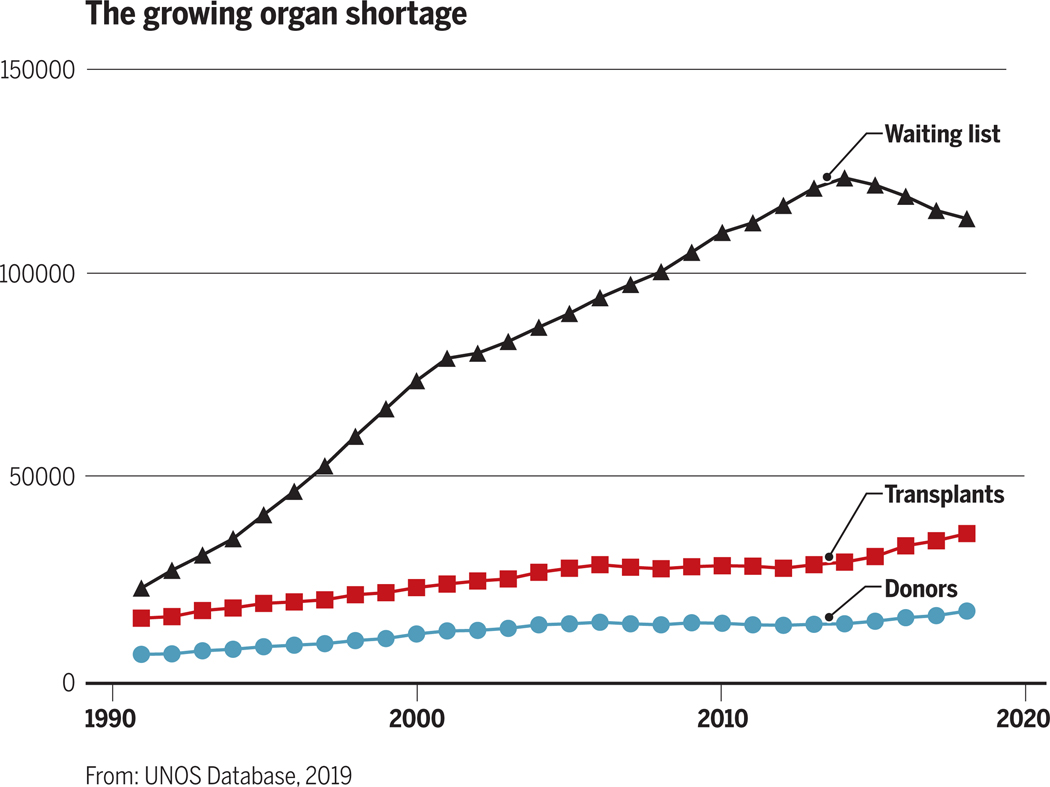
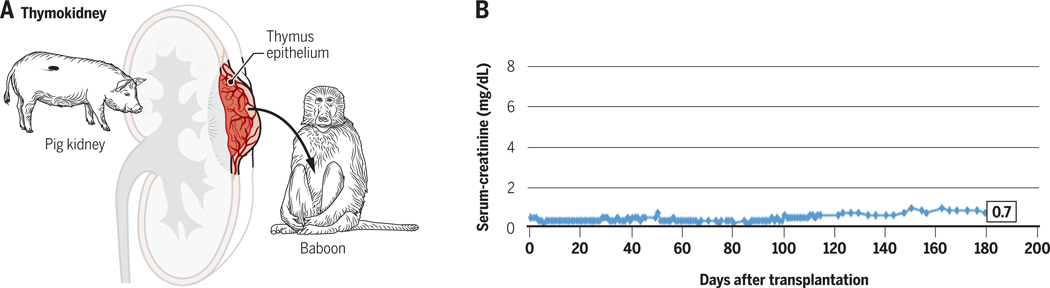
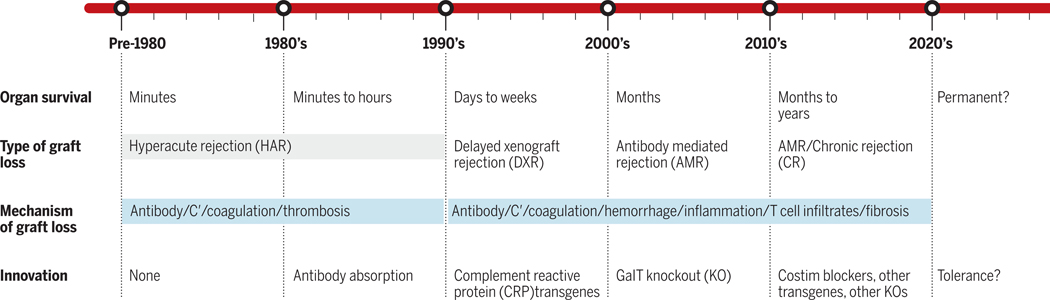
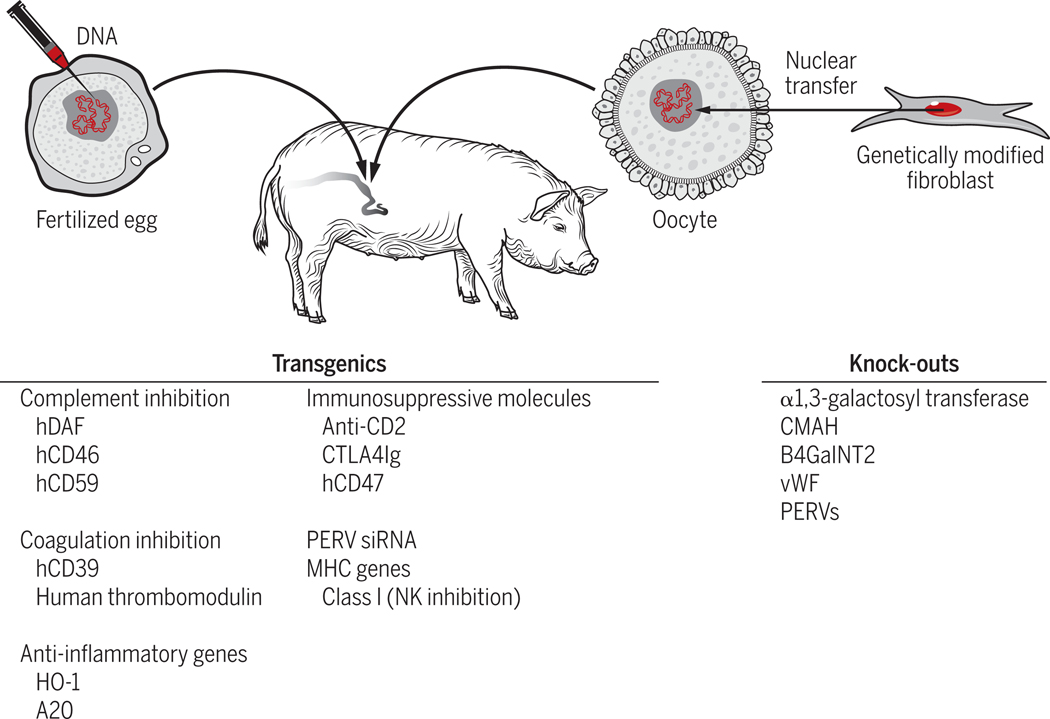
The success of organ transplantation is limited by the complications of immunosuppression, by chronic rejection, and by the insufficient organ supply, and thousands of patients die every year while waiting for a transplant. With recent progress in xenotransplantation permitting porcine organ graft survival of months or even years in nonhuman primates, there is renewed interest in its potential to alleviate the organ shortage. Many of these advances are the result of our heightened capacity to modify pigs genetically, particularly with the development of CRISPR-Cas9-based gene editing methodologies. Although this approach allows the engineering of pig organs that are less prone to rejection, the clinical application of xenotransplantation will require the ability to avoid the ravages of a multifaceted attack on the immune system while preserving the capacity to protect both the recipient and the graft from infectious microorganisms. In this review, we will discuss the potential and limitations of these modifications and how the engineering of the graft can be leveraged to alter the host immune response so that all types of immune attack are avoided.
器官移植的成功受到免疫抑制并发症、慢性排斥反应和供体器官不足的限制,每年都有数千名患者在等待移植时死亡。最近异种移植的进展使得猪器官在非人类灵长类动物中可以存活数月甚至数年,这重新引发了人们对其缓解器官短缺的潜力的兴趣。这些进展中的许多都是我们增强基因修饰猪的能力的结果,特别是开发基于 CRISPR-Cas9 的基因编辑方法。尽管这种方法可以设计出不易被排斥的猪器官,但异种移植的临床应用还需要有能力避免免疫系统受到多方面攻击的影响,同时保持保护受体和移植物免受感染性微生物侵害的能力。在这篇综述中,我们将讨论这些修饰的潜力和局限性,以及如何利用移植物的工程设计来改变宿主免疫反应,从而避免所有类型的免疫攻击。