The Key Laboratory of Molecular Biology of Infectious Diseases designated by the Chinese Ministry of Education, Institute for Viral Hepatitis, Department of Infectious Diseases, The Second Affiliated Hospital, Chongqing Medical University, Room 617, College of Life Sciences Building, 1 YiXueYuan Road, YuZhong District, Chongqing 400016, China.
State Key Laboratory of Quality Research in Chinese Medicine, Macau University of Science and Technology, Room 704a-02, Block H, Macau, China.
EBioMedicine. 2019 Nov;49:232-246. doi: 10.1016/j.ebiom.2019.10.022. Epub 2019 Oct 31.
Hepatitis B surface antigen (HBsAg) is one of the important clinical indexes for hepatitis B virus (HBV) infection diagnosis and sustained seroconversion of HBsAg is an indicator for functional cure. However, the level of HBsAg could not be reduced by interferons and nucleoside analogs effectively. Therefore, identification of a new drug targeting HBsAg is urgently needed.
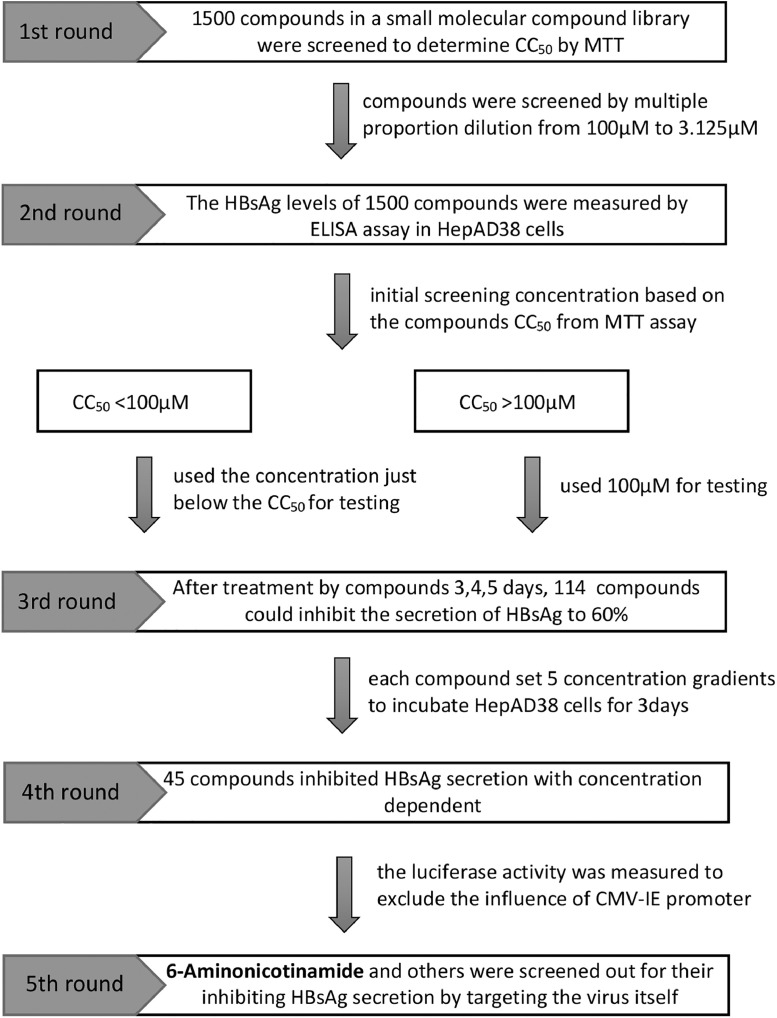
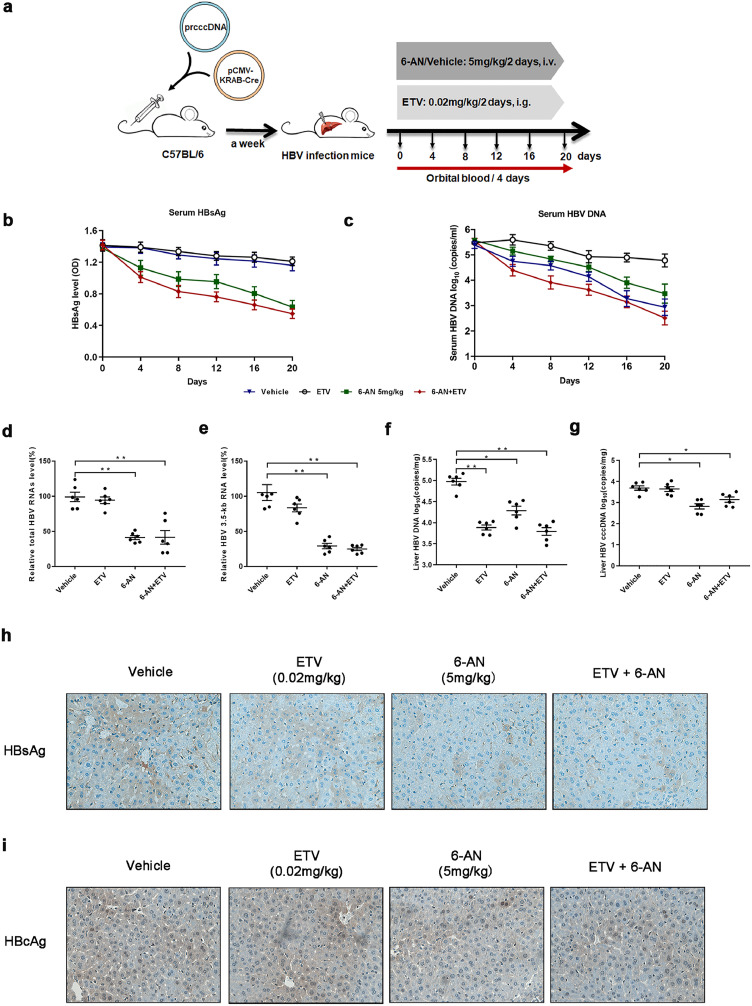
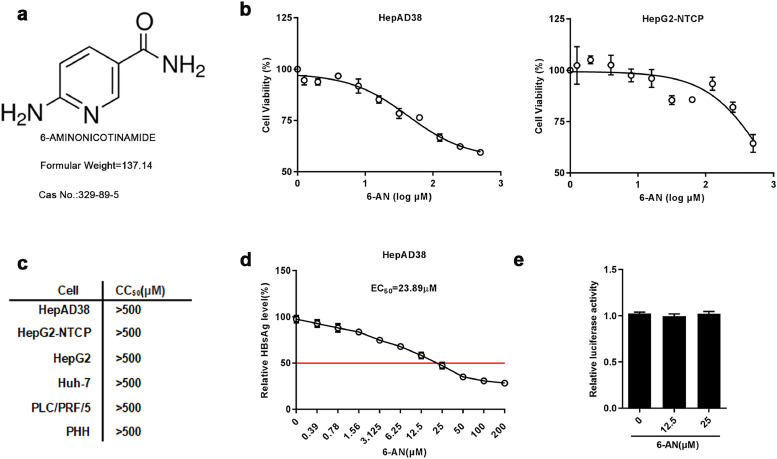
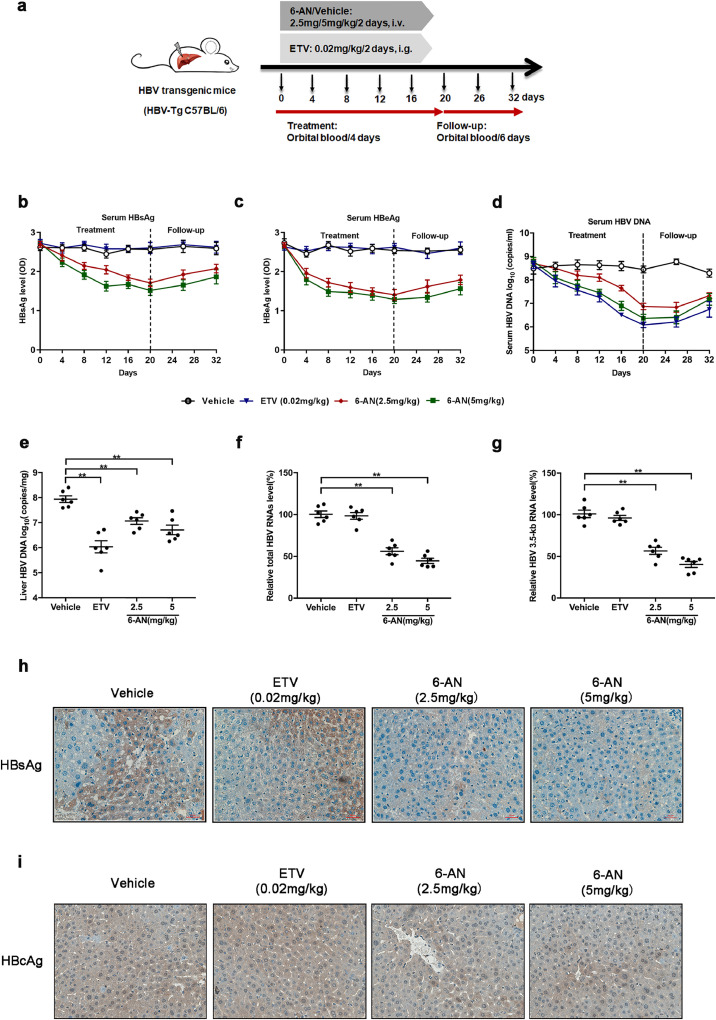
In this study, 6-AN was screened out from 1500 compounds due to its low cytotoxicity and high antiviral activity. The effect of 6-AN on HBV was examined in HepAD38, HepG2-NTCP and PHHs cells. In addition, the antivirus effect of 6-AN was also identified in mouse model.
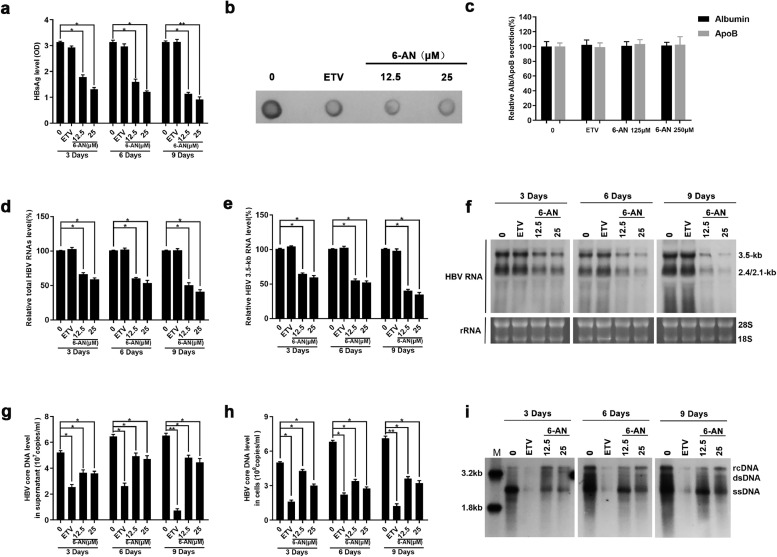
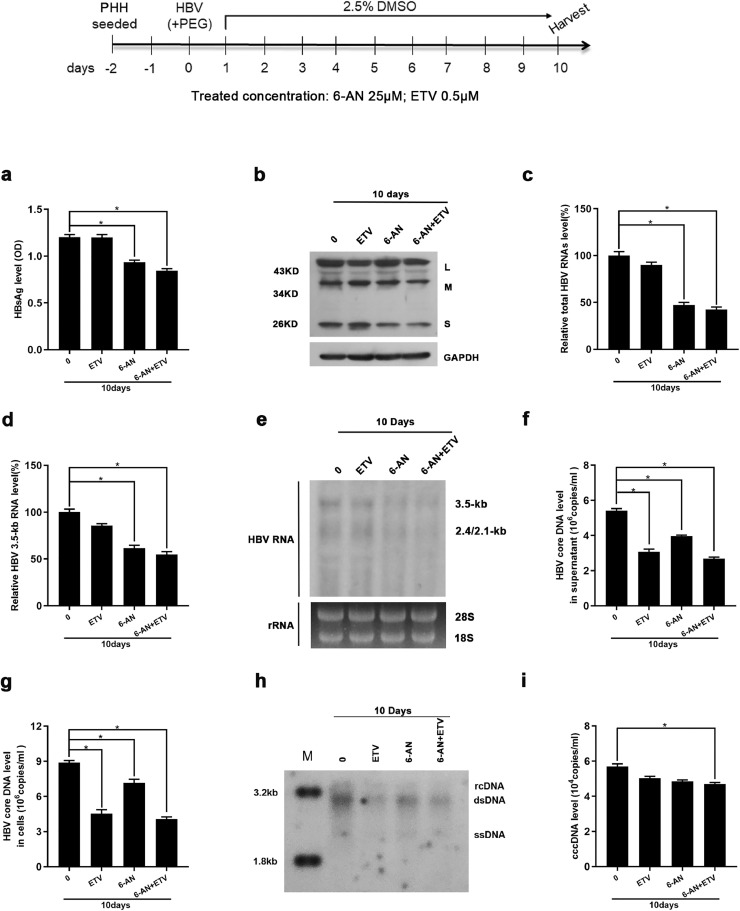
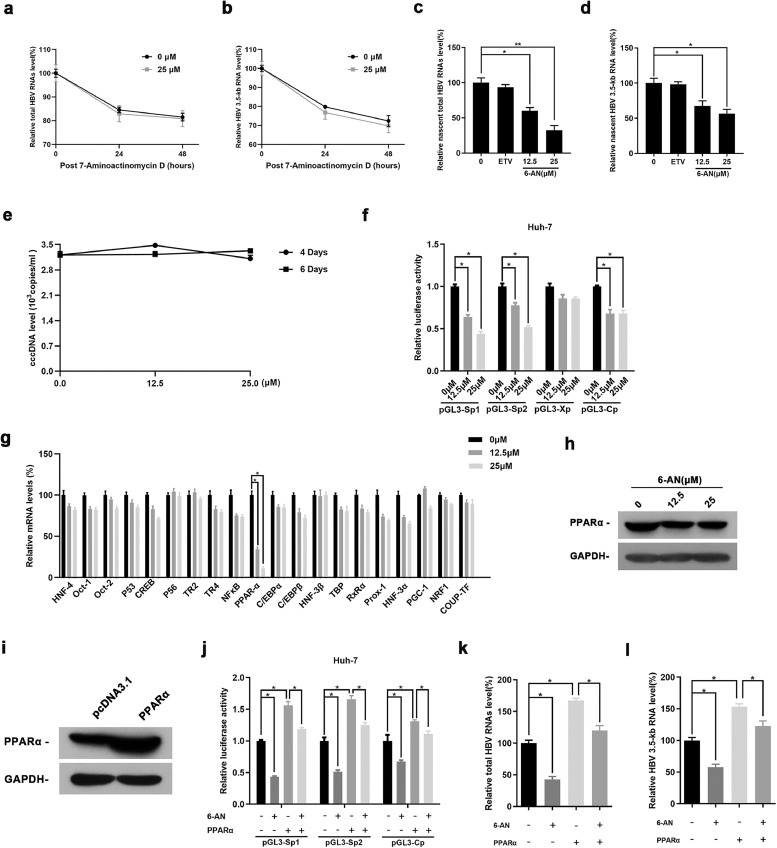
6-AN treatment resulted in a significant decrease of HBsAg and other viral markers both in vitro and in vivo. Furthermore, we found that 6-AN inhibited the activities of HBV SpI, SpII and core promoter by decreasing transcription factor PPARα, subsequently reduced HBV RNAs transcription and HBsAg production.
We have identified a novel small molecule to inhibit HBV core DNA, HBV RNAs, HBsAg production, as well as cccDNA to a minor degree both in vitro and in vivo. This study may shed light on the development of a novel class of anti-HBV agent.
乙肝表面抗原(HBsAg)是乙型肝炎病毒(HBV)感染诊断的重要临床指标之一,HBsAg 的持续血清转换是功能性治愈的指标。然而,干扰素和核苷类似物并不能有效地降低 HBsAg 的水平。因此,迫切需要鉴定针对 HBsAg 的新药。
本研究从 1500 种化合物中筛选出 6-AN,因其细胞毒性低、抗病毒活性高。在 HepAD38、HepG2-NTCP 和 PHHs 细胞中检测 6-AN 对 HBV 的作用。此外,还在小鼠模型中鉴定了 6-AN 的抗病毒作用。
6-AN 处理在体外和体内均显著降低了 HBsAg 和其他病毒标志物。此外,我们发现 6-AN 通过降低转录因子 PPARα 抑制 HBV SpI、SpII 和核心启动子的活性,从而减少 HBV RNAs 的转录和 HBsAg 的产生。
我们已经鉴定出一种新型小分子,可在体外和体内抑制 HBV 核心 DNA、HBV RNAs、HBsAg 的产生,以及 cccDNA 的微量产生。本研究可能为开发新型抗 HBV 药物提供思路。