Pederzoli Francesca, Ruozi Barbara, Duskey Jason, Hagmeyer Simone, Sauer Ann Katrin, Grabrucker Stefanie, Coelho Romina, Oddone Natalia, Ottonelli Ilaria, Daini Eleonora, Zoli Michele, Vandelli Maria Angela, Tosi Giovanni, Grabrucker Andreas M
Department of Life Sciences Te.Far.T.I. Research Center, University of Modena and Reggio Emilia, 41124 Modena, Italy.
Cellular Neurobiology and Neuro-Nanotechnology lab, Department of Biological Sciences, University of Limerick, Limerick, V94PH61, Ireland.
Pharmaceutics. 2019 Nov 1;11(11):572. doi: 10.3390/pharmaceutics11110572.
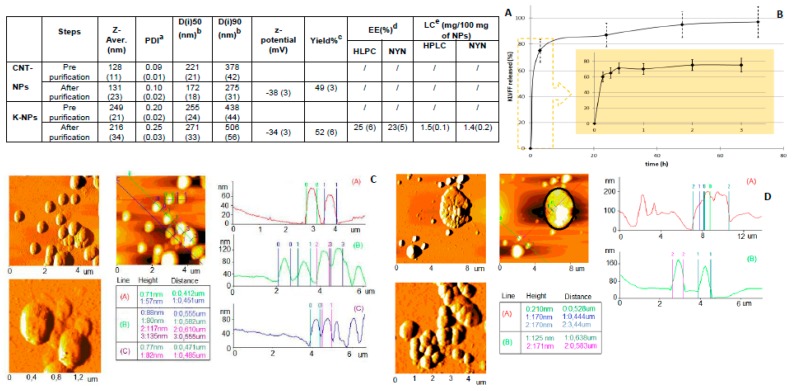
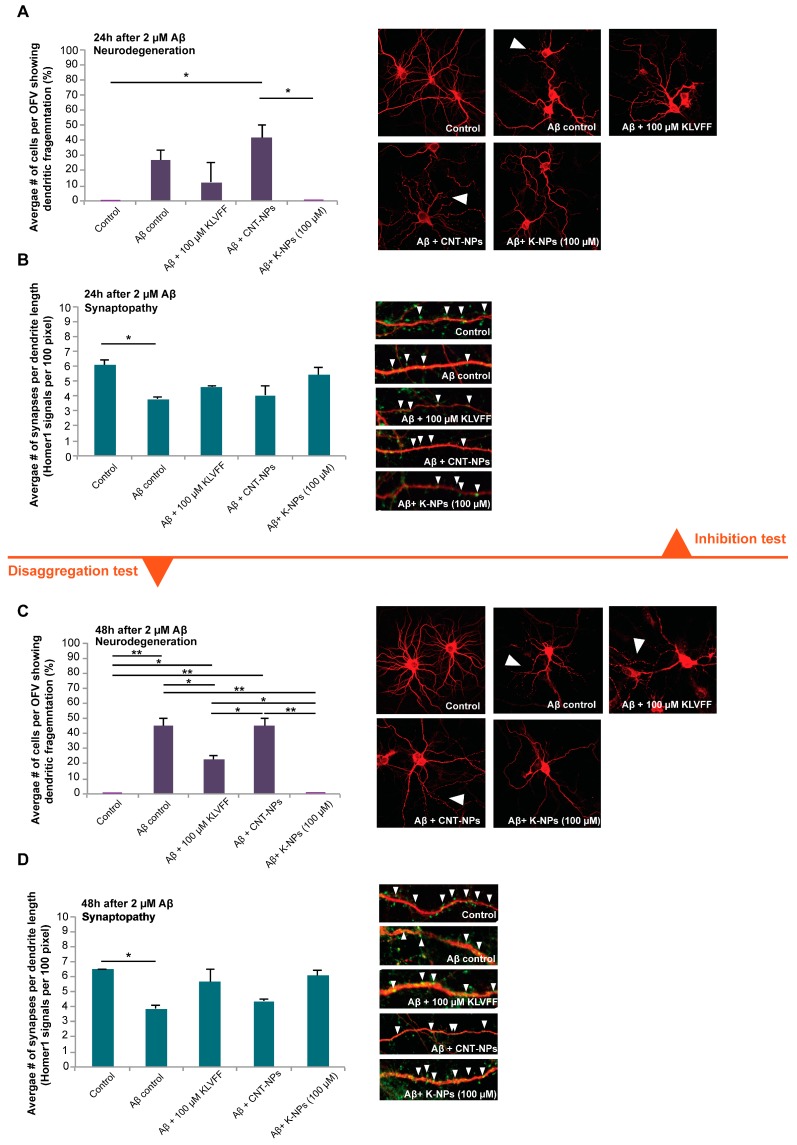
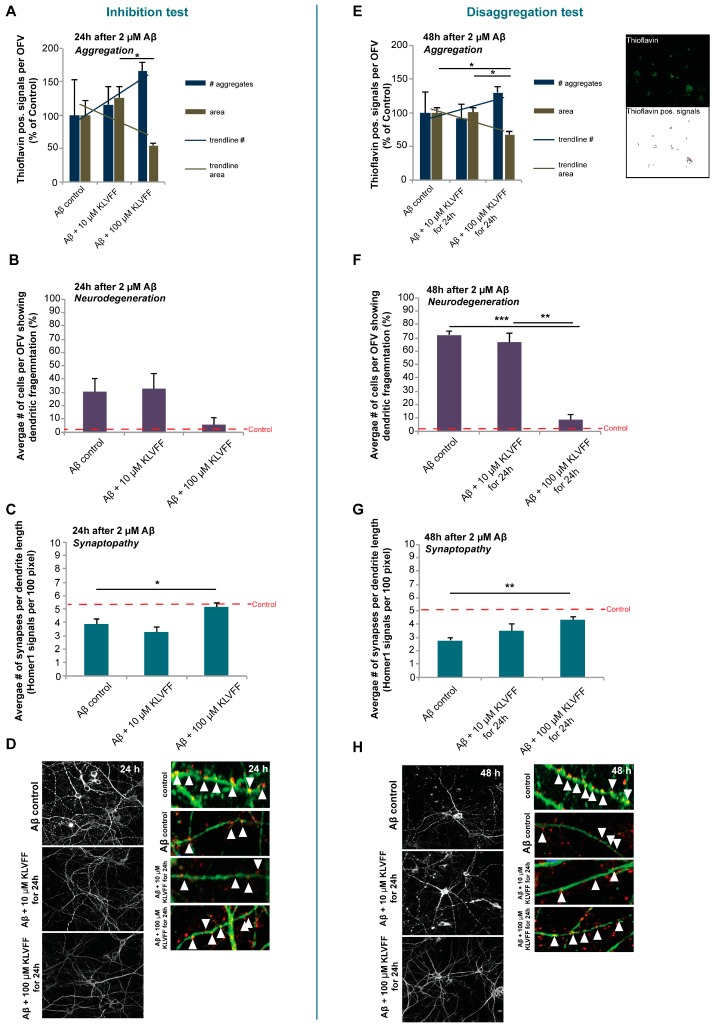
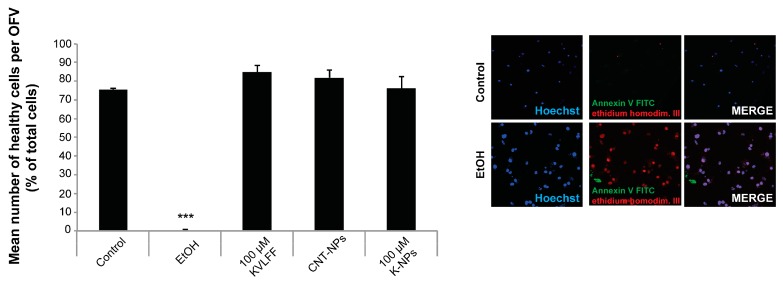
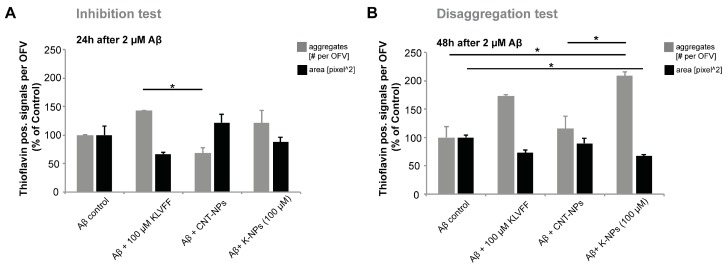
The accumulation of amyloid β (Aβ) triggers a cascade of toxic events in Alzheimer's disease (AD). The KLVFF peptide can interfere with Aβ aggregation. However, the peptide suffers from poor bioavailability and the inability to cross the blood-brain barrier. In this work, we study the possibility of adopting nanomedicine to overcome KLVFF limits in biodistribution. We produced new engineered polymeric nanoparticles (NPs), and we evaluated the cellular toxicity of these NPs and validated that KVLFF peptides released by NPs show the same promising effects on AD pathology. Our results revealed the successful generation of KVLFF loaded NPs that, without significant effects on cell heath, are even more potent in reversing Aβ-induced pathologies compared to the free peptide. Therefore, NPs will significantly advance KVLFF treatment as a therapeutic option for AD.
淀粉样蛋白β(Aβ)的积累会引发阿尔茨海默病(AD)中的一系列毒性事件。KLVFF肽可以干扰Aβ聚集。然而,该肽存在生物利用度差以及无法穿过血脑屏障的问题。在这项工作中,我们研究了采用纳米药物来克服KLVFF在生物分布方面的局限性的可能性。我们制备了新型工程化聚合物纳米颗粒(NPs),并评估了这些NPs的细胞毒性,验证了NPs释放的KVLFF肽对AD病理学表现出同样有前景的作用。我们的结果表明成功制备了负载KVLFF的NPs,其对细胞健康无显著影响,与游离肽相比,在逆转Aβ诱导的病理学方面甚至更有效。因此,NPs将显著推进KVLFF作为AD治疗选择的治疗应用。