Ditzinger Felix, Price Daniel J, Nair Anita, Becker-Baldus Johanna, Glaubitz Clemens, Dressman Jennifer B, Saal Christoph, Kuentz Martin
Department of Pharmaceutical Sciences, University of Basel, 4056 Basel, Switzerland.
Institute of Pharma Technology, University of Applied Sciences and Arts Northwestern Switzerland, 4132 Muttenz, Switzerland.
Pharmaceutics. 2019 Nov 4;11(11):577. doi: 10.3390/pharmaceutics11110577.
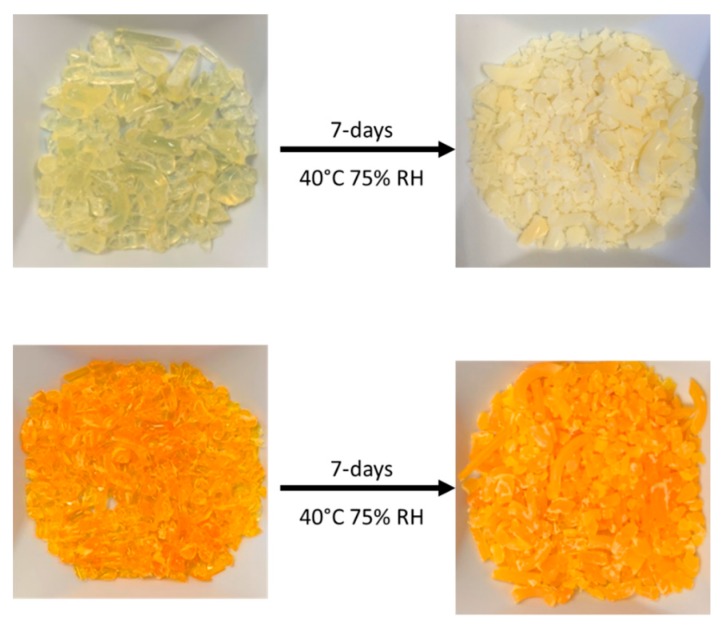
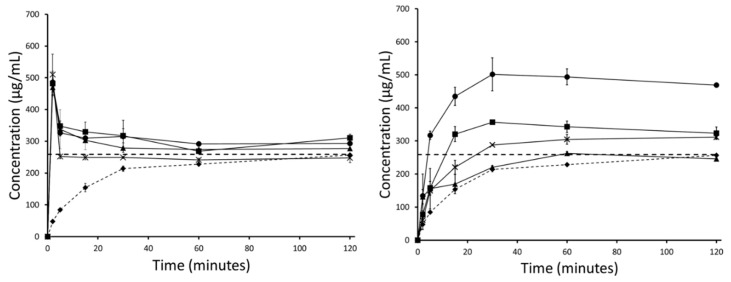
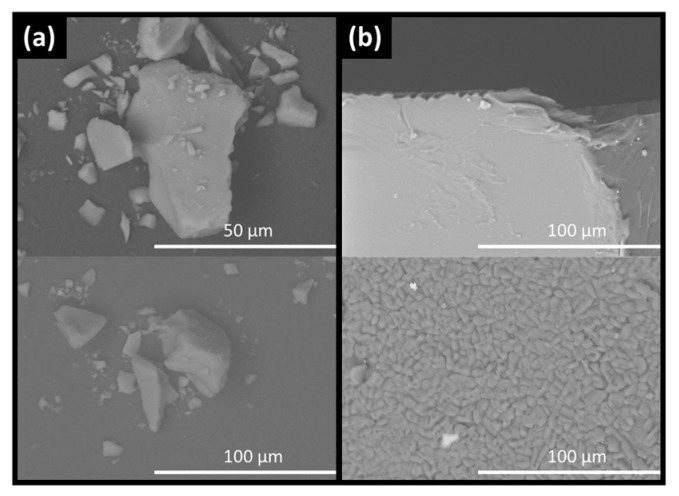
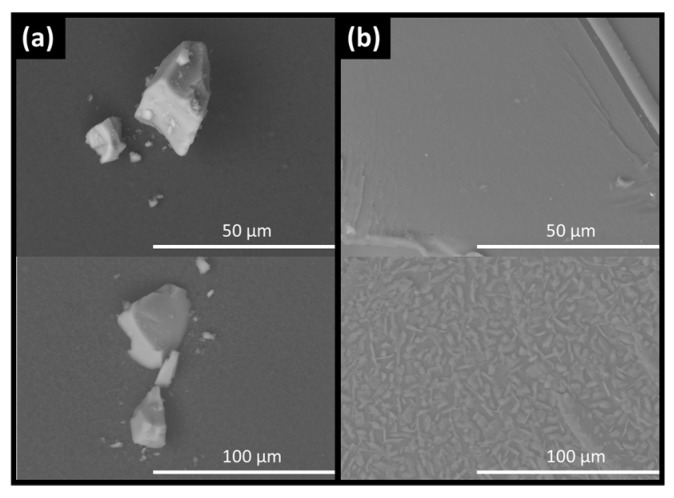
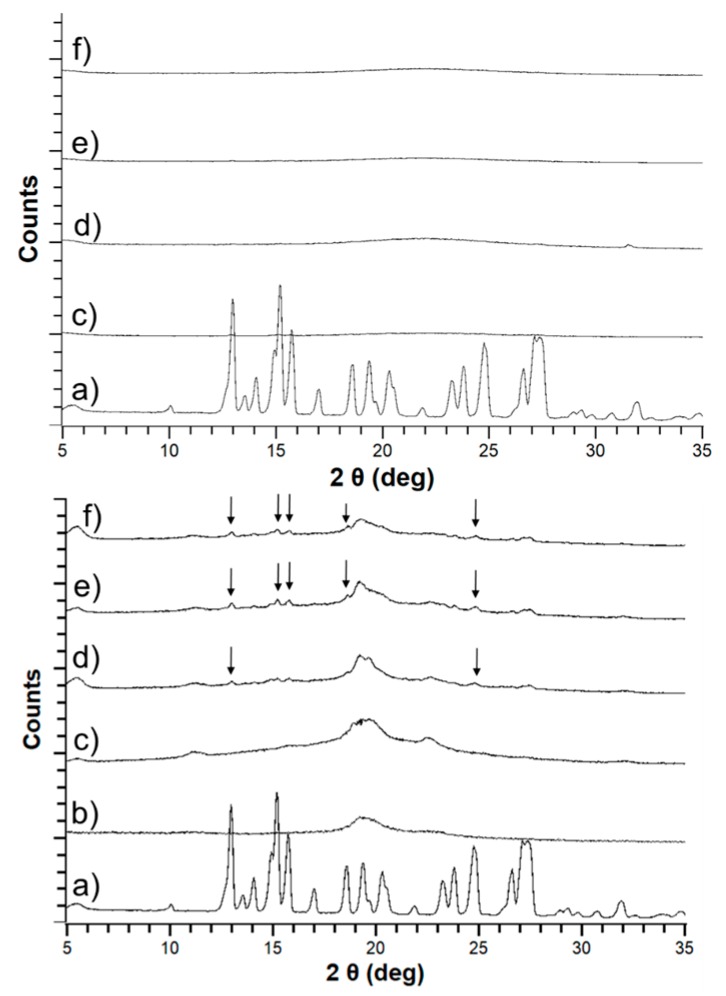
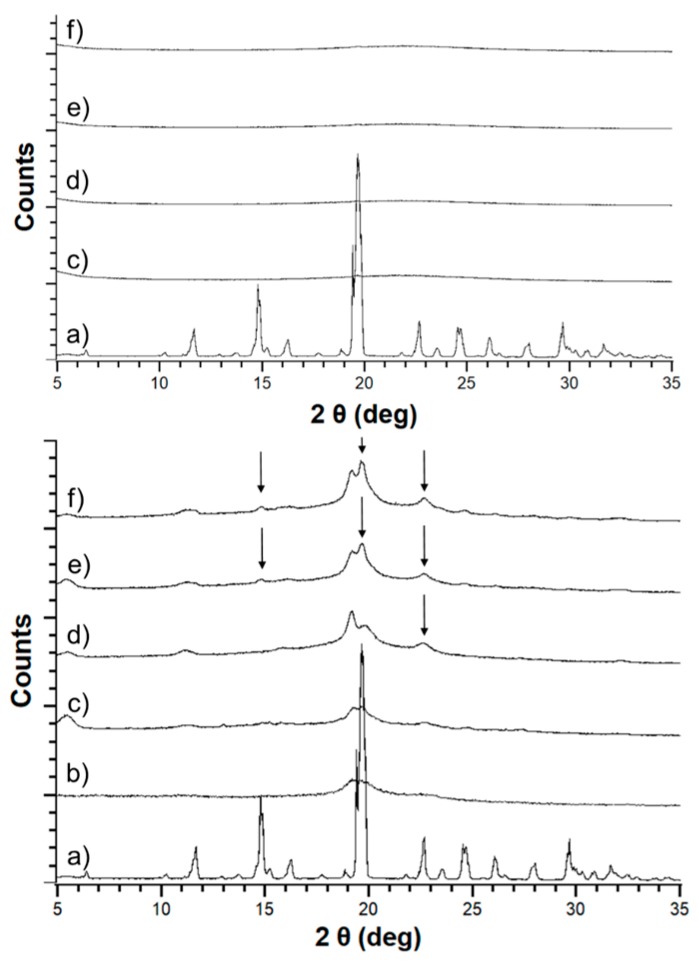
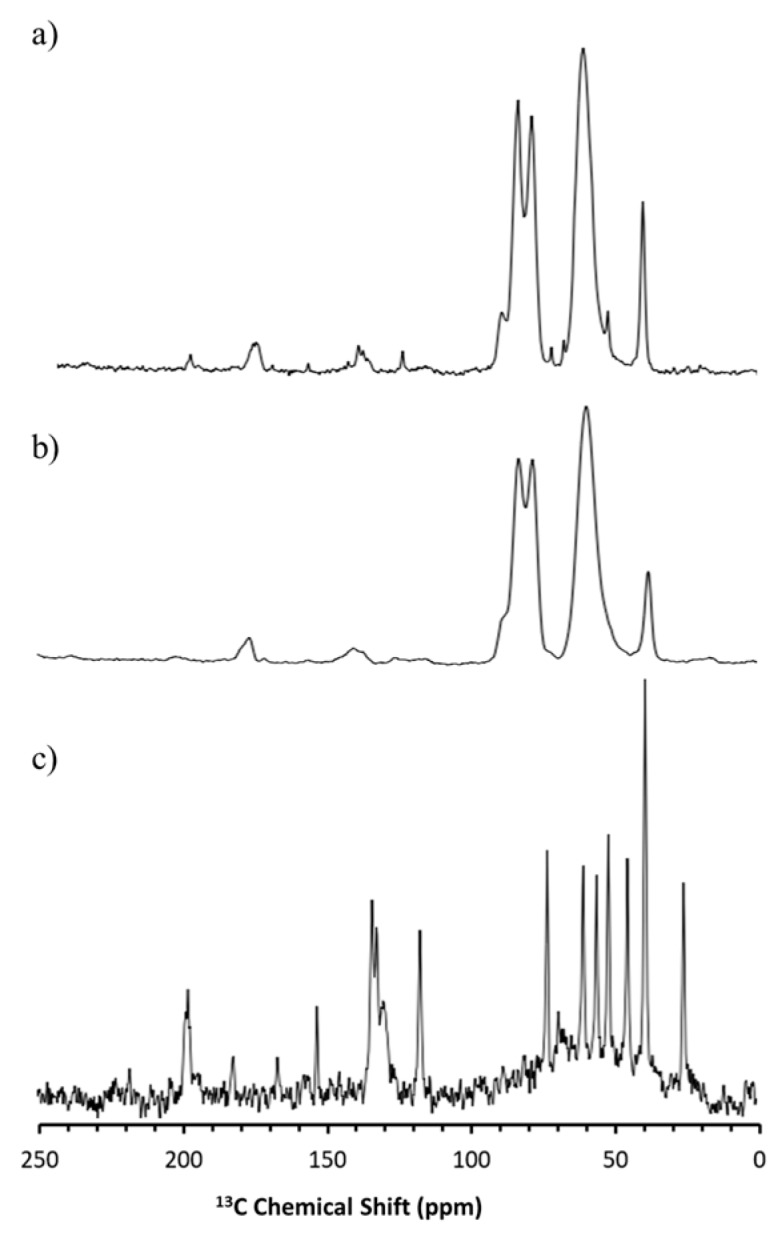
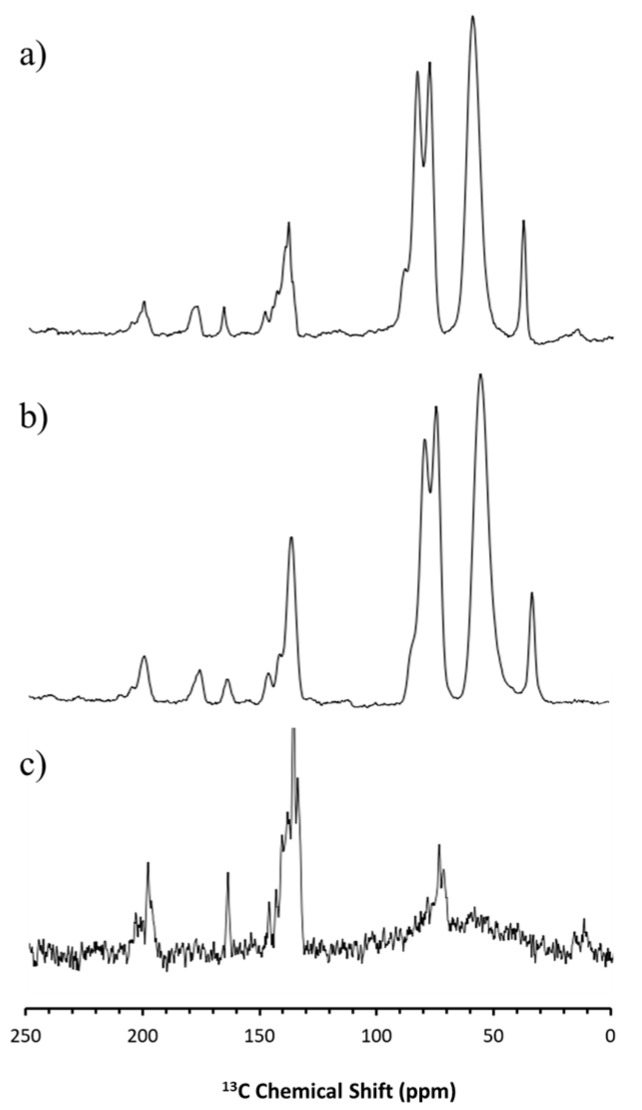
Amorphous formulation technologies to improve oral absorption of poorly soluble active pharmaceutical ingredients (APIs) have become increasingly prevalent. Currently, polymer-based amorphous formulations manufactured by spray drying, hot melt extrusion (HME), or co-precipitation are most common. However, these technologies have challenges in terms of the successful stabilization of poor glass former compounds in the amorphous form. An alternative approach is mesoporous silica, which stabilizes APIs in non-crystalline form via molecular adsorption inside nano-scale pores. In line with these considerations, two poor glass formers, haloperidol and carbamazepine, were formulated as polymer-based solid dispersion via HME and with mesoporous silica, and their stability was compared under accelerated conditions. Changes were monitored over three months with respect to solid-state form and dissolution. The results were supported by solid-state nuclear magnetic resonance spectroscopy (SS-NMR) and scanning electron microscopy (SEM). It was demonstrated that mesoporous silica was more successful than HME in the stabilization of the selected poor glass formers. While both drugs remained non-crystalline during the study using mesoporous silica, polymer-based HME formulations showed recrystallization after one week. Thus, mesoporous silica represents an attractive technology to extend the formulation toolbox to poorly soluble poor glass formers.
用于改善难溶性活性药物成分(API)口服吸收的无定形制剂技术已变得越来越普遍。目前,通过喷雾干燥、热熔挤出(HME)或共沉淀法制造的基于聚合物的无定形制剂最为常见。然而,这些技术在成功地将不良玻璃形成化合物稳定在无定形形式方面存在挑战。一种替代方法是介孔二氧化硅,它通过纳米级孔隙内的分子吸附将API稳定在非晶态形式。基于这些考虑,将两种不良玻璃形成剂氟哌啶醇和卡马西平通过HME制成基于聚合物的固体分散体,并与介孔二氧化硅一起使用,并在加速条件下比较它们的稳定性。在三个月内监测固态形式和溶解情况的变化。结果得到了固态核磁共振光谱(SS-NMR)和扫描电子显微镜(SEM)的支持。结果表明,在稳定所选的不良玻璃形成剂方面,介孔二氧化硅比HME更成功。在使用介孔二氧化硅的研究过程中,两种药物均保持非晶态,而基于聚合物的HME制剂在一周后出现了重结晶。因此,介孔二氧化硅是一种有吸引力的技术,可将制剂工具箱扩展到难溶性不良玻璃形成剂。