Qin Zhiqiang, Zhu Kai, Xue Jianxin, Cao Pu, Xu Luwei, Xu Zheng, Liang Kai, Zhu Jiageng, Jia Ruipeng
Department of Urology, Nanjing First Hospital, Nanjing Medical University, Nanjing 210006, China.
Department of Urology, The First Affiliated Hospital of Nanjing Medical University, Nanjing 210029, China.
Aging (Albany NY). 2019 Nov 5;11(21):9295-9309. doi: 10.18632/aging.102348.
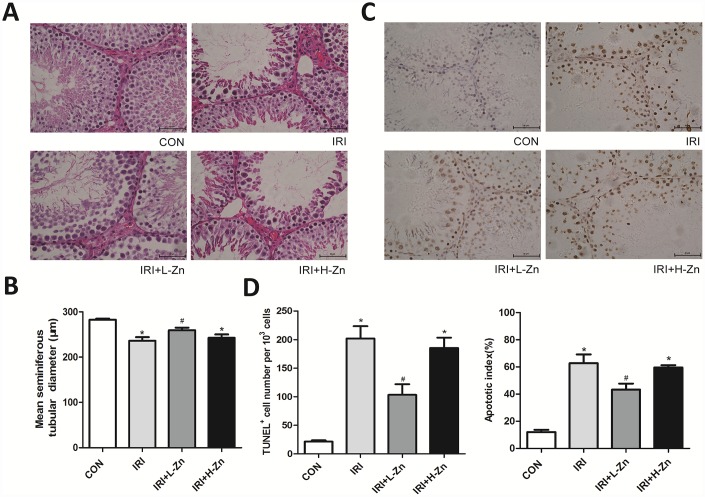
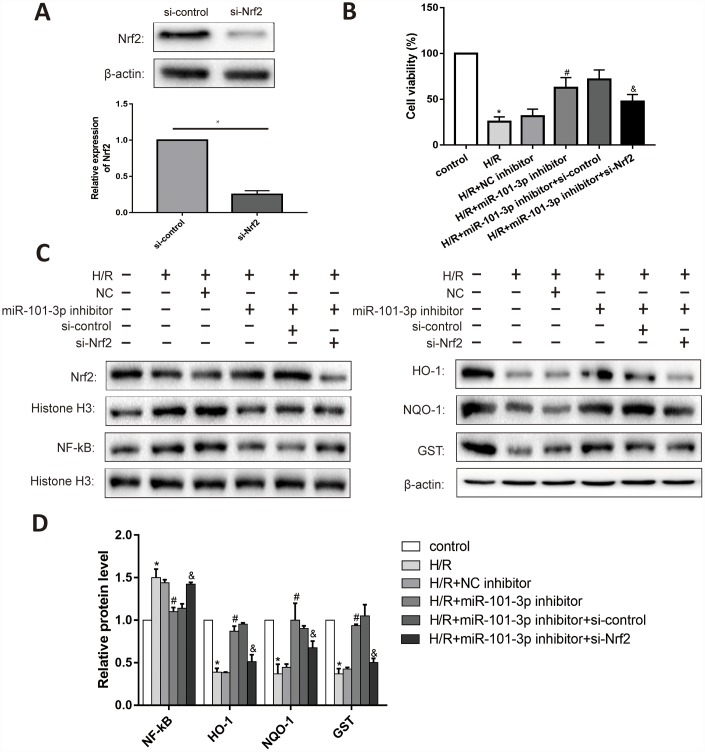
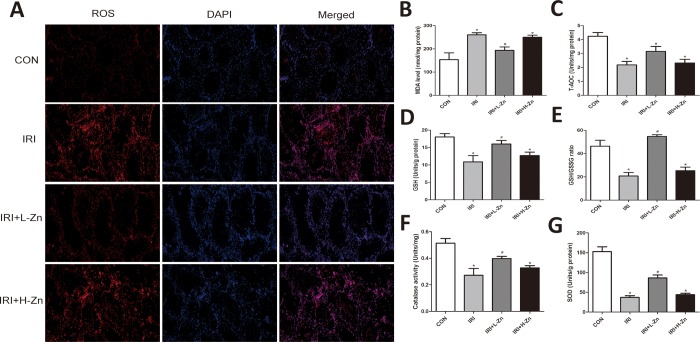
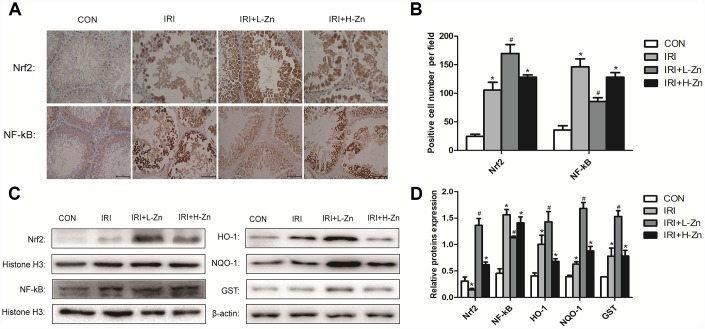
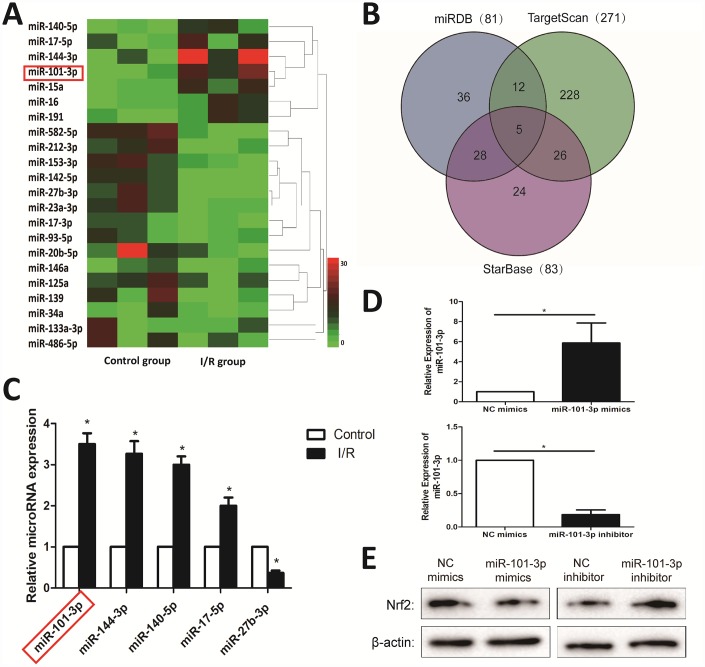
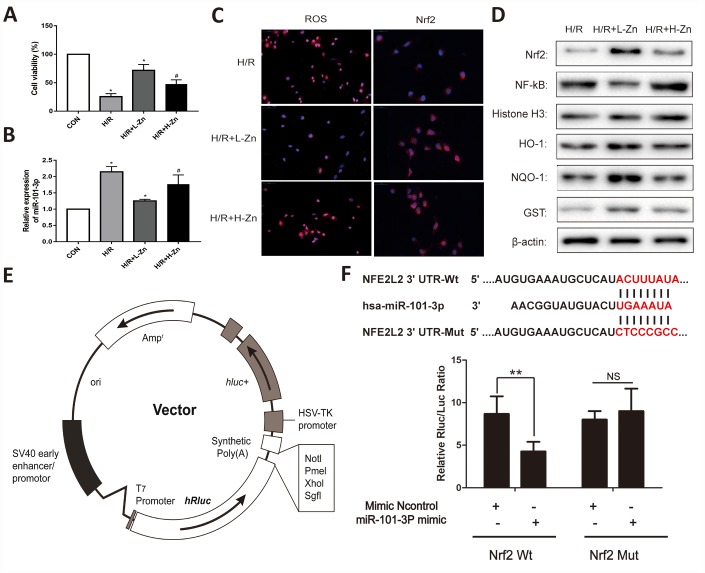
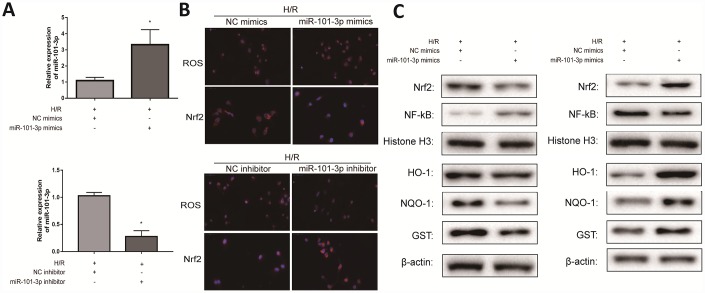
The present study was performed to determine the protective effect of Zinc on the rat testicular ischemia-reperfusion (I/R) injury and its mechanism. , the pathological changes and the apoptosis index were significantly relieved in the rats with Low-dose Zinc pretreatment, compared to the I/R group. After Low-dose Zinc treatment, the levels of tissue Malondialdehyde (MDA) were significantly decreased, while tissue antioxidant indices were significantly increased. Meanwhile, the level of NF-κB was significantly lower compared to I/R group, while the levels of Nrf2-dependent antioxidant enzymes were significantly higher in Low-dose Zinc+I/R group. , Low-dose Zinc markedly increased Leydig cell (TM3) cell viability, and relieved testicular oxidative damage via down-regulating ROS. A total of 22 differently expressed microRNAs were screened out using microRNA microarray in rat testicular tissue caused by I/R injury, especially showing that miR-101-3p was selected as the target miRNA. Furthermore, the levels of Nrf2 and NF-κB were apparently increased/decreased in TM3 cells treated with Hypoxic/Reoxygenation (H/R) after miR-101-3p mimics/inhibitor. In addition, H/R-induced testicular oxidative damage was recovered in TM3 administrated with miR-101-3p inhibitor and si-Nrf2. Therefore, this study provided a novel insight for investigating protective effect of Zinc on testicular I/R injury by promoting antioxidation via miR-101-3p/Nrf2.
本研究旨在确定锌对大鼠睾丸缺血再灌注(I/R)损伤的保护作用及其机制。与I/R组相比,低剂量锌预处理的大鼠病理变化和凋亡指数明显减轻。低剂量锌处理后,组织丙二醛(MDA)水平显著降低,而组织抗氧化指标显著升高。同时,与I/R组相比,低剂量锌+I/R组中NF-κB水平显著降低,而Nrf2依赖性抗氧化酶水平显著升高。此外,低剂量锌显著提高了睾丸间质细胞(TM3)的细胞活力,并通过下调活性氧(ROS)减轻了睾丸氧化损伤。利用miRNA芯片在I/R损伤所致大鼠睾丸组织中筛选出22种差异表达的微小RNA(microRNA),尤其表明miR-101-3p被选为靶标微小RNA。此外,在用miR-101-3p模拟物/抑制剂处理的缺氧/复氧(H/R)的TM3细胞中,Nrf2和NF-κB的水平明显升高/降低。此外,在用miR-101-3p抑制剂和si-Nrf2处理的TM3细胞中,H/R诱导的睾丸氧化损伤得到恢复。因此,本研究通过miR-101-3p/Nrf2促进抗氧化作用,为研究锌对睾丸I/R损伤的保护作用提供了新的见解。