Miyazawa Yuto, Briffod Fabien, Shiraiwa Takayuki, Enoki Manabu
Department of Materials Engineering, School of Engineering, The University of Tokyo, Tokyo 113-8656, Japan.
Materials (Basel). 2019 Nov 7;12(22):3668. doi: 10.3390/ma12223668.
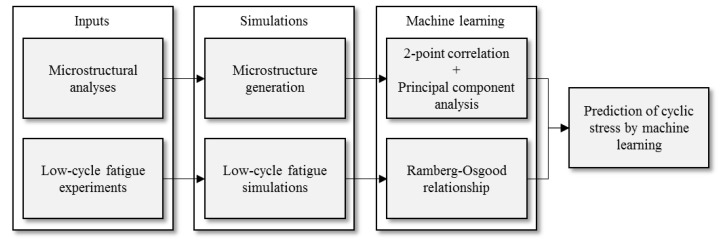
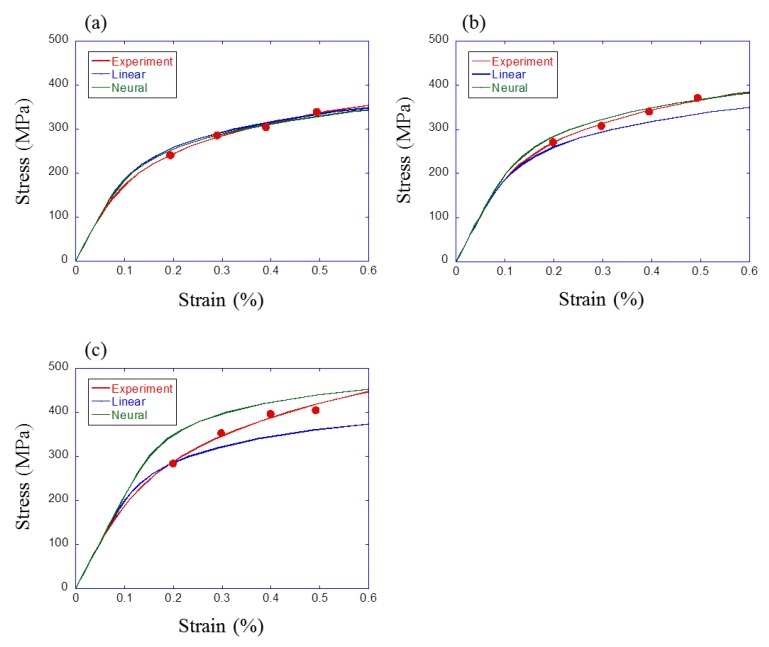
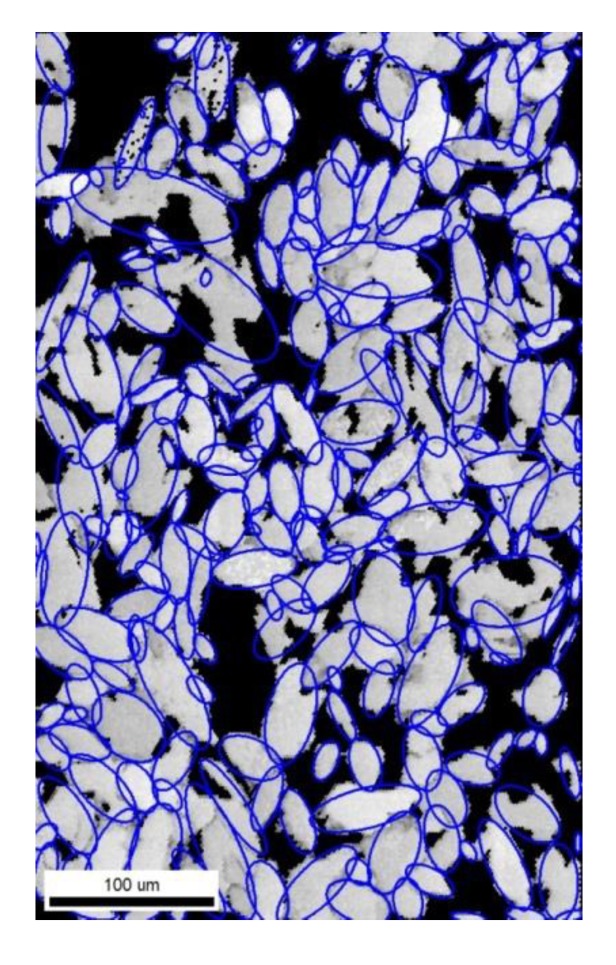
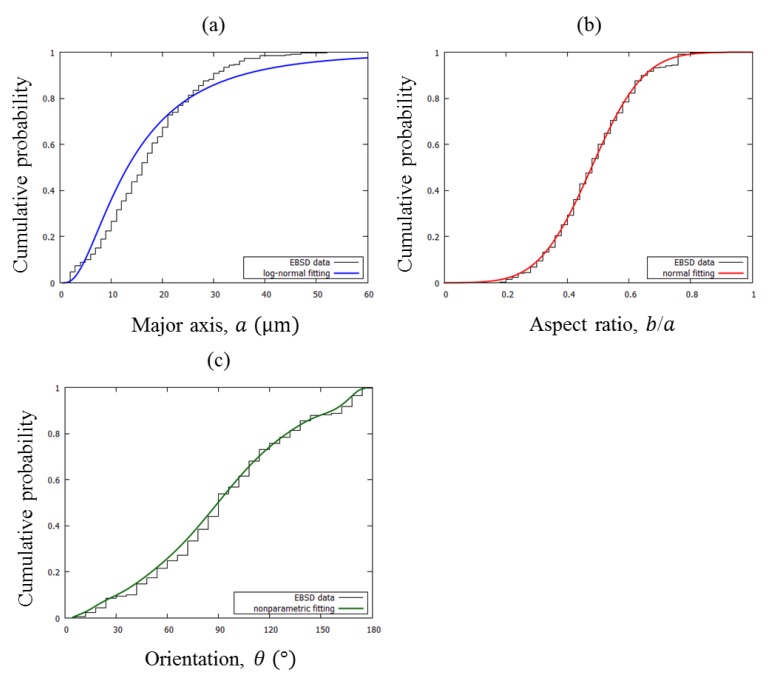
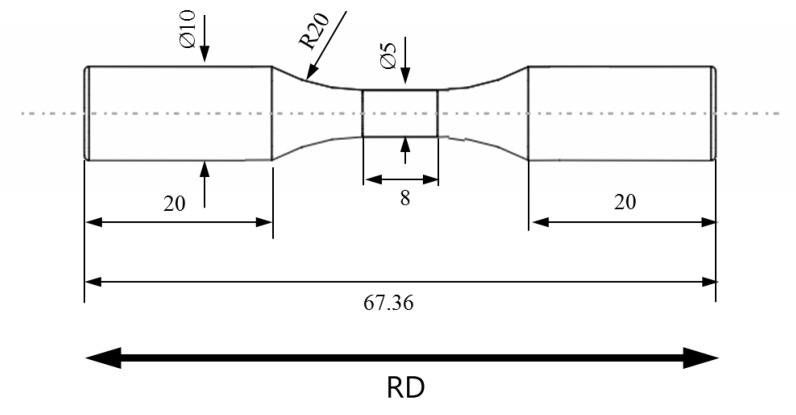
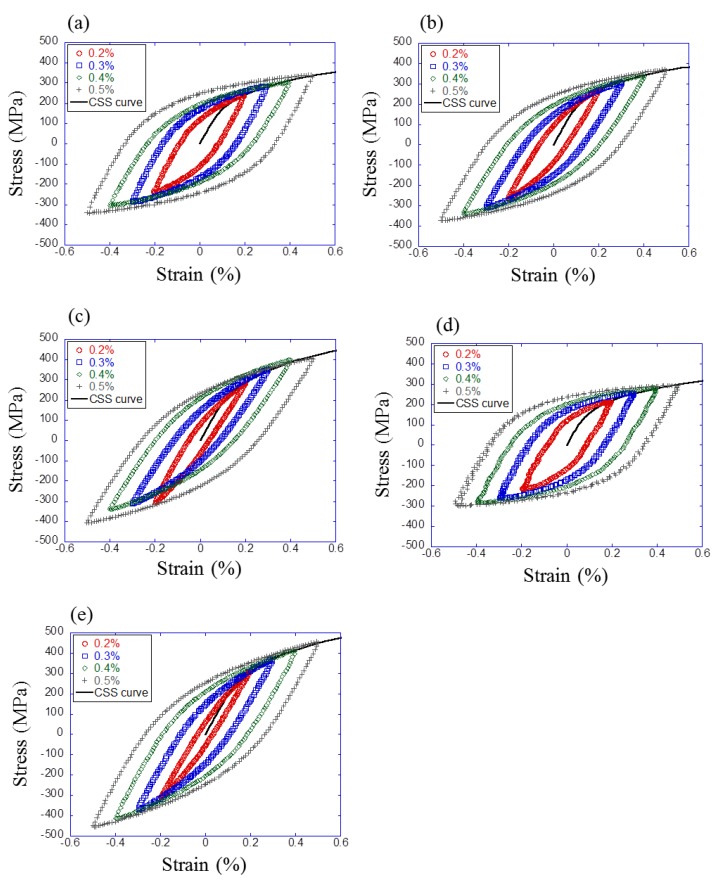
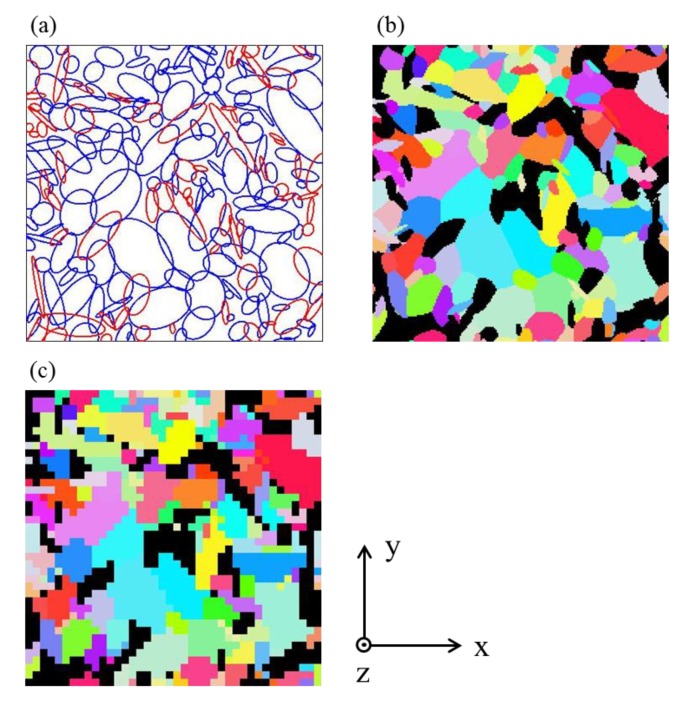
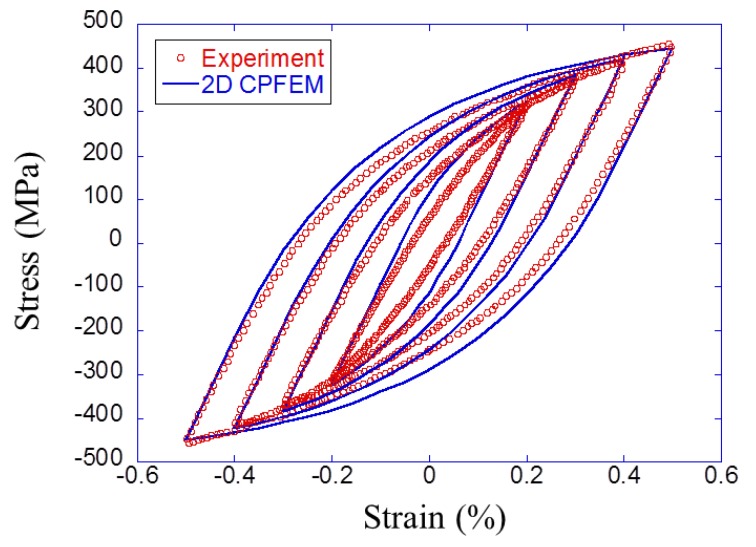
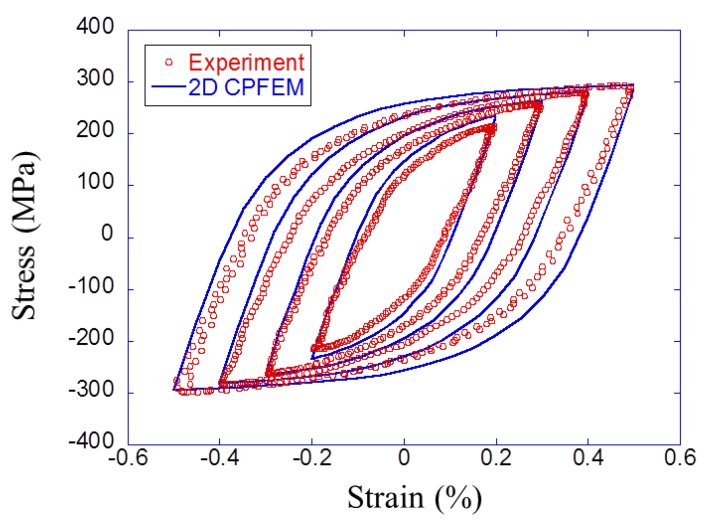
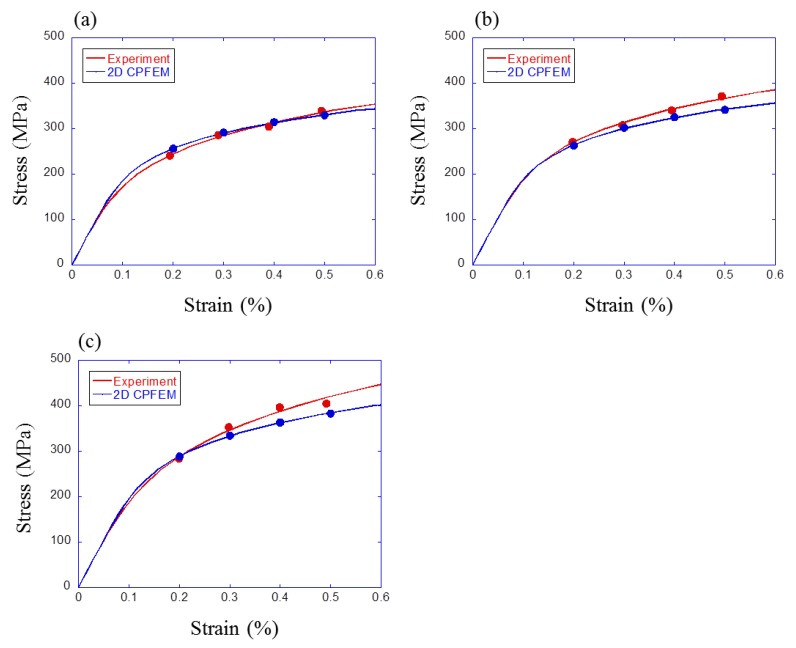
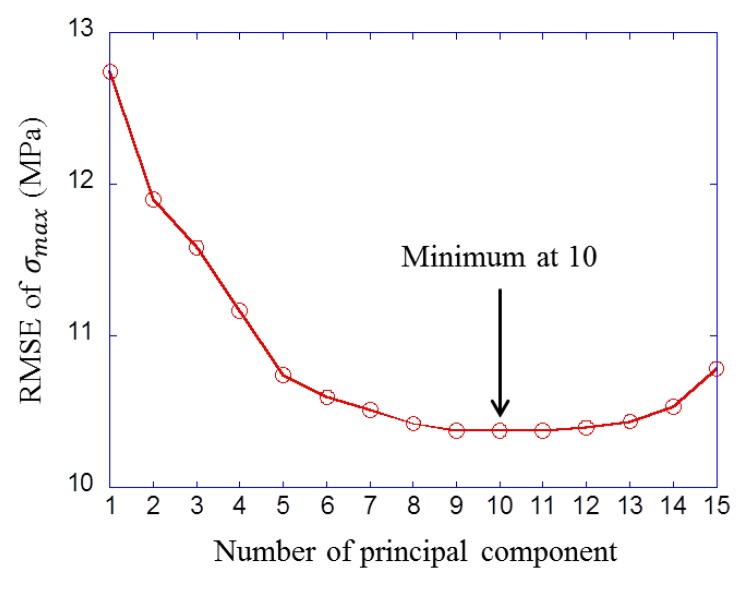
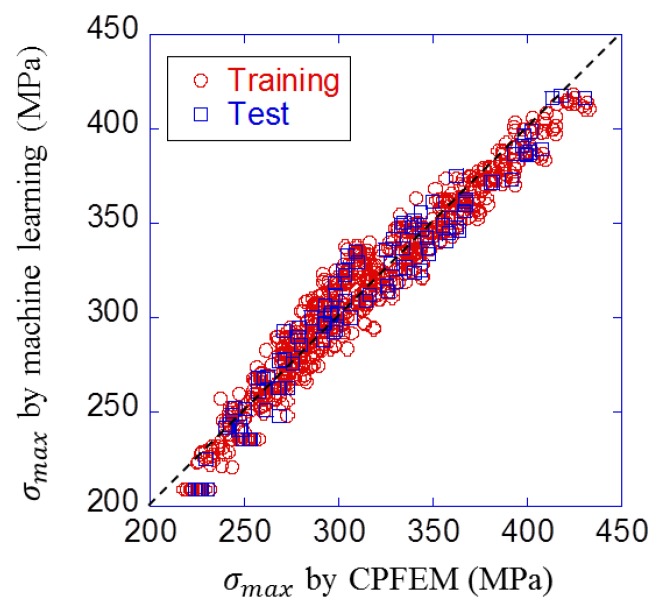
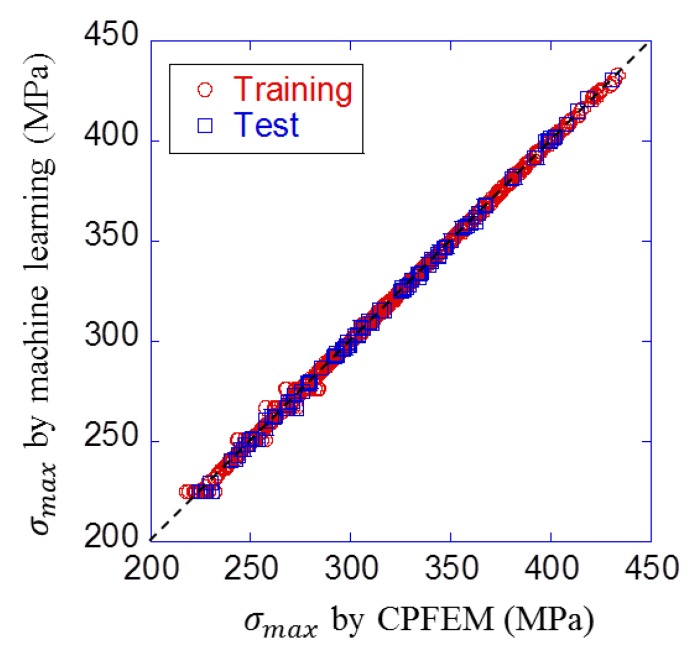
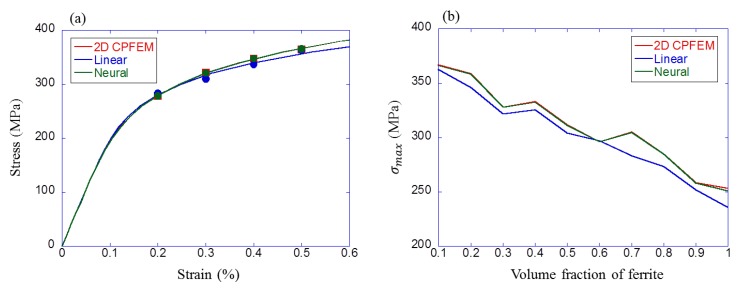
In this study, a method for the prediction of cyclic stress-strain properties of ferrite-pearlite steels was proposed. At first, synthetic microstructures were generated based on an anisotropic tessellation from the results of electron backscatter diffraction (EBSD) analyses. Low-cycle fatigue experiments under strain-controlled conditions were conducted in order to calibrate material property parameters for both an anisotropic crystal plasticity and an isotropic model. Numerical finite element simulations were conducted using these synthetic microstructures and material properties based on experimental results, and cyclic stress-strain properties were calculated. Then, two-point correlations of synthetic microstructures were calculated to quantify the microstructures. The microstructure-property dataset was obtained by associating a two-point correlation and calculated cyclic stress-strain property. Machine learning, such as a linear regression model and neural network, was conducted using the dataset. Finally, cyclic stress-strain properties were predicted from the result of EBSD analysis using the obtained machine learning model and were compared with the results of the low-cycle fatigue experiments.
在本研究中,提出了一种预测铁素体-珠光体钢循环应力-应变特性的方法。首先,根据电子背散射衍射(EBSD)分析结果,基于各向异性镶嵌生成合成微观结构。为了校准各向异性晶体塑性模型和各向同性模型的材料性能参数,进行了应变控制条件下的低周疲劳试验。基于实验结果,使用这些合成微观结构和材料性能进行数值有限元模拟,并计算循环应力-应变特性。然后,计算合成微观结构的两点相关性以量化微观结构。通过将两点相关性与计算得到的循环应力-应变特性相关联,获得微观结构-性能数据集。使用该数据集进行机器学习,如线性回归模型和神经网络。最后,使用获得的机器学习模型根据EBSD分析结果预测循环应力-应变特性,并与低周疲劳试验结果进行比较。