Denver Paul, D'Adamo Heather, Hu Shuxin, Zuo Xiaohong, Zhu Cansheng, Okuma Chihiro, Kim Peter, Castro Daniel, Jones Mychica R, Leal Carmen, Mekkittikul Marisa, Ghadishah Elham, Teter Bruce, Vinters Harry V, Cole Gregory Michael, Frautschy Sally A
Department of Neurology, David Geffen School of Medicine, University of California, Los Angeles, Los Angeles, CA, United States.
Veterans Affairs Greater Los Angeles Healthcare System, Los Angeles, CA, United States.
Front Physiol. 2019 Oct 24;10:1269. doi: 10.3389/fphys.2019.01269. eCollection 2019.
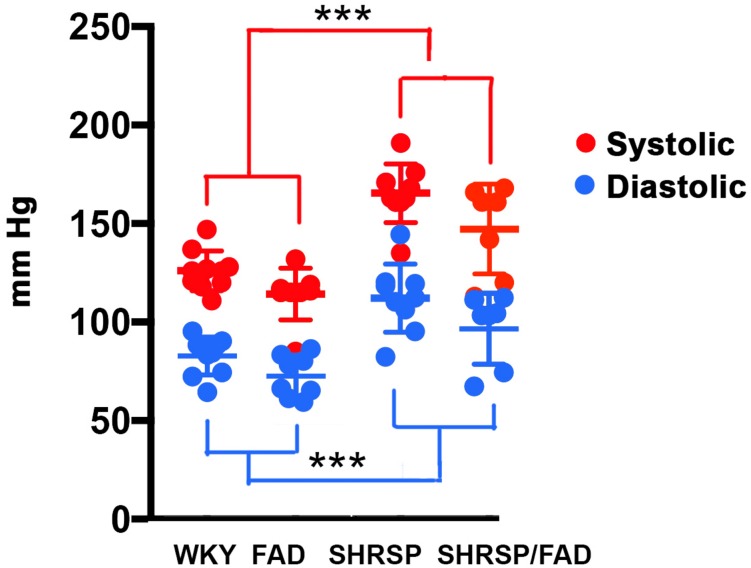
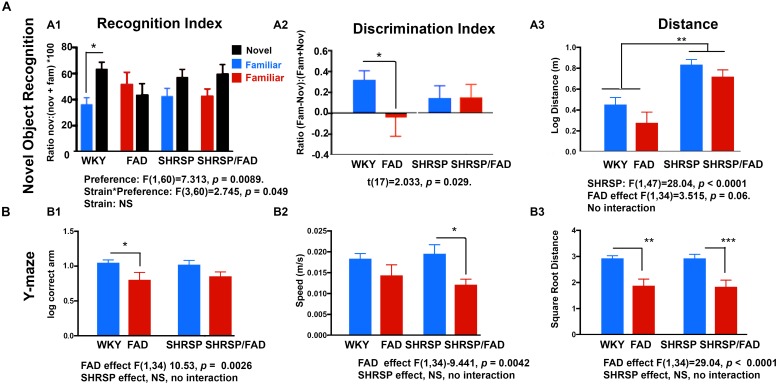
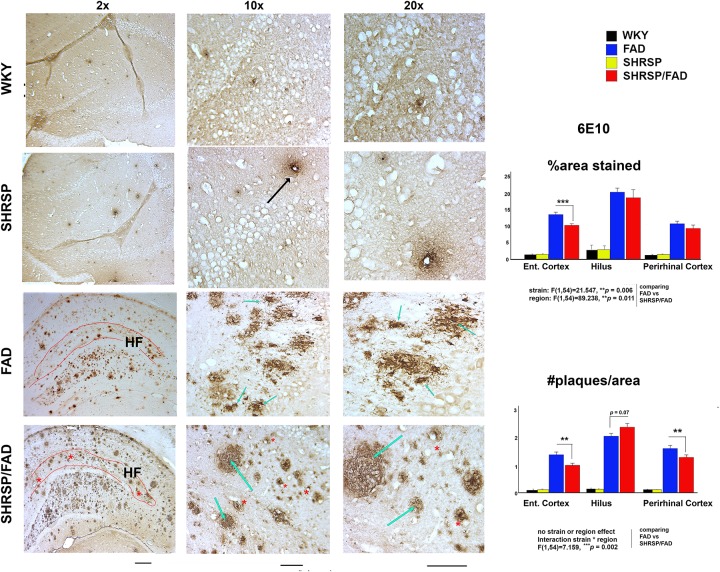
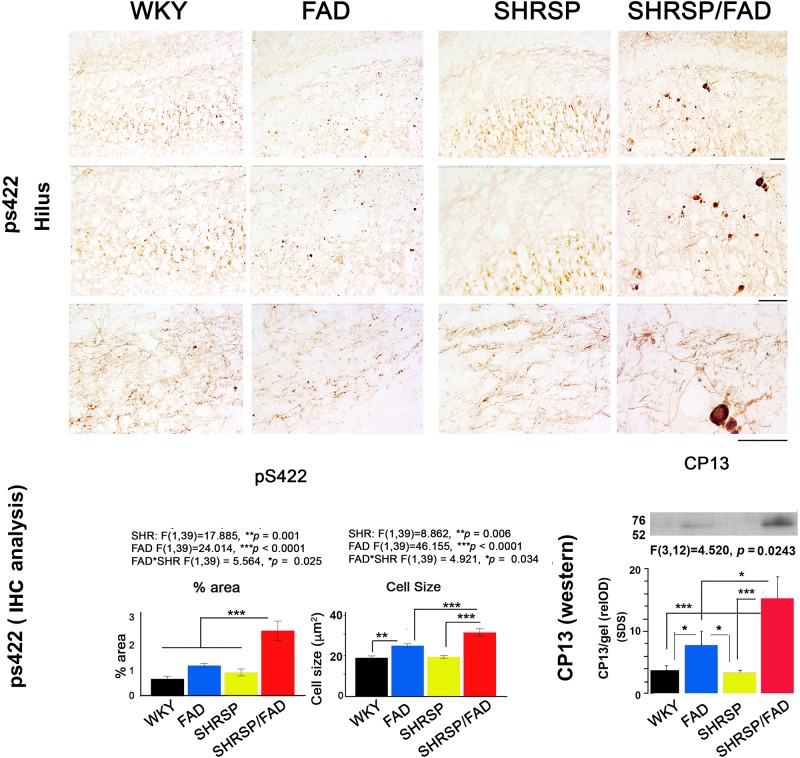
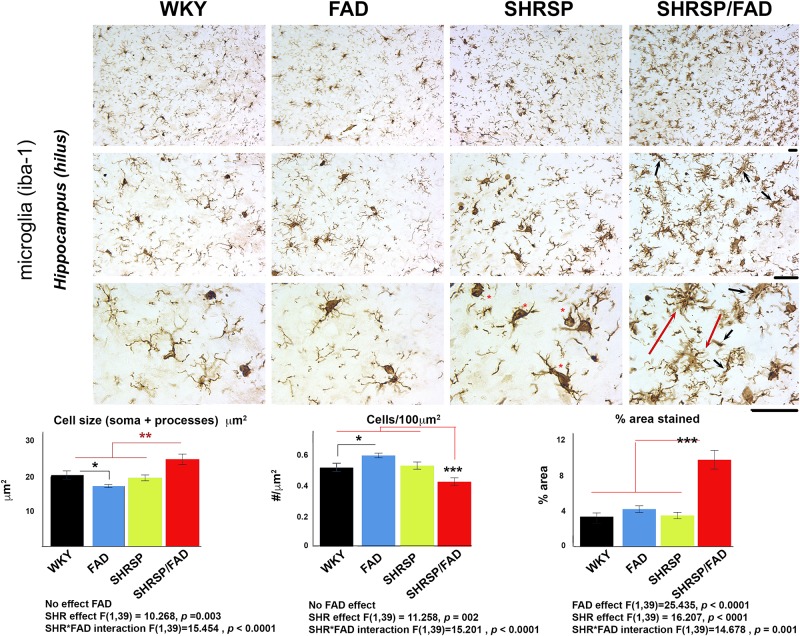
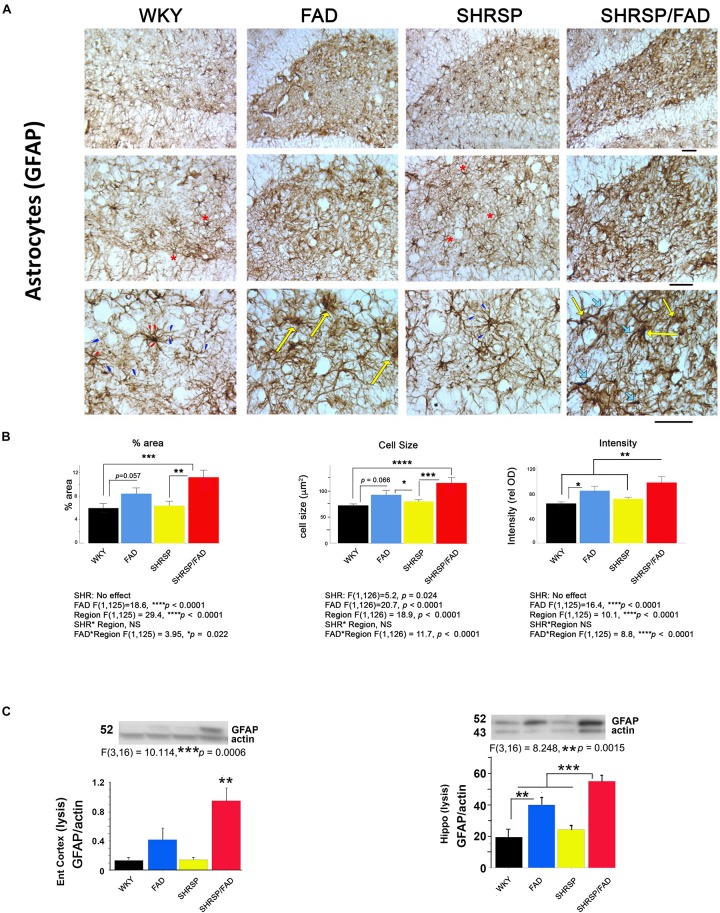
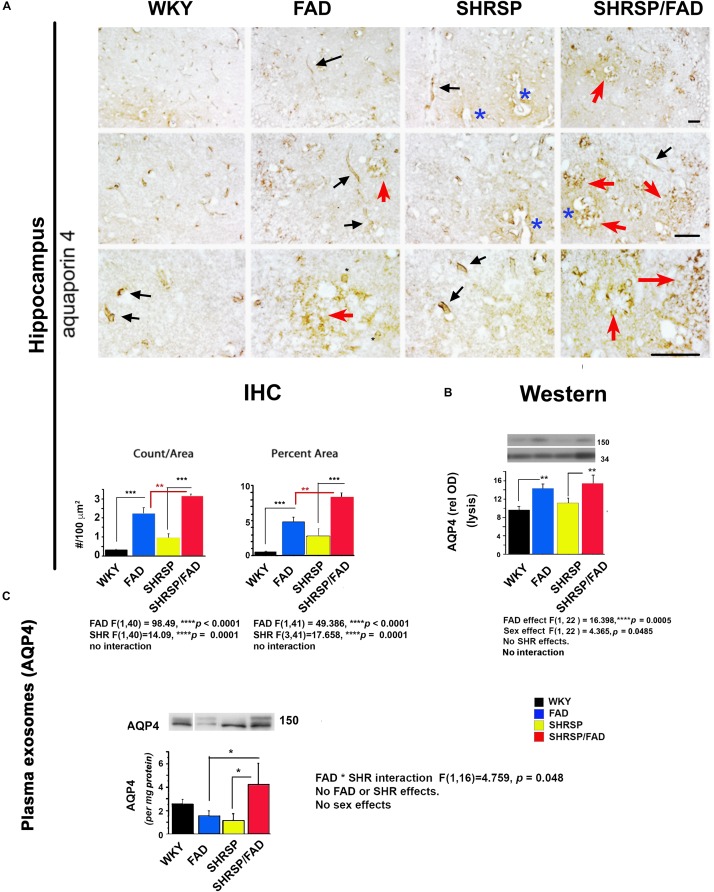
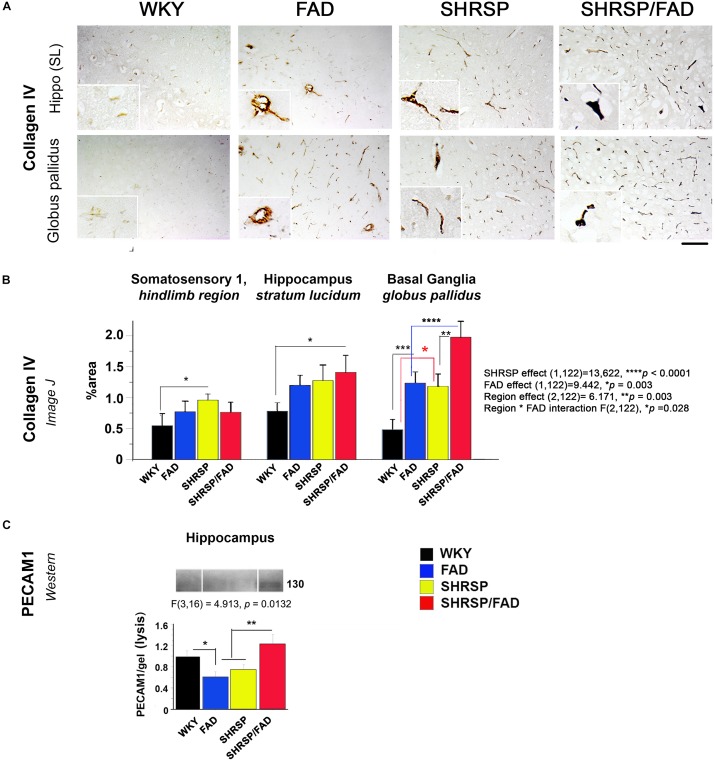
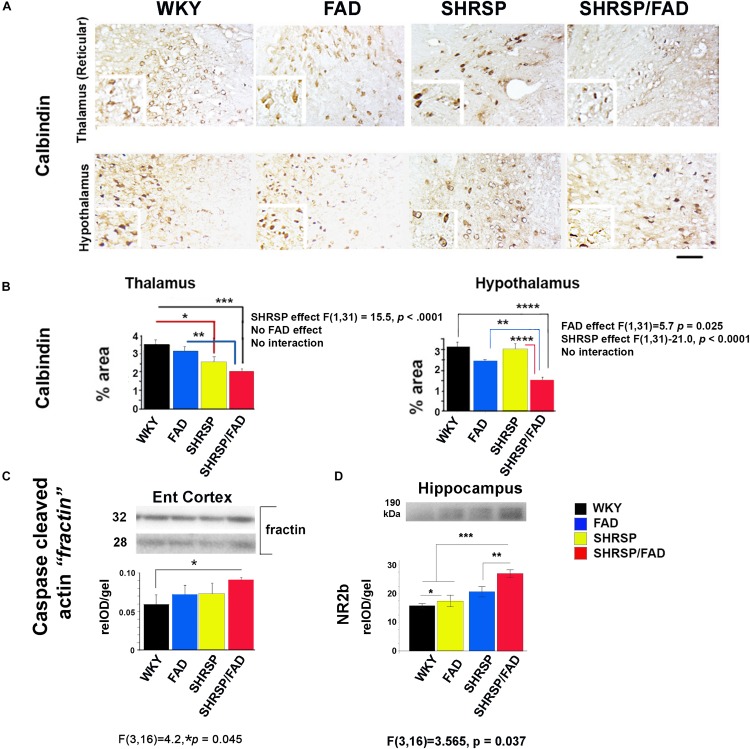
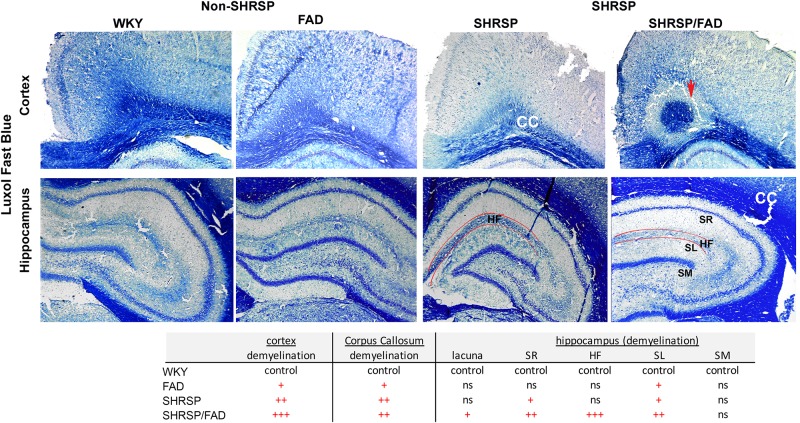
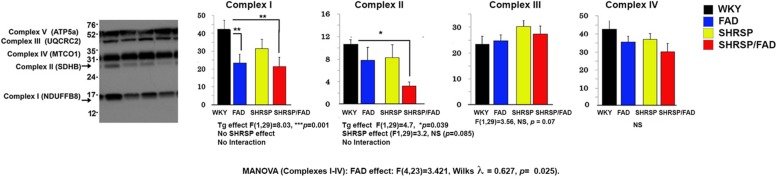
Alzheimer's disease (AD) and mixed dementia (MxD) comprise the majority of dementia cases in the growing global aging population. MxD describes the coexistence of AD pathology with vascular pathology, including cerebral small vessel disease (SVD). Cardiovascular disease increases risk for AD and MxD, but mechanistic synergisms between the coexisting pathologies affecting dementia risk, progression and the ultimate clinical manifestations remain elusive. To explore the additive or synergistic interactions between AD and chronic hypertension, we developed a rat model of MxD, produced by breeding APPswe/PS1ΔE9 transgenes into the stroke-prone spontaneously hypertensive rat (SHRSP) background, resulting in the SHRSP/FAD model and three control groups (FAD, SHRSP and non-hypertensive WKY rats, = 8-11, both sexes, 16-18 months of age). After behavioral testing, rats were euthanized, and tissue assessed for vascular, neuroinflammatory and AD pathology. Hypertension was preserved in the SHRSP/FAD cross. Results showed that SHRSP increased FAD-dependent neuroinflammation (microglia and astrocytes) and tau pathology, but plaque pathology changes were subtle, including fewer plaques with compact cores and slightly reduced plaque burden. Evidence for vascular pathology included a change in the distribution of astrocytic end-foot protein aquaporin-4, normally distributed in microvessels, but in SHRSP/FAD rats largely dissociated from vessels, appearing disorganized or redistributed into neuropil. Other evidence of SVD-like pathology included increased collagen IV staining in cerebral vessels and PECAM1 levels. We identified a plasma biomarker in SHRSP/FAD rats that was the only group to show increased Aqp-4 in plasma exosomes. Evidence of neuron damage in SHRSP/FAD rats included increased caspase-cleaved actin, loss of myelin and reduced calbindin staining in neurons. Further, there were mitochondrial deficits specific to SHRSP/FAD, notably the loss of complex II, accompanying FAD-dependent loss of mitochondrial complex I. Cognitive deficits exhibited by FAD rats were not exacerbated by the introduction of the SHRSP phenotype, nor was the hyperactivity phenotype associated with SHRSP altered by the FAD transgene. This novel rat model of MxD, encompassing an amyloidogenic transgene with a hypertensive phenotype, exhibits several features associated with human vascular or "mixed" dementia and may be a useful tool in delineating the pathophysiology of MxD and development of therapeutics.
在全球老龄化人口不断增长的情况下,阿尔茨海默病(AD)和混合性痴呆(MxD)构成了大多数痴呆病例。MxD描述了AD病理学与血管病理学的共存,包括脑小血管疾病(SVD)。心血管疾病会增加患AD和MxD的风险,但影响痴呆风险、进展和最终临床表现的共存病理学之间的机制协同作用仍然难以捉摸。为了探索AD与慢性高血压之间的相加或协同相互作用,我们构建了一种MxD大鼠模型,方法是将APPswe/PS1ΔE9转基因培育到易中风自发性高血压大鼠(SHRSP)背景中,从而得到SHRSP/FAD模型和三个对照组(FAD、SHRSP和非高血压WKY大鼠,每组n = 8 - 11只,雌雄均有,16 - 18月龄)。行为测试后,对大鼠实施安乐死,并对组织进行血管、神经炎症和AD病理学评估。SHRSP/FAD杂交后代中保留了高血压特征。结果显示,SHRSP增加了FAD依赖的神经炎症(小胶质细胞和星形胶质细胞)和tau病理学改变,但斑块病理学变化较为细微,包括具有紧密核心的斑块数量减少以及斑块负担略有减轻。血管病理学证据包括星形胶质细胞终足蛋白水通道蛋白4分布的改变,该蛋白通常分布在微血管中,但在SHRSP/FAD大鼠中与血管大量分离,呈现出无序状态或重新分布到神经毡中。其他类似SVD病理学的证据包括脑血管中IV型胶原蛋白染色增加和PECAM1水平升高。我们在SHRSP/FAD大鼠中鉴定出一种血浆生物标志物,该组是唯一显示血浆外泌体中Aqp - 4增加的组。SHRSP/FAD大鼠神经元损伤的证据包括半胱天冬酶切割的肌动蛋白增加、髓鞘丢失以及神经元中钙结合蛋白染色减少。此外,SHRSP/FAD存在特定的线粒体缺陷,尤其是II型复合物的丢失,同时伴有FAD依赖的线粒体I型复合物的丢失。FAD大鼠表现出的认知缺陷并未因引入SHRSP表型而加剧,SHRSP相关的多动表型也未因FAD转基因而改变。这种新的MxD大鼠模型包含一个具有高血压表型的淀粉样蛋白生成转基因,表现出一些与人类血管性或“混合性”痴呆相关的特征,可能是描绘MxD病理生理学和开发治疗方法的有用工具。