Department of Ophthalmology, Advanced Eye Centre, Postgraduate Institute of Medical Education & Research, Chandigarh, India.
Postgraduate Institute of Medical Education & Research, Chandigarh, India.
Indian J Med Res. 2019 Sep;150(3):228-238. doi: 10.4103/ijmr.IJMR_1210_17.
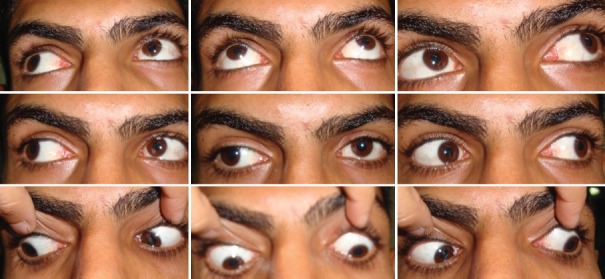
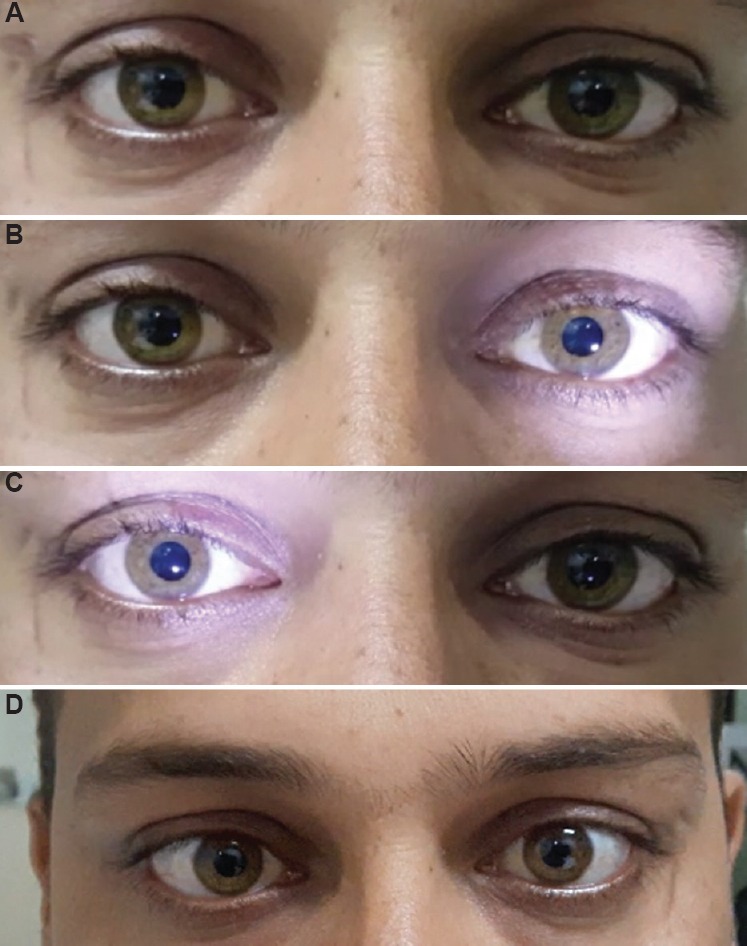
There is a myriad of changes that can be produced in the eye by toxic drugs ranging from mild/no symptoms to severe loss of vision from endophthalmitis. The routes of administration include oral ingestion, smoking, nasal inhalation, intravenous injection, topical application or application to other mucosal surfaces. It is important to recognize certain clinical signs and symptoms in the eye produced by these toxins. This article describes in brief some of the ocular effects of commonly abused drugs. For identification of a particular poisoning, in addition to the clinical presentation, pulse, blood pressure, respiration and body temperature, pupillary size, pupillary reaction to light, ocular convergence and nystagmus can be useful indicators of the type of drug the patient is exposed to. Unmasking these features help the clinician in an early and accurate diagnosis of the offending drug as well as timely management.
有毒药物可对眼睛造成多种影响,从轻症/无症状到眼内炎导致严重视力丧失不等。给药途径包括口服、吸烟、鼻吸入、静脉注射、局部应用或应用于其他粘膜表面。识别这些毒素引起的某些眼部临床体征和症状很重要。本文简要描述了一些常见滥用药物对眼睛的影响。为了确定特定的中毒,除了临床症状外,脉搏、血压、呼吸和体温、瞳孔大小、瞳孔对光的反应、眼集合和眼球震颤也可以作为患者接触药物类型的有用指标。揭示这些特征有助于临床医生早期准确诊断致病药物,并及时进行治疗。