Wang Lijun, Zhao Fei, Xiao Zhongqing, Yao Liang
Department of Oncology, Jiangxi Maternal and Child Health Hospital, No.318 Bayi Avenue, Nanchang, 330000 Jiangxi China.
Cancer Cell Int. 2019 Nov 7;19:281. doi: 10.1186/s12935-019-0990-z. eCollection 2019.
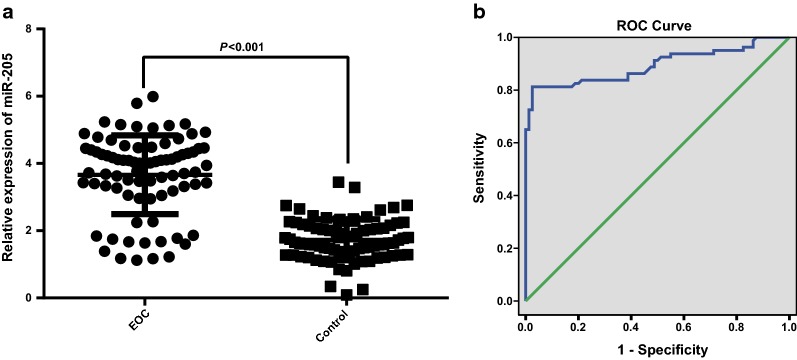
Recently, the impact of microRNAs (miRNAs) and exosome on ovarian cancer has been assessed in many studies. We aim to explore the mechanism of exosomes transferring miR-205 in ovarian cancer, and confirm its diagnostic value in ovarian cancer.
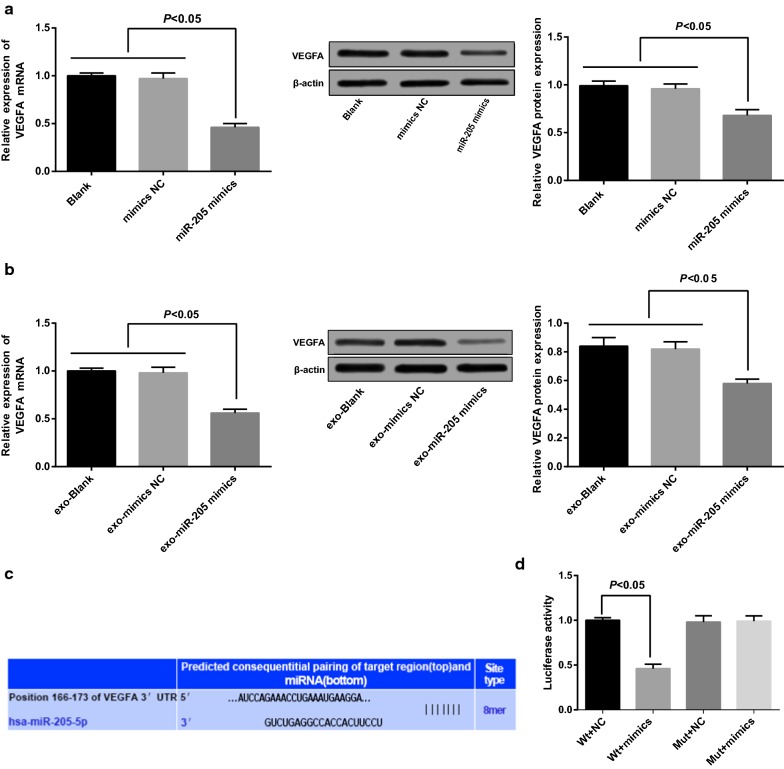
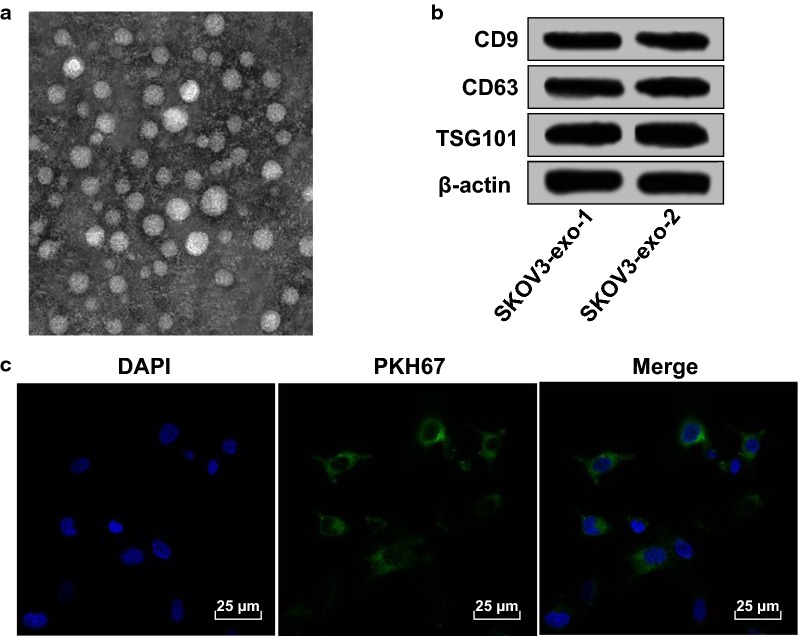
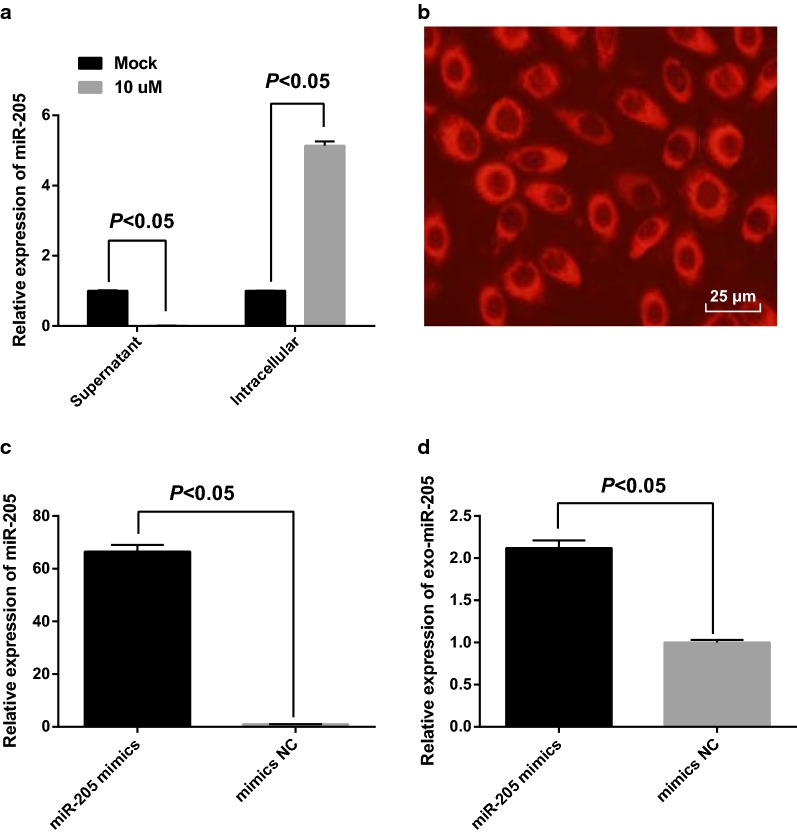
The expression of miR-205 of ovarian cancer patients and healthy people was detected by RT-qPCR, and the diagnostic value of miR-205 was evaluated. The exosomes derived from SKOV3 cells were identified. Ovarian cancer SKOV3 donor cells and receptor cells were used to measure the proliferation, migration, invasion, apoptosis and cell cycle by a series of experiments. The binding site between miR-205 and vascular endothelial growth factor A (VEGFA) was evaluated by bioinformatics tool and dual-luciferase reporter gene assay.
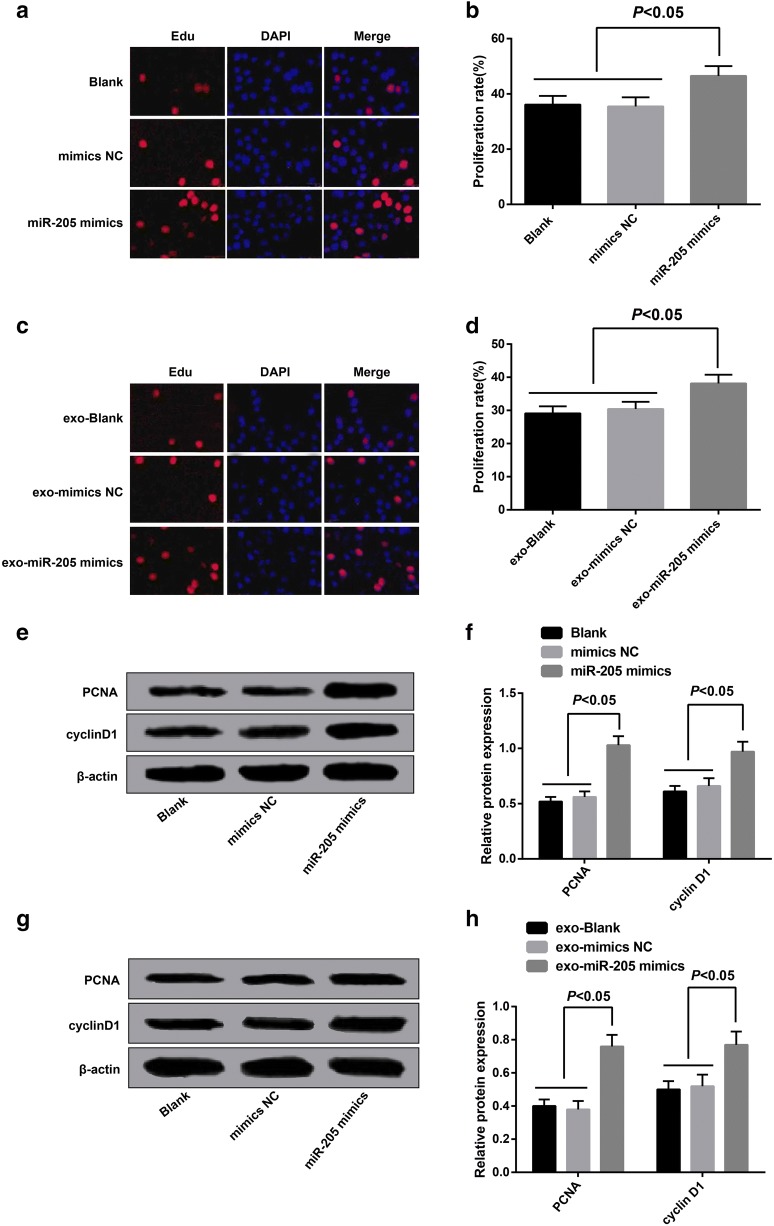
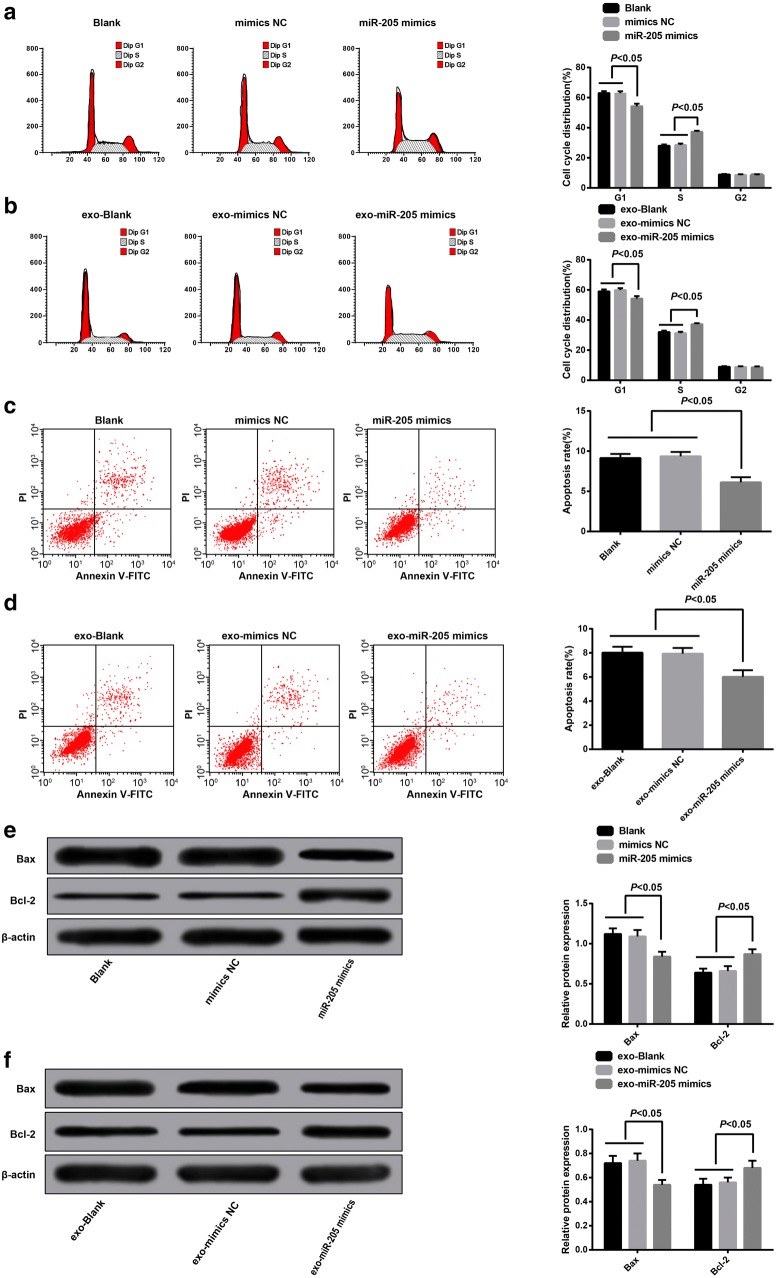
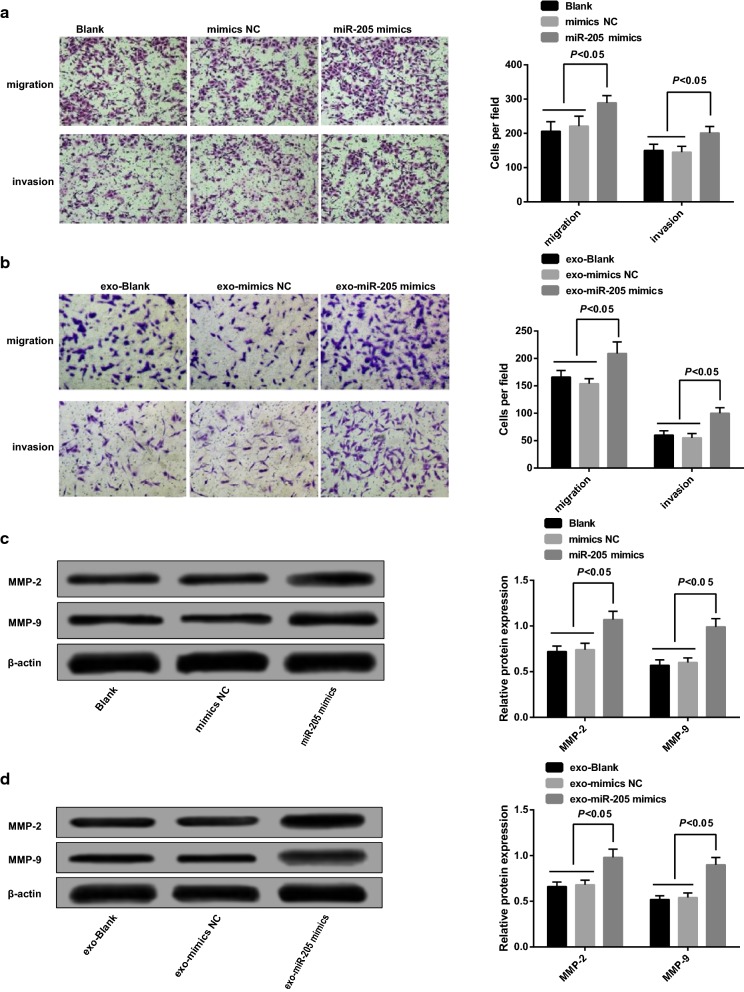
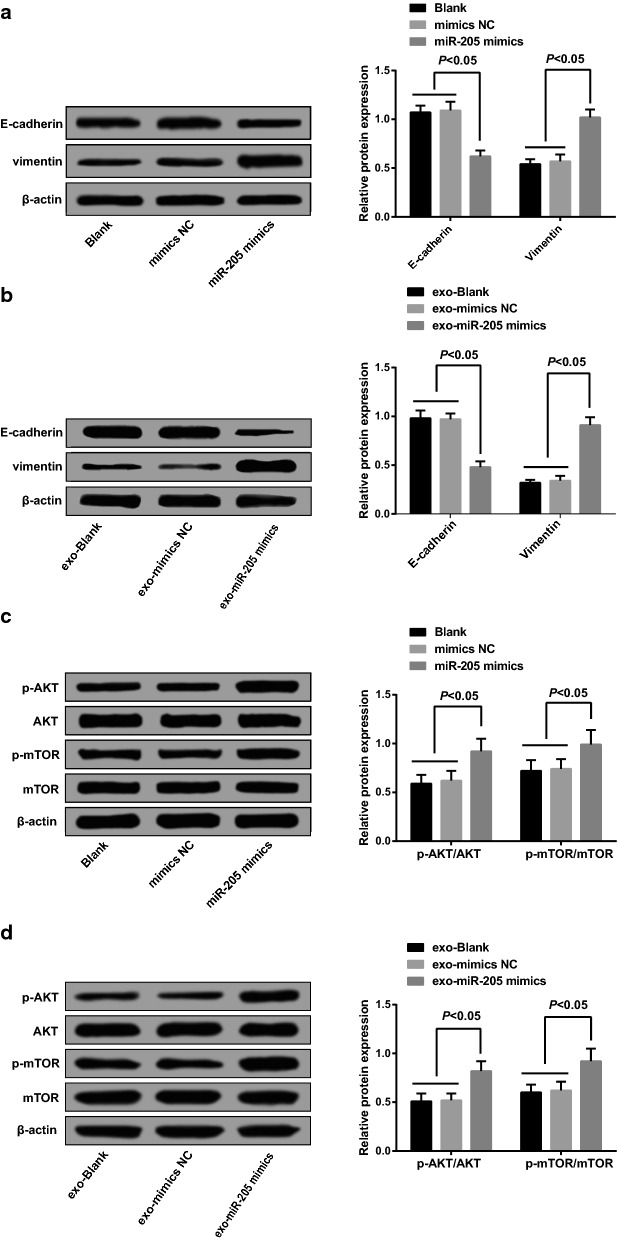
MiR-205 was up-regulated in ovarian cancer, and up-regulated miR-205 could enhance the risk of ovarian cancer and was one of its risk factors. After SKOV3 cells-derived exosomes were transiently introduced with miR-205 mimics, the cell proliferation, migration and invasion in ovarian cancer were elevated, the apoptosis of ovarian cancer cells was attenuated, and the epithelial-mesenchymal transition (EMT) protein E-cadherin was down-regulated, while Vimentin was elevated. VEGFA was identified to be a target gene of miR-205.
This study suggests that exosomes from donor ovarian cancer cell SKOV3 shuttled miR-205 could participate in the regulation of the proliferation, migration, invasion, apoptosis as well as EMT progression of receptor SKOV3 cells by targeting VEGFA.
最近,许多研究评估了微小RNA(miRNA)和外泌体对卵巢癌的影响。我们旨在探讨外泌体在卵巢癌中转运miR - 205的机制,并证实其在卵巢癌中的诊断价值。
采用RT - qPCR检测卵巢癌患者和健康人miR - 205的表达,并评估miR - 205的诊断价值。鉴定来源于SKOV3细胞的外泌体。通过一系列实验,利用卵巢癌SKOV3供体细胞和受体细胞检测其增殖、迁移、侵袭、凋亡和细胞周期。通过生物信息学工具和双荧光素酶报告基因检测评估miR - 205与血管内皮生长因子A(VEGFA)之间的结合位点。
miR - 205在卵巢癌中上调,上调的miR - 205可增加卵巢癌风险,是其危险因素之一。用miR - 205模拟物瞬时转染SKOV3细胞来源的外泌体后,卵巢癌细胞的增殖、迁移和侵袭能力增强,卵巢癌细胞凋亡减弱,上皮 - 间质转化(EMT)蛋白E - 钙黏蛋白下调,波形蛋白上调。VEGFA被鉴定为miR - 205的靶基因。
本研究表明,供体卵巢癌细胞SKOV3穿梭miR - 205的外泌体可通过靶向VEGFA参与调控受体SKOV3细胞的增殖、迁移、侵袭、凋亡以及EMT进程。