Department of Biology, NTNU, Trondheim, Norway.
Woods Hole Oceanographic Institution, Woods Hole, Massachusetts, USA.
Sci Rep. 2019 Nov 13;9(1):16686. doi: 10.1038/s41598-019-53032-5.
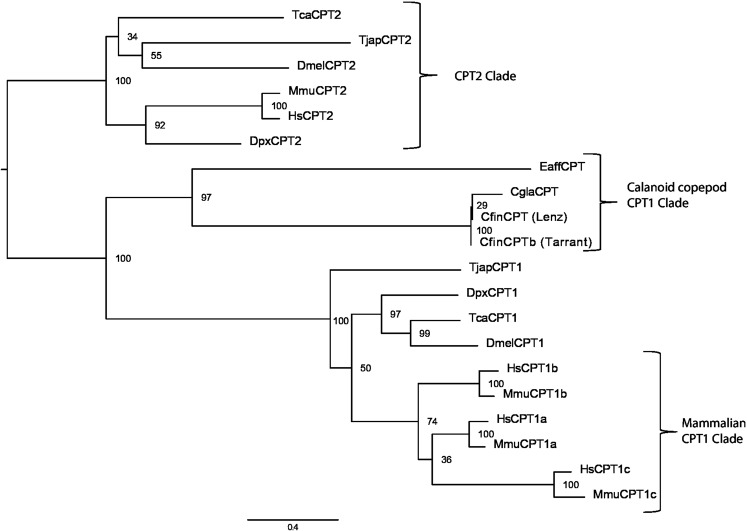
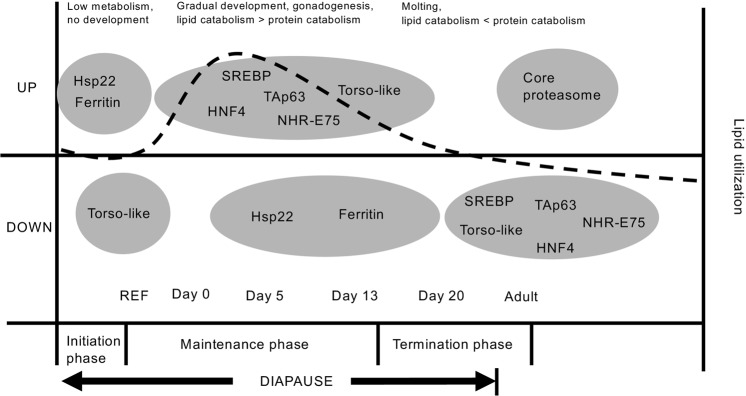
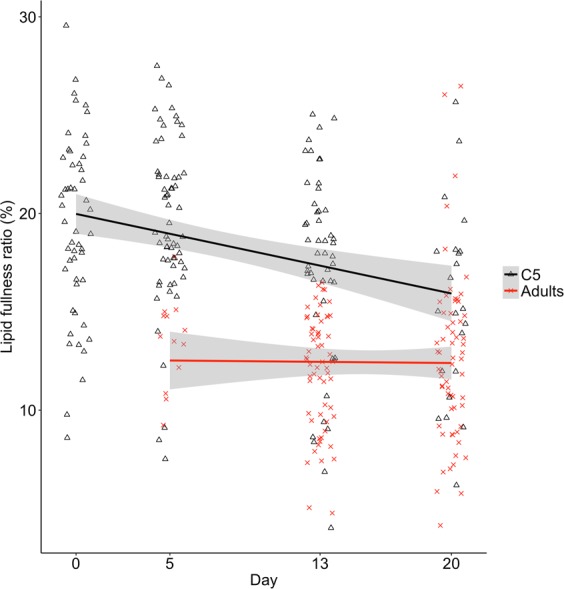
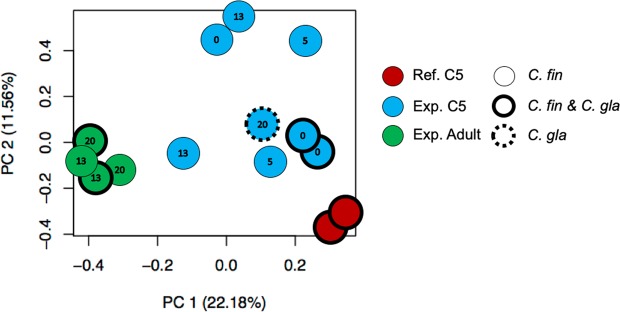
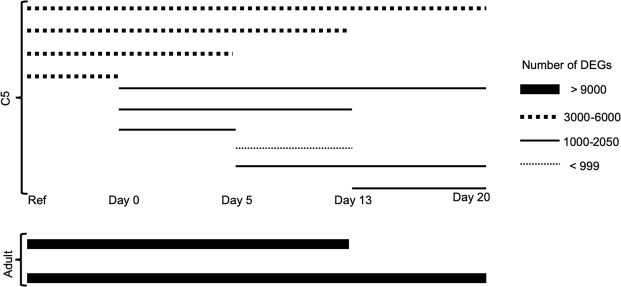
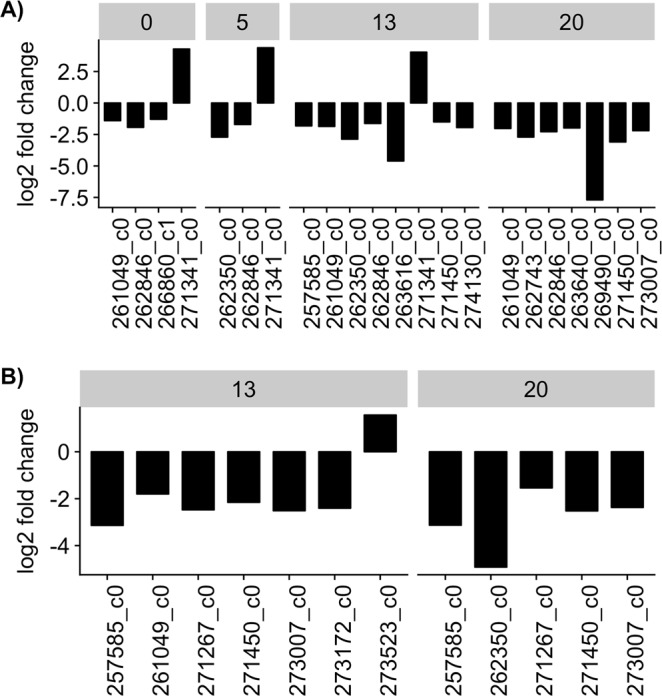
Calanus copepods are keystone species in marine ecosystems, mainly due to their high lipid content, which is a nutritious food source for e.g. juvenile fish. Accumulated lipids are catabolized to meet energy requirements during dormancy (diapause), which occurs during the last copepodite stage (C5). The current knowledge of lipid degradation pathways during diapause termination is limited. We characterized changes in lipid fullness and generated transcriptional profiles in C5s during termination of diapause and progression towards adulthood. Lipid fullness of C5s declined linearly during developmental progression, but more β-oxidation genes were upregulated in early C5s compared to late C5s and adults. We identified four possible master regulators of energy metabolism, which all were generally upregulated in early C5s, compared to late C5s and adults. We discovered that one of two enzymes in the carnitine shuttle is absent from the calanoid copepod lineage. Based on the geographical location of the sampling site, the field-samples were initially presumed to consist of C. finmarchicus. However, the identification of C. glacialis in some samples underlines the need for performing molecular analyses to reliably identify Calanus species. Our findings contributes to a better understanding of molecular events occurring during diapause and diapause termination in calanoid copepods.
桡足类是海洋生态系统中的关键物种,主要是因为它们的高脂质含量是幼鱼等的营养食物来源。积累的脂质在休眠(滞育)期间被分解代谢以满足能量需求,休眠发生在最后一个桡足幼体阶段(C5)。目前对滞育终止期间脂质降解途径的了解有限。我们描述了在滞育终止和向成年发育过程中 C5 中的脂质饱满度和转录谱的变化。C5 在发育过程中的脂质饱满度呈线性下降,但与晚期 C5 和成年相比,早期 C5 中更多的β氧化基因被上调。我们鉴定了四个可能的能量代谢主调控因子,与晚期 C5 和成年相比,它们在早期 C5 中通常被上调。我们发现,肉碱穿梭系统中的两种酶之一在桡足类中不存在。基于采样地点的地理位置,最初假设现场样本由 C. finmarchicus 组成。然而,在一些样本中鉴定出 C. glacialis 强调了需要进行分子分析以可靠地鉴定桡足类物种的必要性。我们的研究结果有助于更好地理解桡足类中滞育和滞育终止期间发生的分子事件。