Babaei Kosar, Khaksar Roya, Zeinali Tahereh, Hemmati Hossein, Bandegi Ahmadreza, Samidoust Pirouz, Ashoobi Mohammad Taghi, Hashemian Hooman, Delpasand Kourosh, Talebinasab Fereshteh, Naebi Hoora, Mirpour Seyed Hossein, Keymoradzadeh Arman, Norollahi Seyedeh Elham
Department of Biology, Islamic Azad University of Tonekabon Branch, Tonekabon, Iran.
Gastrointestinal and Liver Diseases Research Center, Guilan University of Medical Sciences, Rasht, Iran.
Biomedicine (Taipei). 2019 Dec;9(4):22. doi: 10.1051/bmdcn/2019090422. Epub 2019 Nov 14.
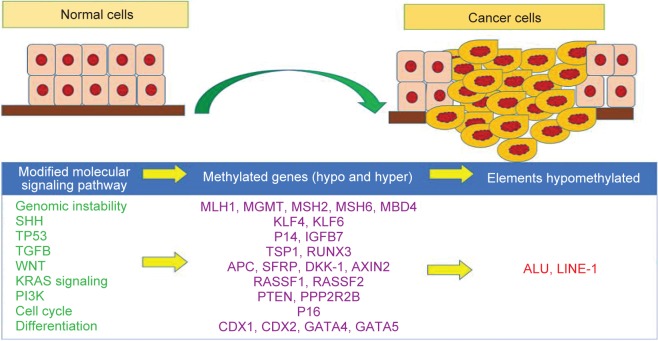
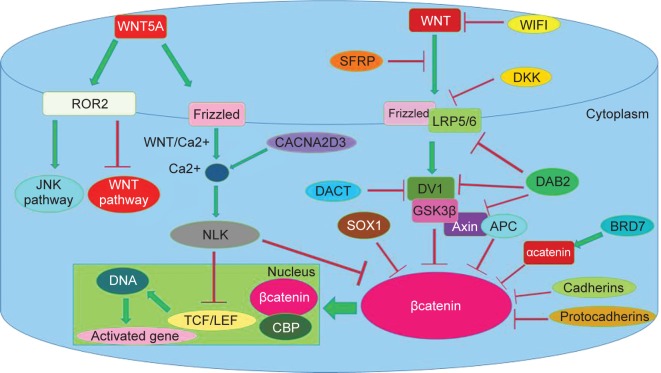
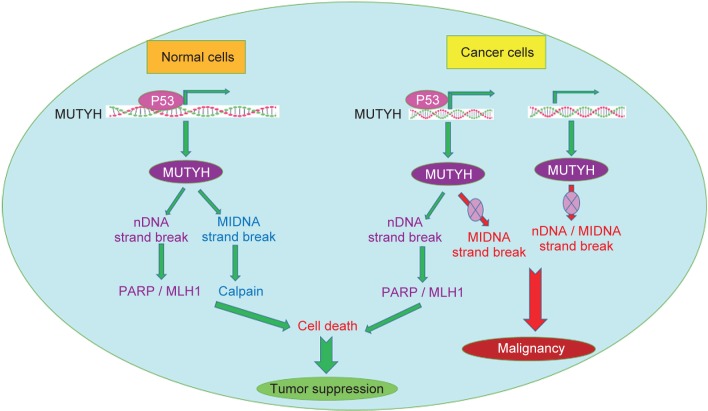
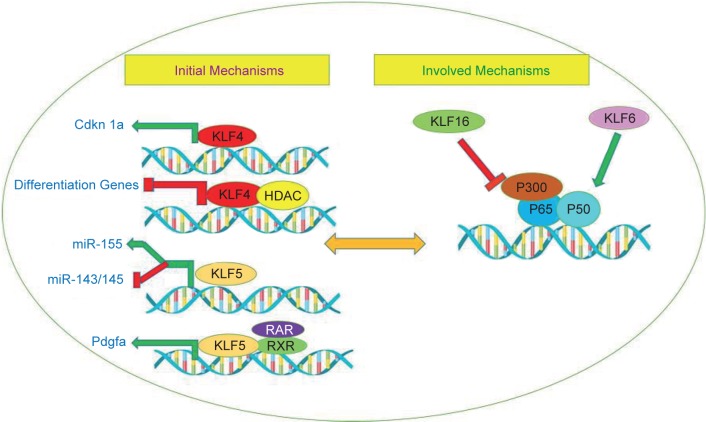
Colorectal cancer (CRC) is distinguished by epigenetic elements like DNA methylation, histone modification, histone acetylation and RNA remodeling which is related with genomic instability and tumor initiation. Correspondingly, as a main epigenetic regulation, DNA methylation has an impressive ability in order to be used in CRC targeted therapy. Meaningly, DNA methylation is identified as one of most important epigenetic regulators in gene expression and is considered as a notable potential driver in tumorigenesis and carcinogenesis through gene-silencing of tumor suppressors genes. Abnormal methylation situation, even in the level of promoter regions, does not essentially change the gene expression levels, particularly if the gene was become silenced, leaving the mechanisms of methylation without any response. According to the methylation situation which has a strong eagerness to be highly altered on CpG islands in carcinogenesis and tumorigenesis, considering its epigenetic fluctuations in finding new biomarkers is of great importance. Modifications in DNA methylation pattern and also enrichment of methylated histone signs in the promoter regions of some certain genes like MUTYH, KLF4/6 and WNT1 in different signaling pathways could be a notable key contributors to the upregulation of tumor initiation in CRC. These epigenetic alterations could be employed as a practical diagnostic biomarkers for colorectal cancer. In this review, we will be discuss these fluctuations of MUTYH, KLF4/6 and WNT1 genes in CRC.
结直肠癌(CRC)的特征在于表观遗传因素,如DNA甲基化、组蛋白修饰、组蛋白乙酰化和RNA重塑,这些与基因组不稳定和肿瘤发生有关。相应地,作为一种主要的表观遗传调控方式,DNA甲基化在CRC靶向治疗中具有显著的应用潜力。重要的是,DNA甲基化被认为是基因表达中最重要的表观遗传调节因子之一,并且通过肿瘤抑制基因的基因沉默被视为肿瘤发生和致癌过程中的一个重要潜在驱动因素。即使在启动子区域水平,异常的甲基化情况也不一定会改变基因表达水平,特别是如果基因已经沉默,那么甲基化机制就不会有任何反应。鉴于在癌症发生和肿瘤发生过程中,CpG岛上的甲基化情况极易发生高度改变,考虑其表观遗传波动对于寻找新的生物标志物具有重要意义。某些特定基因(如不同信号通路中的MUTYH、KLF4/6和WNT1)启动子区域的DNA甲基化模式改变以及甲基化组蛋白信号的富集,可能是CRC中肿瘤发生上调的重要关键因素。这些表观遗传改变可作为结直肠癌的实用诊断生物标志物。在本综述中,我们将讨论CRC中MUTYH、KLF4/6和WNT1基因的这些波动情况。