Asaduzzaman Md, Rahi Noor Aysha, Rahman Md Moshiur, Akter Sumi, Hoque Nayeema Ferdausy, Shakil Abrar, Wahab Md Abdul
Department of Marine Bioresource Science, Faculty of Fisheries, Chattogram Veterinary and Animal Sciences University, Khulshi 4225, Chattogram, Bangladesh.
Fisheries and Marine Resource Technology Discipline, Khulna University, Khulna-9208, Bangladesh.
Biology (Basel). 2019 Nov 15;8(4):88. doi: 10.3390/biology8040088.
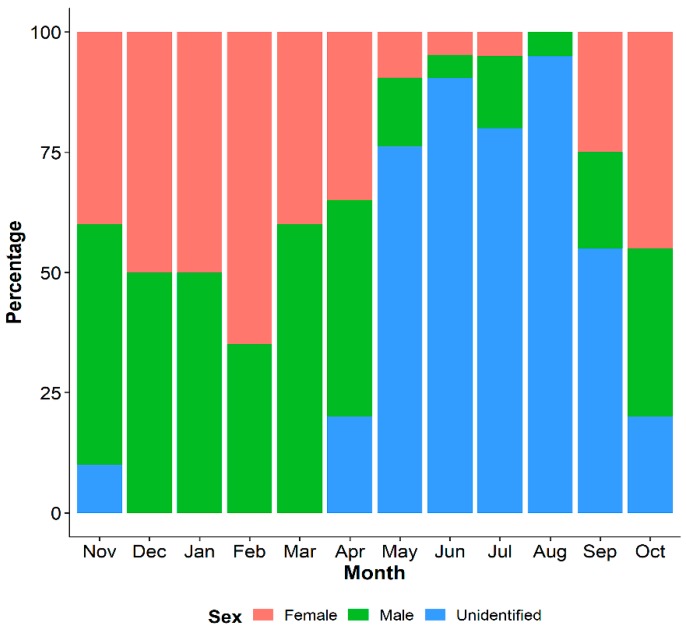
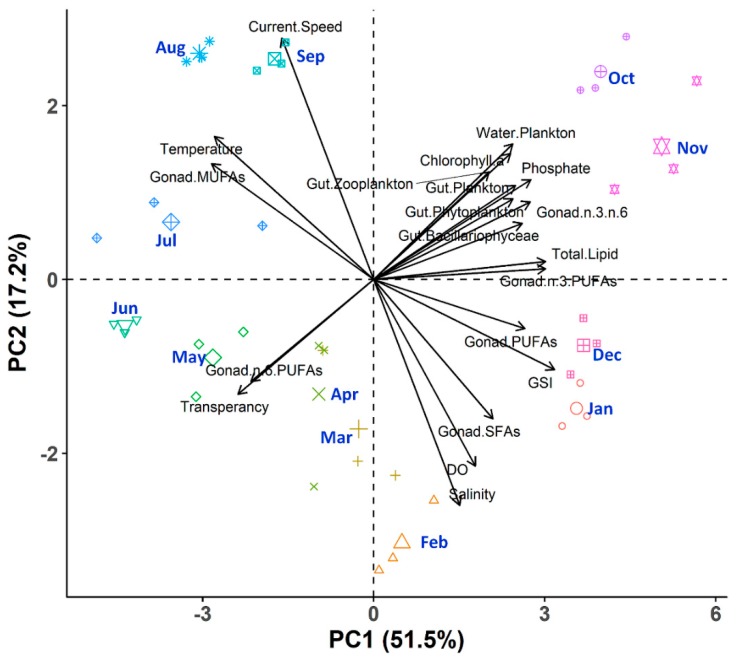
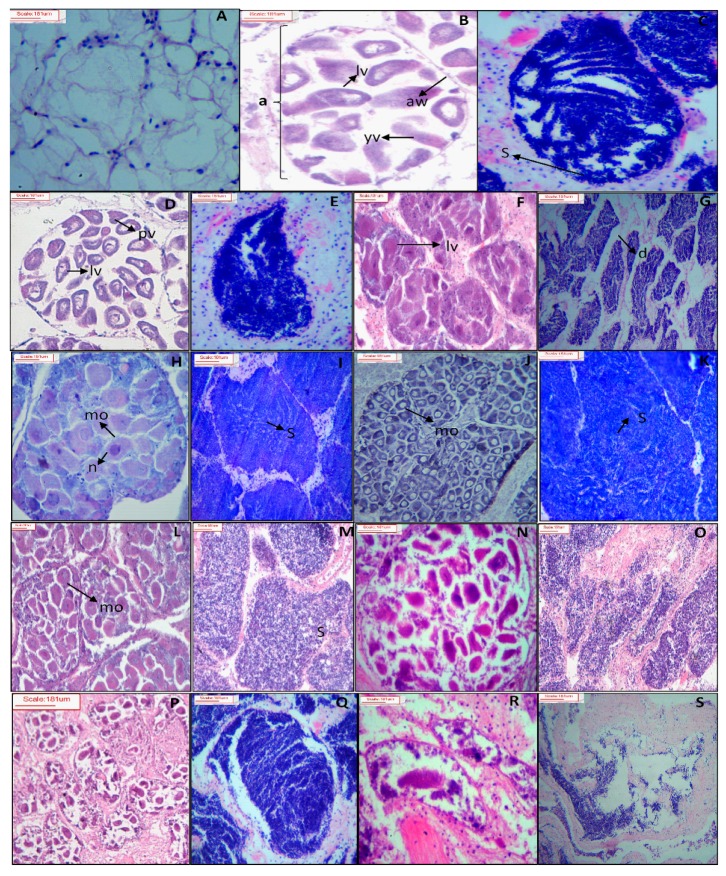
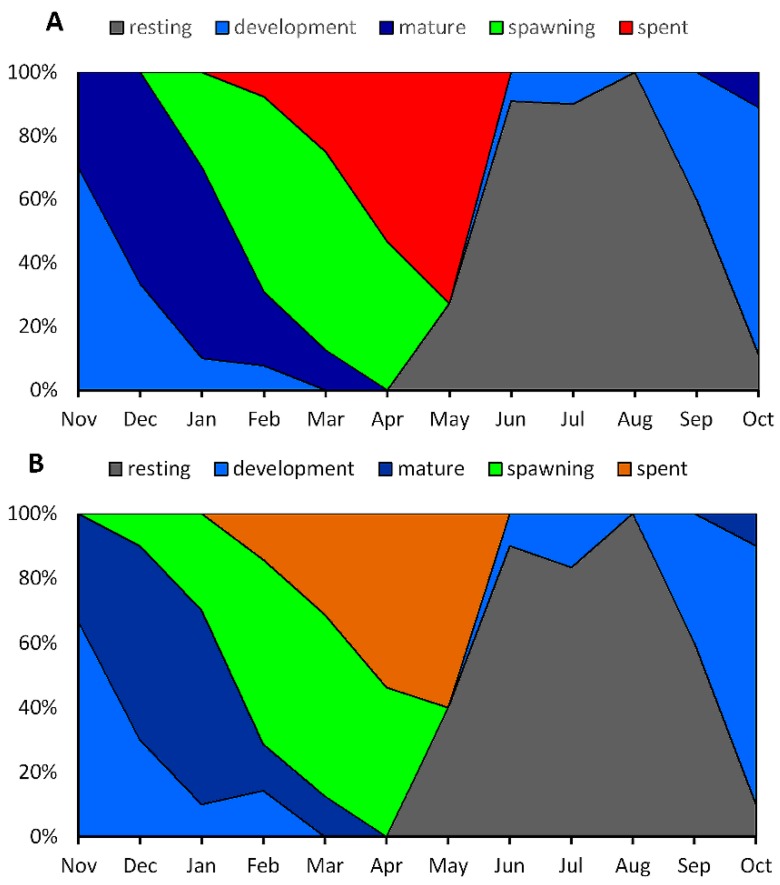
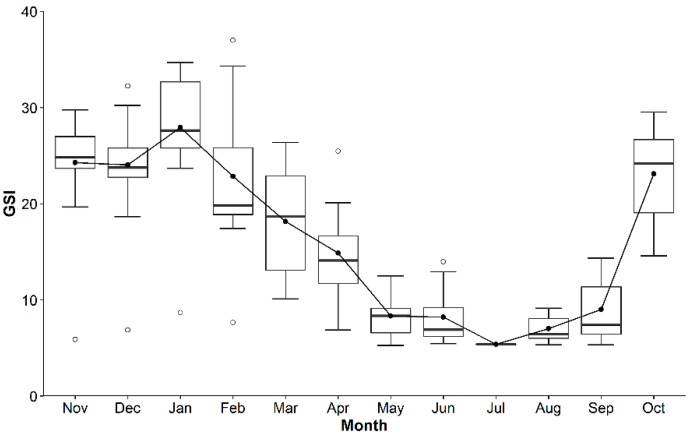
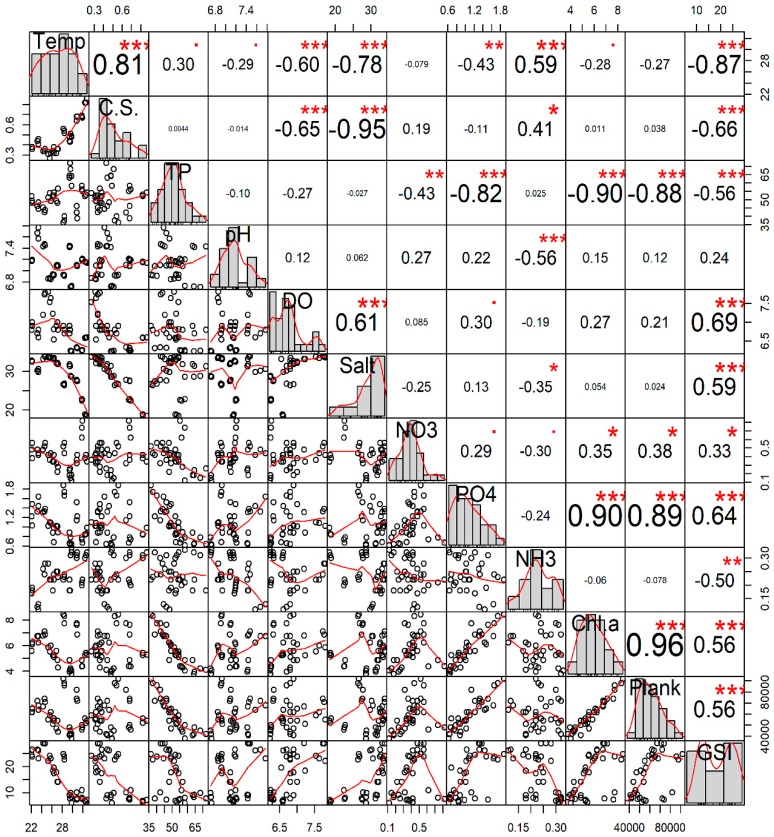
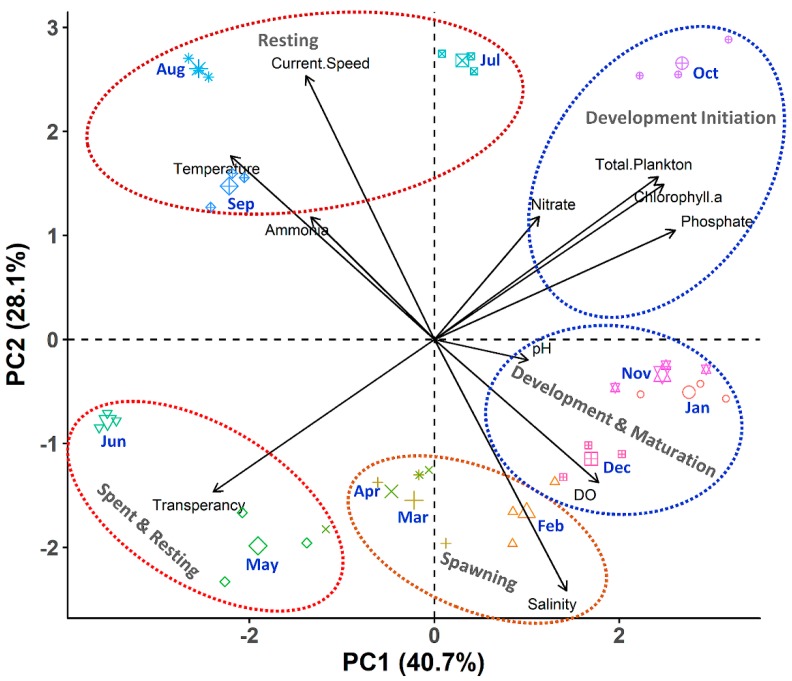
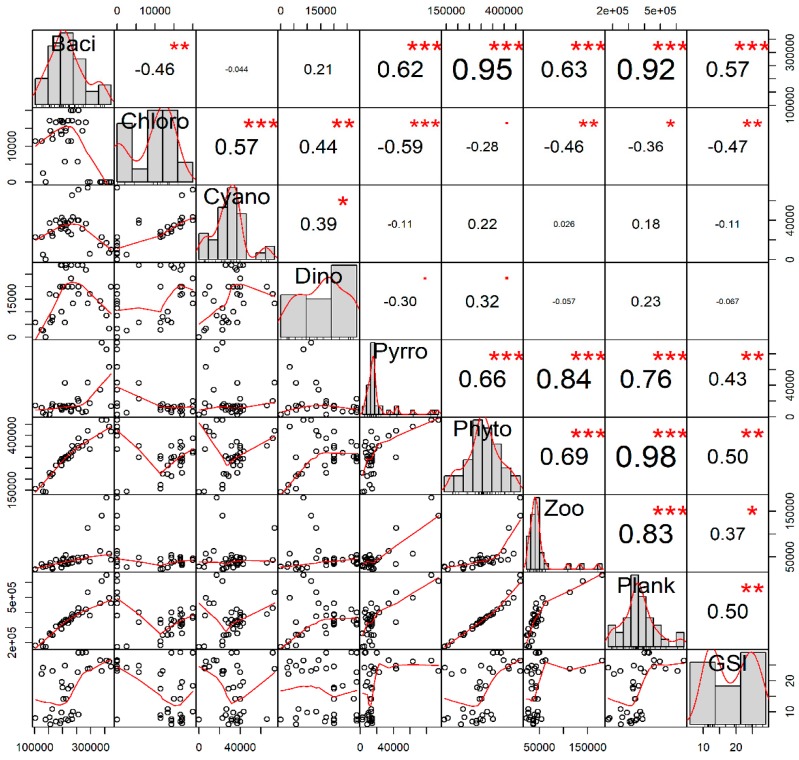
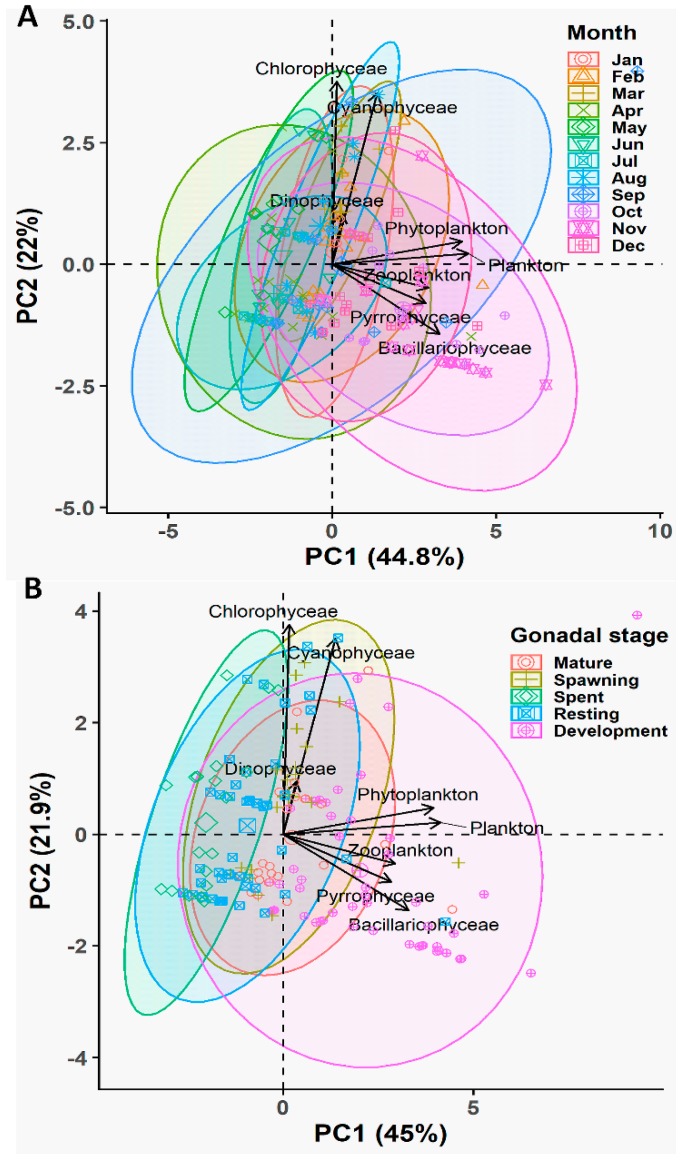
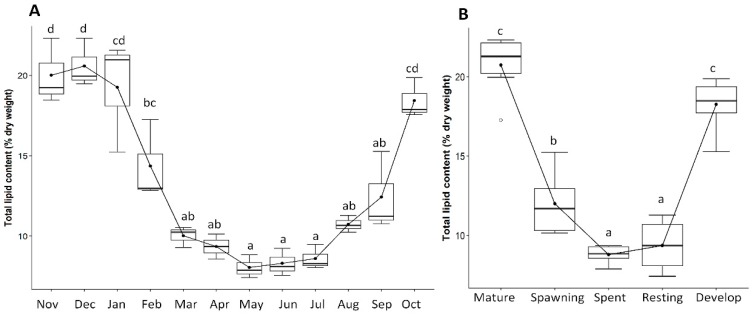
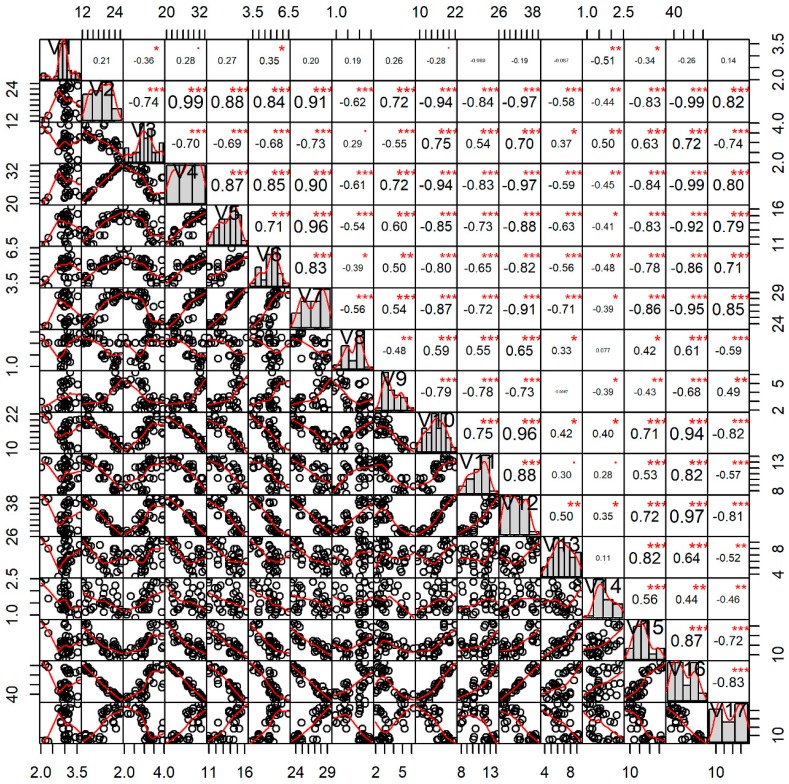
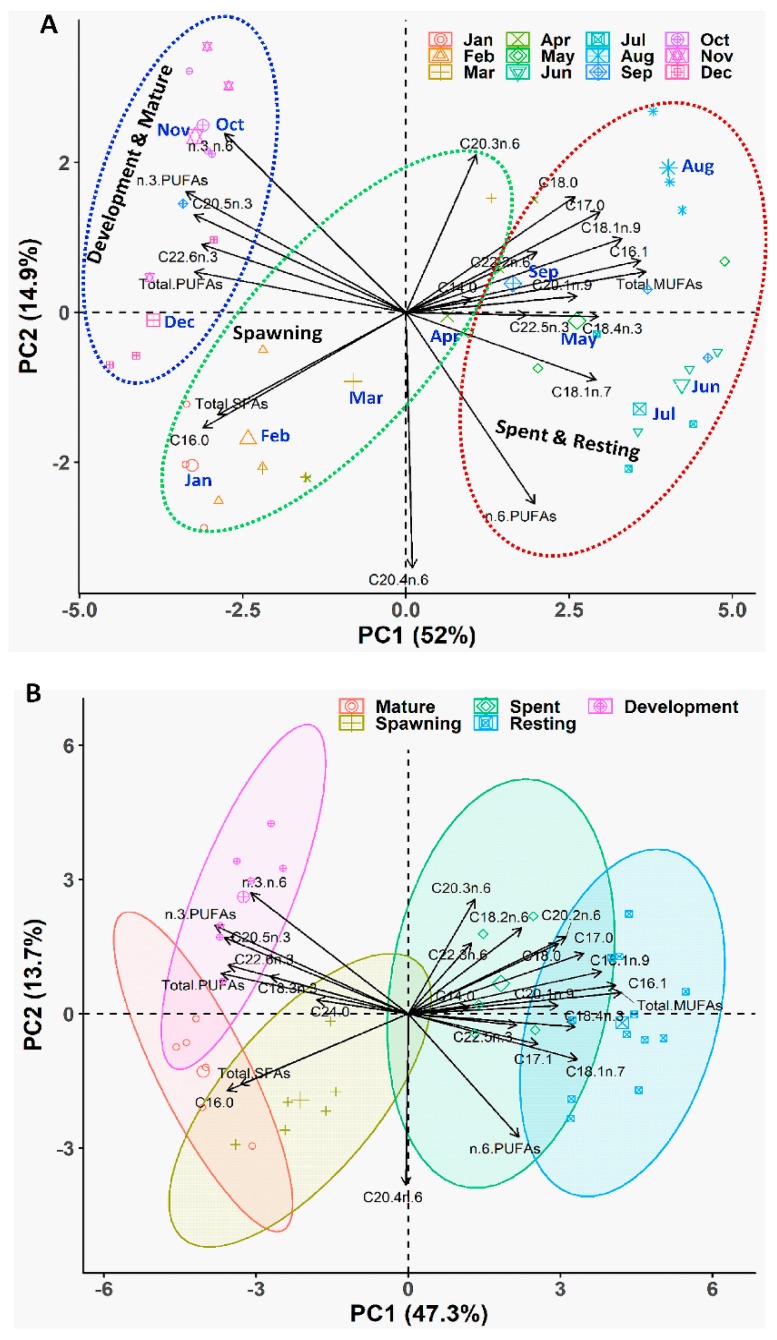
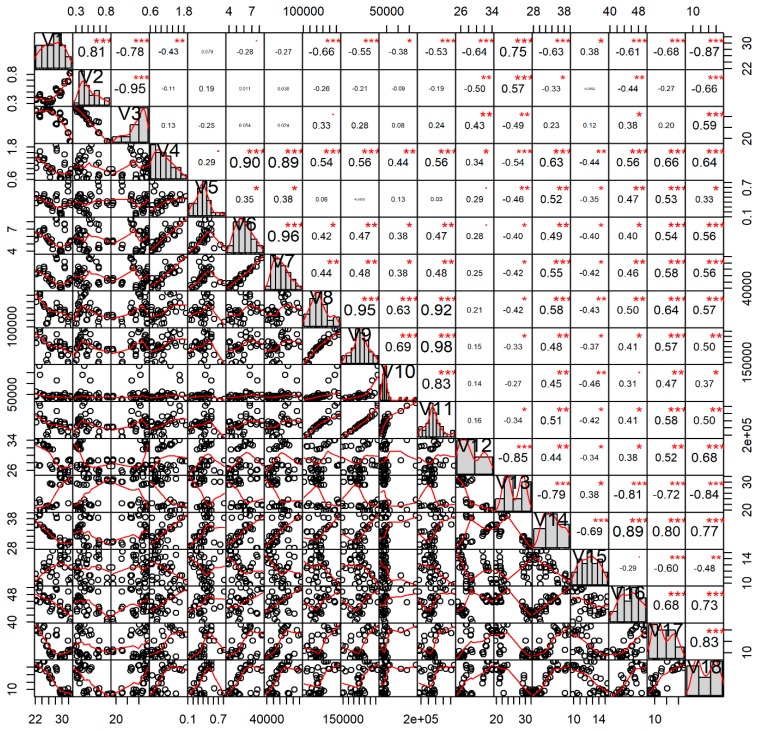
A multidisciplinary approach was applied to explore deeper knowledge about the reproductive biology and ecology of the green mussel () by interlinking among ecological factors, ingested gut plankton, gonad fatty acid profile, and reproductive traits. Mussels were collected throughout the year from the coastal region of the Bay of Bengal of Bangladesh, and the histological analysis of 242 mussels revealed five stages of gametogenesis with an annual spawning season from January to April. The gonadosomatic index showed a strong correlation with the water quality parameters, ingested gut plankton groups, and gonadal fatty acids, and also displayed prominent effects of seasonality. In all datasets, we performed principal component analysis in which the first two principal components showed that seasonality explained >65% of the variability, and the multivariate spaces of seasonality corresponded to the gonad development. High salinity, nutrients, chlorophyll , and plankton abundance in the water column were positively correlated with gonad development and the spawning of mussels. During the development stage, mussel ingested more plankton, particularly Bacillariophyceae and Pyrrophyceae, which were an important source of increased n-3 polyunsaturated fatty acids content in gonads. Furthermore, gonads accumulated more lipids and saturated fatty acids during the mature and spawning stages, which were probably utilized during embryogenesis and early larval development as energy sources and constituents of the cell membrane. This research provides a model toward a better understanding of reproductive biological traits and how these traits are interrelated with the surrounding environmental variables of the green mussel, which would be helpful in marine aquaculture and the sustainable exploitation of the fishery resources.
采用多学科方法,通过将生态因素、肠道摄入的浮游生物、性腺脂肪酸谱和生殖特征相互联系起来,深入探究绿贻贝()的生殖生物学和生态学。全年从孟加拉国孟加拉湾沿海地区采集贻贝,对242只贻贝的组织学分析揭示了配子发生的五个阶段,产卵季节为每年1月至4月。性腺指数与水质参数、肠道摄入的浮游生物种类和性腺脂肪酸密切相关,且呈现出明显的季节性影响。在所有数据集中,我们进行了主成分分析,前两个主成分表明季节性解释了>65%的变异性,季节性的多变量空间与性腺发育相对应。水柱中的高盐度、营养物质、叶绿素和浮游生物丰度与贻贝的性腺发育和产卵呈正相关。在发育阶段,贻贝摄入更多浮游生物,尤其是硅藻和甲藻,它们是性腺中n-3多不饱和脂肪酸含量增加的重要来源。此外,性腺在成熟和产卵阶段积累了更多脂质和饱和脂肪酸,这些可能在胚胎发生和幼体早期发育过程中作为能量来源和细胞膜成分被利用。本研究提供了一个模型,有助于更好地理解绿贻贝的生殖生物学特征以及这些特征与周围环境变量之间的相互关系,这将有助于海水养殖和渔业资源的可持续开发。