Department of Obstetrics, Women's Hospital, Zhejiang University School of Medicine, Xueshi Rd #1, Hangzhou, 310006, China.
Key Laboratory of Reproductive Genetics (Ministry of Education), Hangzhou, Zhejiang Province, China.
J Neuroinflammation. 2019 Nov 16;16(1):226. doi: 10.1186/s12974-019-1573-6.
Chemerin is highly expressed in the serum, placenta tissue, and umbilical cord blood of diabetic mother; however, the impact of chemerin on cognitive disorders of offspring from mothers with diabetes in pregnancy remains unclear.
A diabetic phenotype in pregnant mice dams was induced by streptozocin (STZ) injection or intraperitoneal injection of chemerin. Behavioral changes in offspring of diabetic dams and nondiabetic controls were assessed, and changes in chemerin, two receptors of chemerin [chemerin receptor 23 (ChemR23) and chemokine (C-C motif) receptor-like 2 (CCRL2)], macrophages, and neurons in the brain tissue were studied to reveal the underlying mechanism of the behavioral changes.
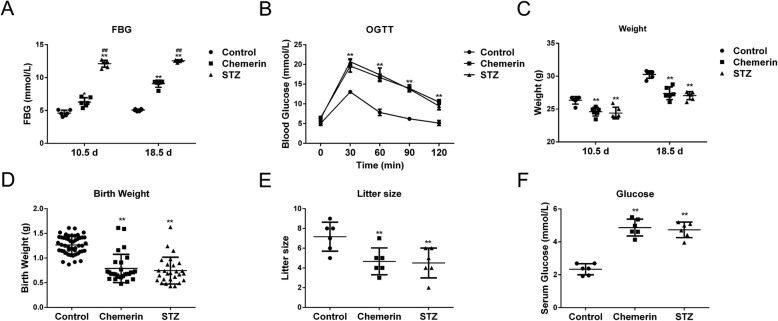
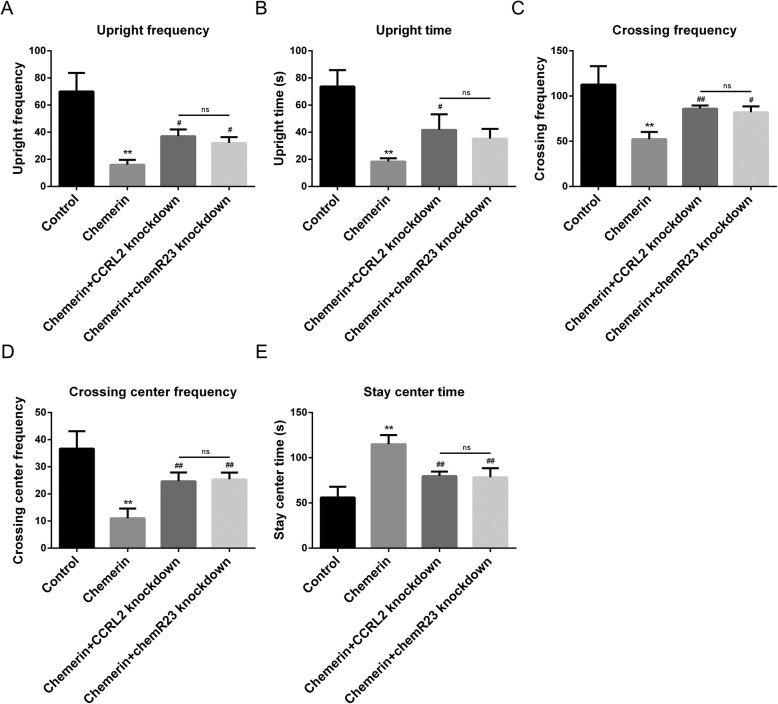
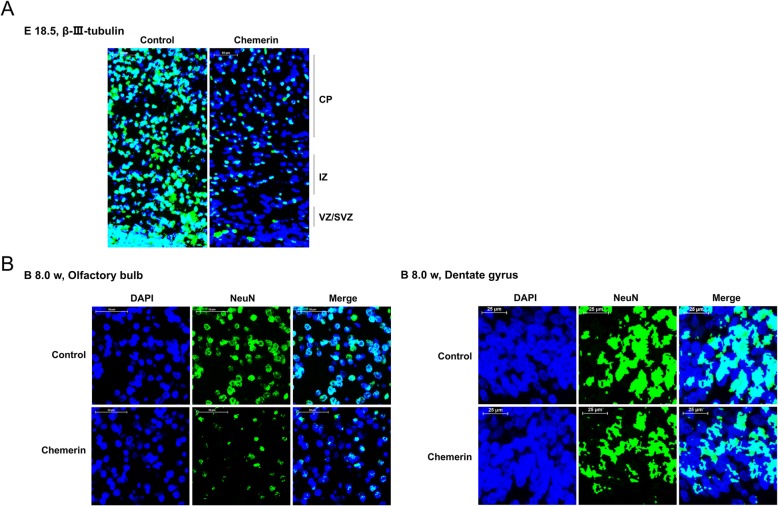
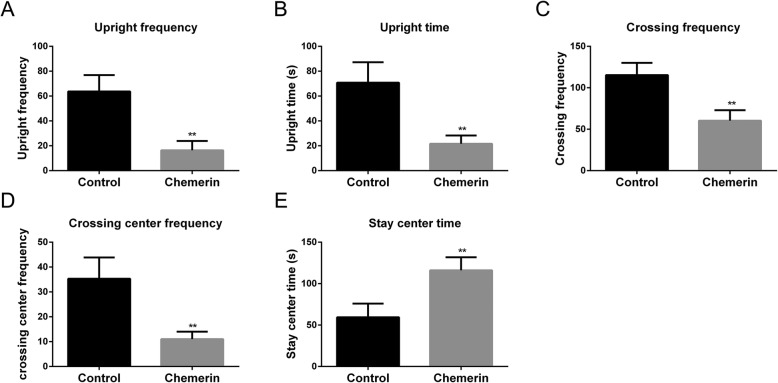
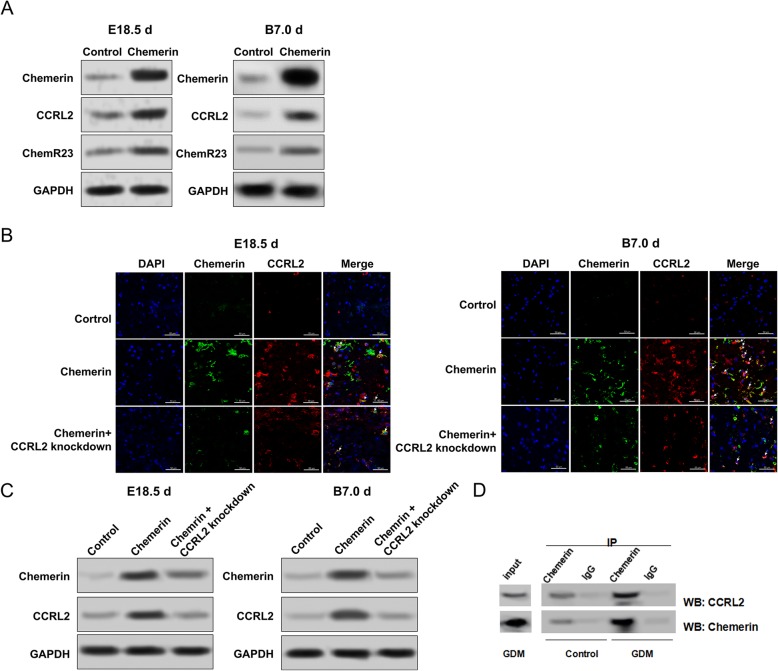
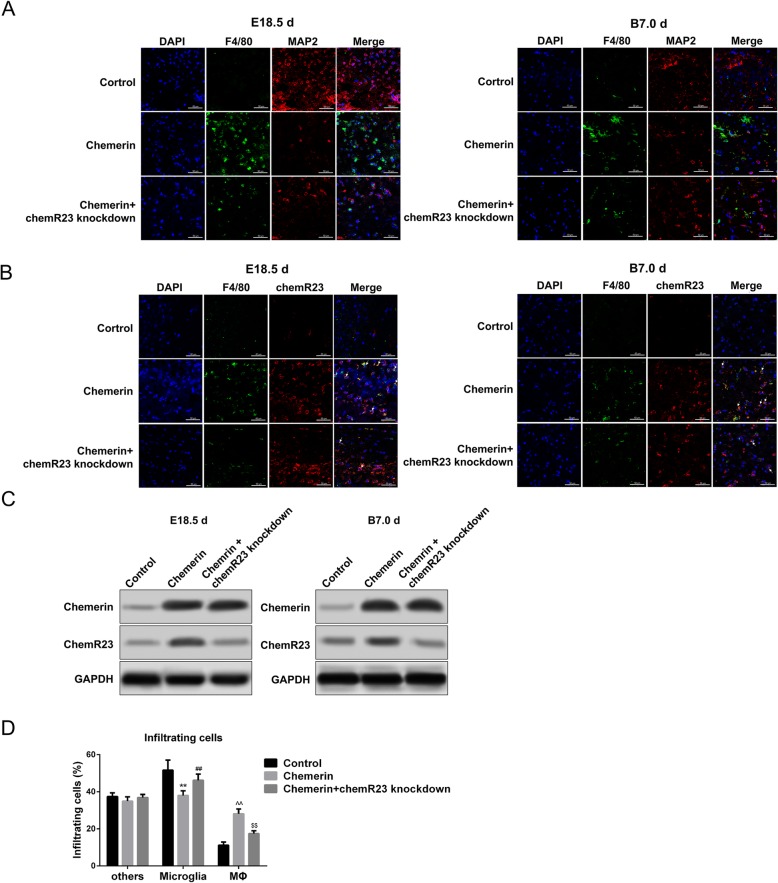
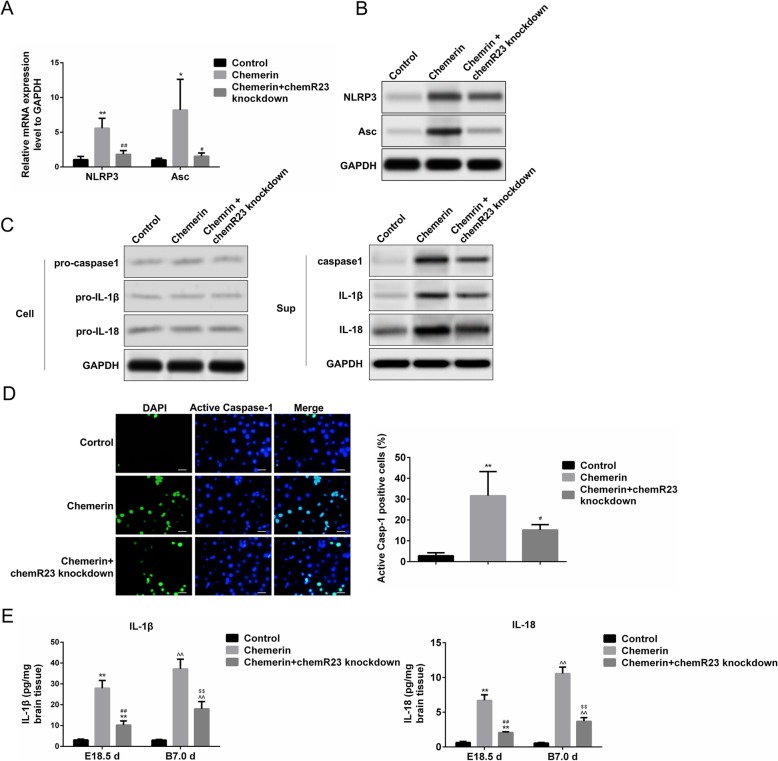
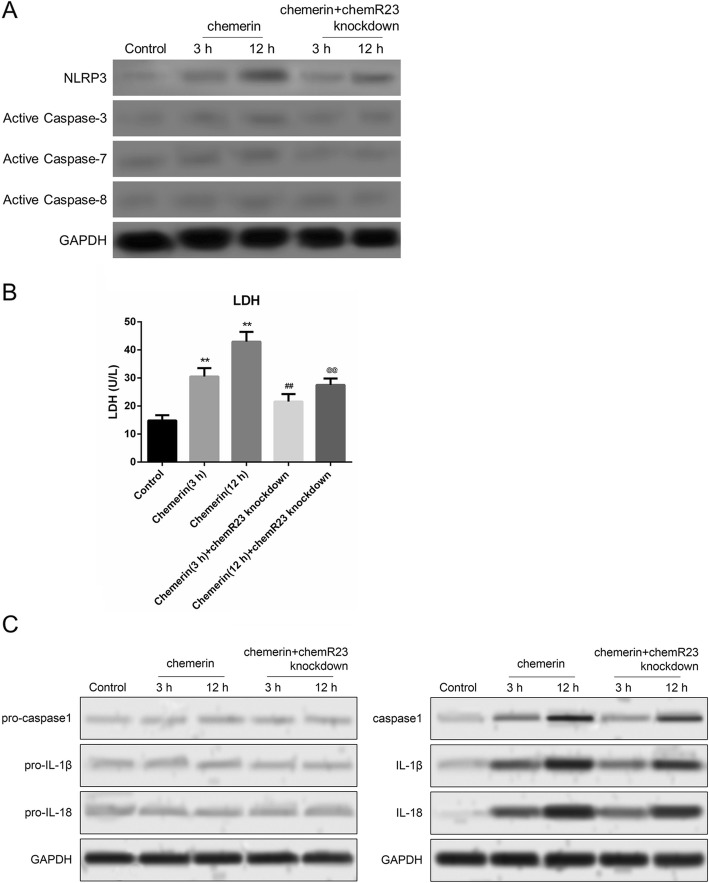
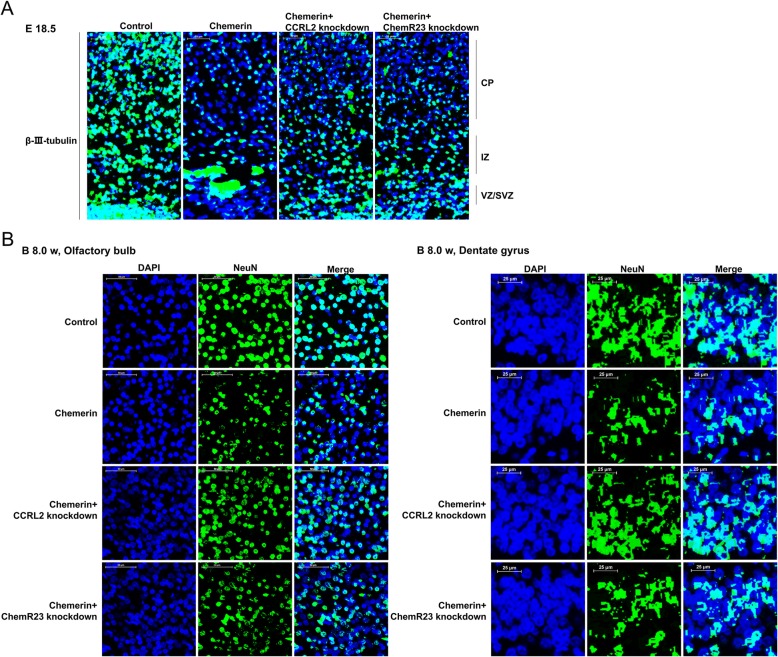
Chemerin treatment mimicked the STZ-induced symptom of maternal diabetes in mice along with the altered behavior of offspring in the open field test (OFT) assay. In the exploring process for potential mechanism, the brain tissues of offspring from chemerin-treated dams were observed with an increase level of macrophage infiltration and a decrease number of neuron cells. Moreover, an increased level of NOD-like receptor family pyrin domain containing 3 (NLRP3) and apoptosis-associated speck-like (Asc) protein as well as pyroptosis [characterized by increased active caspase-1 content and secretion of cytokines such as interleukin (IL) 1 beta (IL-1β) and IL-18] more activated in macrophages is also observed in the brain of these diabetic dam's offspring, in the presence of ChemR23. In vitro, it was found that pyroptosis activation was increased in macrophages separated from the abdominal cavity of normal mice, after chemerin treatment. However, depletion of CCRL2 decreased the level of chemerin in the brain tissues of diabetic dams' offspring; depletion of ChemR23 decreased macrophage pyroptosis, and depletion of either receptor reversed chemerin-mediated neurodevelopmental deficits and cognitive impairment of offspring of diabetic pregnant dams.
Chemerin induced diabetic pregnant disease and CCRL2 were required to enrich chemerin in the brain of offspring. Aggregation of chemerin could lead to macrophage recruitment, activation of pyroptosis, the release of inflammatory cytokines, a decrease in the number of neurons, and cognitive impairment in offspring in a ChemR23-dependent manner. Targeting CCRL2 and/or ChemR23 could be useful for treating neuropsychological deficits in offspring of dams with diabetes in pregnancy.
趋化素在糖尿病母亲的血清、胎盘组织和脐带血中高度表达;然而,趋化素对妊娠糖尿病母亲后代认知障碍的影响尚不清楚。
通过链脲佐菌素(STZ)注射或趋化素腹腔注射诱导怀孕母鼠的糖尿病表型。评估糖尿病母鼠和非糖尿病对照鼠后代的行为变化,并研究脑组织中趋化素、趋化素的两个受体[趋化素受体 23(ChemR23)和趋化因子(C-C 基序)受体样 2(CCRL2)]、巨噬细胞和神经元的变化,以揭示行为变化的潜在机制。
趋化素治疗模拟了 STZ 诱导的母鼠糖尿病症状,以及趋化素处理母鼠后代在旷场试验(OFT)中的行为改变。在探索潜在机制的过程中,发现趋化素处理母鼠后代的脑组织中巨噬细胞浸润增加,神经元细胞减少。此外,还观察到 NOD 样受体家族含 pyrin 结构域蛋白 3(NLRP3)和凋亡相关斑点样蛋白(Asc)的水平升高,以及巨噬细胞中半胱氨酸天冬氨酸蛋白酶-1(caspase-1)的活性增加和细胞因子(如白细胞介素(IL)1β(IL-1β)和 IL-18)的分泌增加,提示存在细胞焦亡。在体外,发现趋化素处理后,从正常小鼠腹腔分离的巨噬细胞中细胞焦亡的激活增加。然而,CCRL2 的耗竭降低了糖尿病母鼠后代脑组织中的趋化素水平;ChemR23 的耗竭减少了巨噬细胞的细胞焦亡,而两种受体的耗竭都逆转了趋化素介导的糖尿病妊娠母鼠后代的神经发育缺陷和认知障碍。
趋化素诱导的糖尿病妊娠疾病和 CCRL2 被需要将趋化素富集到后代的大脑中。趋化素的聚集会导致巨噬细胞募集、细胞焦亡的激活、炎症细胞因子的释放、神经元数量减少,并以 ChemR23 依赖的方式导致母鼠糖尿病后代的认知障碍。靶向 CCRL2 和/或 ChemR23 可能有助于治疗妊娠糖尿病母鼠后代的神经心理缺陷。