Sinclair Elaine B, Klump Kelly L, Sisk Cheryl L
Neuroscience Program, Michigan State University, East Lansing, MI, United States.
Department of Psychology, Michigan State University, East Lansing, MI, United States.
Front Behav Neurosci. 2019 Oct 31;13:252. doi: 10.3389/fnbeh.2019.00252. eCollection 2019.
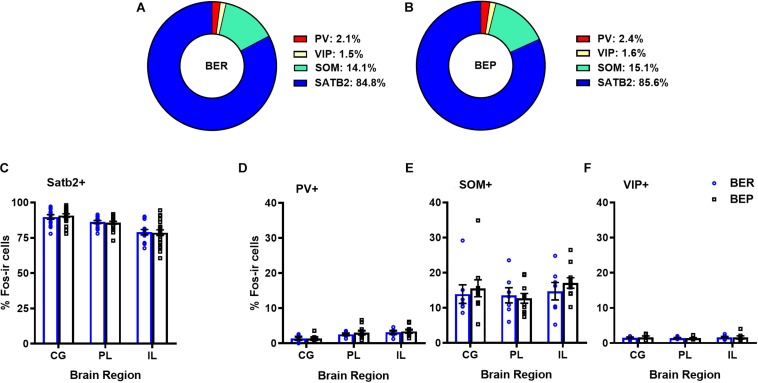
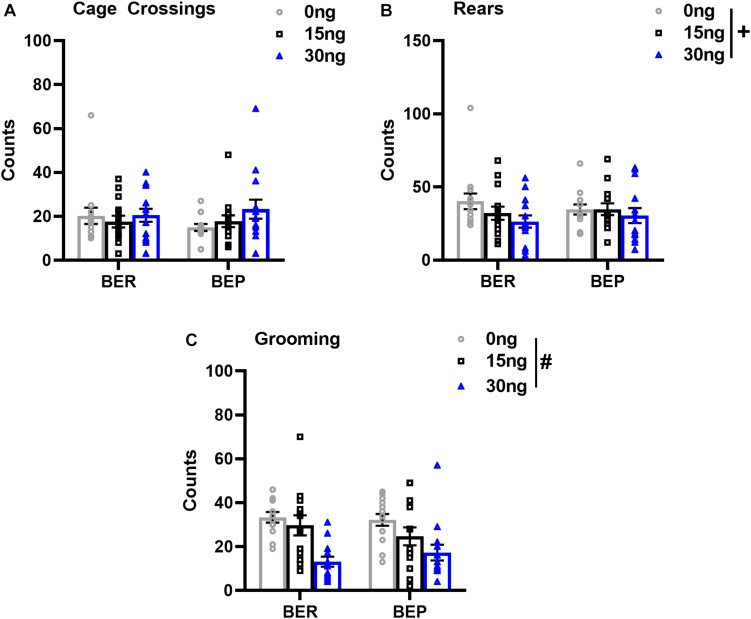
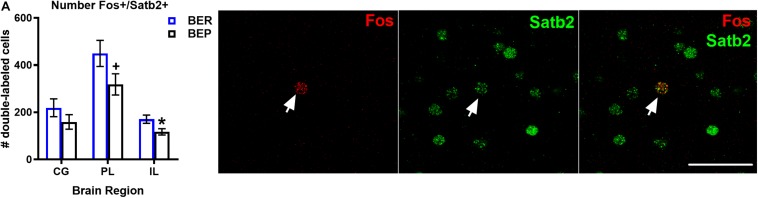
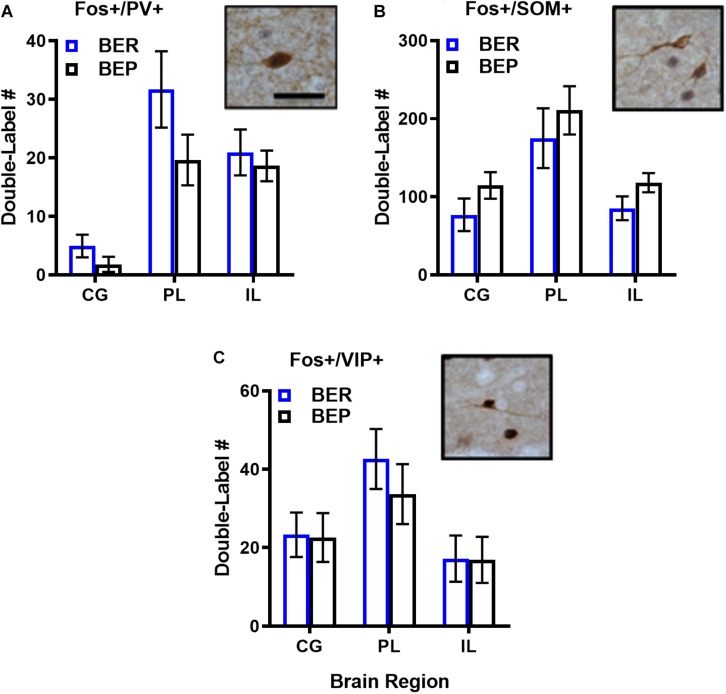
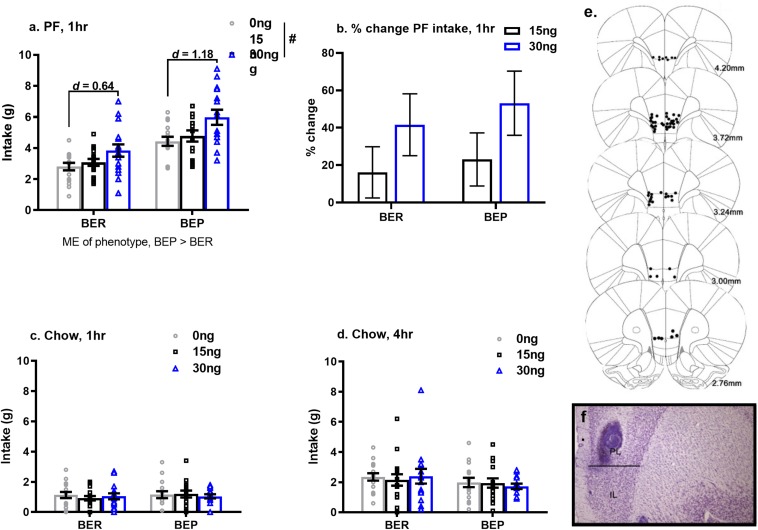
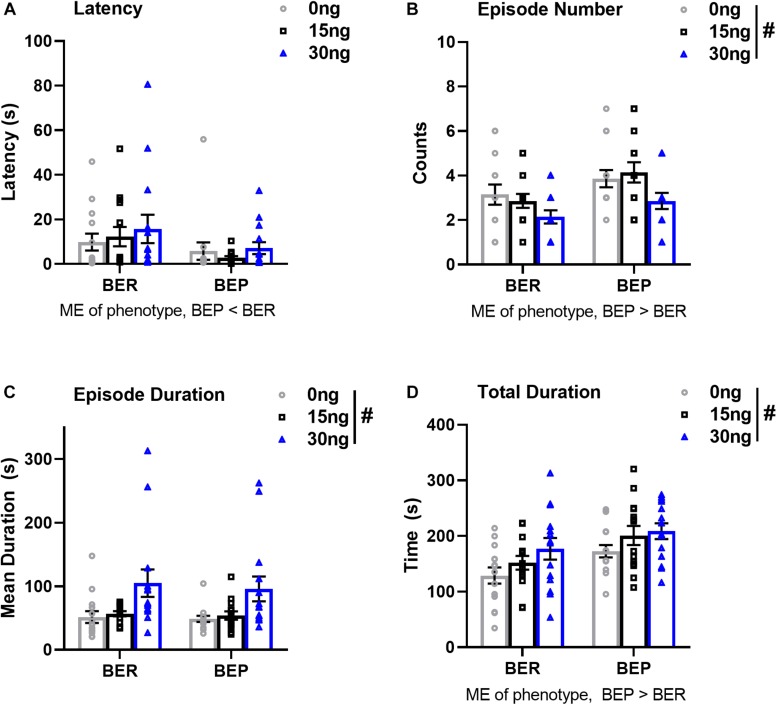
Binge eating is the core, maladaptive eating behavior that cuts across several major types of eating disorders. Binge eating is associated with a significant loss of control over palatable food (PF) intake, and deficits in behavioral control mechanisms, subserved by the prefrontal cortex (PFC), may underlie binge eating. Few studies, to date, have examined whether the PFC is directly involved in the expression of binge eating. As such, the present study investigated the functional role of the medial PFC (mPFC) in PF consumption, using an individual differences rat model of binge eating proneness. Here, we tested the hypothesis that binge eating proneness (i.e., high levels of PF consumption) is associated with reduced mPFC-mediated behavioral control over PF intake. In experiment 1, we quantified PF-induced Fos expression in both excitatory and inhibitory neurons within the mPFC in binge eating prone (BEP) and binge eating resistant (BER) female rats. In experiment 2, we pharmacologically inactivated the mPFC of BEP and BER female rats, just prior to PF exposure, and subsequently quantified PF intake and scores of feeding behavior. While most Fos-expressing neurons of the mPFC in both BEPs and BERs were of the excitatory phenotype, fewer excitatory neurons were engaged by PF in BEPs than in BERs. Moreover, pharmacological inactivation of the mPFC led to a significant increase in PF intake in both BEPs and BERs, but the rise in PF consumption was stronger in BEPs than in BERs. Thus, these data suggest that lower, PF-induced excitatory tone in the mPFC of BEP rats may lead to a weaker, mPFC-mediated behavioral "brake" over excessive PF intake.
暴饮暴食是核心的、适应不良的进食行为,贯穿于几种主要的饮食失调类型。暴饮暴食与对美味食物(PF)摄入的显著失控有关,而前额叶皮层(PFC)所支持的行为控制机制缺陷可能是暴饮暴食的基础。迄今为止,很少有研究探讨PFC是否直接参与暴饮暴食的表现。因此,本研究使用暴饮暴食倾向的个体差异大鼠模型,研究内侧前额叶皮层(mPFC)在PF消耗中的功能作用。在此,我们检验了以下假设:暴饮暴食倾向(即高水平的PF消耗)与mPFC介导的对PF摄入的行为控制减弱有关。在实验1中,我们量化了暴饮暴食倾向(BEP)和抗暴饮暴食(BER)雌性大鼠mPFC内兴奋性和抑制性神经元中PF诱导的Fos表达。在实验2中,我们在PF暴露前对BEP和BER雌性大鼠的mPFC进行药理学失活,随后量化PF摄入量和进食行为评分。虽然BEP和BER中mPFC的大多数表达Fos的神经元都是兴奋性表型,但与BER相比,PF激活的BEP中的兴奋性神经元较少。此外,mPFC的药理学失活导致BEP和BER的PF摄入量均显著增加,但BEP中PF消耗的增加比BER更强。因此,这些数据表明,BEP大鼠mPFC中较低的PF诱导兴奋性可能导致mPFC介导的对过量PF摄入的行为“刹车”减弱。