Curriculum in Toxicology & Environmental Medicine, University of North Carolina at Chapel Hill, Chapel Hill, North Carolina, United States of America.
Department of Genetics, University of North Carolina at Chapel Hill, Chapel Hill, North Carolina, United States of America.
PLoS One. 2019 Nov 20;14(11):e0225449. doi: 10.1371/journal.pone.0225449. eCollection 2019.
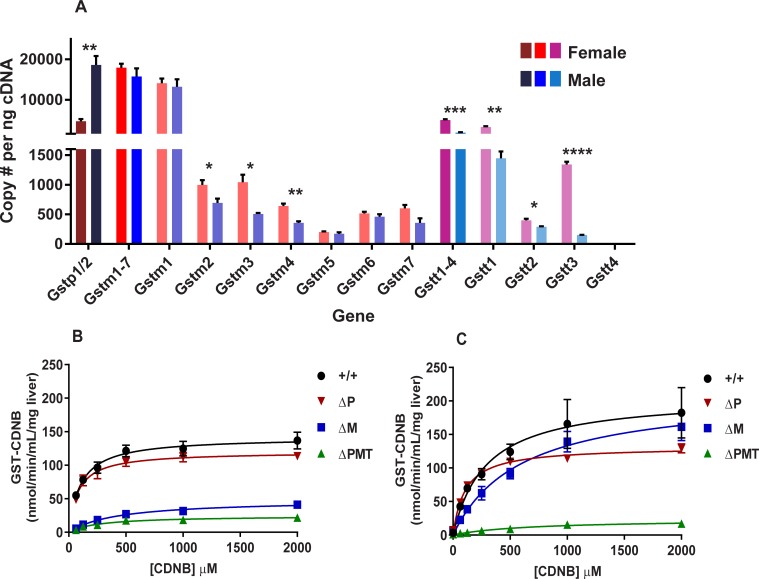
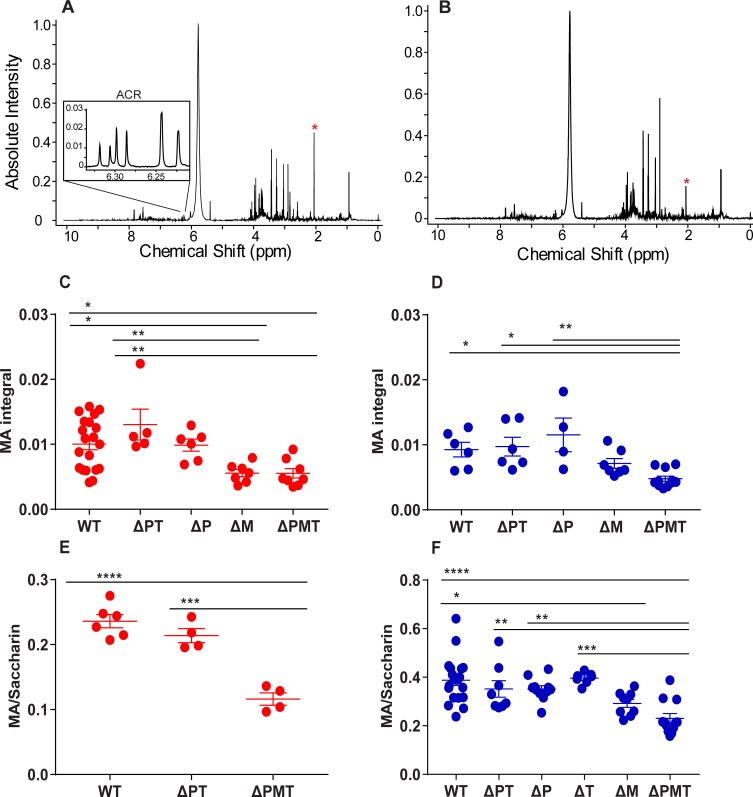
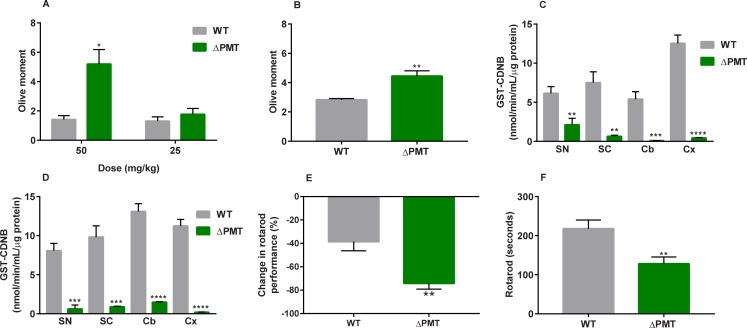
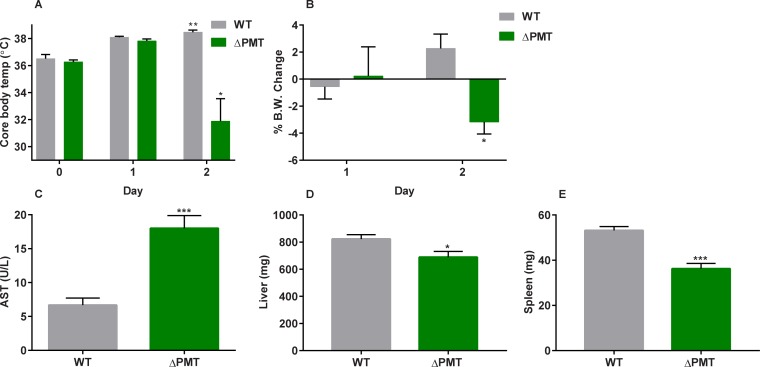
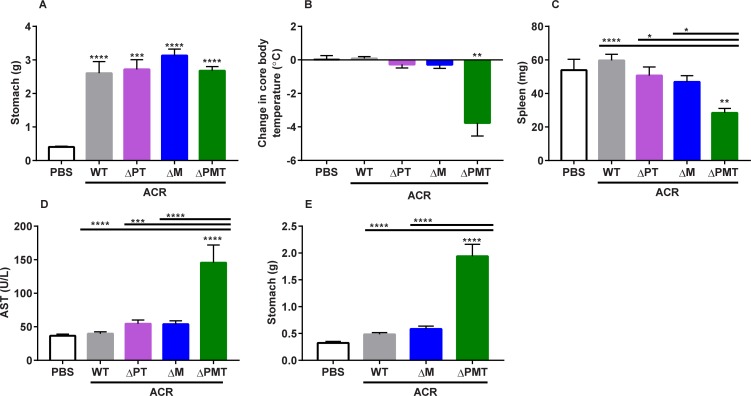
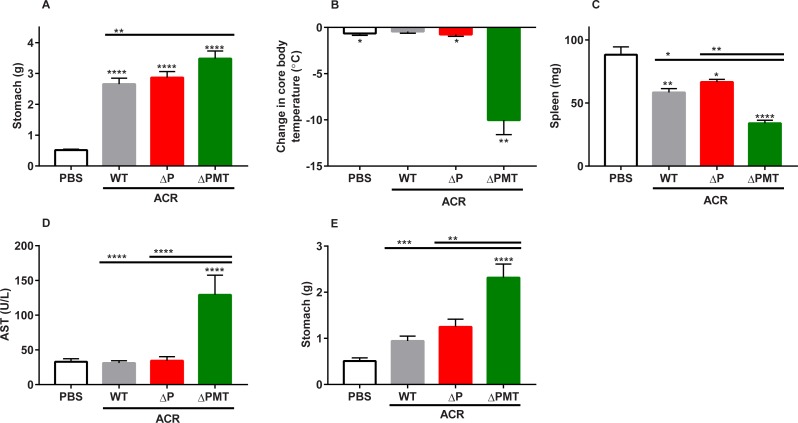
Environmental and endogenous electrophiles cause tissue damage through their high reactivity with endogenous nucleophiles such as DNA, proteins, and lipids. Protection against damage is mediated by glutathione (GSH) conjugation, which can occur spontaneously or be facilitated by the glutathione S-transferase (GST) enzymes. To determine the role of GST enzymes in protection against electrophiles as well as the role of specific GST families in mediating this protection, we exposed mutant mouse lines lacking the GSTP, GSTM, and/or GSTT enzyme families to the model electrophile acrylamide, a ubiquitous dietary contaminant known to cause adverse effects in humans. An analysis of urinary metabolites after acute acrylamide exposure identified the GSTM family as the primary mediator of GSH conjugation to acrylamide. However, surprisingly, mice lacking only this enzyme family did not show increased toxicity after an acute acrylamide exposure. Therefore, GSH conjugation is not the sole mechanism by which GSTs protect against the toxicity of this substrate. Given the prevalence of null GST polymorphisms in the human population (approximately 50% for GSTM1 and 20-50% for GSTT1), a substantial portion of the population may also have impaired acrylamide metabolism. However, our study also defines a role for GSTP and/or GSTT in protection against acrylamide mediated toxicity. Thus, while the canonical detoxification function of GSTs may be impaired in GSTM null individuals, disease risk secondary to acrylamide exposure may be mitigated through non-canonical pathways involving members of the GSTP and/or GSTT families.
环境和内源性亲电物通过与内源性亲核物(如 DNA、蛋白质和脂质)的高反应性而引起组织损伤。通过谷胱甘肽 (GSH) 缀合来防止损伤,这种缀合可以自发发生,也可以通过谷胱甘肽 S-转移酶 (GST) 酶来促进。为了确定 GST 酶在防止亲电性物质造成损伤中的作用以及特定 GST 家族在介导这种保护中的作用,我们使缺乏 GSTP、GSTM 和/或 GSTT 酶家族的突变小鼠品系暴露于模型亲电物丙烯酰胺中,丙烯酰胺是一种普遍存在的饮食污染物,已知会对人类造成不良影响。对急性丙烯酰胺暴露后的尿液代谢物进行分析,确定 GSTM 家族是 GSH 与丙烯酰胺缀合的主要介导者。然而,令人惊讶的是,仅缺乏这种酶家族的小鼠在急性丙烯酰胺暴露后并未显示出毒性增加。因此,GSH 缀合不是 GST 保护这种底物毒性的唯一机制。鉴于人类人群中 GST 缺失多态性的普遍性(GSTM1 约为 50%,GSTT1 约为 20-50%),很大一部分人群可能也会使丙烯酰胺代谢受损。然而,我们的研究也定义了 GSTP 和/或 GSTT 在丙烯酰胺介导的毒性保护中的作用。因此,虽然 GST 缺乏 GSTM 的典型解毒功能可能会受损,但由于丙烯酰胺暴露而导致的疾病风险可能会通过涉及 GSTP 和/或 GSTT 家族成员的非典型途径得到缓解。