Department of Microbiology and Immunology, Emory University School of Medicine, Atlanta, GA.
J Exp Med. 2020 Feb 3;217(2). doi: 10.1084/jem.20190668.
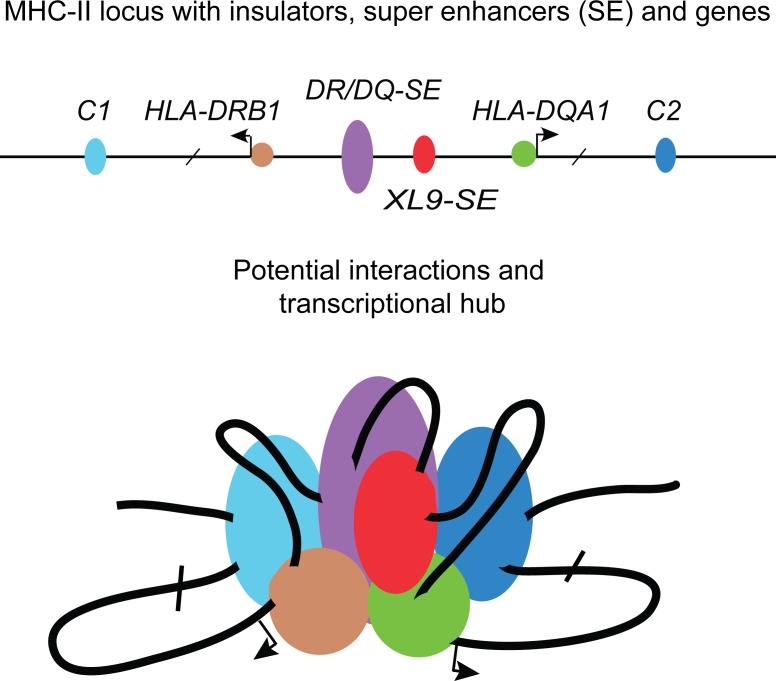
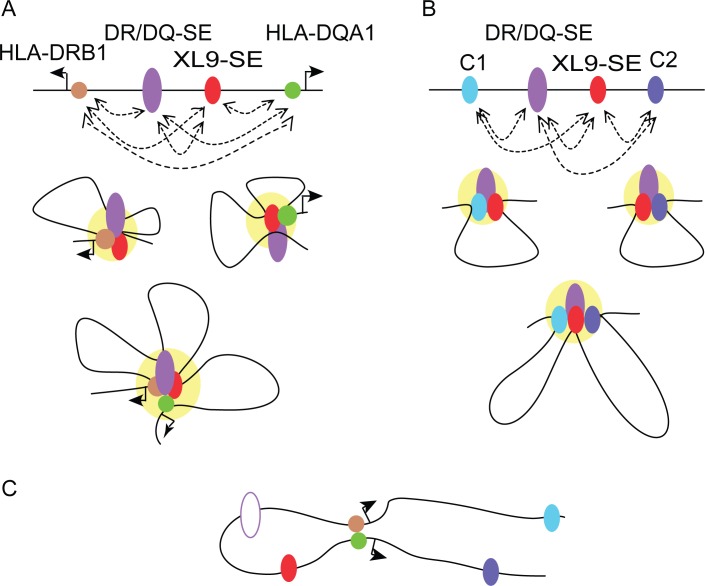
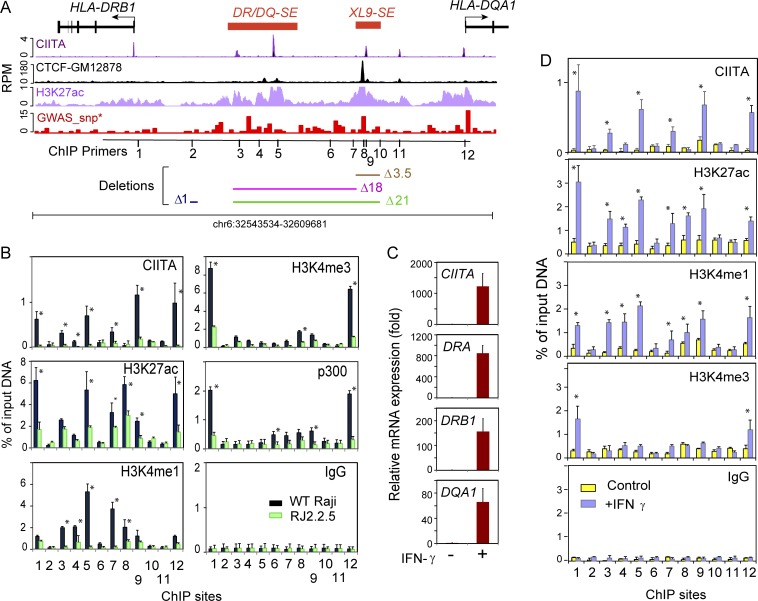
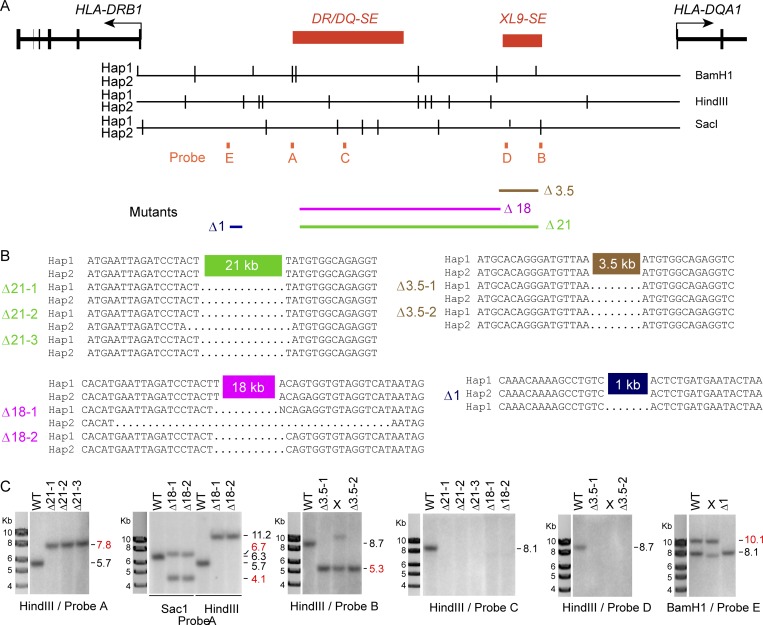
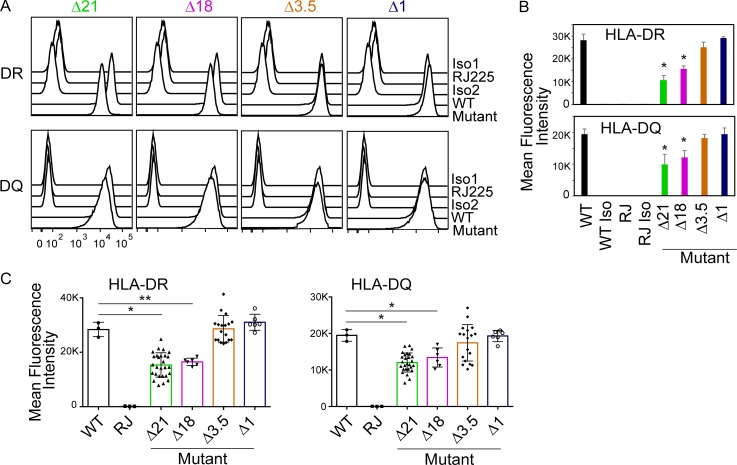
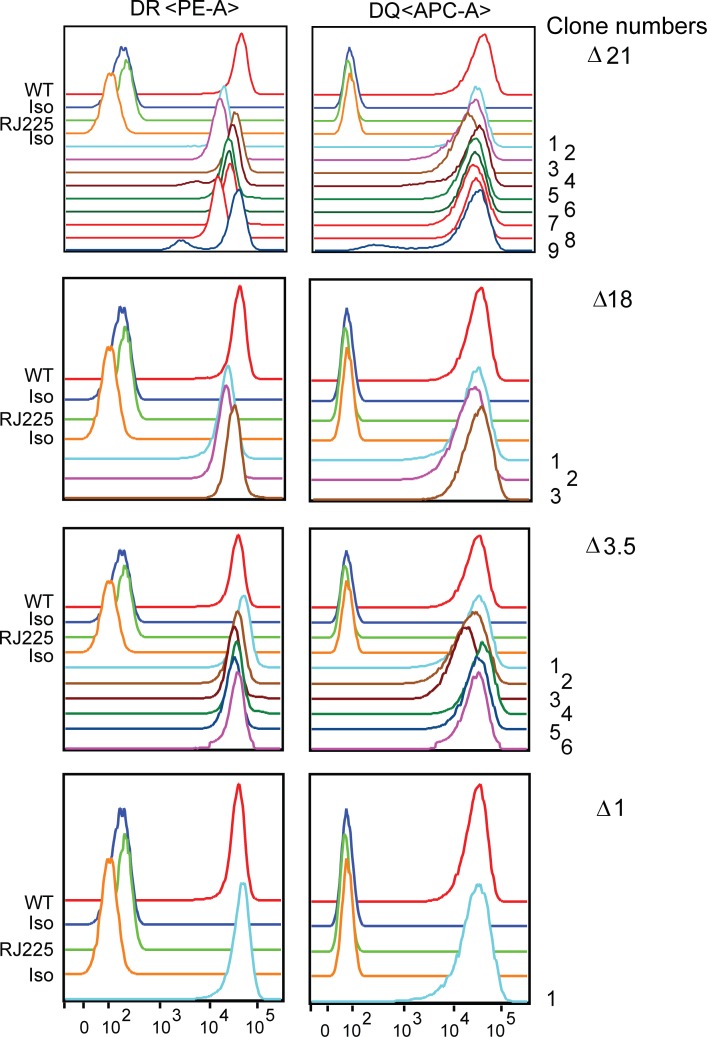
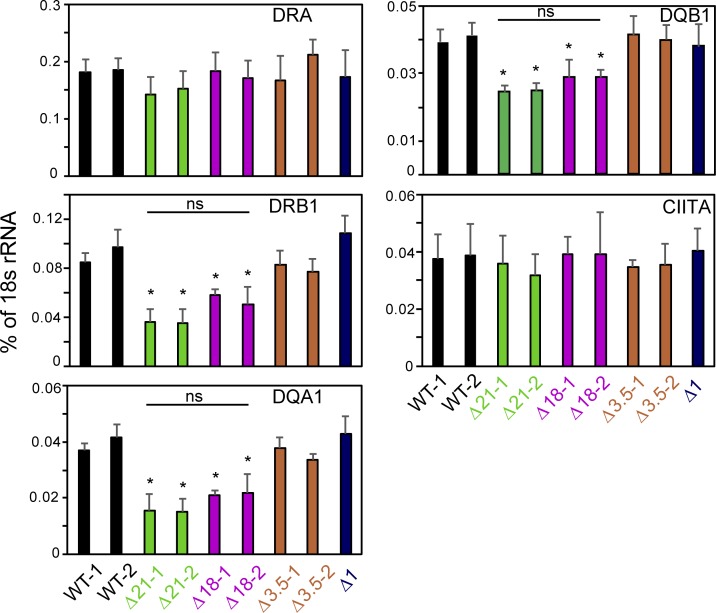
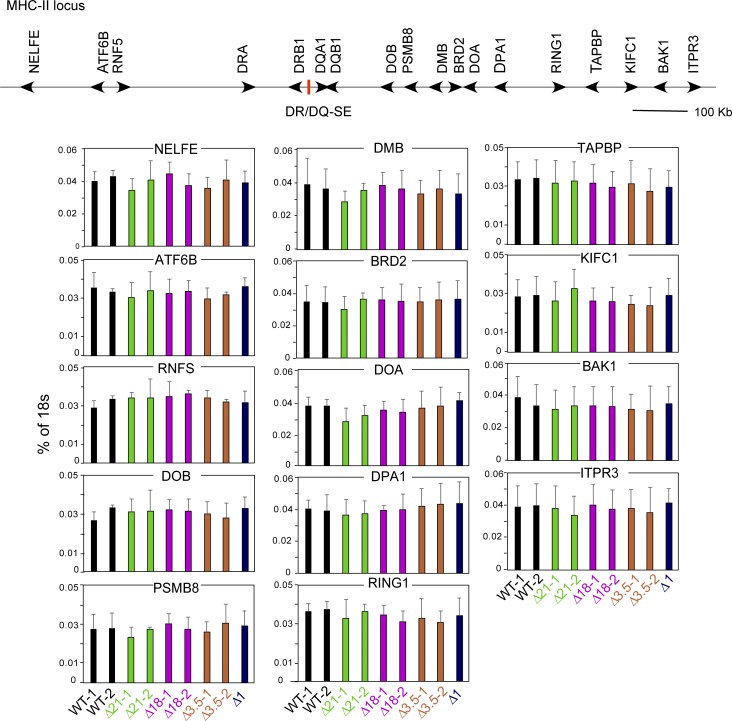
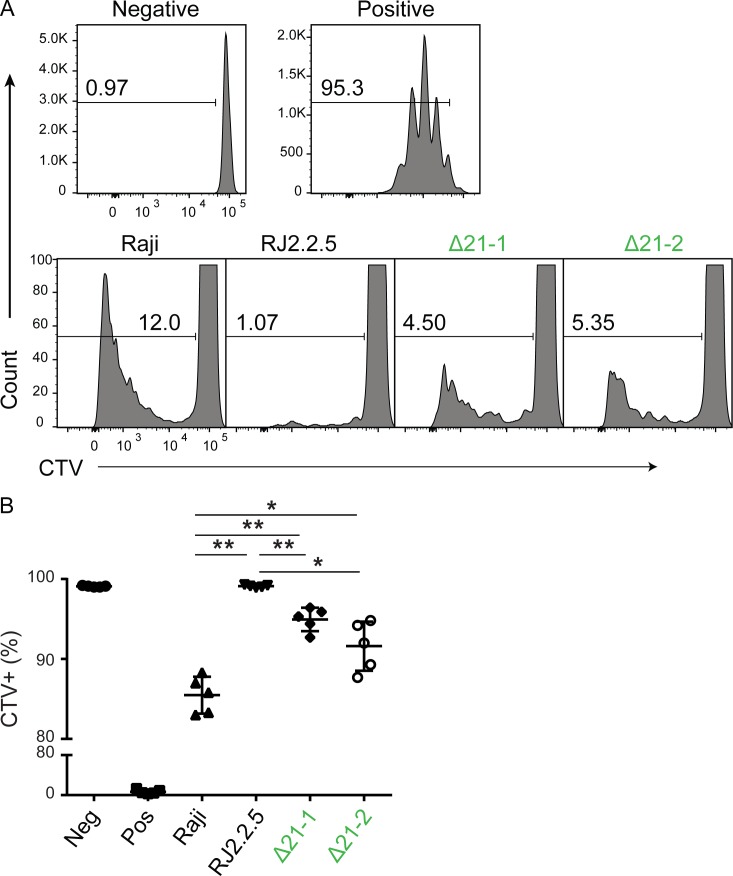
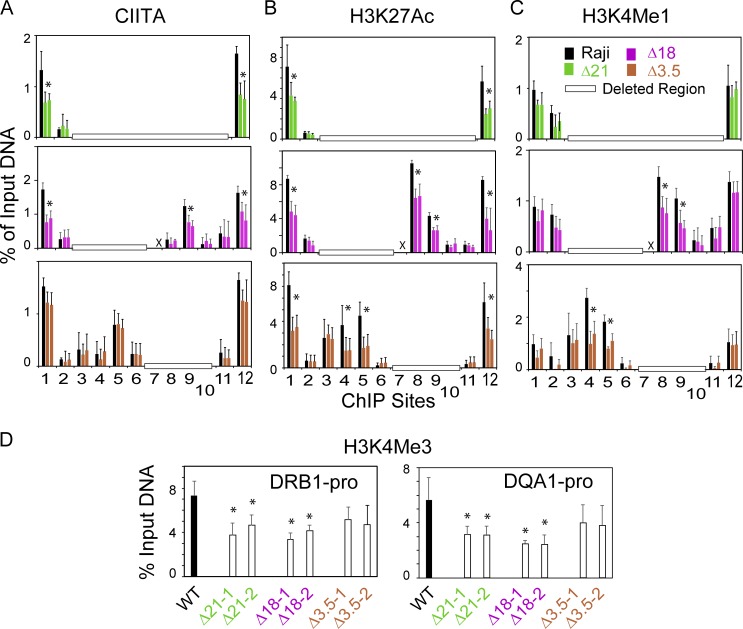
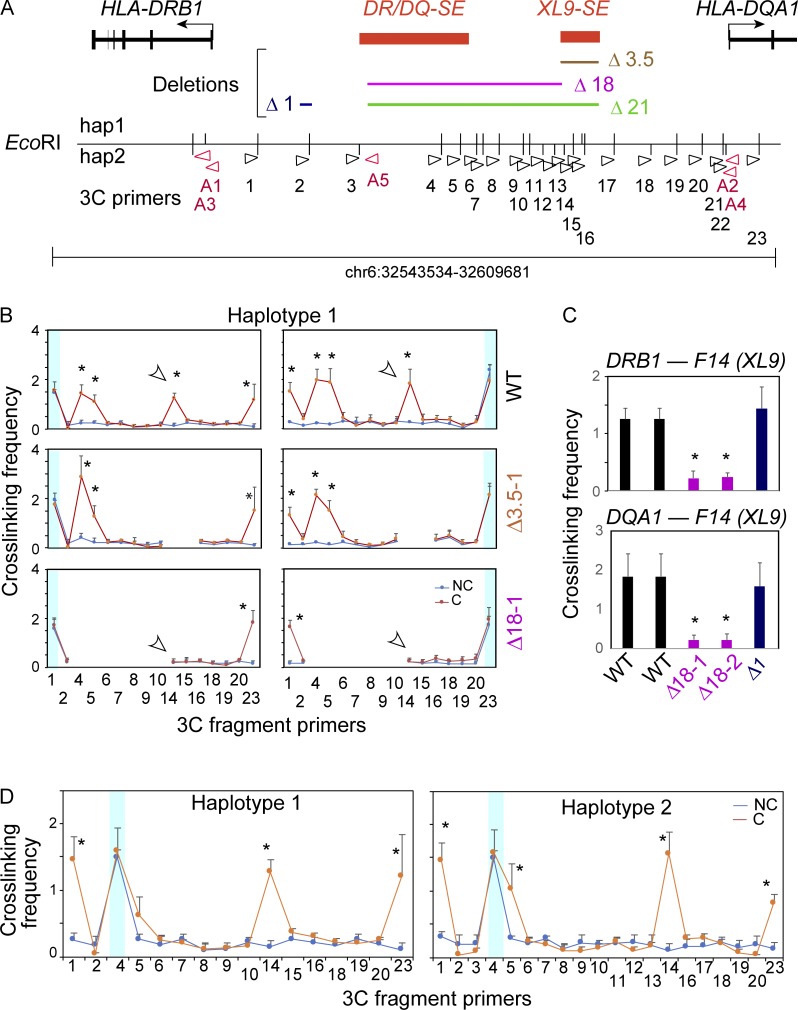
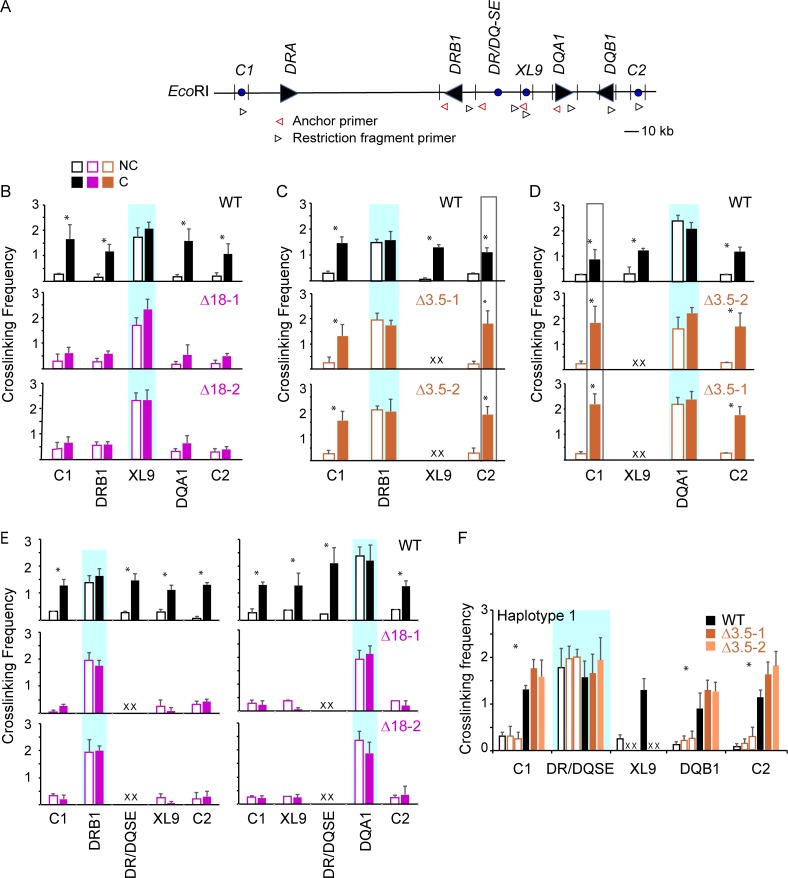
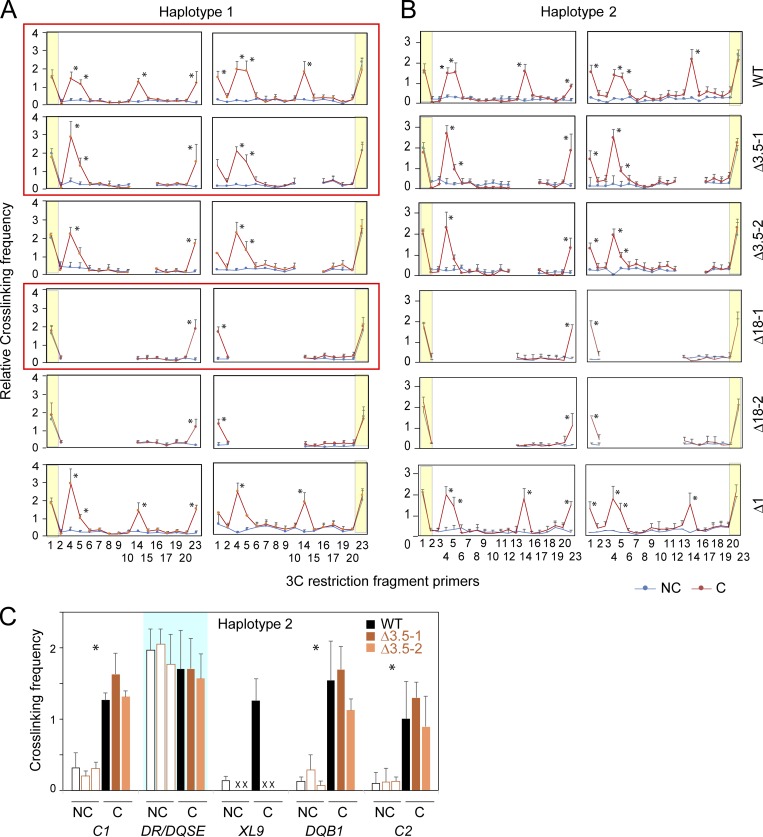
Super enhancers (SEs) play critical roles in cell type-specific gene regulation. The mechanisms by which such elements work are largely unknown. Two SEs termed DR/DQ-SE and XL9-SE are situated within the human MHC class II locus between the HLA-DRB1 and HLA-DQA1 genes and are highly enriched for disease-causing SNPs. To test the function of these elements, we used CRISPR/Cas9 to generate a series of mutants that deleted the SE. Deletion of DR/DQ-SE resulted in reduced expression of HLA-DRB1 and HLA-DQA1 genes. The SEs were found to interact with each other and the promoters of HLA-DRB1 and HLA-DQA1. DR/DQ-SE also interacted with neighboring CTCF binding sites. Importantly, deletion of DR/DQ-SE reduced the local chromatin interactions, implying that it functions as the organizer for the local three-dimensional architecture. These data provide direct mechanisms by which an MHC-II SE contributes to expression of the locus and suggest how variation in these SEs may contribute to human disease and altered immunity.
超级增强子(SEs)在细胞类型特异性基因调控中发挥关键作用。这些元件的工作机制在很大程度上尚不清楚。两个 SEs,称为 DR/DQ-SE 和 XL9-SE,位于人类 MHC 类 II 基因座 HLA-DRB1 和 HLA-DQA1 基因之间,富含致病 SNP。为了测试这些元件的功能,我们使用 CRISPR/Cas9 生成了一系列缺失 SE 的突变体。DR/DQ-SE 的缺失导致 HLA-DRB1 和 HLA-DQA1 基因的表达减少。发现 SE 相互作用,与 HLA-DRB1 和 HLA-DQA1 的启动子相互作用。DR/DQ-SE 还与相邻的 CTCF 结合位点相互作用。重要的是,DR/DQ-SE 的缺失减少了局部染色质相互作用,表明它作为局部三维结构的组织者发挥作用。这些数据提供了 MHC-II SE 促进基因座表达的直接机制,并表明这些 SE 的变异如何导致人类疾病和免疫改变。