Department of Anesthesiology, Renji Hospital, School of Medicine, Shanghai Jiaotong University, Shanghai, China.
Department of Radiology, Renji Hospital, School of Medicine, Shanghai Jiaotong University, Shanghai, China.
CNS Neurosci Ther. 2019 Dec;25(12):1343-1352. doi: 10.1111/cns.13260. Epub 2019 Nov 22.
Delayed thrombolytic therapy with recombinant tissue plasminogen activator (tPA) may exacerbate blood-brain barrier (BBB) breakdown after ischemic stroke and lead to catastrophic hemorrhagic transformation (HT). Rosiglitazone(RSG), a widely used antidiabetic drug that activates peroxisome proliferator-activated receptor-γ (PPAR-γ), has been shown to protect against cerebral ischemia through promoting poststroke microglial polarization toward the beneficial anti-inflammatory phenotype. However, whether RSG can alleviate HT after delayed tPA treatment remains unknown. In this study, we sort to examine the role of RSG on tPA-induced HT after stroke.
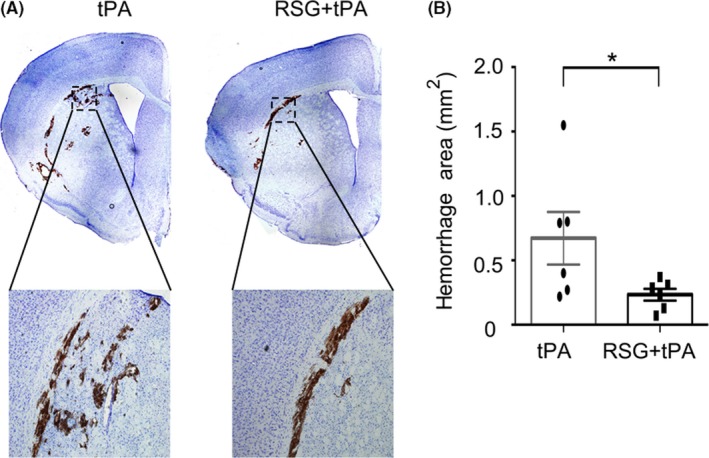
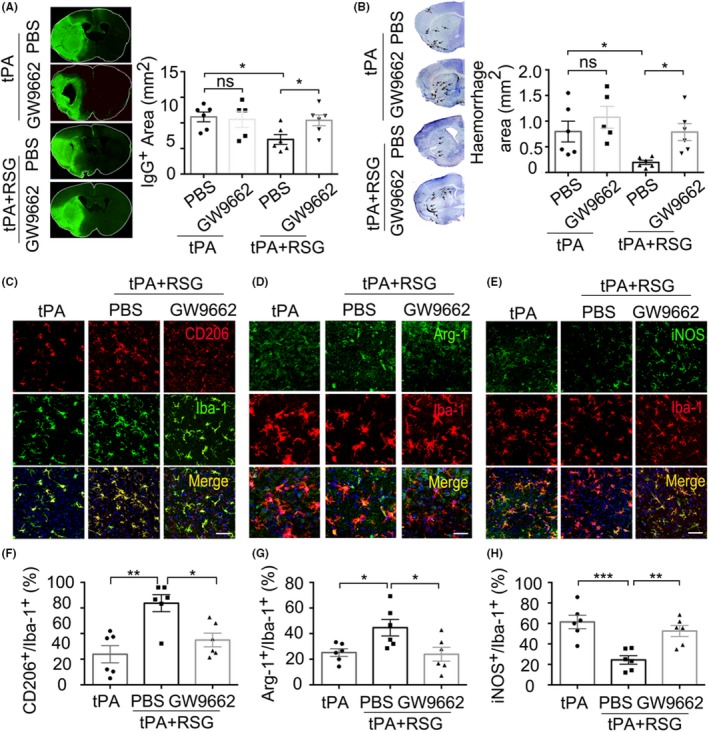
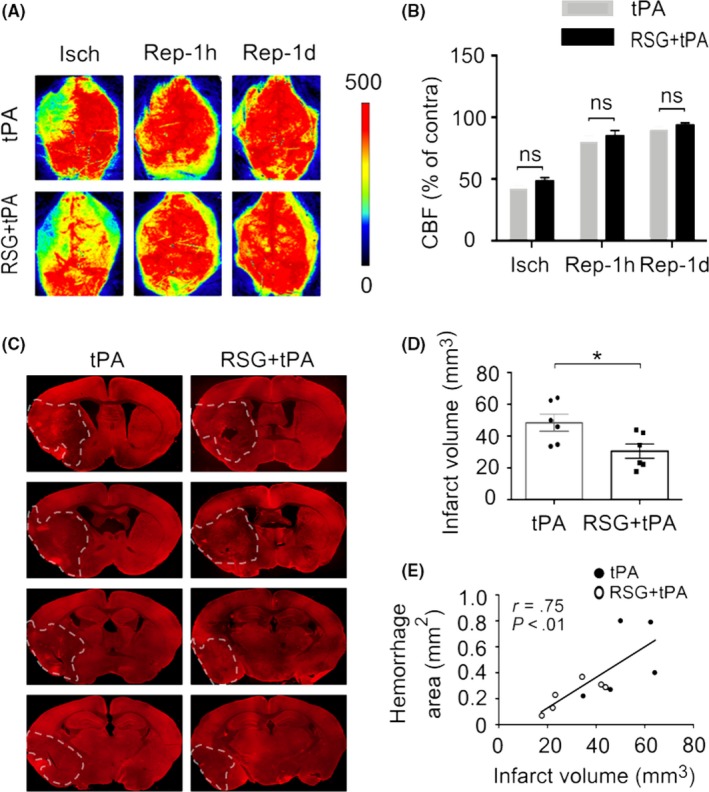
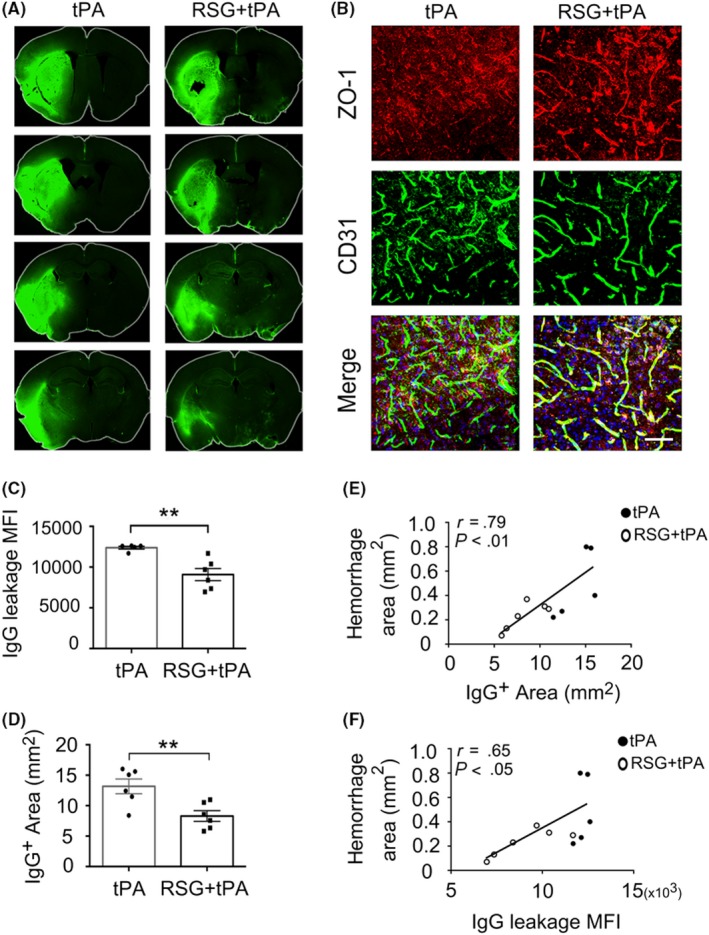
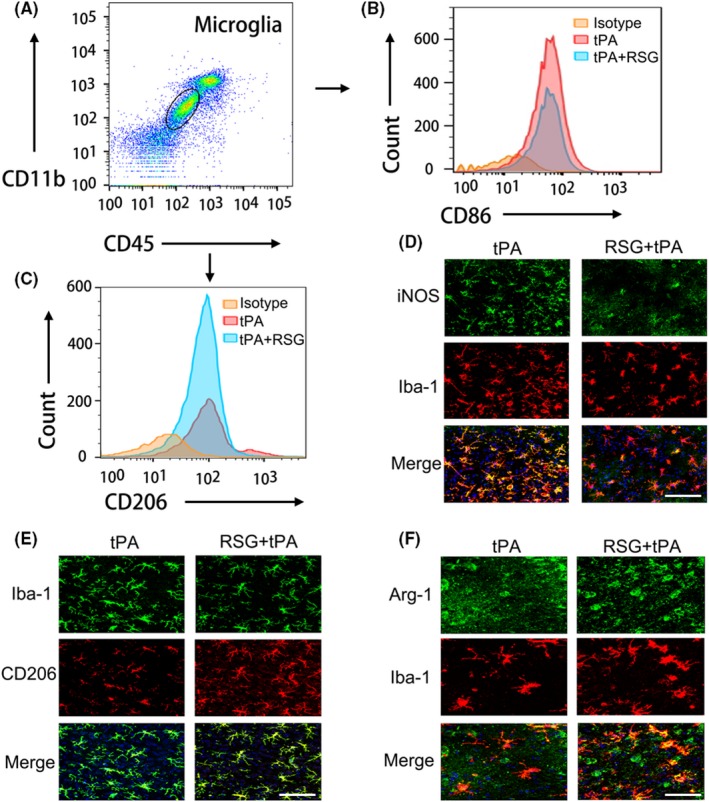
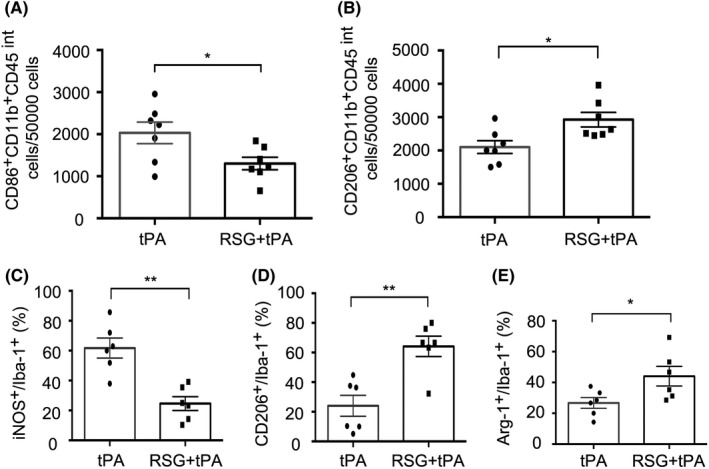
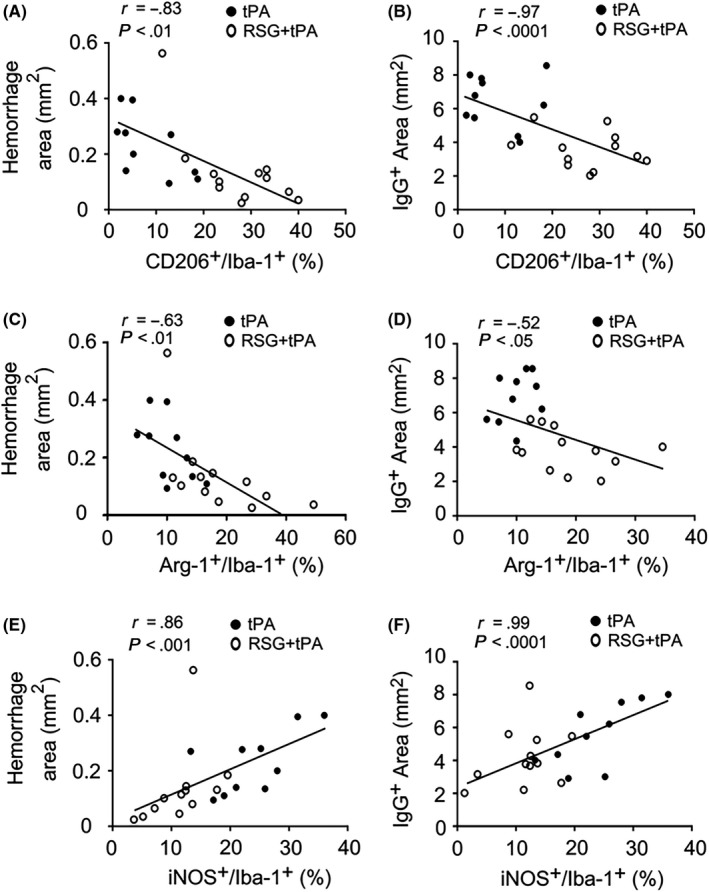
We used the murine suture middle cerebral artery occlusion (MCAO) models of stroke followed by delayed administration of tPA (10 mg/kg, 2 hours after suture occlusion) to investigate the therapeutic potential of RSG against tPA-induced HT. When RSG(6 mg/kg) was intraperitoneally administered 1 hour before MCAO in tPA-treated MCAO mice, HT in the ischemic territory was significantly attenuated 1 day after stroke. In the tPA-treated MCAO mice, we found RSG significantly mitigated BBB disruption and hemorrhage development compared to tPA-alone-treated stroke mice. Using flow cytometry and immunostaining, we confirmed that the expression of CD206 was significantly upregulated while the expression of iNOS was down-regulated in microglia of the RSG-treated mice. We further found that the expression of Arg-1 was also upregulated in those tPA and RSG-treated stroke mice and the protection against tPA-induced HT and BBB disruption in these mice were abolished in the presence of PPAR-γ antagonist GW9662 (4 mg/kg, 1 hour before dMCAO through intraperitoneal injection).
RSG treatment protects against BBB damage and ameliorates HT in delayed tPA-treated stroke mice by activating PPAR-γ and favoring microglial polarization toward anti-inflammatory phenotype.
重组组织型纤溶酶原激活剂(tPA)的延迟溶栓治疗可能会加重缺血性卒中后的血脑屏障(BBB)破裂,并导致灾难性的出血性转化(HT)。罗格列酮(RSG)是一种广泛使用的抗糖尿病药物,可通过激活过氧化物酶体增殖物激活受体-γ(PPAR-γ)来保护脑缺血,已被证明可通过促进卒中后小胶质细胞向有益的抗炎表型极化来减轻 HT。然而,RSG 是否能减轻 tPA 治疗后 HT 尚不清楚。在本研究中,我们旨在研究 RSG 在缺血性卒中后 tPA 诱导的 HT 中的作用。
我们使用了卒中后延迟给予 tPA(缝线闭塞后 2 小时给予 10mg/kg)的小鼠线栓大脑中动脉闭塞(MCAO)模型,以研究 RSG 对 tPA 诱导的 HT 的治疗潜力。当 RSG(6mg/kg)在 MCAO 前 1 小时腹腔内给药时,tPA 治疗的 MCAO 小鼠缺血区的 HT 明显减轻。在 tPA 治疗的 MCAO 小鼠中,我们发现与 tPA 单药治疗的卒中小鼠相比,RSG 显著减轻了 BBB 破坏和出血发展。通过流式细胞术和免疫染色,我们证实了在 RSG 处理的小鼠中,CD206 的表达明显上调,而 iNOS 的表达下调。我们进一步发现,在这些接受 tPA 和 RSG 治疗的卒中小鼠中,Arg-1 的表达也上调,并且在存在 PPAR-γ 拮抗剂 GW9662(4mg/kg,通过腹腔注射在 dMCAO 前 1 小时)时,这些小鼠对 tPA 诱导的 HT 和 BBB 破坏的保护作用被消除。
RSG 通过激活 PPAR-γ 治疗,有利于小胶质细胞向抗炎表型极化,从而保护 BBB 免受损伤,并改善延迟 tPA 治疗的卒中小鼠的 HT。