Institute of Brain and Behavioral Sciences, College of Life Sciences, Shaanxi Normal University, Xi'an, China.
College of Life Sciences, Nanyang Normal University, Nanyang, China.
Int J Neuropsychopharmacol. 2020 Nov 26;23(8):511-523. doi: 10.1093/ijnp/pyz060.
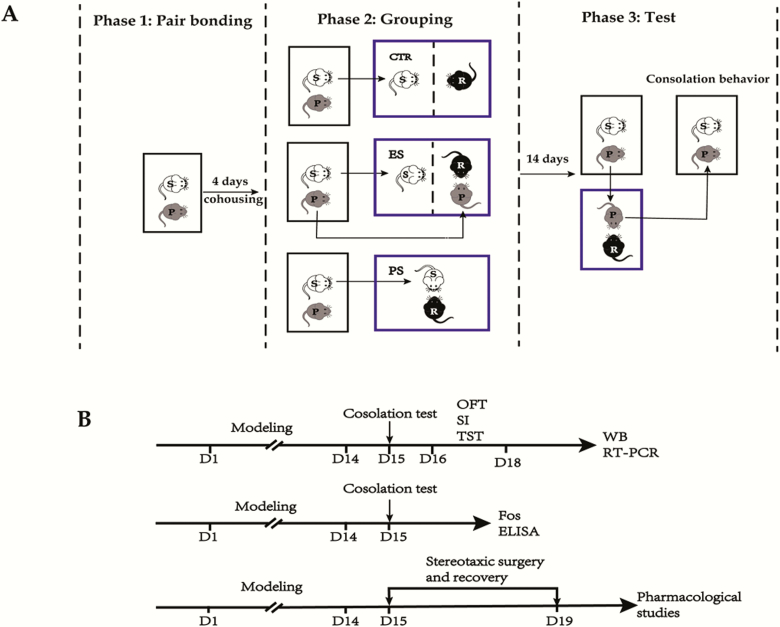
Consolation is a type of empathy-like behavior that has recently been observed in some socially living rodents. Despite the growing body of literature suggesting that stress affects empathy, the relationship between stress and consolation remains understudied at the preclinical level. Here, we examined the effects of chronic emotional stress or physical stress exposure on consolation and emotional behaviors by using the socially monogamous mandarin vole (Microtus mandarinus) in both males and females.
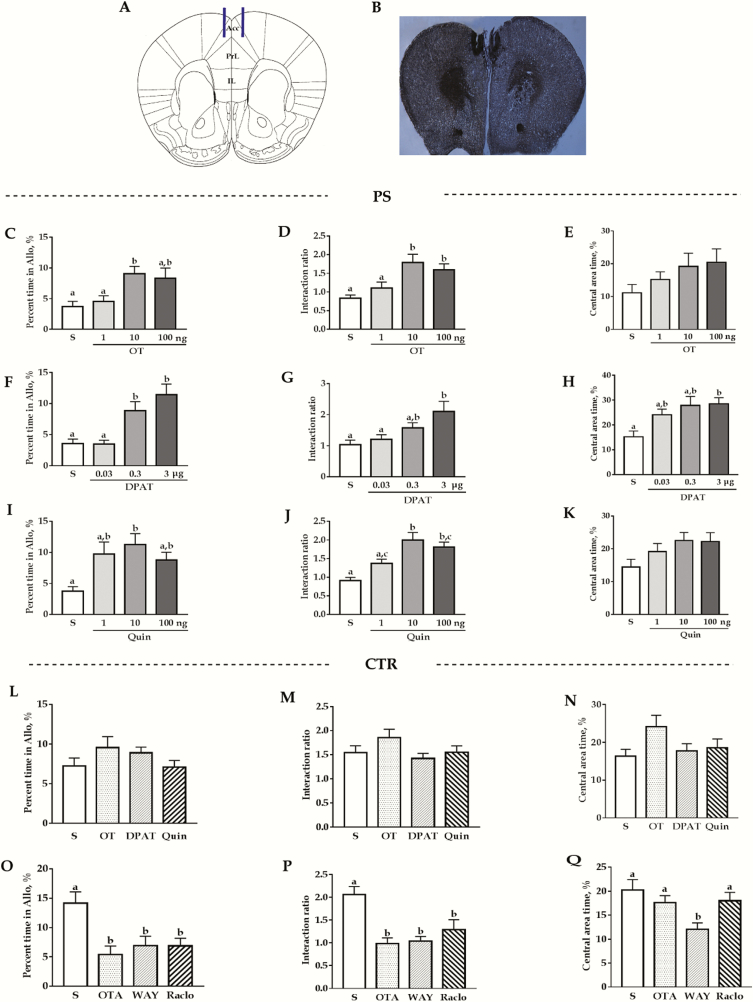
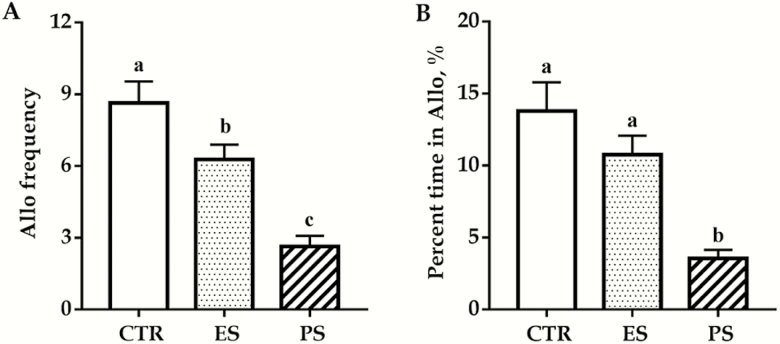
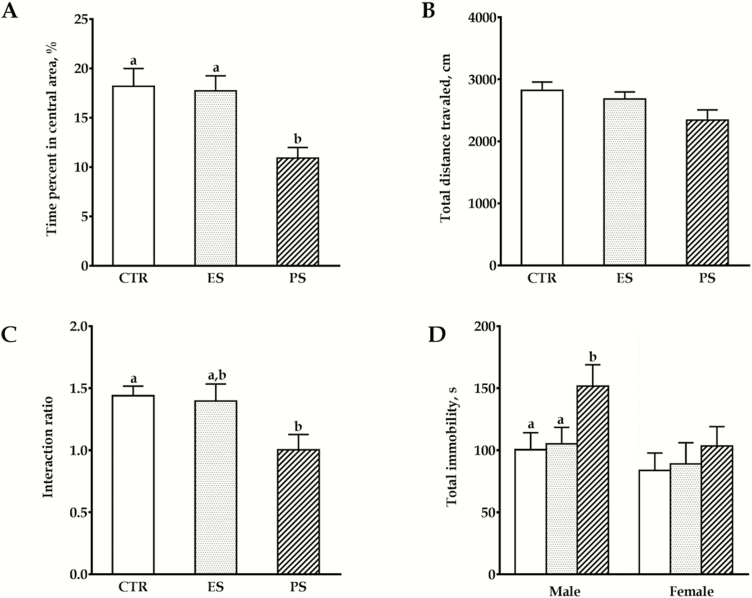
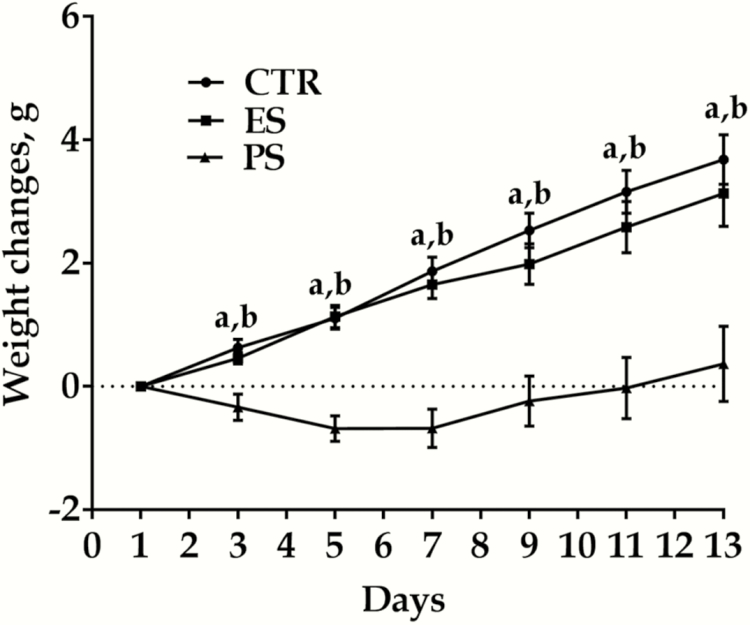
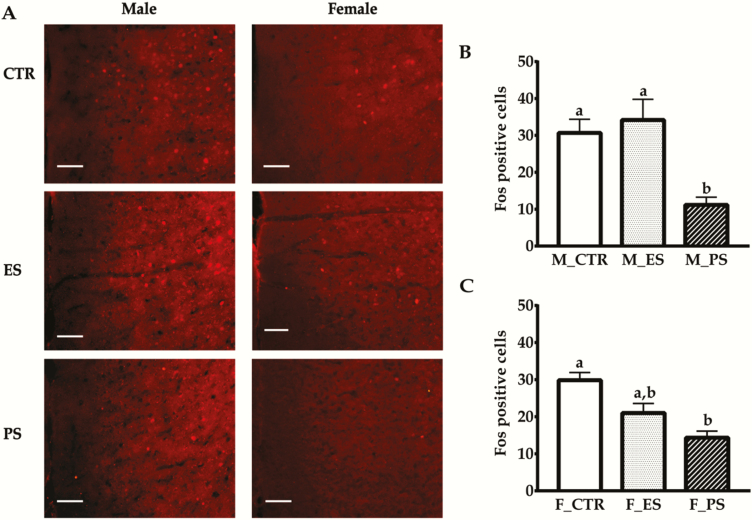
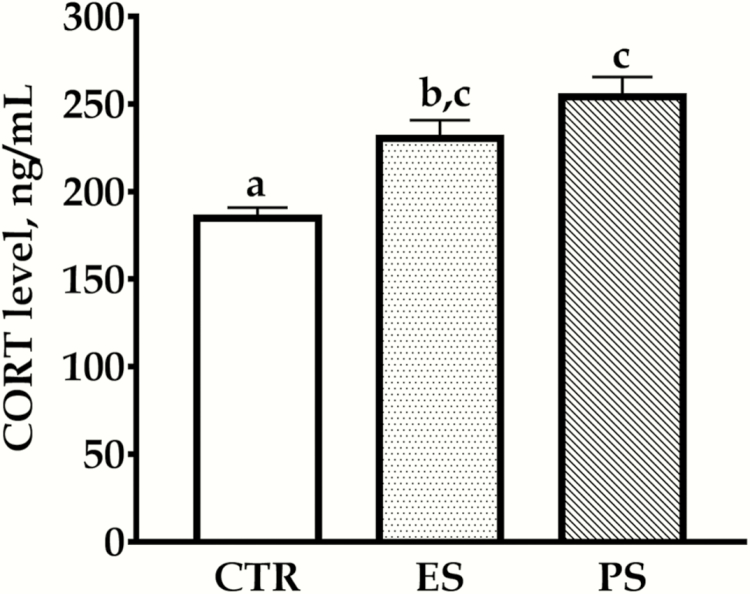
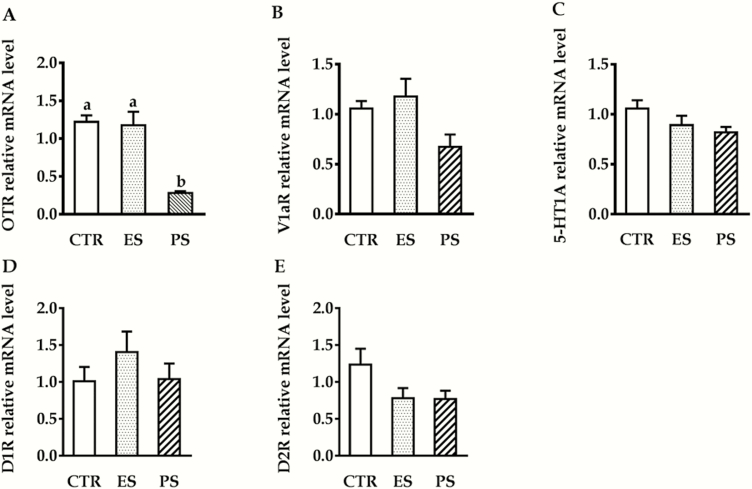
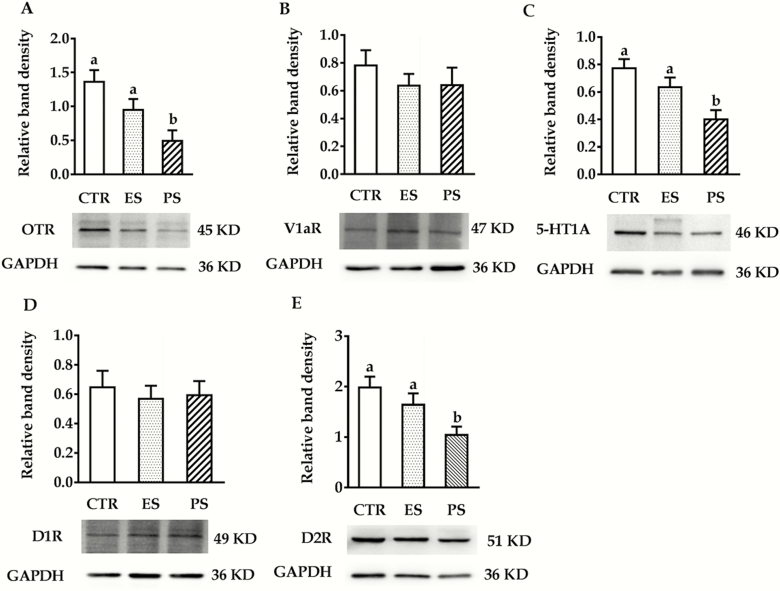
METHOD/RESULTS: Physical stress voles were exposed to 14-day social defeat stress, whereas emotional stress voles vicariously experienced the defeat of their partners. We found that physical stress, but not emotional stress, voles showed reduced grooming toward their defeated partners and increased anxiety- and despair-like behaviors. Meanwhile, physical stress voles exhibited decreased neural activity in the anterior cingulate cortex, which is centrally involved in empathy. The densities of oxytocin receptors, dopamine D2 receptors, and serotonin 1A-receptors within the anterior cingulate cortex were significantly decreased in the physical stress group compared with controls. All the behavioral and physiological changes were similar between the sexes. Finally, we found that the reduced consolation behavior and some anxiety-like syndromes in physical stress voles could be alleviated by pretreatment with an oxytocin receptor, D2 receptors, or serotonin 1A-receptor agonist within the anterior cingulate cortex, whereas injections of corresponding receptor antagonists to the control voles decreased the consolation behavior and increased some anxiety-like behaviors.
Our results indicated that chronic physical stress exposure impaired consolation and induced anxiety-like behaviors in mandarin voles and oxytocin receptors, 5-HT1A receptors, and D2 receptors within the anterior cingulate cortex may play important roles in these processes.
慰藉是一种类似同理心的行为,最近在一些社会性的啮齿动物中观察到。尽管越来越多的文献表明压力会影响同理心,但在临床前水平,压力与慰藉之间的关系仍未得到充分研究。在这里,我们通过使用社会一夫一妻制的蒙古沙鼠(Microtus mandarinus)在雄性和雌性中,检查了慢性情绪应激或躯体应激暴露对慰藉和情绪行为的影响。
方法/结果:躯体应激沙鼠暴露于 14 天的社交挫败应激中,而情绪应激沙鼠则间接经历了其伴侣的挫败。我们发现,躯体应激,而不是情绪应激,沙鼠对其被击败的伴侣的梳理行为减少,并且表现出焦虑和绝望样行为增加。同时,躯体应激沙鼠在前扣带回皮层中的神经活动减少,该脑区在同理心的中心涉及。与对照组相比,躯体应激组的前扣带回皮层中的催产素受体、多巴胺 D2 受体和 5-羟色胺 1A 受体的密度显著降低。所有的行为和生理变化在两性之间均相似。最后,我们发现,在前扣带皮层中预先给予催产素受体、D2 受体或 5-羟色胺 1A 受体激动剂可以减轻躯体应激沙鼠的慰藉行为和一些焦虑样综合征,而向对照组沙鼠注射相应的受体拮抗剂则降低了慰藉行为并增加了一些焦虑样行为。
我们的结果表明,慢性躯体应激暴露会损害蒙古沙鼠的慰藉行为,并引起焦虑样行为,而前扣带皮层中的催产素受体、5-HT1A 受体和 D2 受体可能在这些过程中发挥重要作用。