CORE Group Polio Project/South Sudan, Juba, South Sudan.
HIGH PSL 9114 LTD., Juba, South Sudan.
Am J Trop Med Hyg. 2019 Oct;101(4_Suppl):91-99. doi: 10.4269/ajtmh.19-0120.
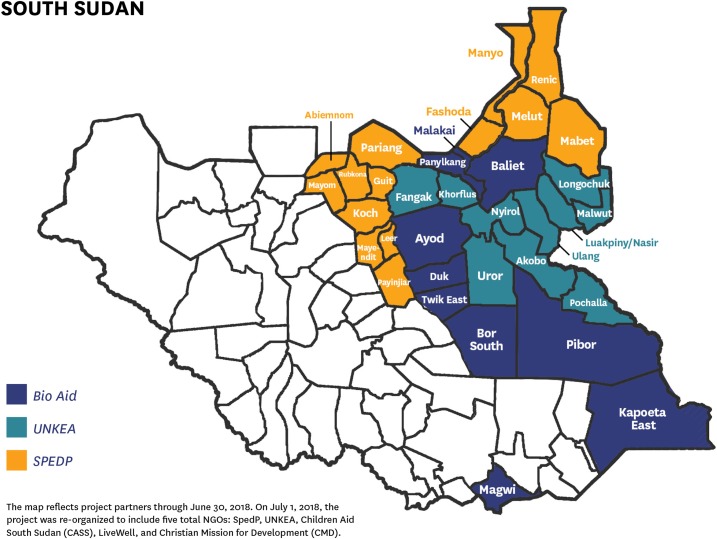
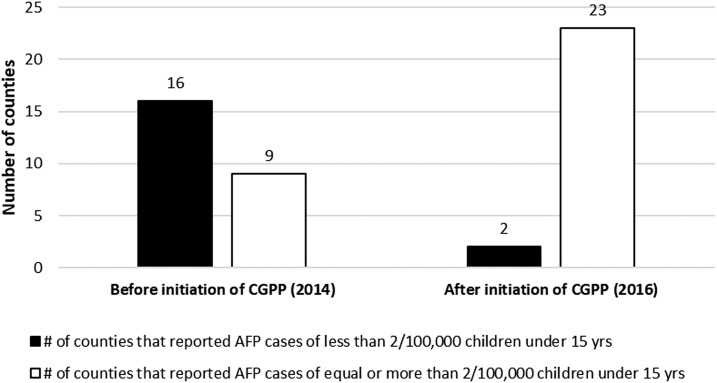
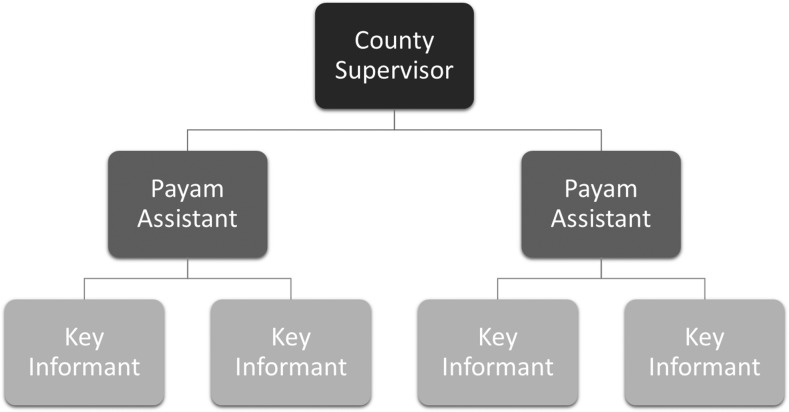
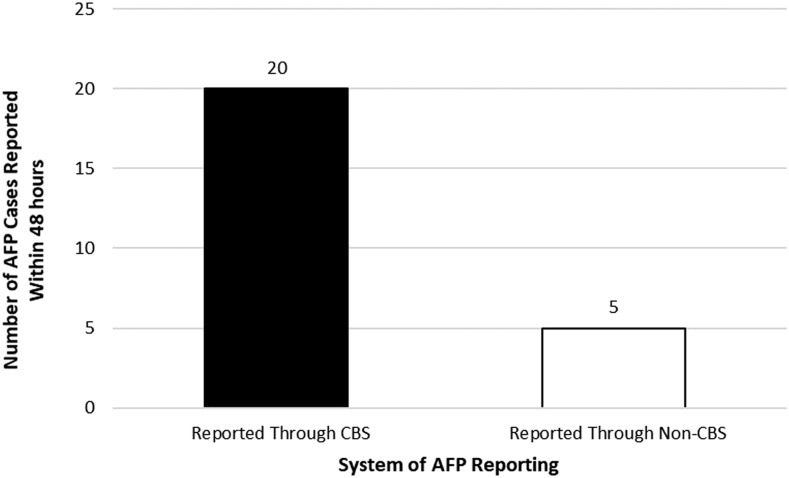
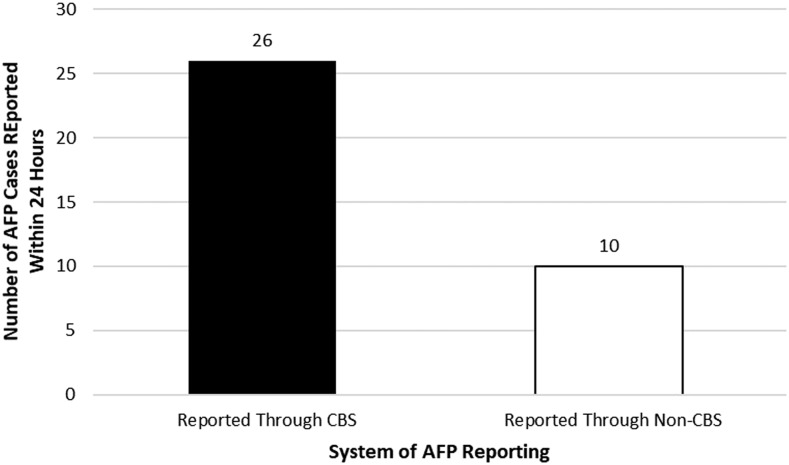
This article describes the functionality and effectiveness of a community-based acute flaccid paralysis (AFP) surveillance system designed and implemented by the CORE Group Polio Project (CGPP) in conflict-affected and inaccessible areas of South Sudan between October 2015 and September 2017. The findings are based on interviews with key informants and focus group discussions as well as data from the CGPP and the management information system of the WHO. Through the implementing partners, the CGPP identified and built the capacity of the community-based surveillance (CBS) system, a system consisting of county supervisors, payam (sub-county) assistants, and community key informants. This structure played a critical role in the identification and reporting of AFP cases. The CGPP also established partnerships with other key players-local and international-to reach greater numbers of people, particularly displaced populations. Evaluation findings show an increase from 0.0% to 56.4% of cases reported through the CBS system between January 2016 and June 2017, and 80.0% of the cases reported within WHO standards of 24-48 hours were through the CBS system, whereas 20.0% were through the facility-based system. The CBS system also recorded an increase from 36.0% in 2014 to 92.0% in December 2016 for the number of counties that were reporting AFP. A CBS system is, therefore, a valuable complement to facility-based surveillance in insecure environments or where the population has limited access to facilities. Community-based surveillance systems also have the potential to identify cases of other infectious diseases of public health importance.
本文描述了由 CORE 集团脊灰项目(CGPP)在 2015 年 10 月至 2017 年 9 月期间在南苏丹受冲突影响和难以进入的地区设计和实施的基于社区的急性弛缓性麻痹(AFP)监测系统的功能和效果。调查结果基于对关键信息者的访谈和焦点小组讨论以及 CGPP 和世界卫生组织管理信息系统的数据。通过实施伙伴,CGPP 确定并建立了基于社区的监测(CBS)系统的能力,该系统由县监督员、县助理和社区关键信息者组成。该结构在 AFP 病例的识别和报告中发挥了关键作用。CGPP 还与其他主要参与者(包括当地和国际参与者)建立了合作伙伴关系,以覆盖更多人群,特别是流离失所者。评估结果显示,2016 年 1 月至 2017 年 6 月期间,通过 CBS 系统报告的病例从 0.0%增加到 56.4%,在符合世卫组织 24-48 小时标准的报告病例中,80.0%是通过 CBS 系统报告的,而 20.0%是通过机构为基础的系统报告的。CBS 系统还记录了 2014 年报告 AFP 的县数量从 36.0%增加到 2016 年 12 月的 92.0%。因此,在不安全环境或人群获得设施服务有限的情况下,CBS 系统是对机构为基础的监测的一种有价值的补充。基于社区的监测系统也有可能识别其他具有公共卫生重要性的传染病病例。