Department of Orthopaedic Surgery, Nanjing First Hospital, Nanjing Medical University, Nanjing, China.
Orthop Surg. 2019 Dec;11(6):1003-1012. doi: 10.1111/os.12564. Epub 2019 Nov 24.
To compare and analyze the clinical outcomes of the proximal humeral internal locking system (PHILOS) alone and the PHILOS combined with fibular allograft in the treatment of Neer three- and four-part proximal humerus fractures (PHF) in the elderly.
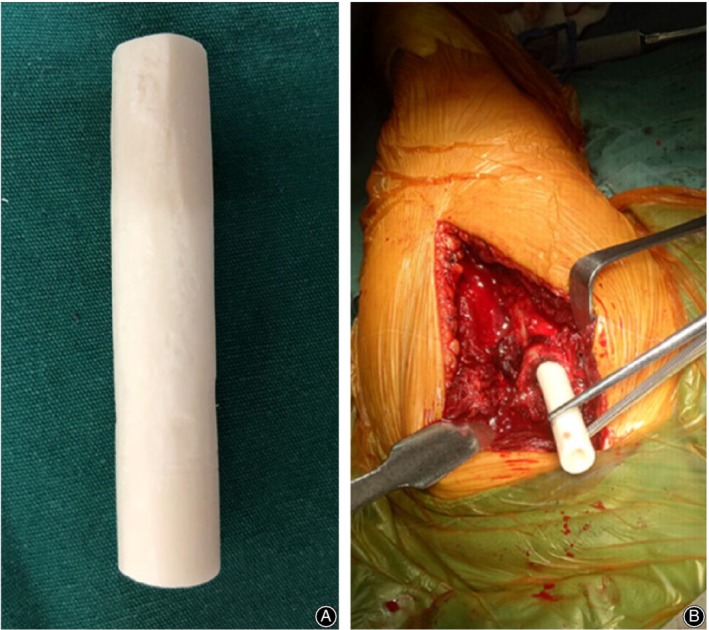
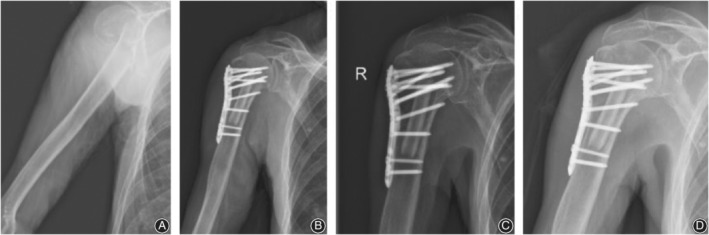
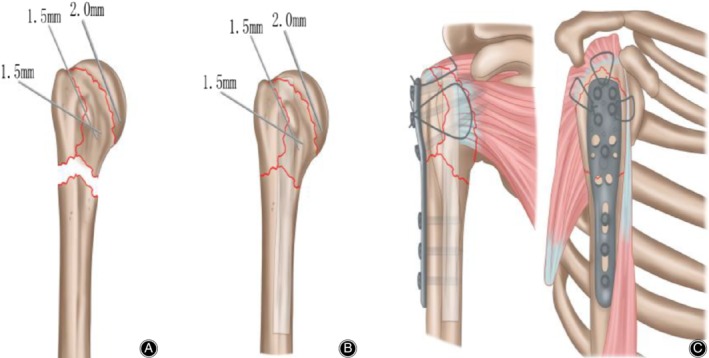
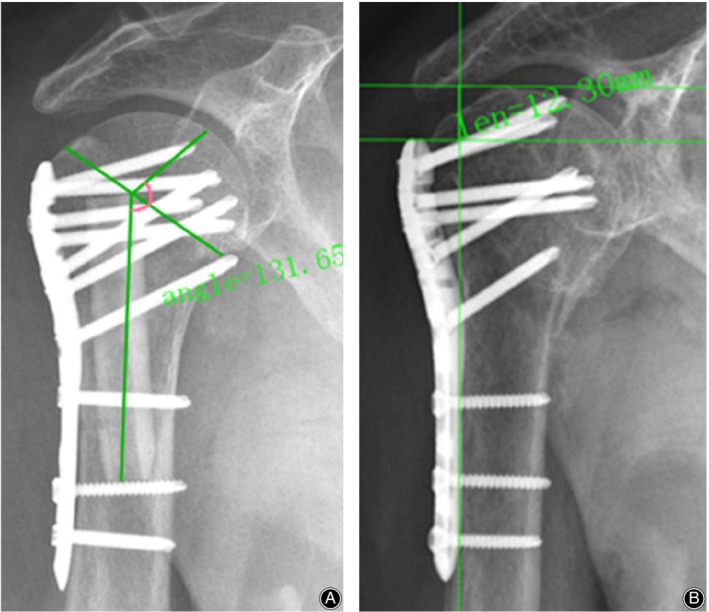
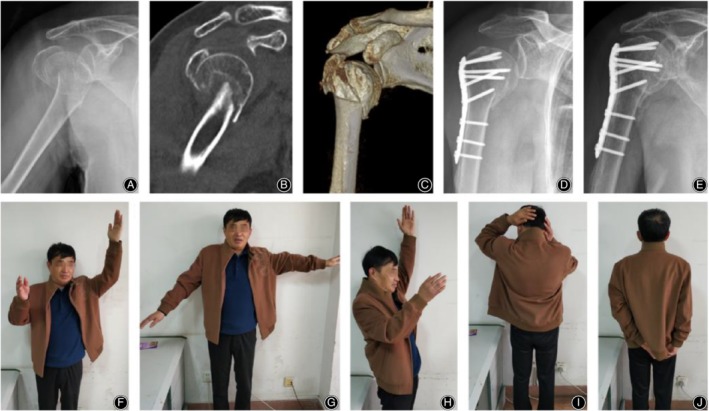
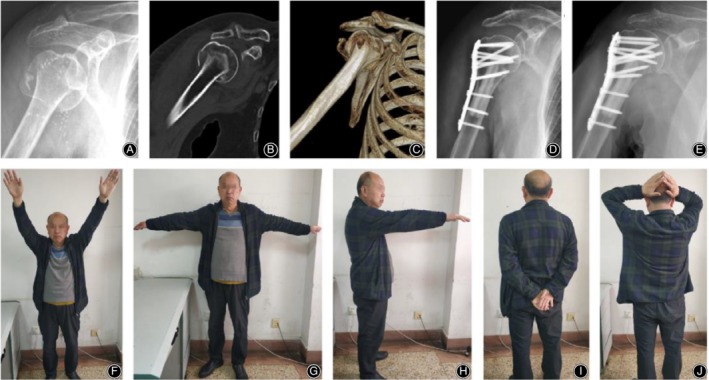
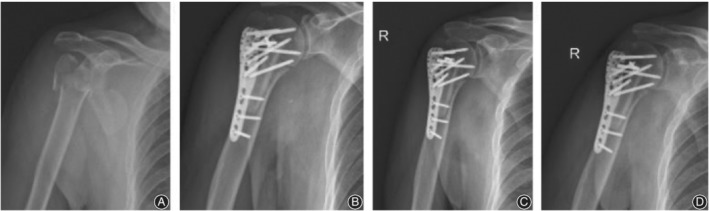
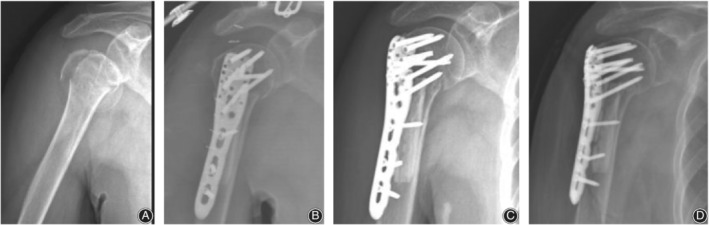
From January 2014 to January 2018, a total of 42 elderly patients with Neer three- or four-part PHF admitted to our hospital were randomly divided into observation group and control group, with 21 patients in each group. The observation group was treated with the PHILOS combined with fibular allograft. The control group was treated with the PHILOS alone. Perioperative parameters and fracture classification were recorded in the two groups. Function results were assessed by Visual Analog Scale (VAS), Constant-Murley score (CMS), American Shoulder and Elbow Surgeons (ASES) score, and the Disability of Arm-Shoulder-Hand (DASH) score. Radiological results were evaluated using the neck-shaft angle (NSA) and humeral head height (HHH), and complications were also recorded in each group.
There were no significant differences between the two groups in terms of preoperative status, age, gender, cause of trauma, fracture site, and fracture classification. The average follow-up time was 12 months. At the last follow-up, the VAS and DASH observation groups were lower than the control group, and there was significant difference between the two groups (P < 0.05). The CMS and ASES were higher in the observation group than the control group, and there was significant difference between the two groups (P < 0.05). The mean difference in the NSA and HHH were lower in the observation group than the control group, and there was a significant difference between the two groups (P < 0.05). There was one postoperative complication in the observation group, which was humeral head avascular necrosis (AVN). There were seven postoperative complications in the control group, including three cases of humeral head collapse and three cases of screw cutout and one case of humeral head AVN. The incidence of postoperative complications in the observation group was significantly lower than the control group (P < 0.05), there was a significant difference between the two groups.
For Neer three- or four-part PHF in the elderly patients, PHILOS fixation with fibular allograft shows satisfactory short-term results with respect to humeral head support and maintenance of reduction, and may reduce the incidence of complications associated with fixation using a PHILOS alone.
比较分析肱骨近端锁定系统(PHILOS)联合腓骨植骨与单纯 PHILOS 治疗老年三、四部分肱骨近端骨折(PHF)的临床疗效。
2014 年 1 月至 2018 年 1 月,我院收治的老年 Neer 三部分或四部分 PHF 患者 42 例,采用随机数字表法分为观察组和对照组,每组 21 例。观察组采用 PHILOS 联合腓骨植骨治疗,对照组采用单纯 PHILOS 治疗。记录两组患者围手术期参数和骨折分型,采用视觉模拟评分(VAS)、Constant-Murley 评分(CMS)、美国肩肘外科医师协会(ASES)评分和上肢残障评分(DASH)评估功能结果,采用颈干角(NSA)和肱骨头高度(HHH)评估影像学结果,记录两组患者并发症。
两组患者术前一般情况、年龄、性别、致伤原因、骨折部位、骨折分型比较,差异均无统计学意义(P>0.05)。两组患者均获随访,随访时间平均 12 个月。末次随访时,观察组 VAS、DASH 评分低于对照组,CMS、ASES 评分高于对照组,差异均有统计学意义(P<0.05)。观察组 NSA、HHH 差值小于对照组,差异有统计学意义(P<0.05)。观察组术后并发症 1 例,为肱骨头缺血性坏死(AVN);对照组术后并发症 7 例,包括肱骨头塌陷 3 例、螺钉切出 3 例、肱骨头 AVN 1 例。观察组术后并发症发生率低于对照组,差异有统计学意义(P<0.05)。
对于老年 Neer 三部分或四部分 PHF,PHILOS 联合腓骨植骨固定在维持肱骨头支撑和复位方面具有较好的短期疗效,可能降低单纯 PHILOS 固定相关并发症的发生率。