Xie Lilia S, Alexandrov Eugeny V, Skorupskii Grigorii, Proserpio Davide M, Dincă Mircea
Department of Chemistry , Massachusetts Institute of Technology , Cambridge , MA 02139 , USA . Email:
Samara Center for Theoretical Material Science (SCTMS) , Samara State Technical University , Molodogvardeyskaya St. 244 , Samara , 443100 , Russia.
Chem Sci. 2019 Aug 1;10(37):8558-8565. doi: 10.1039/c9sc03348c. eCollection 2019 Oct 7.
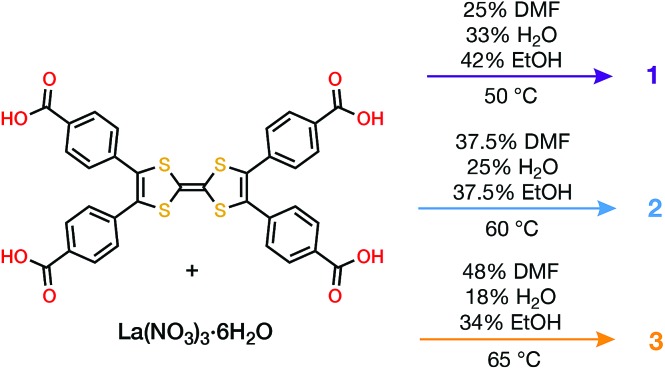
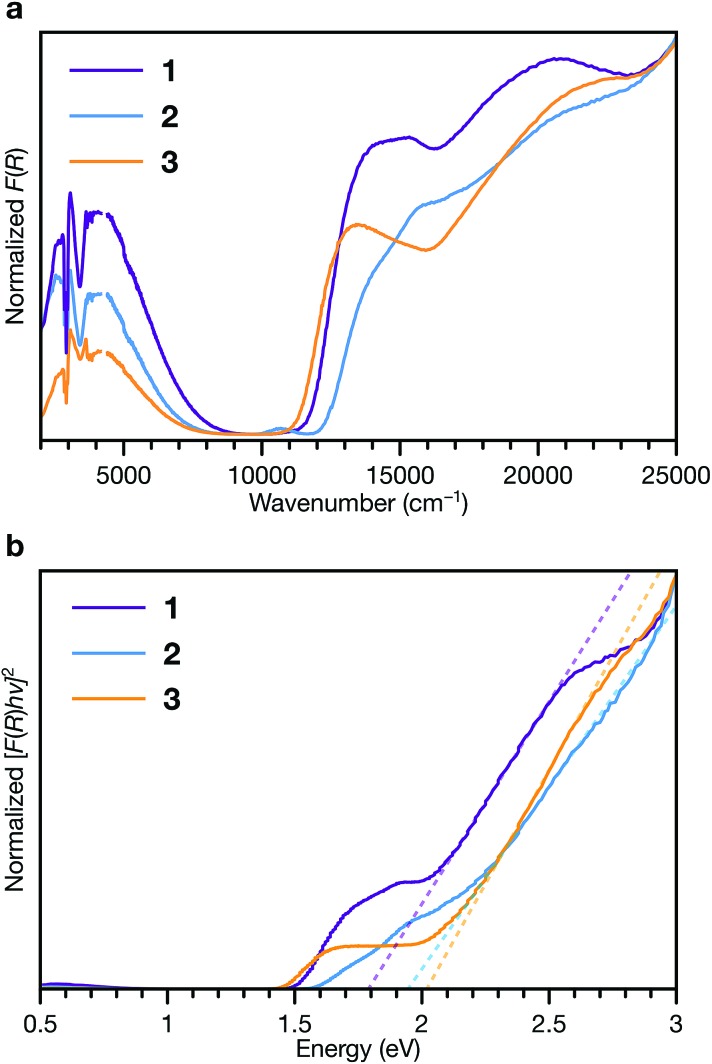
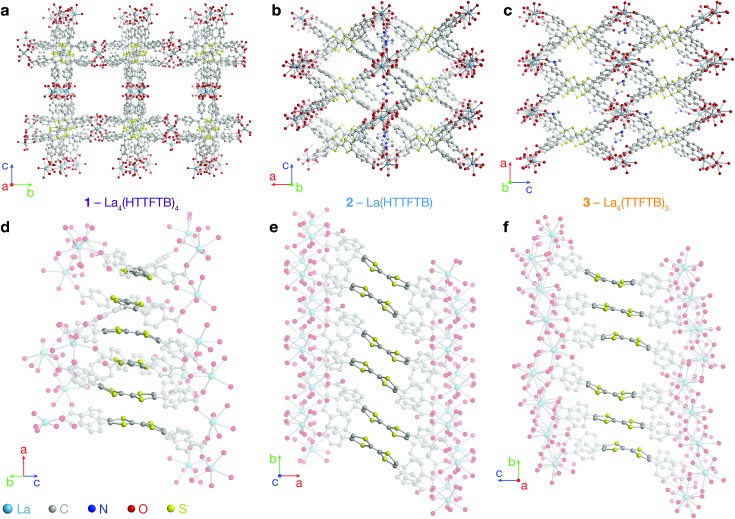
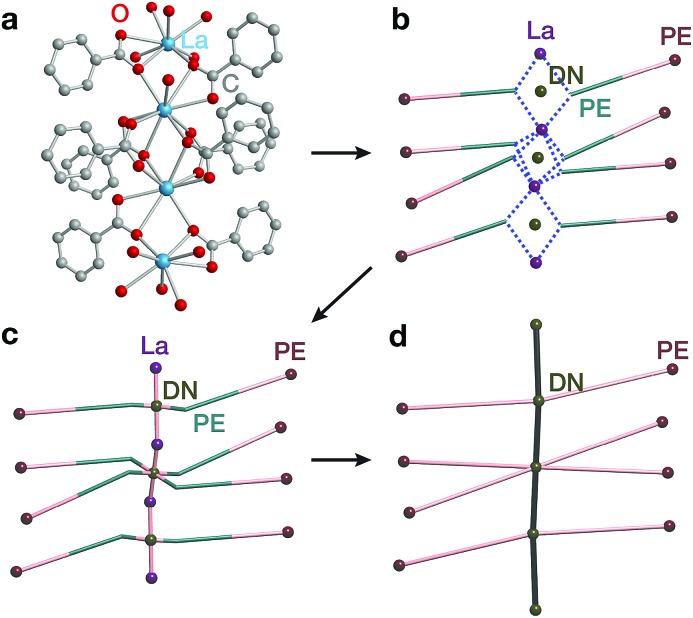
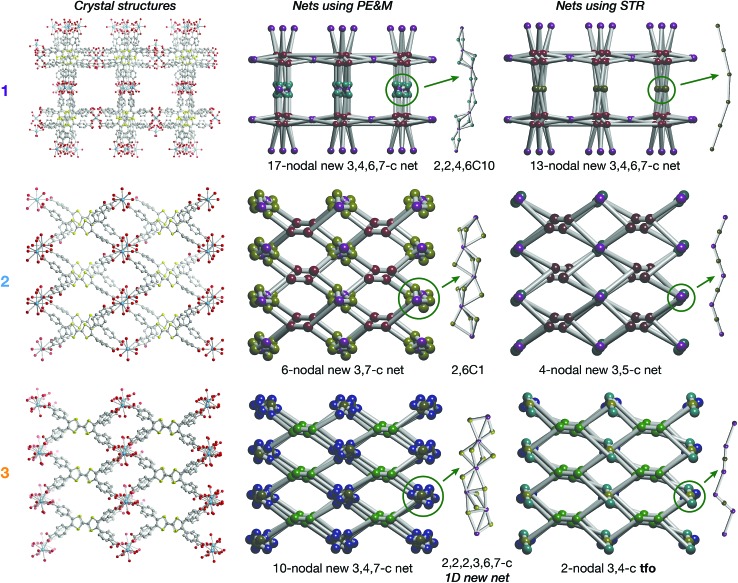
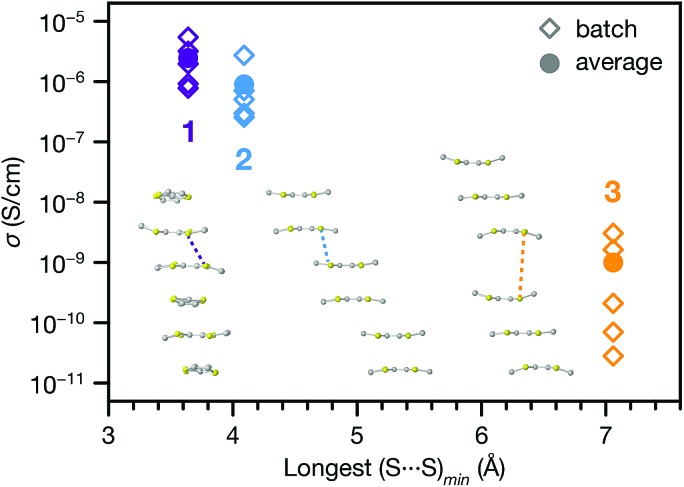
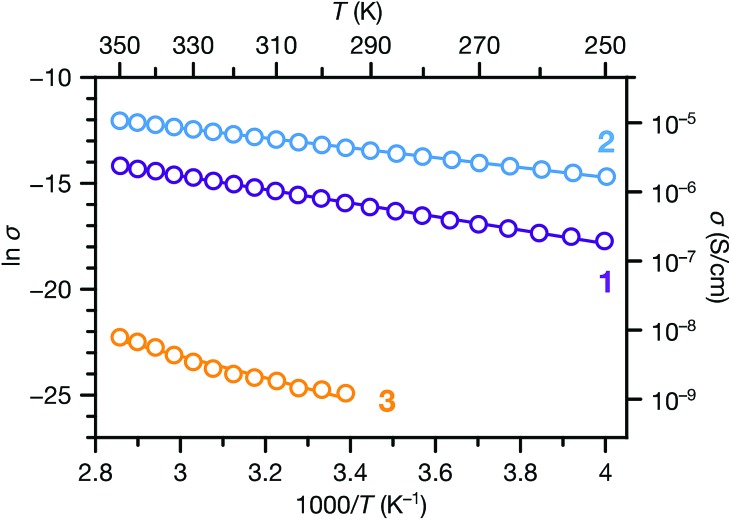
We report three electrically conductive metal-organic frameworks (MOFs) based on a tetrathiafulvalene linker and La. Depending on the solvent ratios and temperatures used in their solvothermal synthesis, these MOFs crystallize with different topologies containing distinct π-π stacking sequences of the ligand. Notably, their transport properties correlate rationally with the stacking motifs: longer S···S contact distances between adjacent ligands coincide with lower electrical conductivities and higher activation energies. Diffuse reflectance spectroscopic measurements reveal ligand-based intervalence charge transfer bands in each phase, implicating charge delocalization among mixed-valent tetrathiafulvalene units as the dominant mode of transport. Overall, these frameworks demonstrate how tuning the intermolecular interactions in MOFs serves as a route towards controlling their physical properties.
我们报道了三种基于四硫富瓦烯连接体和镧的导电金属有机框架(MOF)。根据其溶剂热合成中使用的溶剂比例和温度,这些MOF以不同的拓扑结构结晶,其中包含配体独特的π-π堆积序列。值得注意的是,它们的传输性质与堆积模式合理相关:相邻配体之间较长的S···S接触距离与较低的电导率和较高的活化能相一致。漫反射光谱测量揭示了每个相中基于配体的价间电荷转移带,这意味着混合价四硫富瓦烯单元之间的电荷离域是主要的传输模式。总体而言,这些框架展示了如何调节MOF中的分子间相互作用作为控制其物理性质的途径。