Department of Genetic Identification, Erasmus MC University Medical Center Rotterdam, Rotterdam, Netherlands.
Department of Epidemiology, Erasmus MC University Medical Center Rotterdam, Rotterdam, Netherlands.
Elife. 2019 Nov 26;8:e49898. doi: 10.7554/eLife.49898.
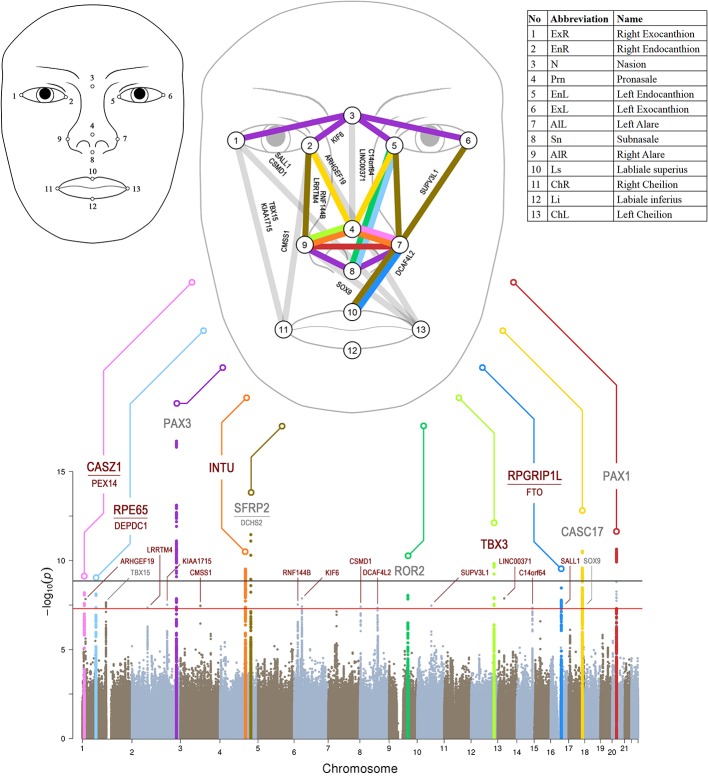
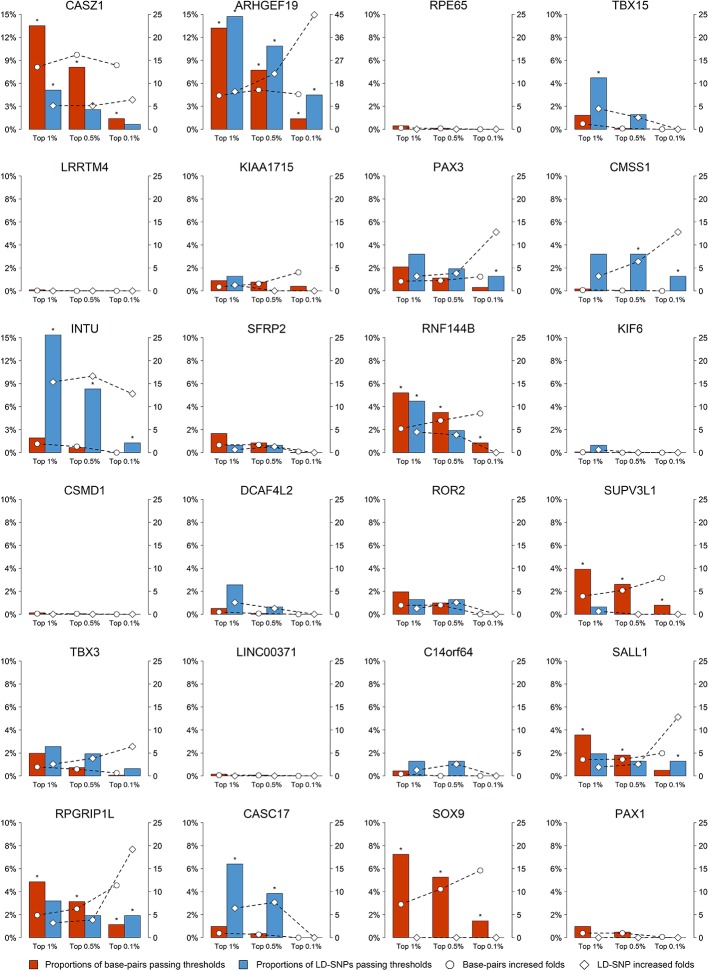
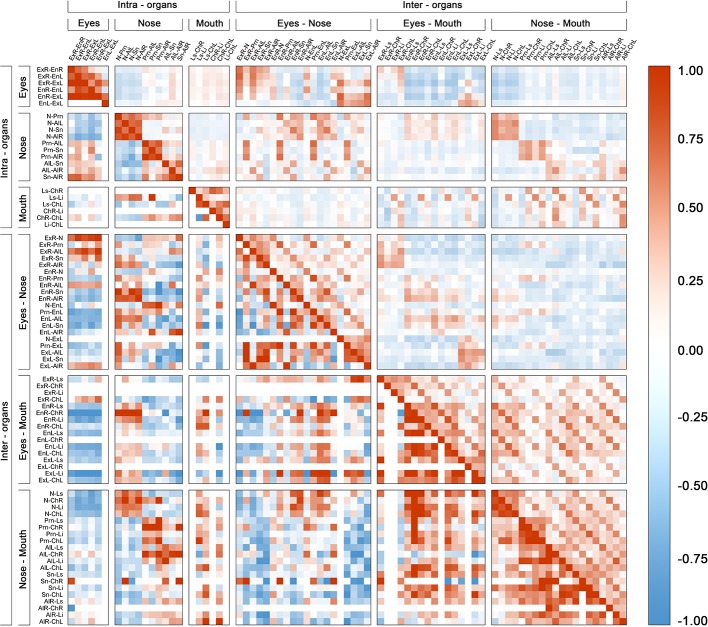
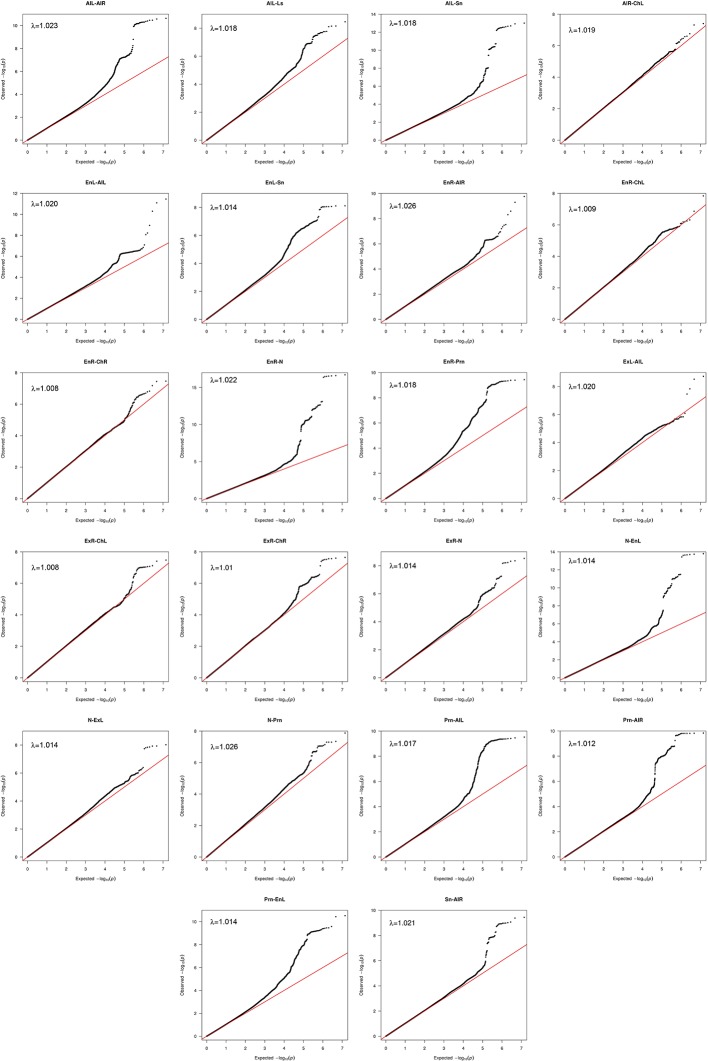
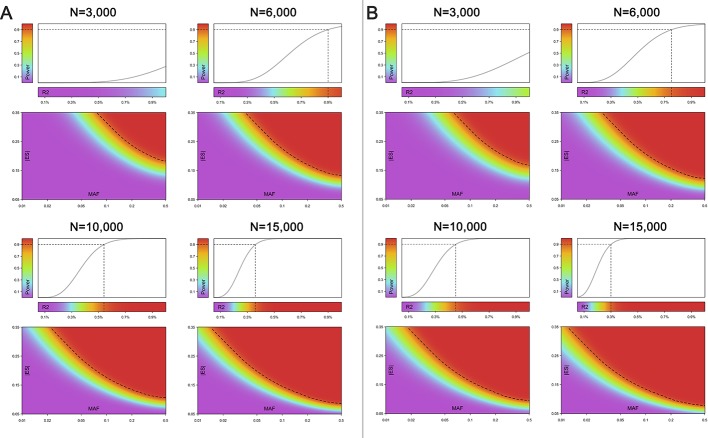
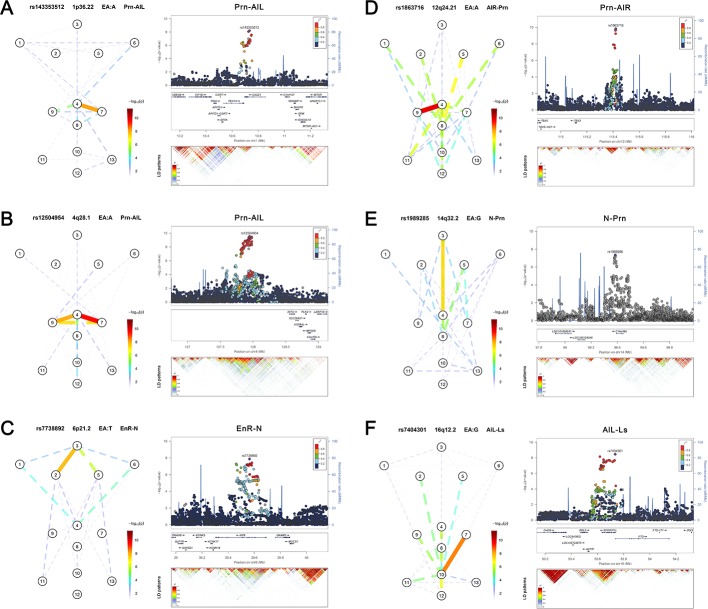
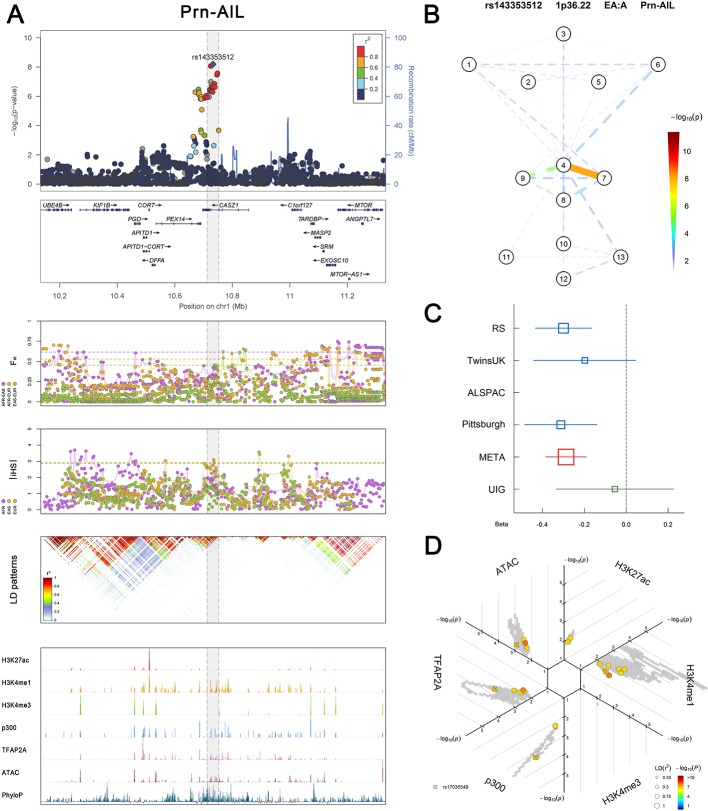
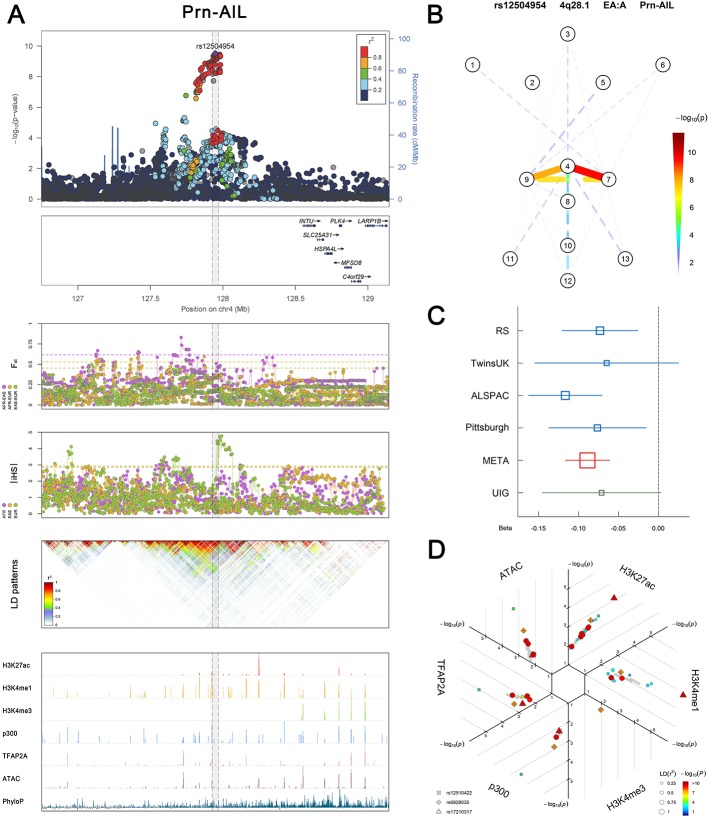
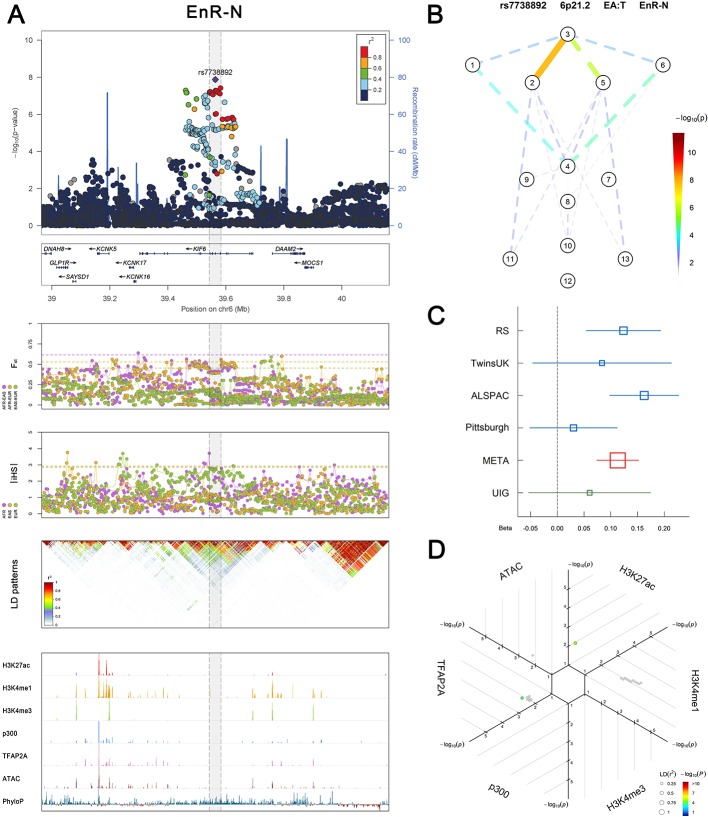
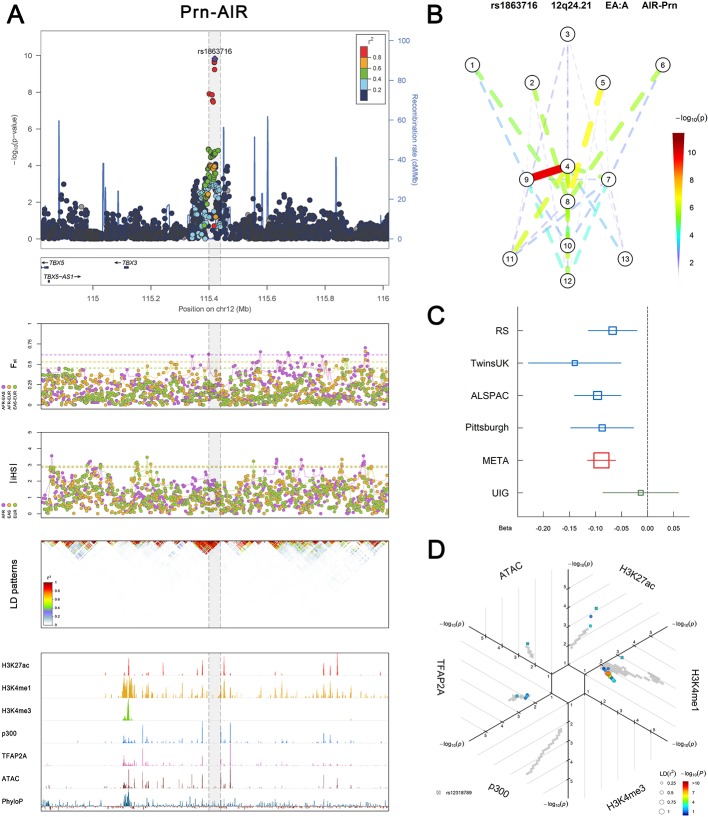
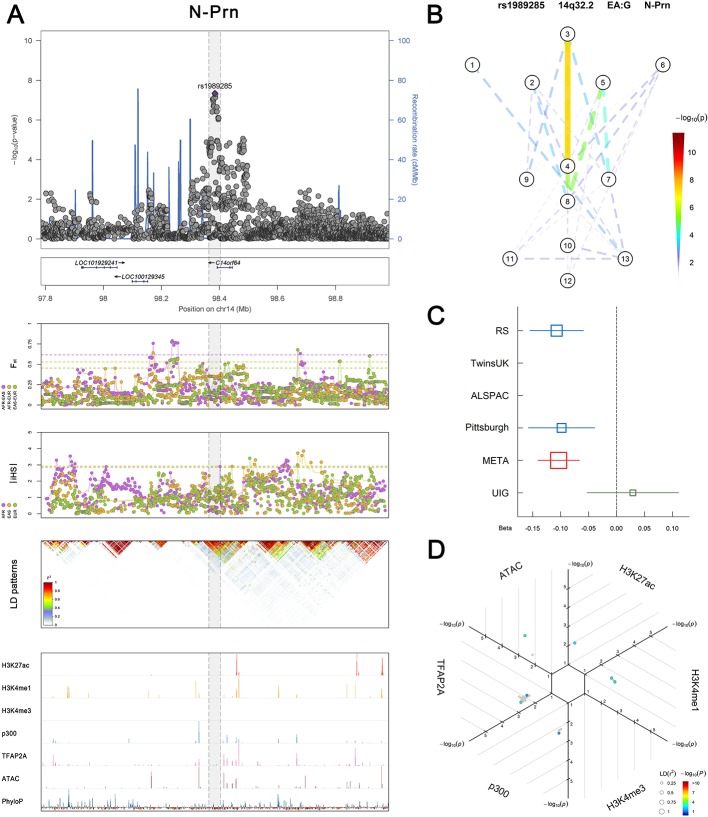
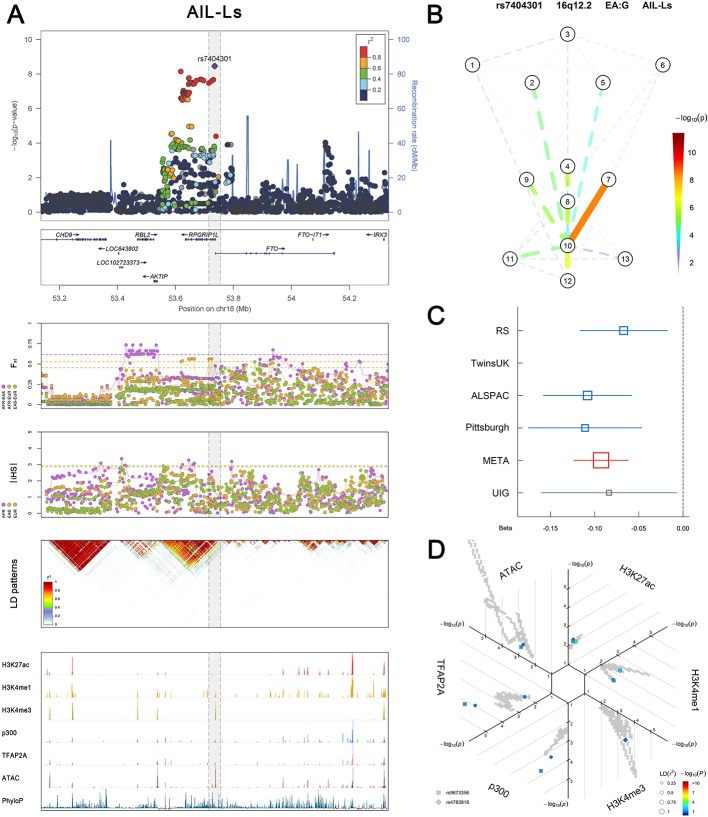
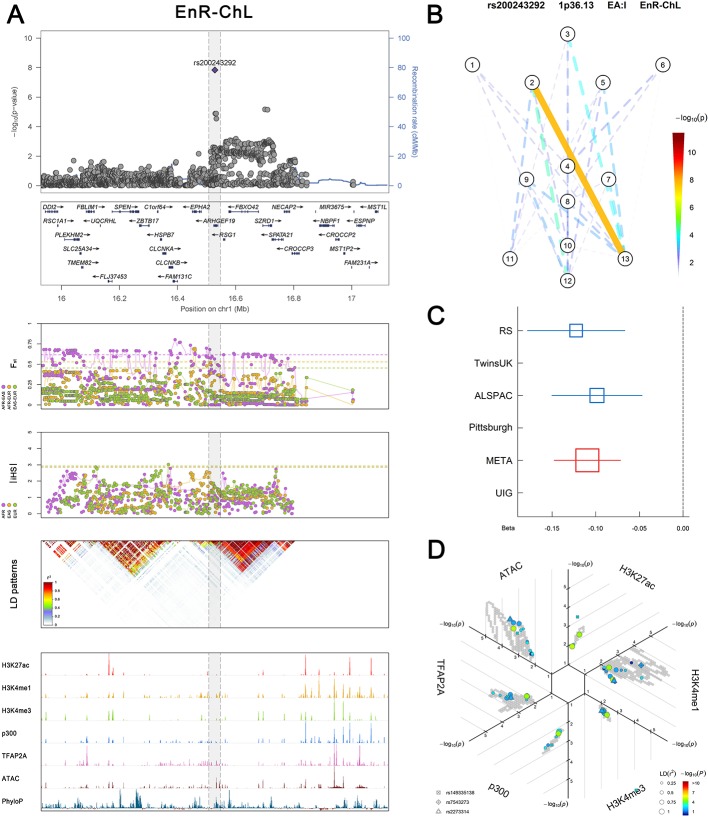
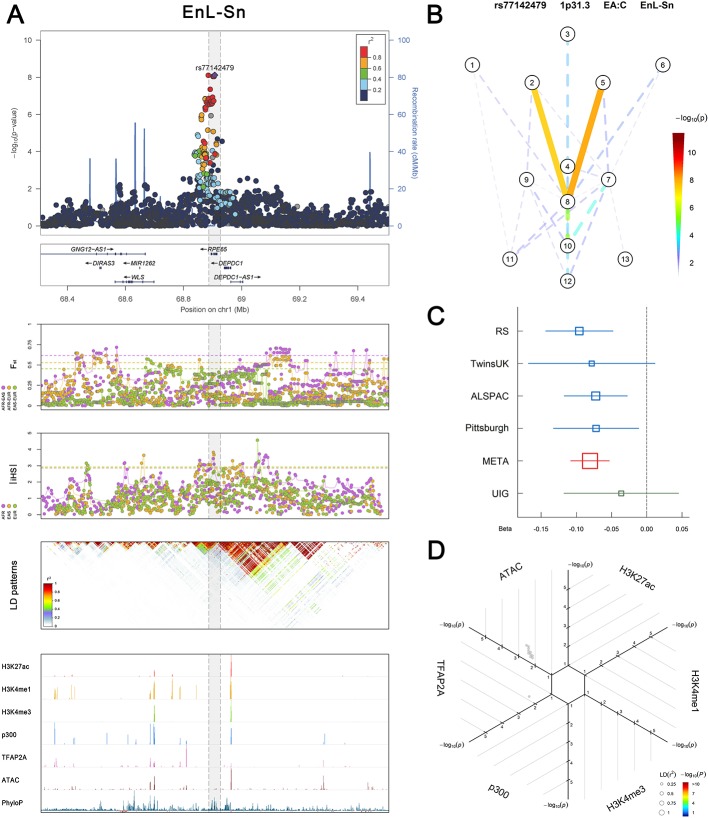
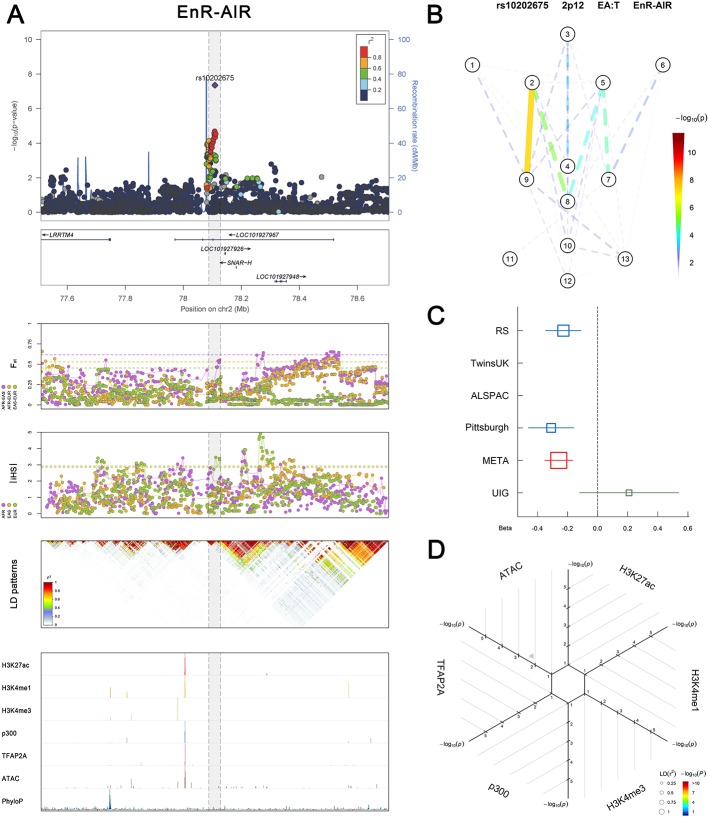
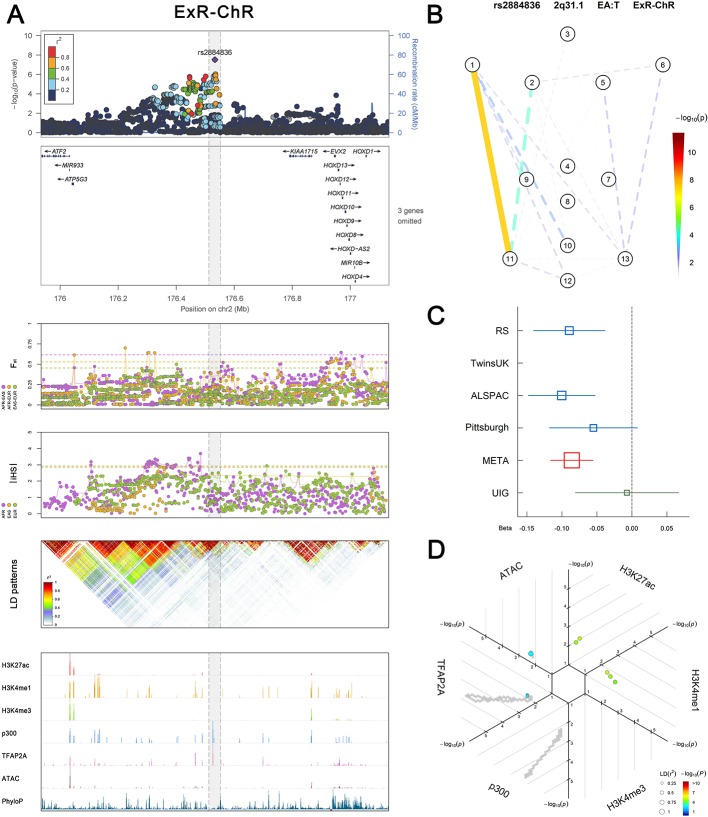
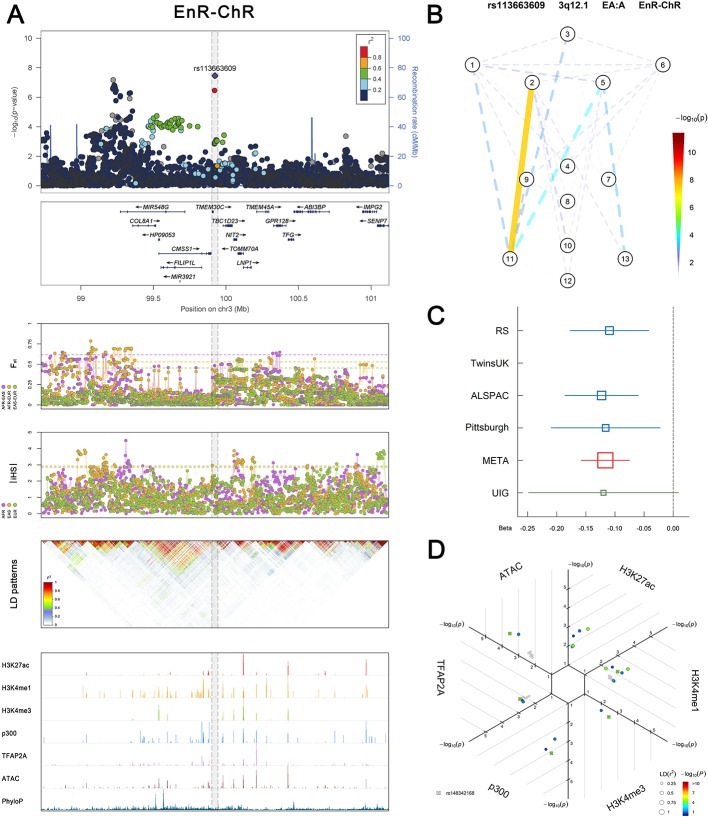
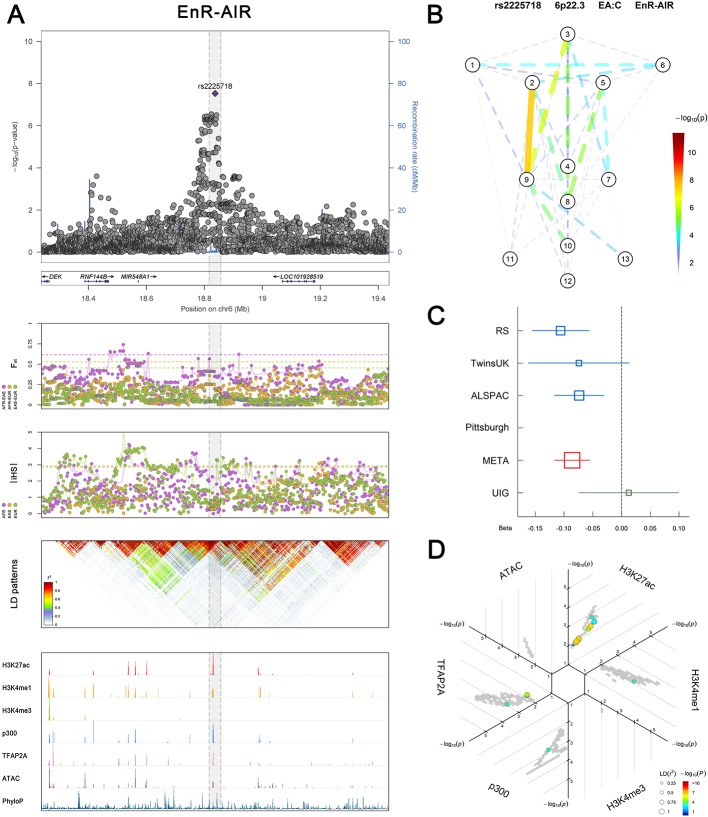
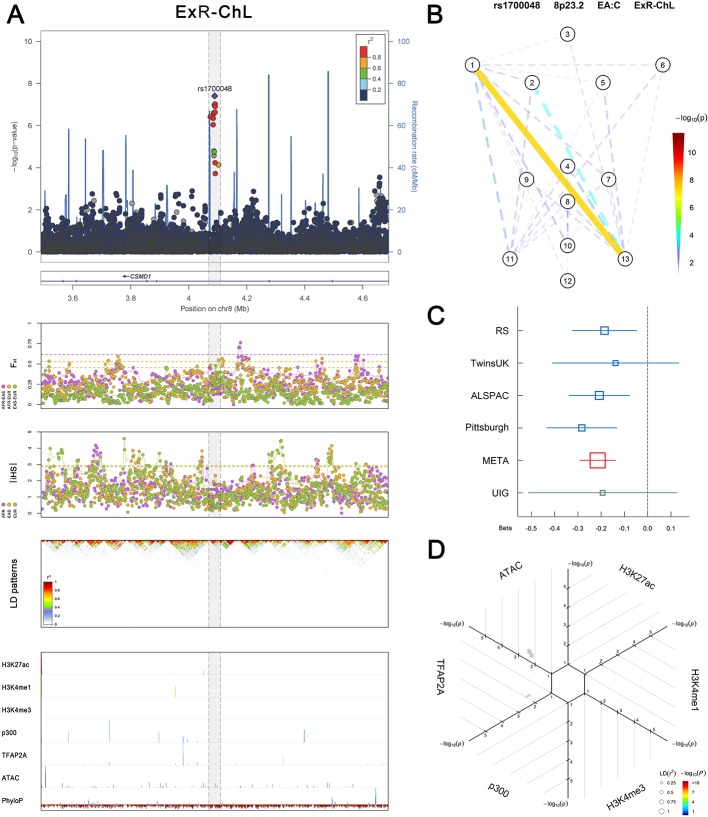
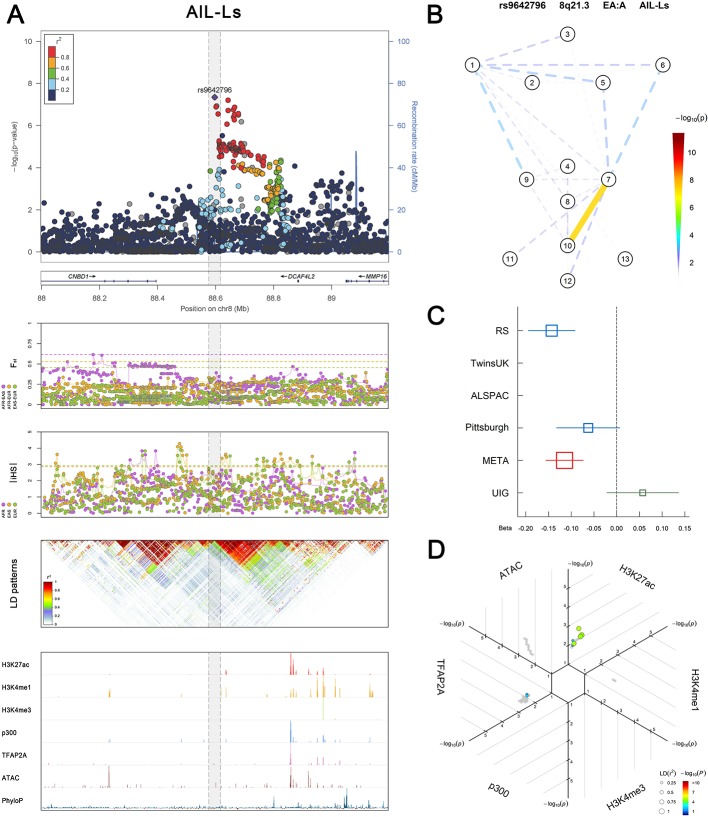
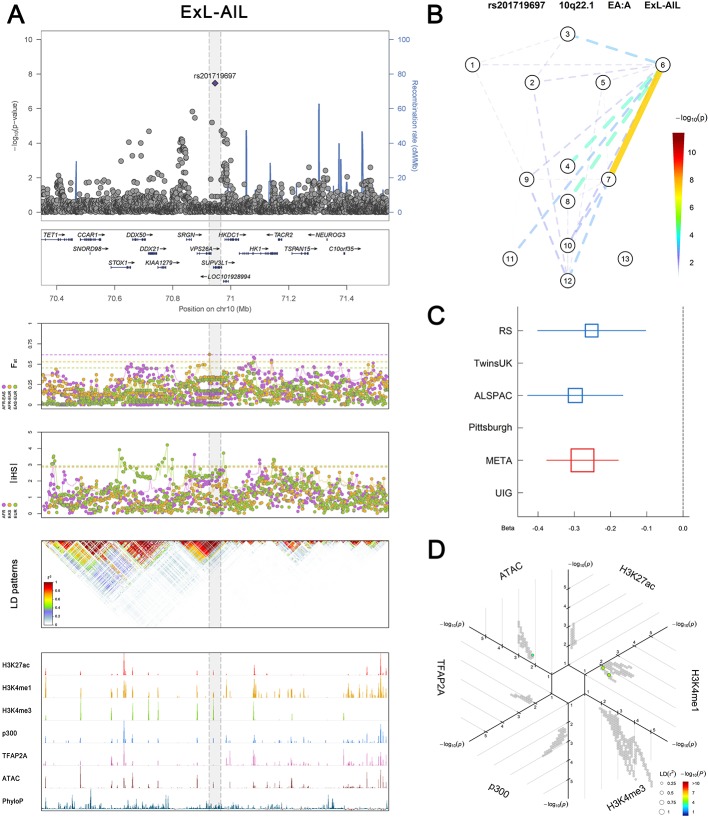
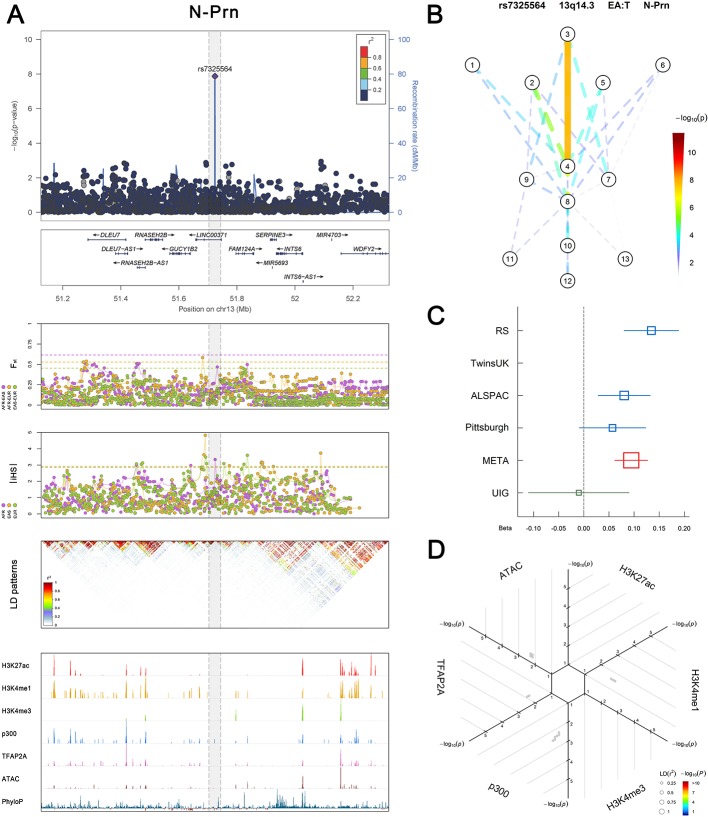
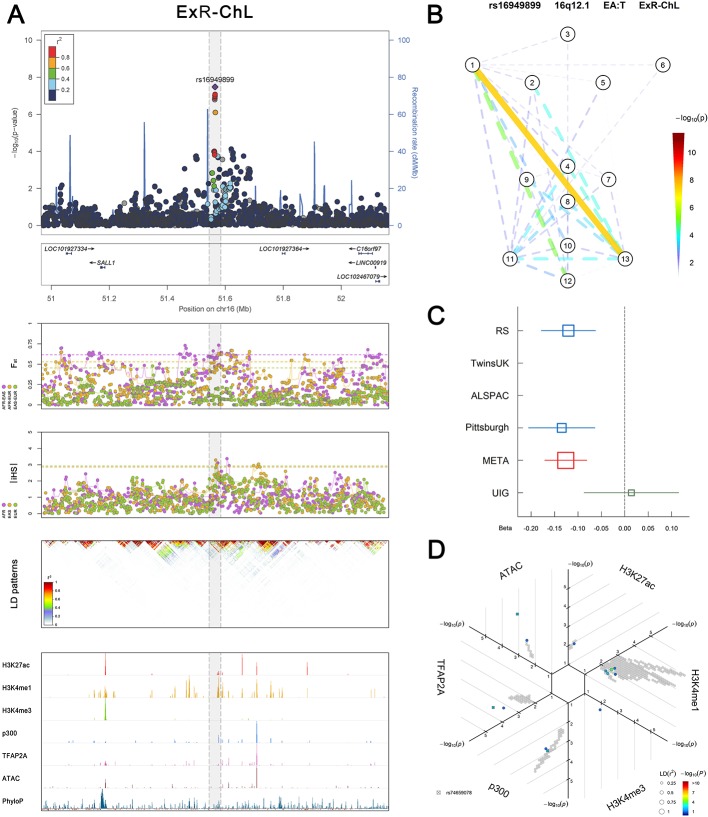
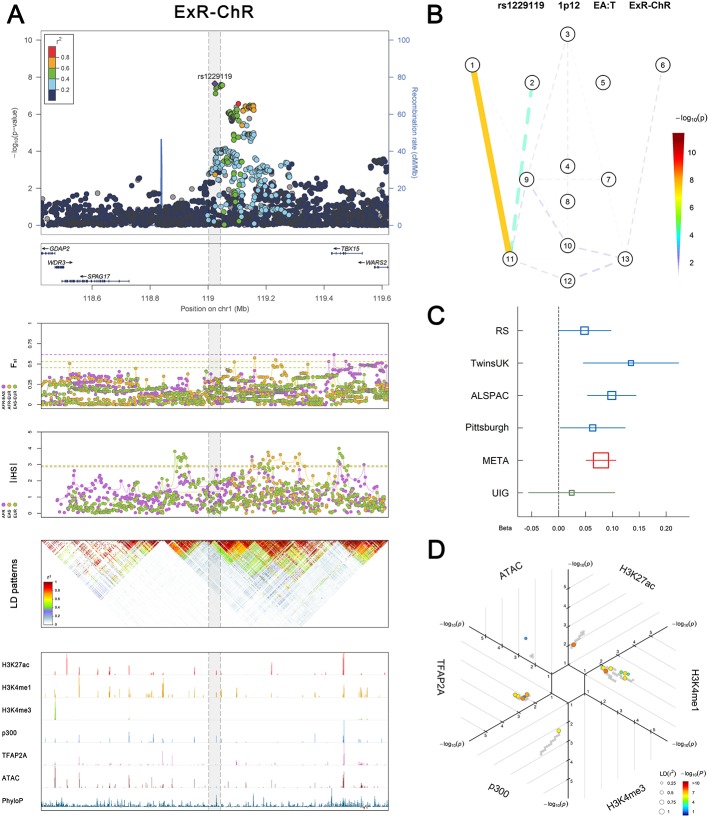
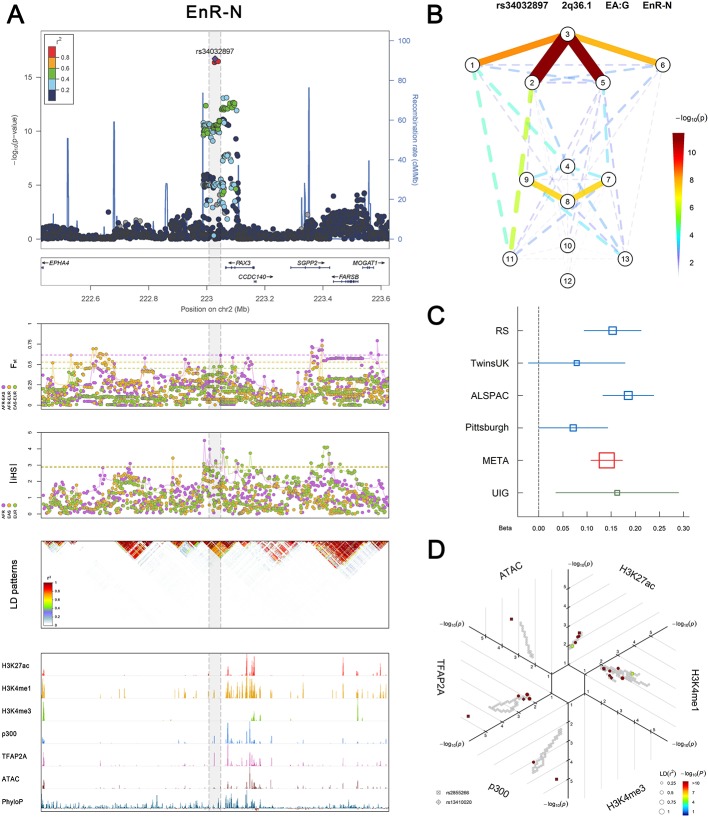
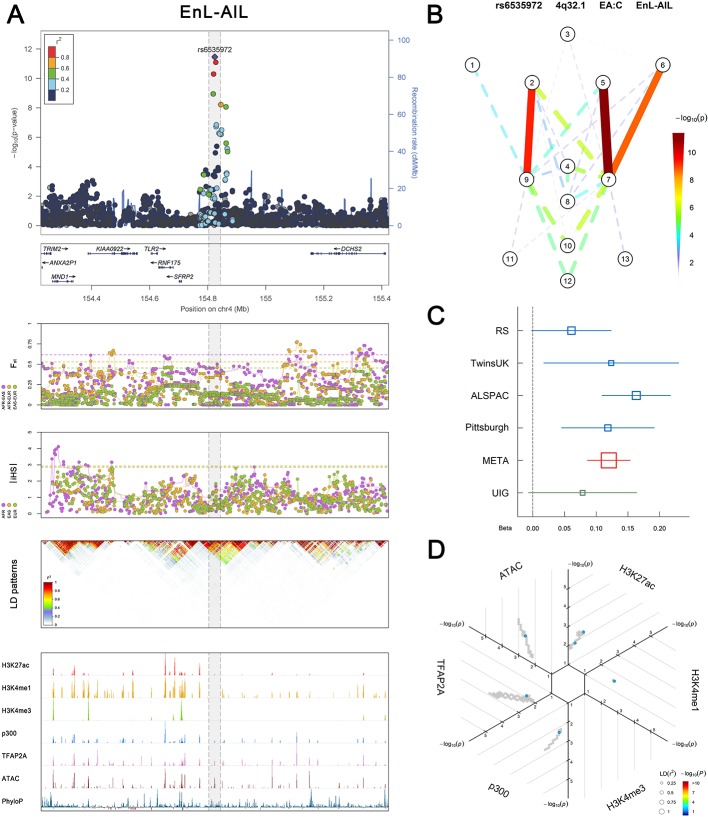
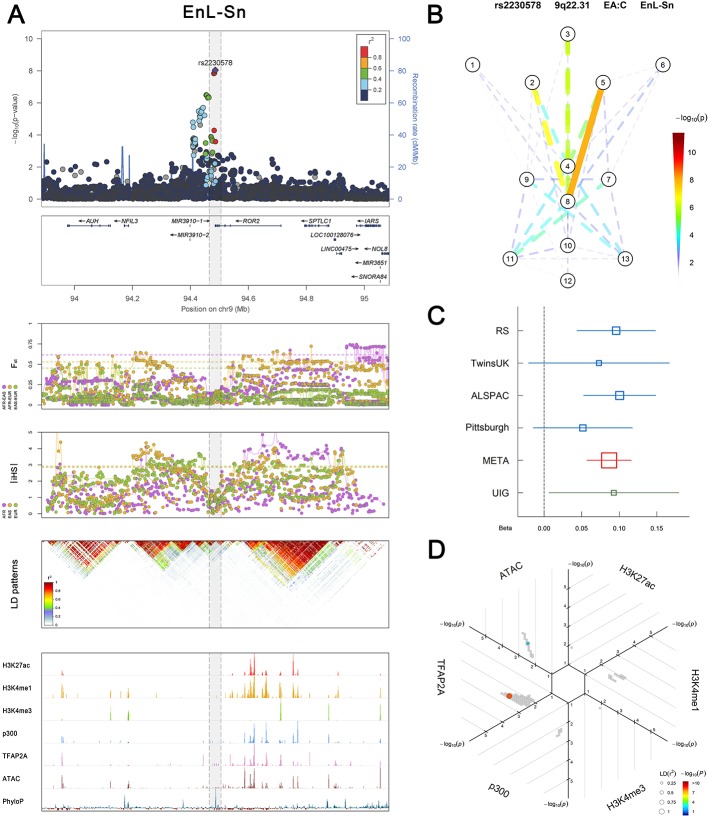
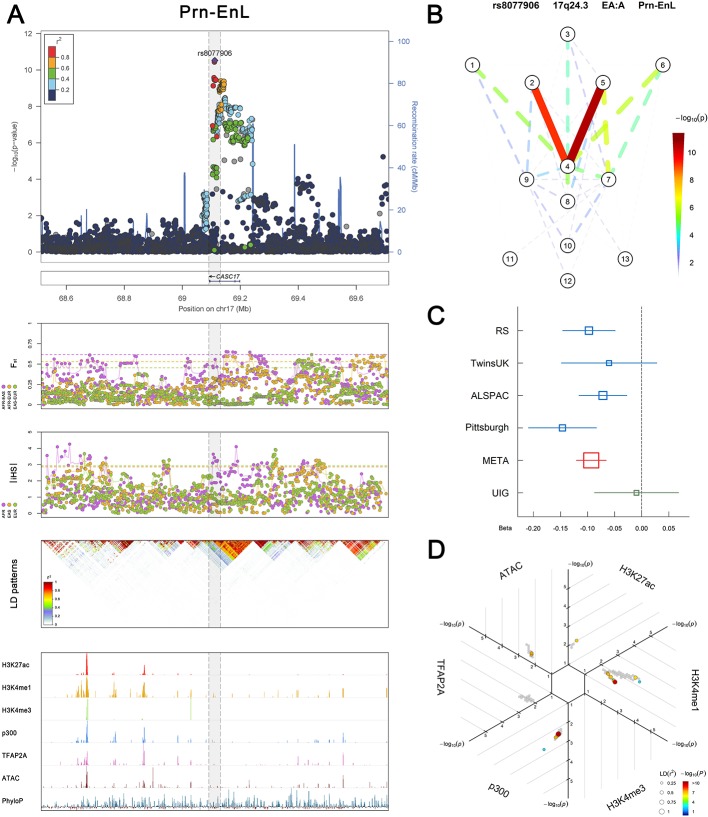
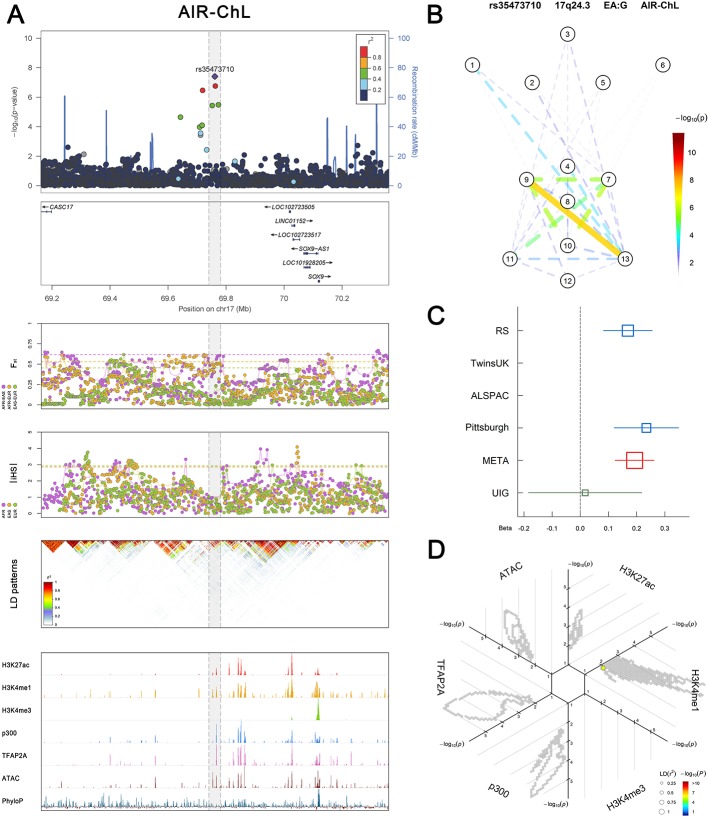
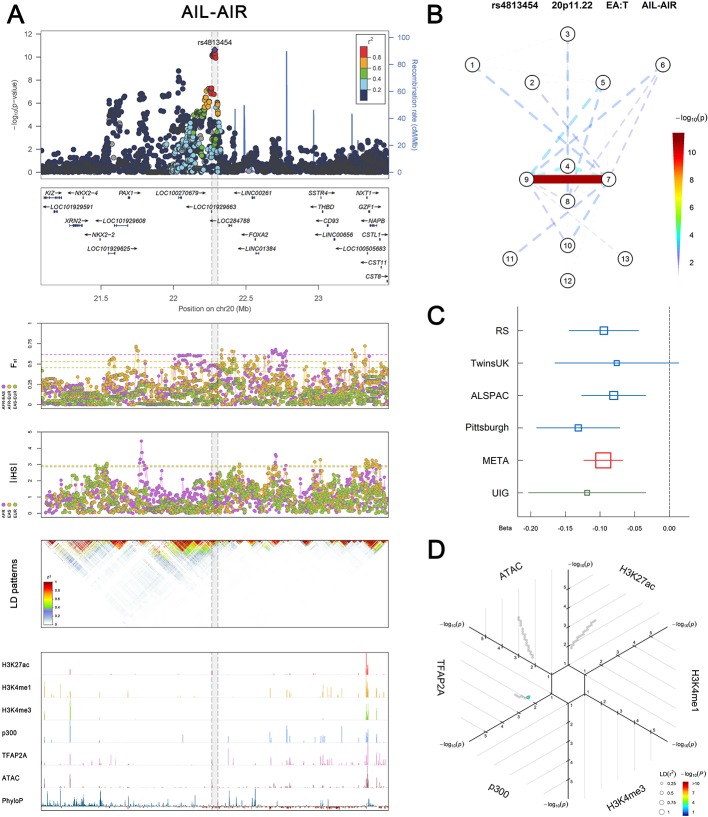
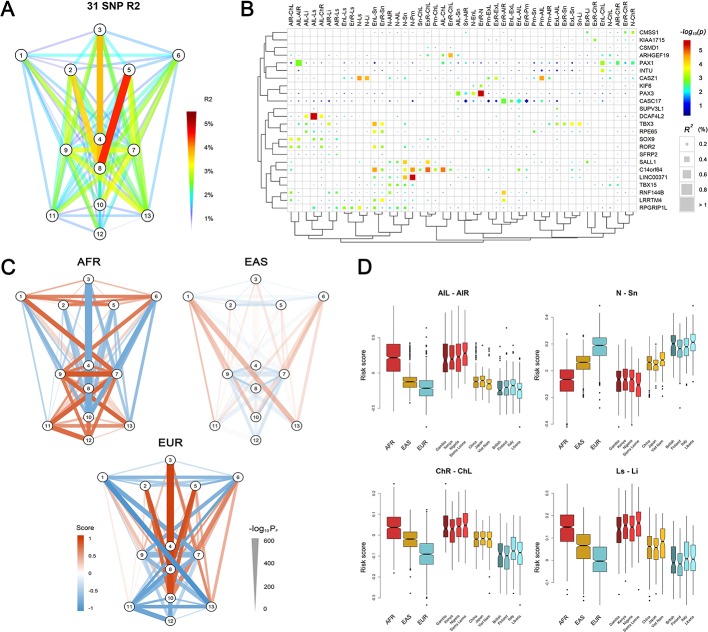
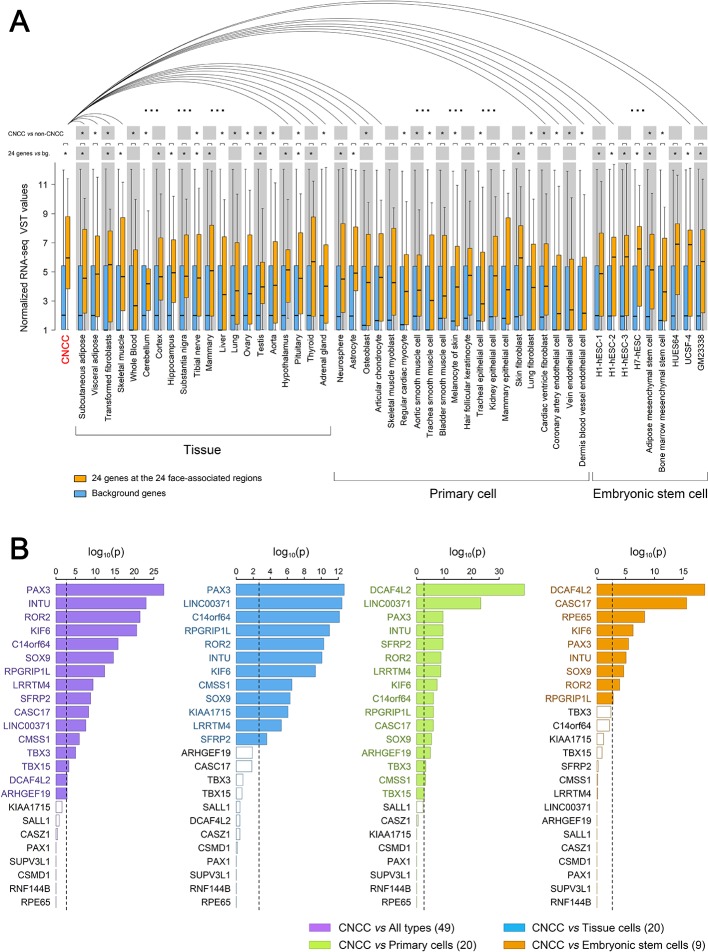
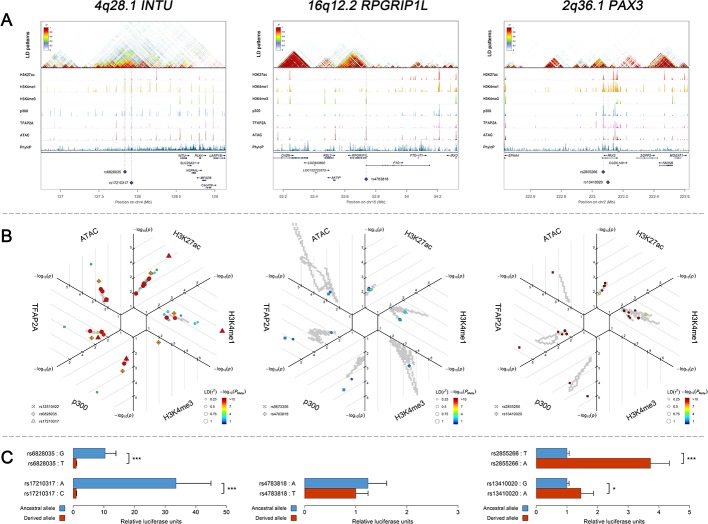
The human face represents a combined set of highly heritable phenotypes, but knowledge on its genetic architecture remains limited, despite the relevance for various fields. A series of genome-wide association studies on 78 facial shape phenotypes quantified from 3-dimensional facial images of 10,115 Europeans identified 24 genetic loci reaching study-wide suggestive association (p < 5 × 10), among which 17 were previously unreported. A follow-up multi-ethnic study in additional 7917 individuals confirmed 10 loci including six unreported ones (p < 2.1 × 10). A global map of derived polygenic face scores assembled facial features in major continental groups consistent with anthropological knowledge. Analyses of epigenomic datasets from cranial neural crest cells revealed abundant -regulatory activities at the face-associated genetic loci. Luciferase reporter assays in neural crest progenitor cells highlighted enhancer activities of several face-associated DNA variants. These results substantially advance our understanding of the genetic basis underlying human facial variation and provide candidates for future in-vivo functional studies.
人脸代表了一组高度可遗传的表型,但尽管其与各个领域都息息相关,我们对于它的遗传结构的了解仍然有限。对来自 10115 名欧洲人的三维面部图像进行量化的 78 种面部形状表型的一系列全基因组关联研究,确定了 24 个达到研究范围提示关联的遗传位点(p<5×10⁻⁸),其中 17 个以前未被报道过。在另外 7917 名个体的后续多民族研究中,证实了 10 个位点,包括 6 个未被报道的位点(p<2.1×10⁻⁸)。由衍生多基因面孔评分组成的全球图谱,将主要大陆群体的面部特征组合在一起,与人类学知识一致。对颅神经嵴细胞的表观基因组数据集的分析显示,与面部相关的遗传位点存在丰富的调控活性。神经嵴祖细胞中的荧光素酶报告基因检测突出了几个与面部相关的 DNA 变体的增强子活性。这些结果大大提高了我们对人类面部变异的遗传基础的理解,并为未来的体内功能研究提供了候选基因。