Sutygina Alina, Betke Ulf, Scheffler Michael
Department of Mechanical Engineering, Institute for Materials and Joining Technology, Otto-von-Guericke-University Magdeburg, Große Steinernetischstraße 6, 39104 Magdeburg, Germany.
Materials (Basel). 2019 Nov 21;12(23):3840. doi: 10.3390/ma12233840.
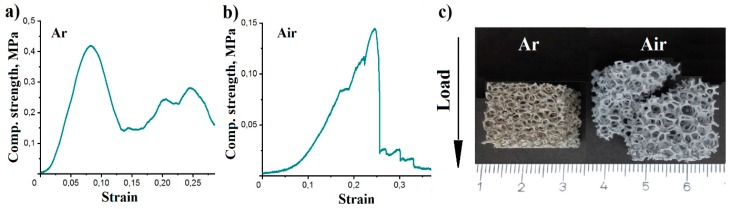
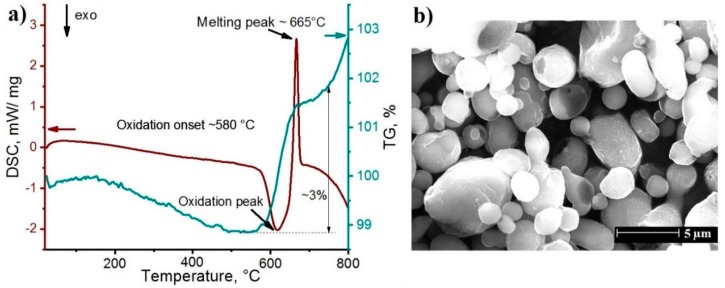
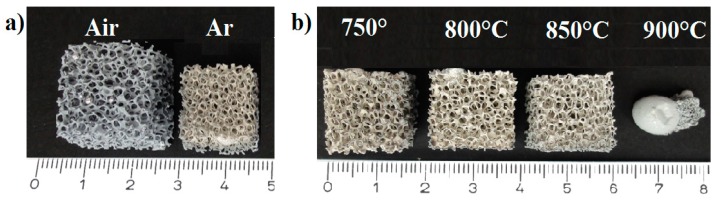
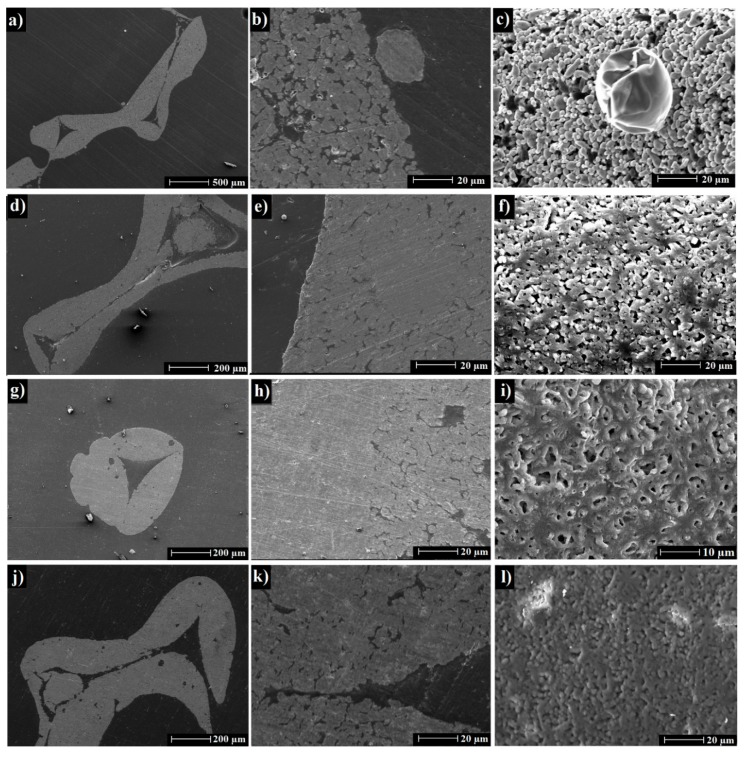
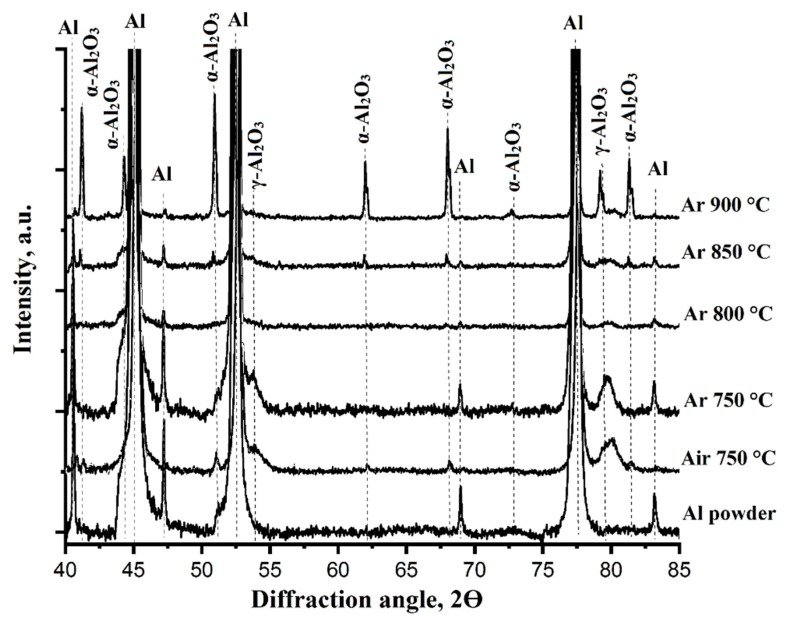
Open-cell aluminum foams were manufactured by a sponge replication technique having a total porosity of ~90%. The influence of the thermal processing conditions such as atmosphere and temperature on the cellular structure, phase composition porosity, thermal conductivity, and compressive strength of the foams was studied. It was found that the thermal processing of aluminum foams in Ar at temperatures up to 800 °C led to aluminum foams with a reduced strut porosity, a lower amount of aluminum oxide, a higher thermal conductivity, and a higher compression strength, compared to foams thermally processed in air. These results were explained by the lower amount of aluminum oxide after thermal processing of the foams.
开孔泡沫铝是通过海绵复制技术制造的,其总孔隙率约为90%。研究了诸如气氛和温度等热加工条件对泡沫铝的孔结构、相组成、孔隙率、热导率和抗压强度的影响。结果发现,与在空气中进行热加工的泡沫铝相比,在氩气中于高达800°C的温度下对泡沫铝进行热加工,会得到支柱孔隙率降低、氧化铝含量较低、热导率较高和抗压强度较高的泡沫铝。这些结果可以通过泡沫铝热加工后氧化铝含量较低来解释。