King Thomas Jeronay, Mir Hina, Kapur Neeraj, Singh Shailesh
Department of Microbiology, Biochemistry and Immunology, Morehouse School of Medicine, Atlanta, GA 30310, USA.
Cancer Health Equity Institute, Morehouse School of Medicine, Atlanta, GA 30310, USA.
Cancers (Basel). 2019 Nov 25;11(12):1857. doi: 10.3390/cancers11121857.
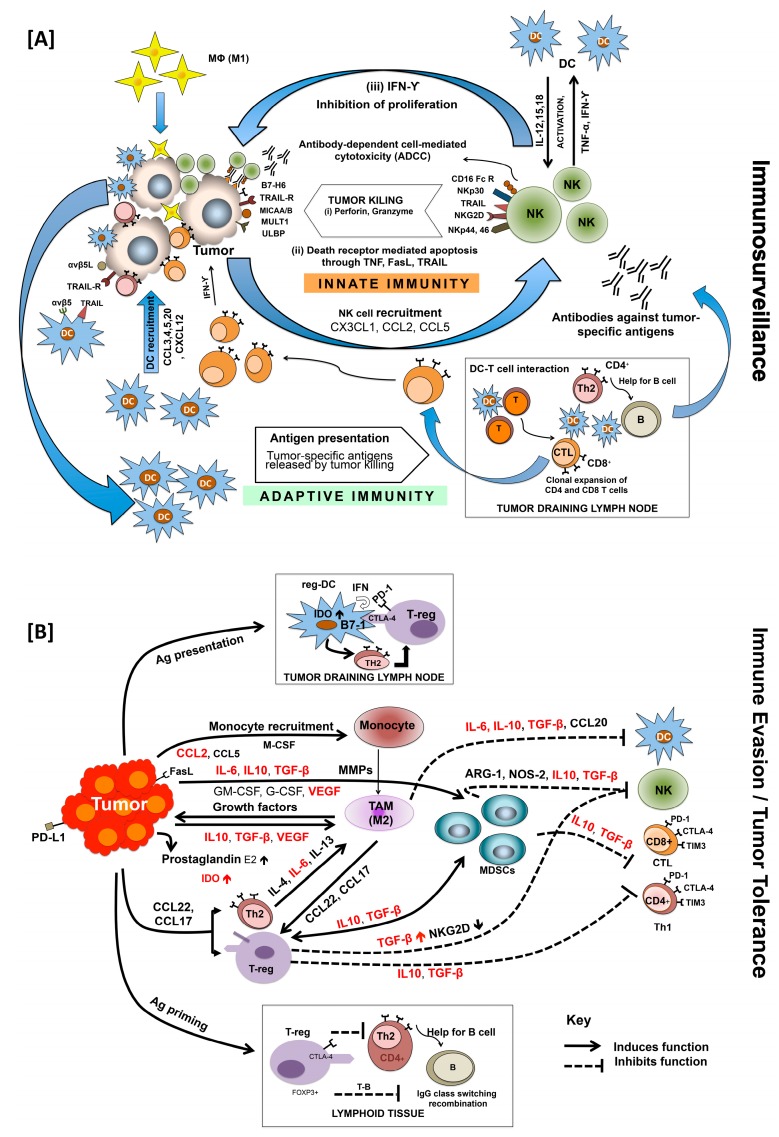
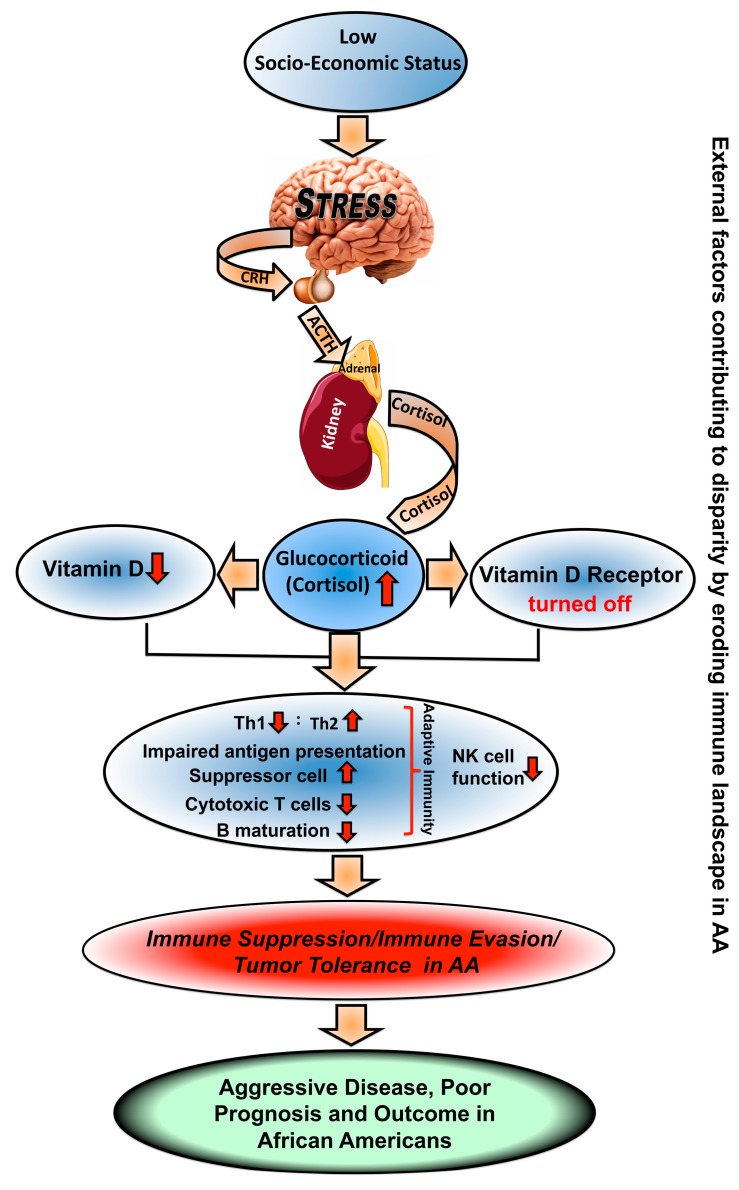
Prostate cancer affects African Americans disproportionately by exhibiting greater incidence, rapid disease progression, and higher mortality when compared to their Caucasian counterparts. Additionally, standard treatment interventions do not achieve similar outcome in African Americans compared to Caucasian Americans, indicating differences in host factors contributing to racial disparity. African Americans have allelic variants and hyper-expression of genes that often lead to an immunosuppressive tumor microenvironment, possibly contributing to more aggressive tumors and poorer disease and therapeutic outcomes than Caucasians. In this review, we have discussed race-specific differences in external factors impacting internal milieu, which modify immunological topography as well as contribute to disparity in prostate cancer.
与白种人相比,前列腺癌在非裔美国人中更为常见,其发病率更高、疾病进展更快且死亡率更高。此外,与美国白种人相比,标准治疗干预措施在非裔美国人中并未取得相似的效果,这表明宿主因素的差异导致了种族差异。非裔美国人具有等位基因变异和基因过度表达,这通常会导致免疫抑制性肿瘤微环境,可能导致肿瘤比白种人更具侵袭性,疾病和治疗结果更差。在这篇综述中,我们讨论了影响内部环境的外部因素中的种族特异性差异,这些差异改变了免疫格局,并导致了前列腺癌的差异。