Department of Experimental Medicine, University of Campania Luigi Vanvitelli, 80138 Naples, Italy.
Department of Women, Child, and General and Specialized Surgery, University of Campania Luigi Vanvitelli, 80138 Naples, Italy.
Int J Mol Sci. 2019 Nov 23;20(23):5875. doi: 10.3390/ijms20235875.
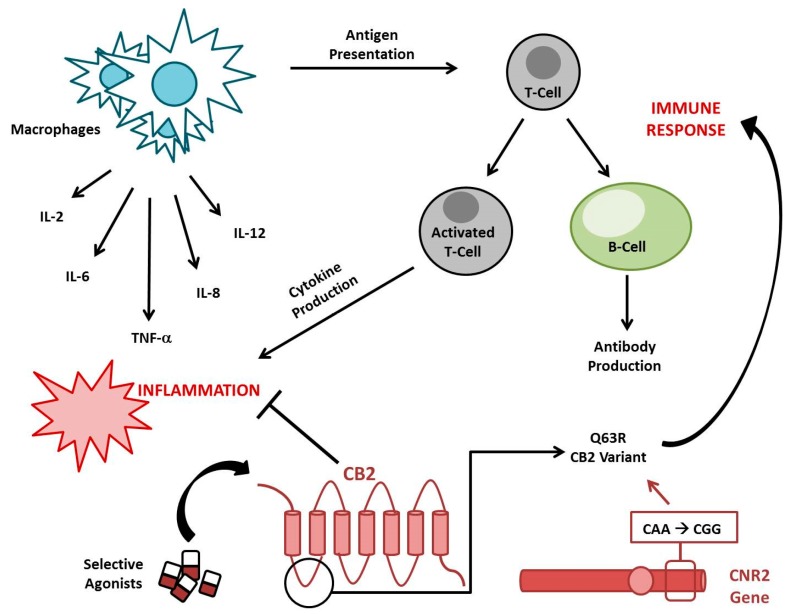
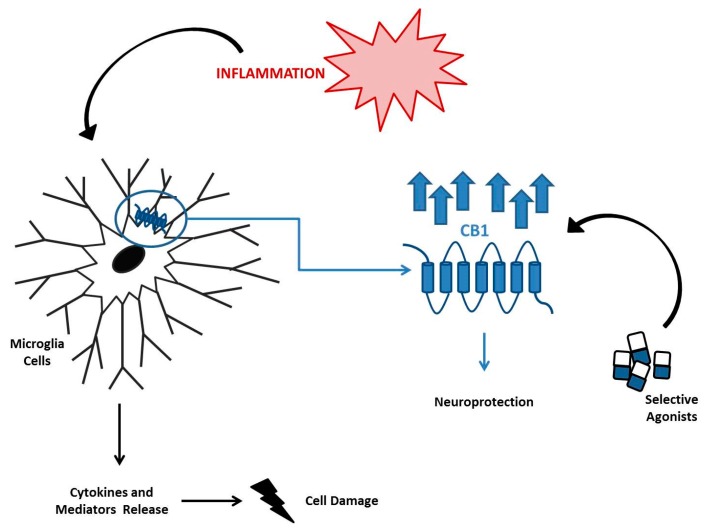
Endocannabinoid system consists of cannabinoid type 1 (CB1) and cannabinoid type 2 (CB2) receptors, their endogenous ligands, and the enzymes responsible for their synthesis and degradation. CB2, to a great extent, and CB1, to a lesser extent, are involved in regulating the immune response. They also regulate the inflammatory processes by inhibiting pro-inflammatory mediator release and immune cell proliferation. This review provides an overview on the role of the endocannabinoid system with a major focus on cannabinoid receptors in the pathogenesis and onset of inflammatory and autoimmune pediatric diseases, such as immune thrombocytopenia, juvenile idiopathic arthritis, inflammatory bowel disease, celiac disease, obesity, neuroinflammatory diseases, and type 1 diabetes mellitus. These disorders have a high social impact and represent a burden for the healthcare system, hence the importance of individuating more innovative and effective treatments. The endocannabinoid system could address this need, representing a possible new diagnostic marker and therapeutic target.
内源性大麻素系统由大麻素 1 型(CB1)和大麻素 2 型(CB2)受体、其内源性配体以及负责其合成和降解的酶组成。CB2 在很大程度上,CB1 在较小程度上,参与调节免疫反应。它们还通过抑制促炎介质释放和免疫细胞增殖来调节炎症过程。本综述概述了内源性大麻素系统的作用,主要关注大麻素受体在免疫性血小板减少症、幼年特发性关节炎、炎症性肠病、乳糜泻、肥胖、神经炎症性疾病和 1 型糖尿病等炎症性和自身免疫性儿科疾病中的发病机制和发病机制中的作用。这些疾病对社会有重大影响,给医疗保健系统带来负担,因此需要确定更具创新性和更有效的治疗方法。内源性大麻素系统可以满足这一需求,它可能成为新的诊断标志物和治疗靶点。