Department of Paediatrics, Room Sp 1540, Erasmus MC-Sophia Children's Hospital, University Medical Centre Rotterdam, PO Box 2060, 3000 CB, Rotterdam, The Netherlands.
Crit Care. 2019 Nov 27;23(1):380. doi: 10.1186/s13054-019-2653-9.
Different definitions exist for hypotension in children. In this study, we aim to identify evidence-based reference values for low blood pressure and to compare these with existing definitions for systolic hypotension.
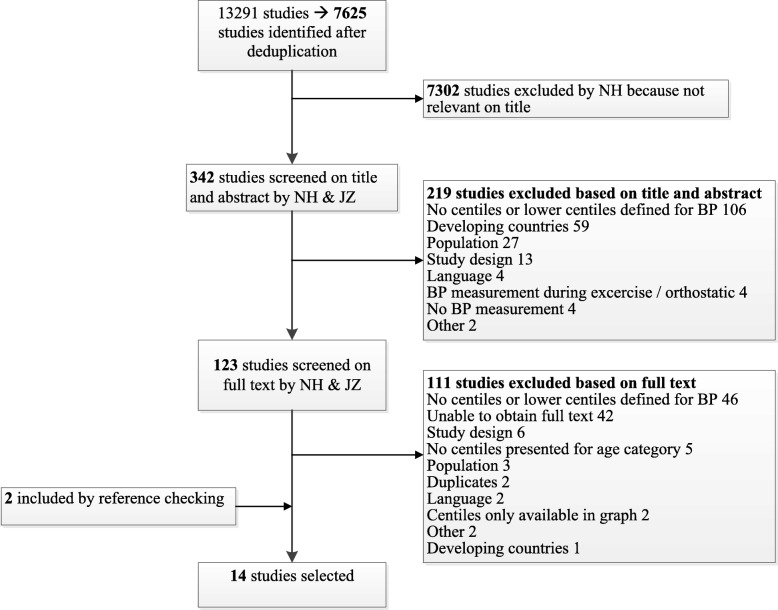
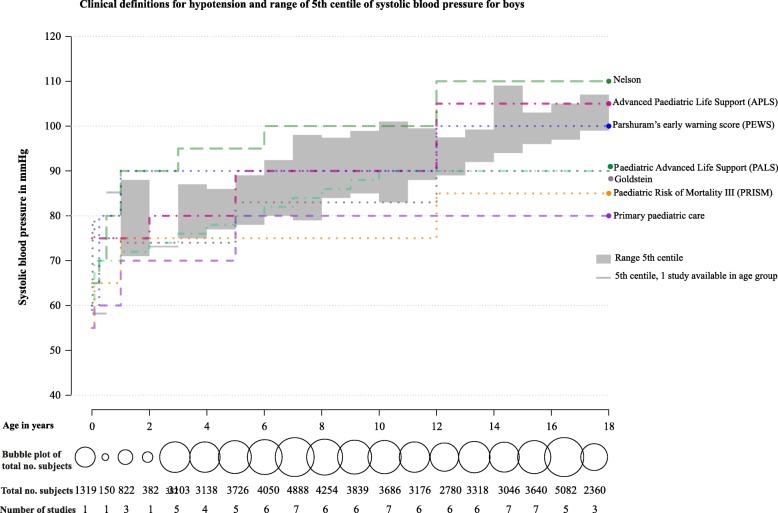
We searched online databases until February 2019 (including MEDLINE, EMBASE, Web of Science) using a comprehensive search strategy to identify studies that defined age-related centiles (first to fifth centile) for non-invasive systolic blood pressure in healthy children < 18 years. Existing cut-offs for hypotension were identified in international guidelines and textbooks. The age-related centiles and clinical cut-offs were compared and visualized using step charts.
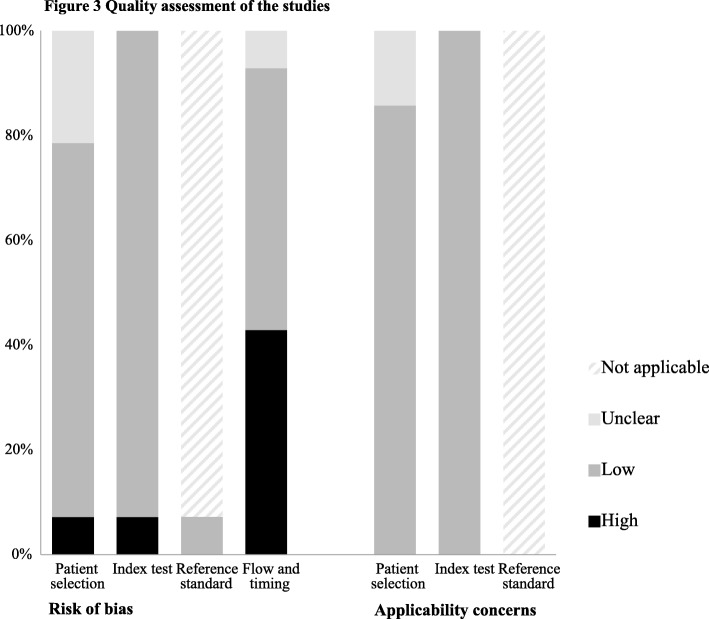
Fourteen studies with population-based centiles were selected, of which 2 addressed children < 1 year. Values for the fifth centile differed 8 to 17 mmHg for age. We identified 13 clinical cut-offs of which only 5 reported accurate references. Age-related cut-offs for hypotension showed large variability (ranging from 15 to 30 mmHg). The clinical cut-offs varied in agreement with the low centiles. The definition from Paediatric Advanced Life Support agreed well for children < 12 years but was below the fifth centiles for children > 12 years. For children > 12 years, the definition of Parshuram's early warning score agreed well, but the Advanced Paediatric Life Support definition was above the fifth centiles.
The different clinical guidelines for low blood pressure show large variability and low to moderate agreement with population-based lower centiles. For children < 12 years, the Paediatric Advanced Life Support definition fits best but it underestimates hypotension in older children. For children > 12 years, the Advanced Paediatric Life Support overestimates hypotension but Parshuram's cut-off for hypotension in the early warning score agrees well. Future studies should focus on developing reference values for hypotension for acutely ill children.
儿童低血压有不同的定义。本研究旨在确定基于证据的低血压参考值,并将其与现有的收缩压低血压定义进行比较。
我们使用全面的搜索策略在线数据库进行搜索,直到 2019 年 2 月(包括 MEDLINE、EMBASE、Web of Science),以确定定义健康儿童<18 岁非侵入性收缩压年龄相关百分位数(第 1 至第 5 百分位)的研究。国际指南和教科书中确定了现有的低血压切点。使用分步图表比较和可视化年龄相关百分位数和临床切点。
选择了 14 项基于人群的百分位数研究,其中 2 项研究涉及<1 岁的儿童。年龄相关的第 5 百分位数差异为 8 至 17mmHg。我们确定了 13 个临床切点,其中只有 5 个报告了准确的参考文献。低血压的年龄相关切点差异很大(范围为 15 至 30mmHg)。临床切点与低百分位数的一致性存在差异。儿科高级生命支持的定义在<12 岁的儿童中很好,但在>12 岁的儿童中低于第 5 百分位数。对于>12 岁的儿童,Parshuram 的早期预警评分的定义很好,但高级儿科生命支持的定义高于第 5 百分位数。
不同的临床低血压指南显示出很大的差异,与基于人群的较低百分位数的一致性低至中度。对于<12 岁的儿童,儿科高级生命支持的定义最适合,但它低估了年龄较大儿童的低血压。对于>12 岁的儿童,高级儿科生命支持的定义高估了低血压,但 Parshuram 的早期预警评分的低血压切点很好。未来的研究应集中于为急性病儿童开发低血压参考值。