Killer Cell Biology Laboratory, Peter MacCallum Cancer Centre, 305 Grattan Street, Melbourne, VIC, 3000, Australia.
Sir Peter MacCallum Department of Oncology, University of Melbourne, Melbourne, VIC, 3000, Australia.
Nat Commun. 2019 Nov 27;10(1):5396. doi: 10.1038/s41467-019-13385-x.
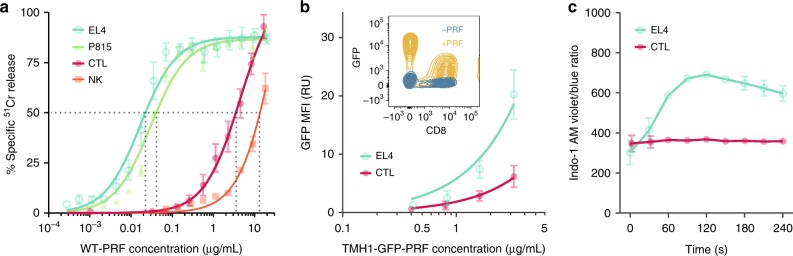
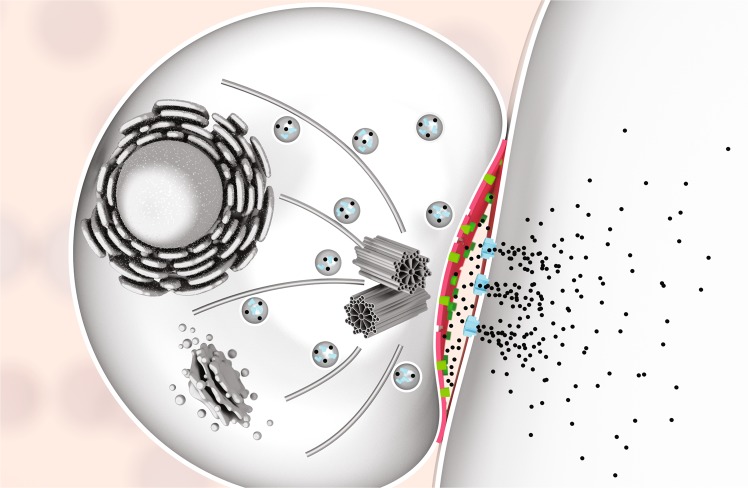
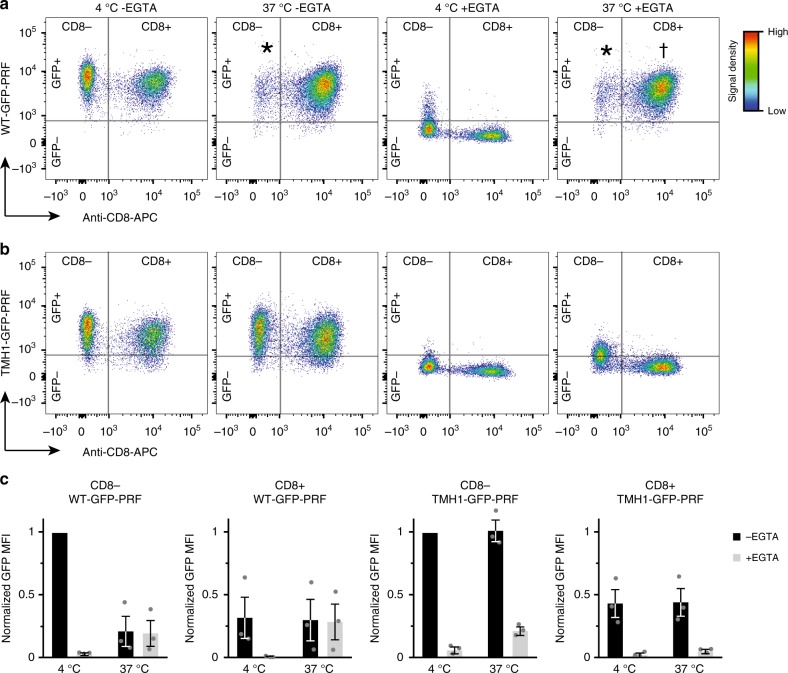
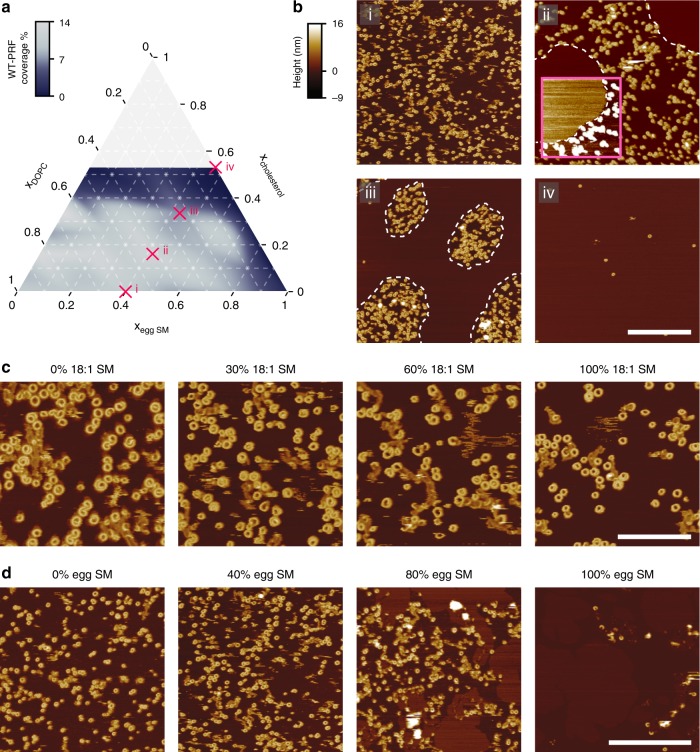
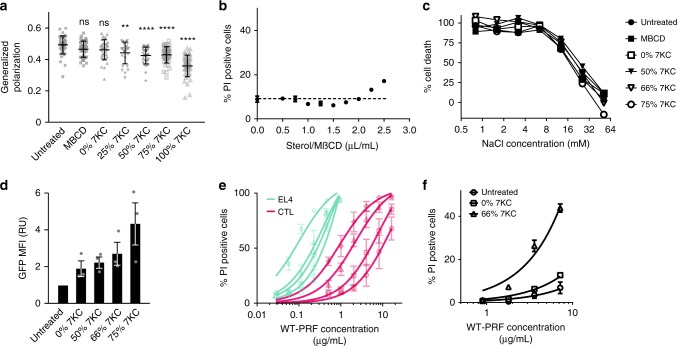
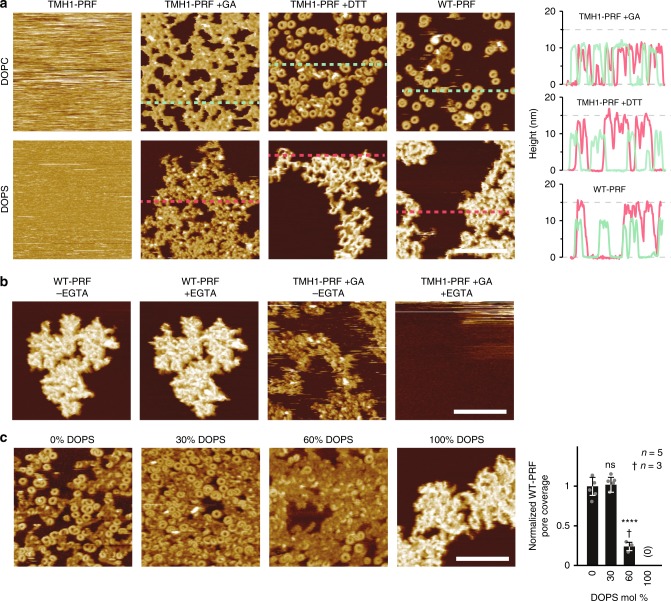
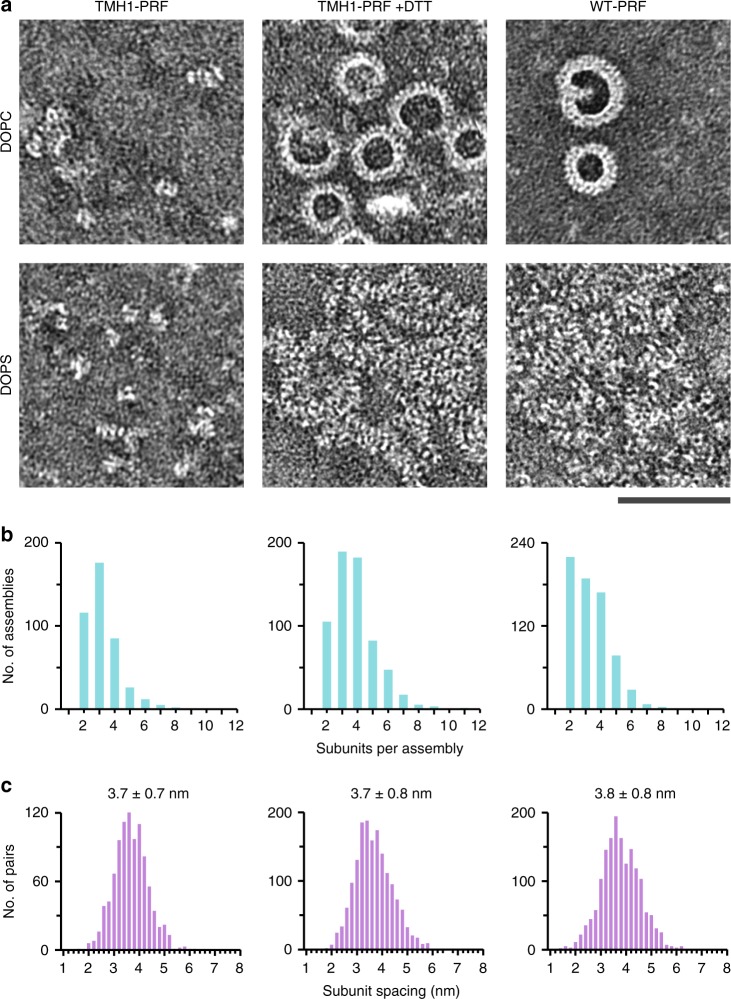
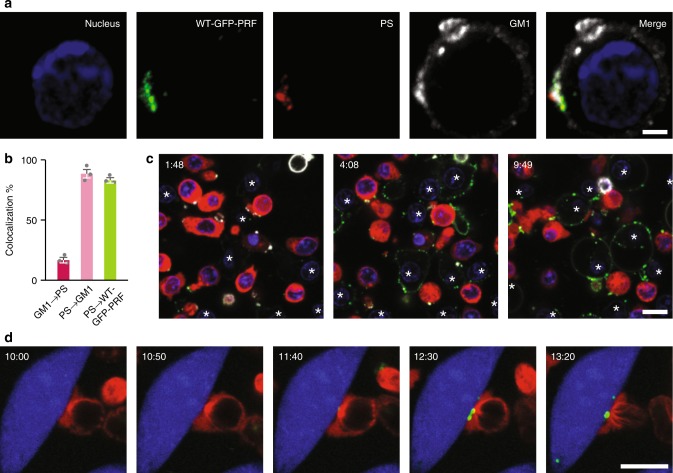
Killer T cells (cytotoxic T lymphocytes, CTLs) maintain immune homoeostasis by eliminating virus-infected and cancerous cells. CTLs achieve this by forming an immunological synapse with their targets and secreting a pore-forming protein (perforin) and pro-apoptotic serine proteases (granzymes) into the synaptic cleft. Although the CTL and the target cell are both exposed to perforin within the synapse, only the target cell membrane is disrupted, while the CTL is invariably spared. How CTLs escape unscathed remains a mystery. Here, we report that CTLs achieve this via two protective properties of their plasma membrane within the synapse: high lipid order repels perforin and, in addition, exposed phosphatidylserine sequesters and inactivates perforin. The resulting resistance of CTLs to perforin explains their ability to kill target cells in rapid succession and to survive these encounters. Furthermore, these mechanisms imply an unsuspected role for plasma membrane organization in protecting cells from immune attack.
杀伤性 T 细胞(细胞毒性 T 淋巴细胞,CTL)通过消除病毒感染和癌变细胞来维持免疫稳态。CTL 通过与靶细胞形成免疫突触,并将形成孔的蛋白(穿孔素)和促凋亡丝氨酸蛋白酶(颗粒酶)分泌到突触裂缺中来实现这一点。尽管 CTL 和靶细胞都暴露在突触中的穿孔素下,但只有靶细胞膜被破坏,而 CTL 总是幸免于难。CTL 如何毫发无损地逃脱仍然是个谜。在这里,我们报告说,CTL 通过其在突触中的质膜的两种保护特性来实现这一点:高脂质有序性排斥穿孔素,此外,暴露的磷脂酰丝氨酸隔离并失活穿孔素。CTL 对穿孔素的这种抗性解释了它们能够快速连续地杀死靶细胞并在这些接触中存活下来的能力。此外,这些机制暗示了质膜组织在保护细胞免受免疫攻击方面的意想不到的作用。