Pope F M, Narcisi P, Nicholls A C, Liberman M, Oorthuys J W
Medical Research Council, Clinical Research Centre, Harrow.
Arch Dis Child. 1988 Sep;63(9):1016-25. doi: 10.1136/adc.63.9.1016.
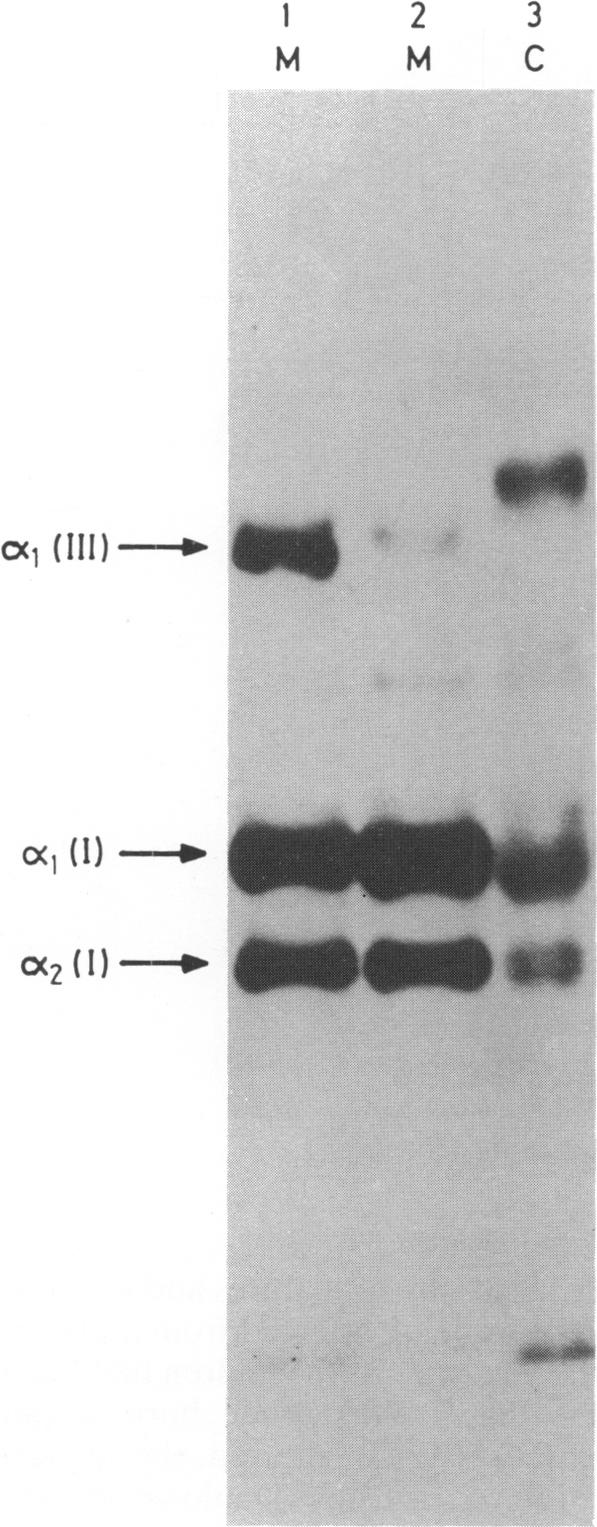
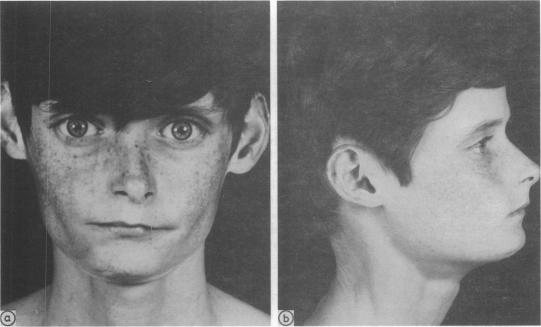
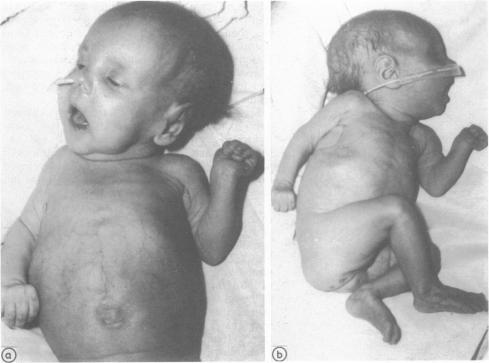
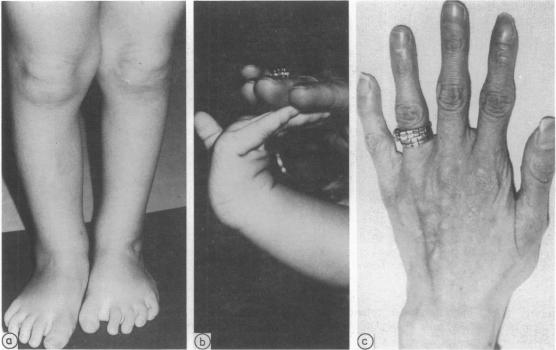
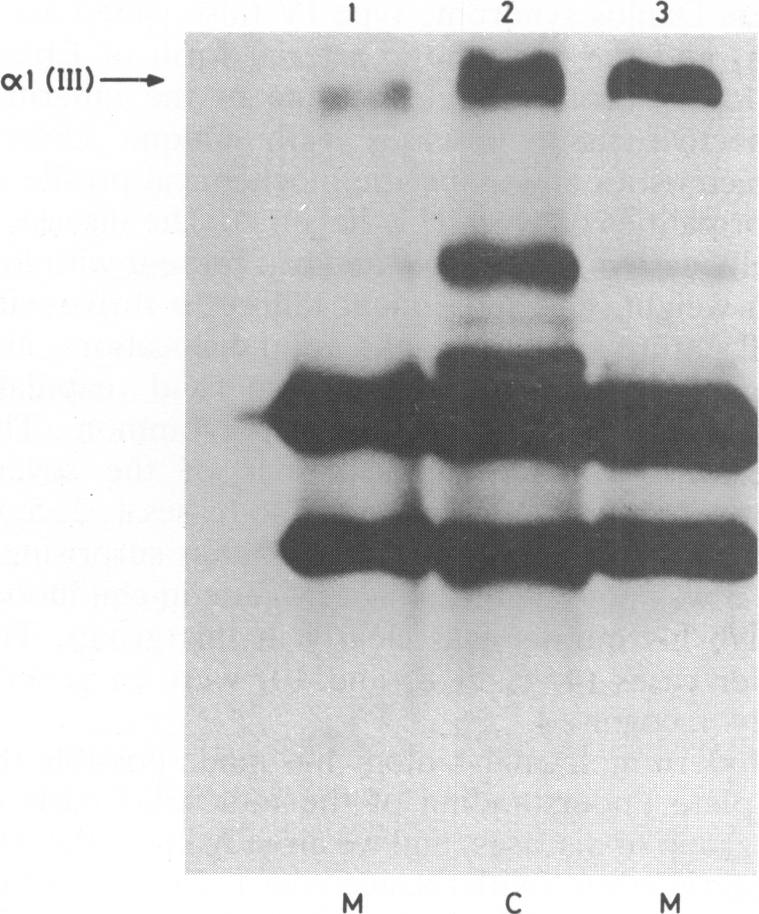
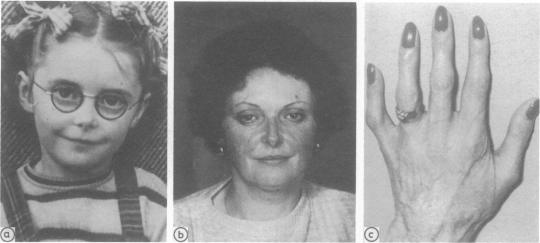
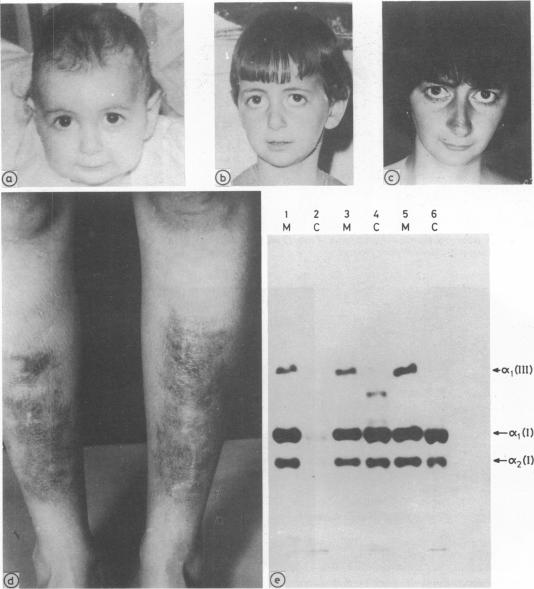
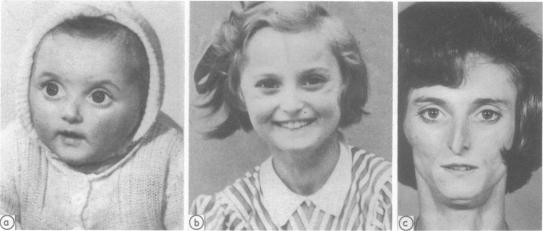
Ehlers Danlos syndrome type IV is an often lethal disease caused by various mutations of type III collagen genes. It presents in infancy and childhood in several ways, and the symptoms and signs include low birth weight, prematurity, congenital dislocation of the hips, easy inappropriate bruising (sometimes suspected as child battering), and a diagnostic facial phenotype. These features predict a lethal adult disease often complicated by fatal arterial rupture in early or middle adult life. Most affected patients can be diagnosed from radiolabelled collagen protein profiles by polyacrylamide gel electrophoresis. Prenatal diagnosis by specific type III collagen restriction fragment length polymorphisms is possible in some families, and will become increasingly important. Prenatal diagnosis and prevention of the disease in selected families is already possible and will be widely available in the future.
IV型埃勒斯-当洛综合征是一种常由III型胶原基因的各种突变引起的致命疾病。它在婴儿期和儿童期有多种表现方式,症状和体征包括低出生体重、早产、先天性髋关节脱位、容易出现不当瘀伤(有时被怀疑是受虐儿童)以及具有诊断意义的面部表型。这些特征预示着一种致命的成人疾病,在成年早期或中期常并发致命的动脉破裂。大多数受影响的患者可以通过聚丙烯酰胺凝胶电泳从放射性标记的胶原蛋白谱中得到诊断。在一些家族中,通过特定的III型胶原限制性片段长度多态性进行产前诊断是可行的,而且将变得越来越重要。在选定的家族中对该疾病进行产前诊断和预防目前已经可行,未来将广泛应用。