Department of Pathology and Center for Cancer Research, Massachusetts General Hospital and Harvard Medical School, Boston, MA, USA.
Broad Institute of Harvard and MIT, Cambridge, MA, USA.
Nat Rev Cancer. 2020 Jan;20(1):42-56. doi: 10.1038/s41568-019-0223-8. Epub 2019 Dec 9.
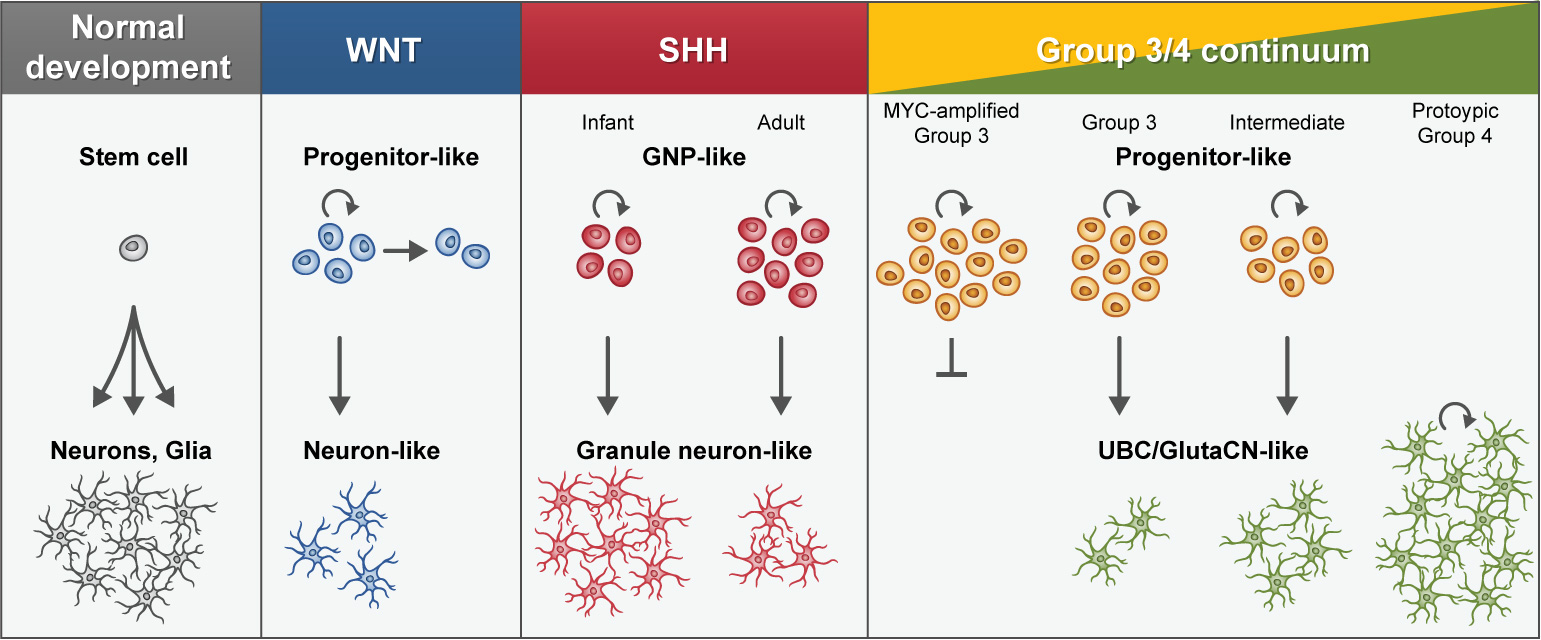
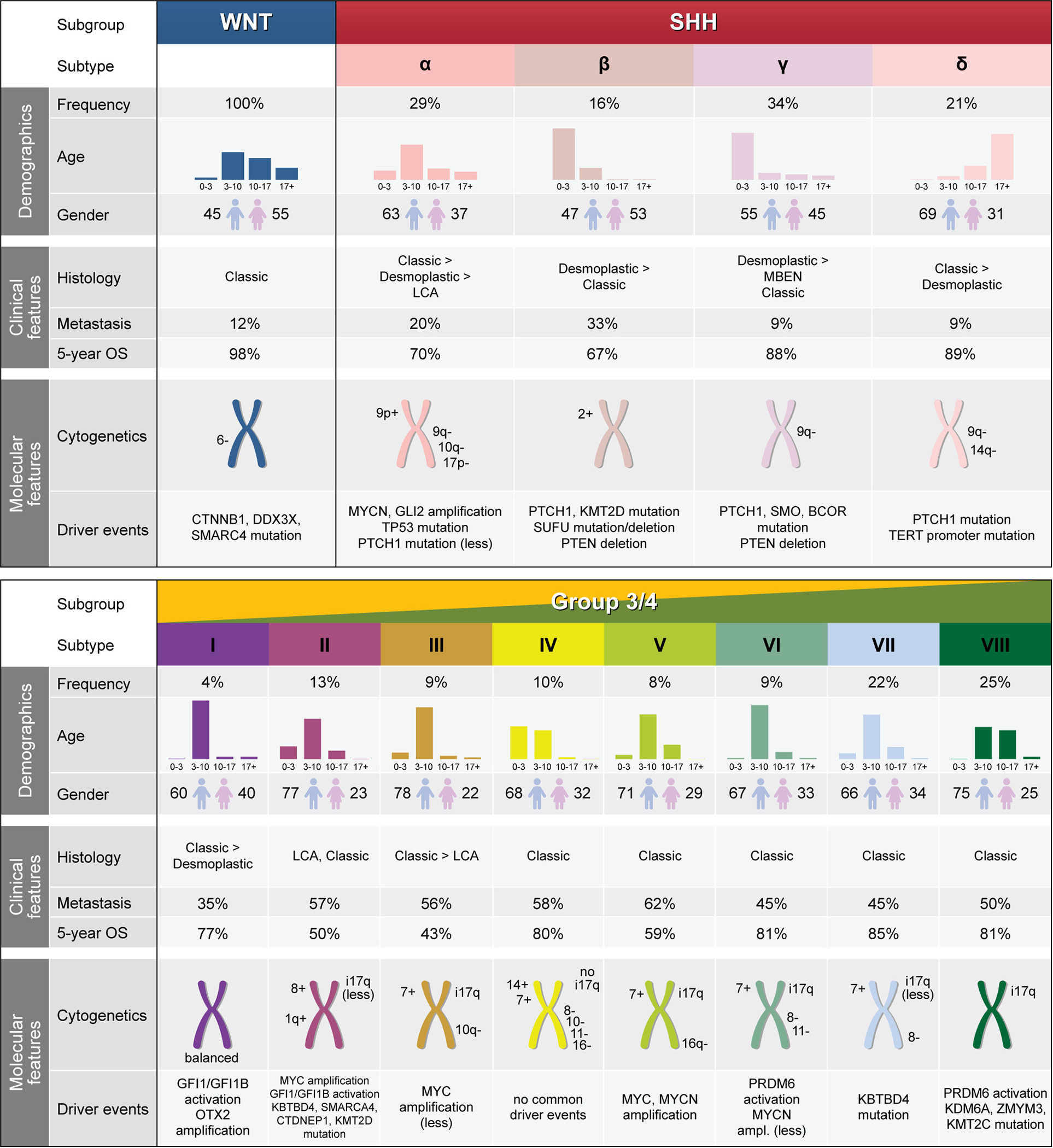
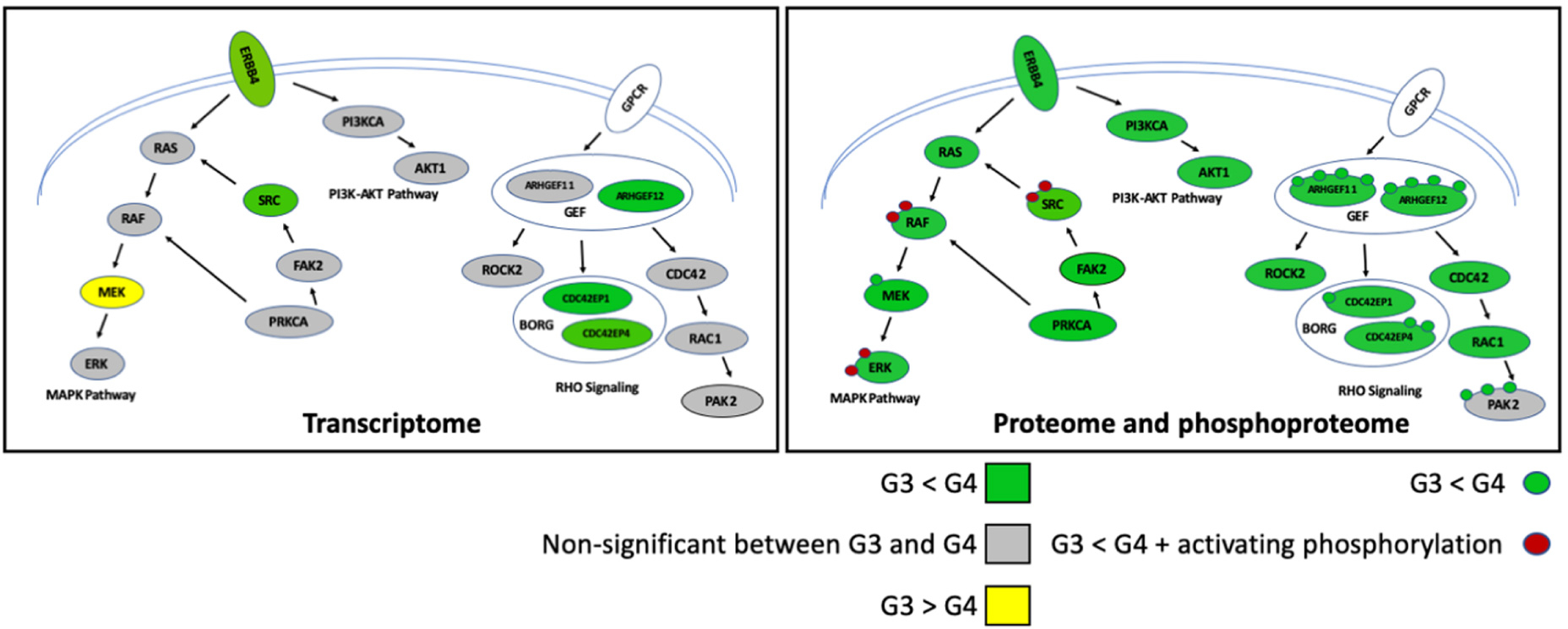
Medulloblastoma, a malignant brain tumour primarily diagnosed during childhood, has recently been the focus of intensive molecular profiling efforts, profoundly advancing our understanding of biologically and clinically heterogeneous disease subgroups. Genomic, epigenomic, transcriptomic and proteomic landscapes have now been mapped for an unprecedented number of bulk samples from patients with medulloblastoma and, more recently, for single medulloblastoma cells. These efforts have provided pivotal new insights into the diverse molecular mechanisms presumed to drive tumour initiation, maintenance and recurrence across individual subgroups and subtypes. Translational opportunities stemming from this knowledge are continuing to evolve, providing a framework for improved diagnostic and therapeutic interventions. In this Review, we summarize recent advances derived from this continued molecular characterization of medulloblastoma and contextualize this progress towards the deployment of more effective, molecularly informed treatments for affected patients.
髓母细胞瘤是一种主要发生在儿童时期的恶性脑肿瘤,最近成为了密集的分子分析工作的焦点,极大地提高了我们对生物学和临床异质疾病亚组的认识。目前已经对大量髓母细胞瘤患者的样本进行了基因组、表观基因组、转录组和蛋白质组学图谱绘制,最近还对单个髓母细胞瘤细胞进行了图谱绘制。这些努力为驱动个体亚组和亚型肿瘤发生、维持和复发的不同分子机制提供了关键的新见解。从这些知识中衍生出的转化机会正在不断发展,为改善诊断和治疗干预提供了框架。在这篇综述中,我们总结了最近从髓母细胞瘤的持续分子特征中获得的进展,并将这些进展置于为受影响患者提供更有效、更具分子信息的治疗方法的背景下。