Wang Jing, Zheng Mingjun, Zhu Liancheng, Deng Lu, Li Xiao, Gao Linging, Wang Caixia, Wang Huimin, Liu Juanjuan, Lin Bei
1Department of Obstetrics and Gynaecology, Shengjing Hospital Affiliated to China Medical University, No. 36 Sanhao Street, Heping District, Shenyang, 110004 Liaoning China.
Key Laboratory of Maternal-Fetal Medicine of Liaoning Province and, Laboratory of Obstetrics and Gynecology of Higher Education of Liaoning Province, No. 7 Mulan Road, Xihu District, Benxi, 117000 Liaoning China.
Cancer Cell Int. 2019 Dec 6;19:330. doi: 10.1186/s12935-019-1009-5. eCollection 2019.
Abnormal activation of the classic Wnt signaling pathway is closely related to the occurrence of epithelial cancers. B-cell lymphoma 9 (BCL9), a transcription factor, is a novel oncogene discovered in the classic Wnt pathway and promotes the occurrence and development of various tumors. Ovarian cancer is the gynecological malignant tumor with the highest mortality because it is difficult to diagnose early, and easy to relapse and metastasis. The expression and role of BCL9 in epithelial ovarian cancer (EOC) have not been studied. Thus, in this research, we aimed to investigate the expression and clinical significance of BCL9 in EOC tissues and its effect on the malignant biological behavior of human ovarian cancer cells.
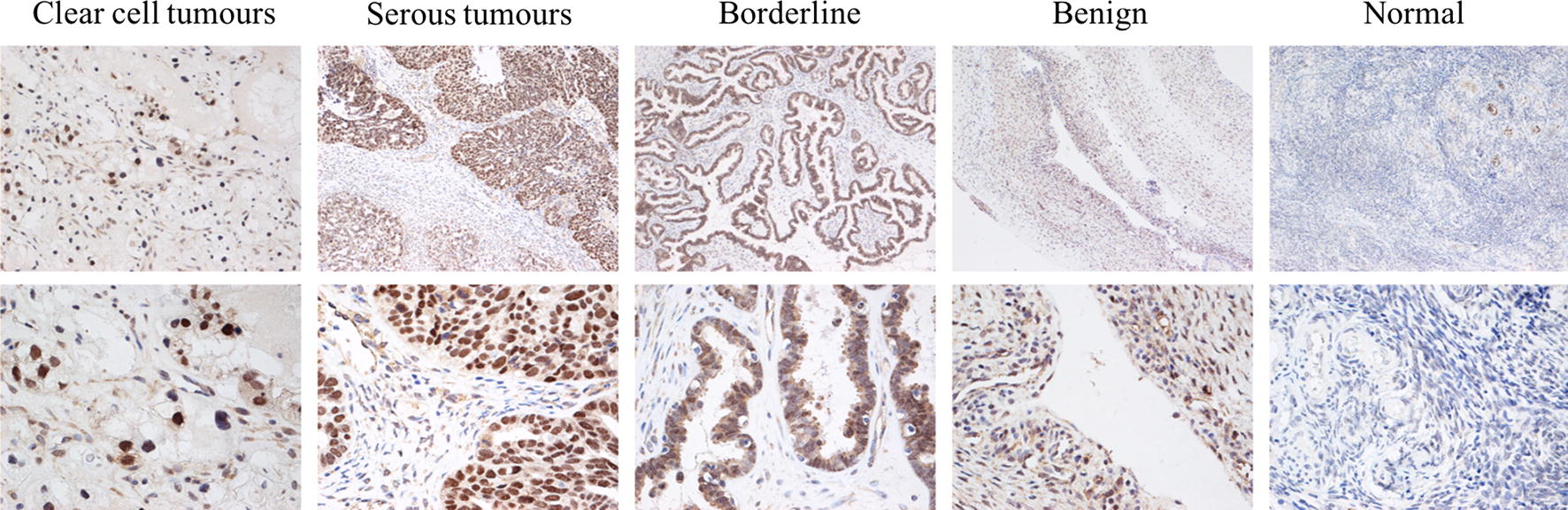
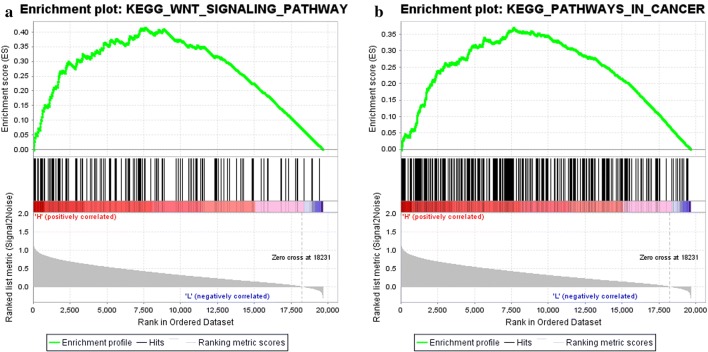
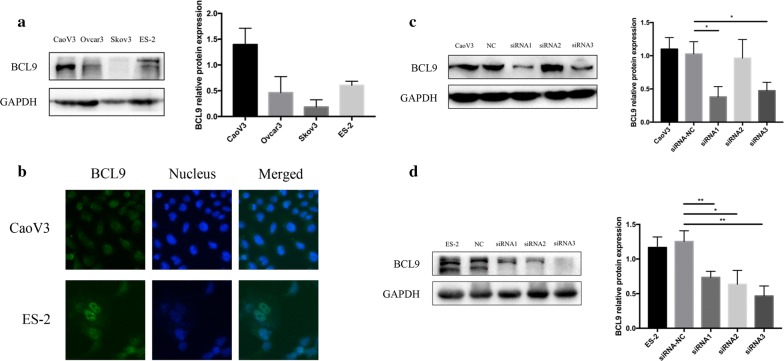
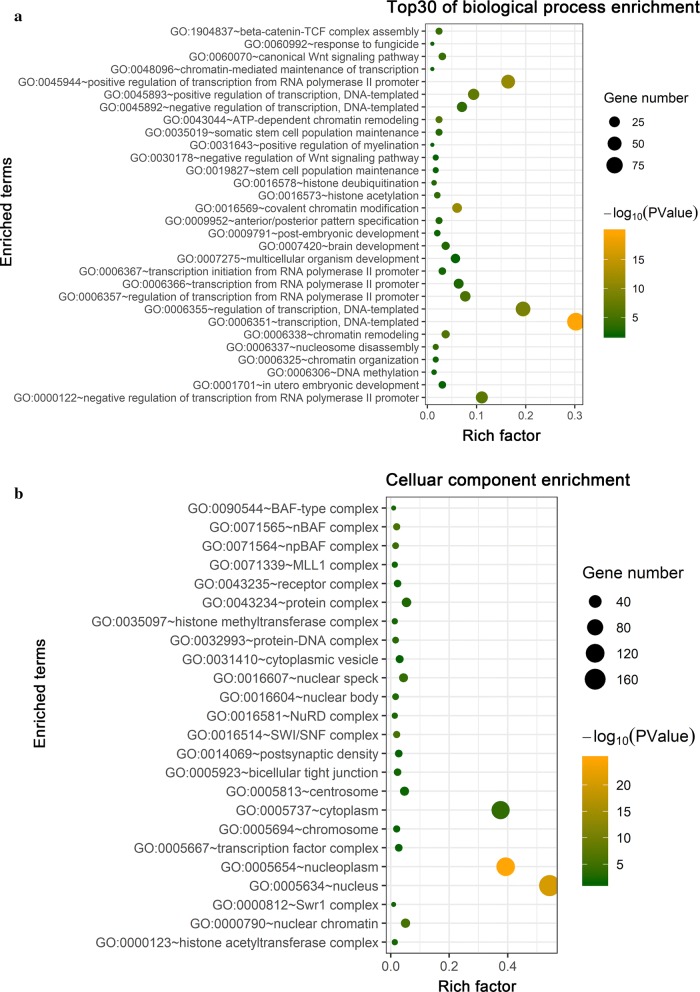
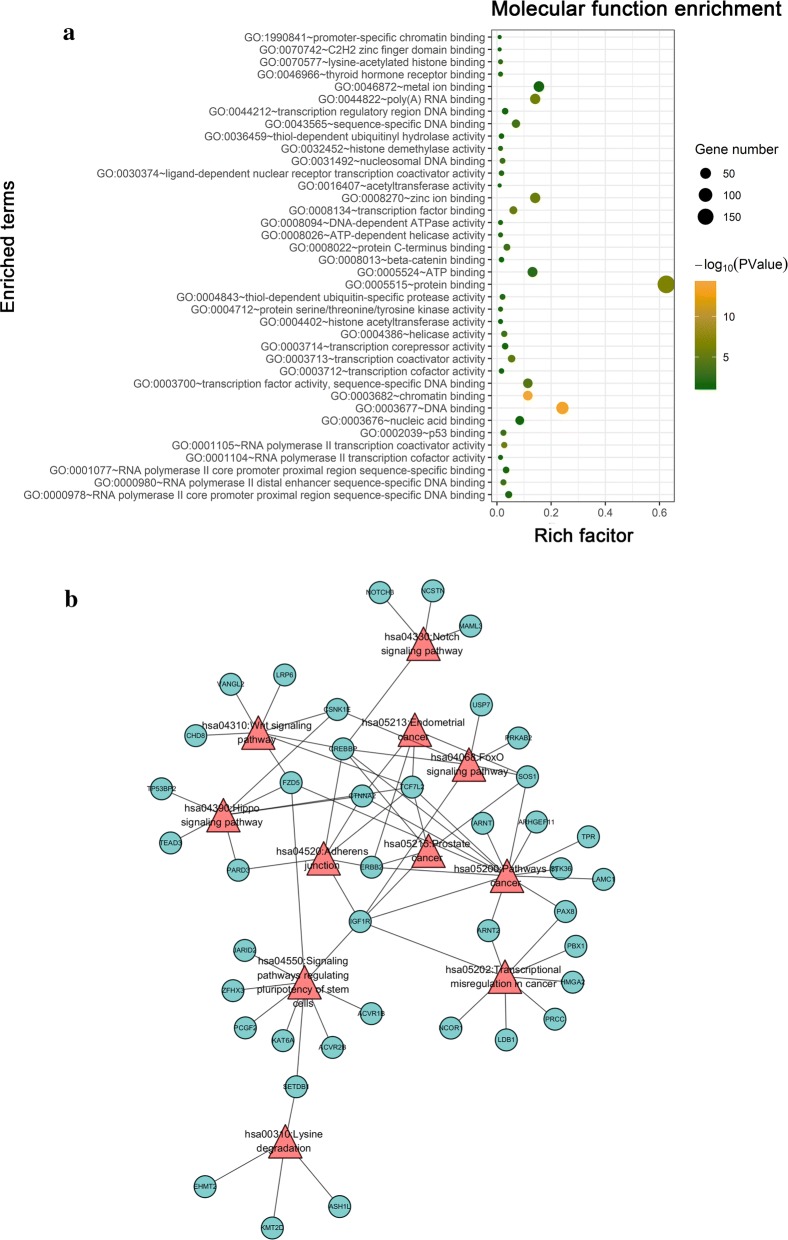
We detect the expression of BCL9 in ovarian epithelial tumor tissues and normal ovarian tissues using immunohistochemistry and analyzed the relationship between it and clinicopathological parameters and patient prognosis. The expression of proteins was detected by Western blot. The MTT assay, flow cytometry, the scratch assay, and the transwell assay were used to detect cell proliferation, apoptosis, migration, and invasion, respectively. A total of 374 ovarian cancer tissue samples were collected using TCGA database. A gene set enrichment analysis of BCL9 was performed.
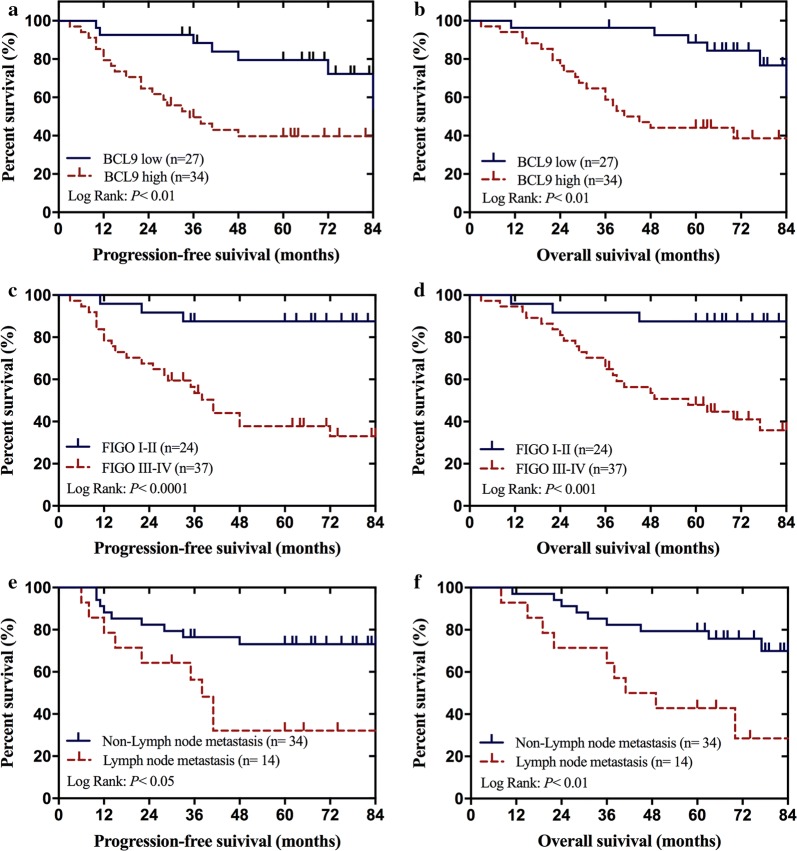
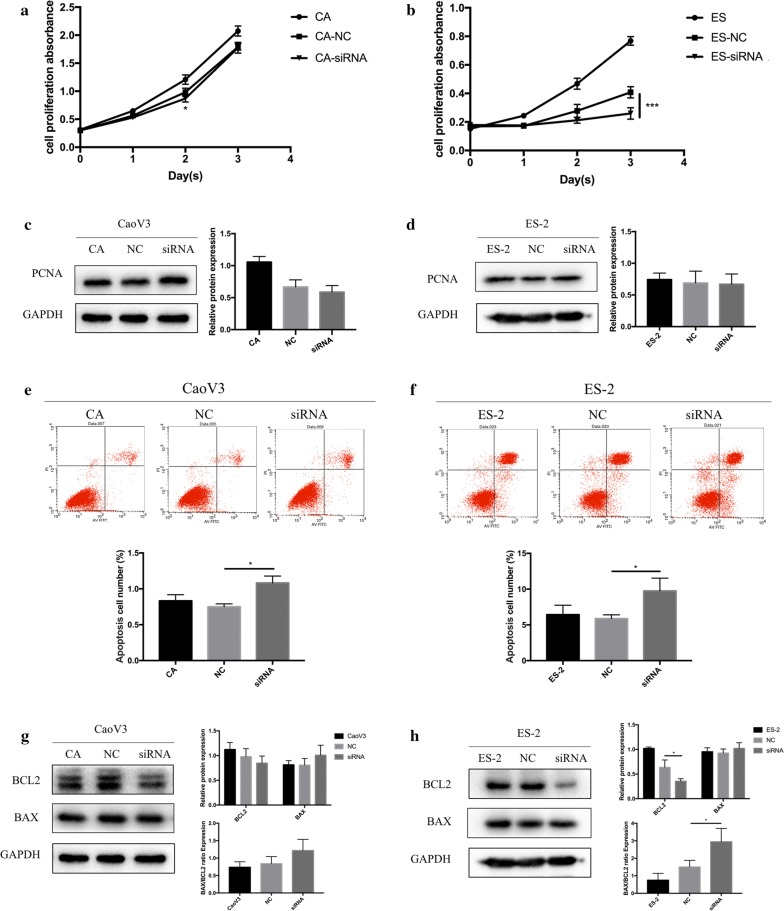
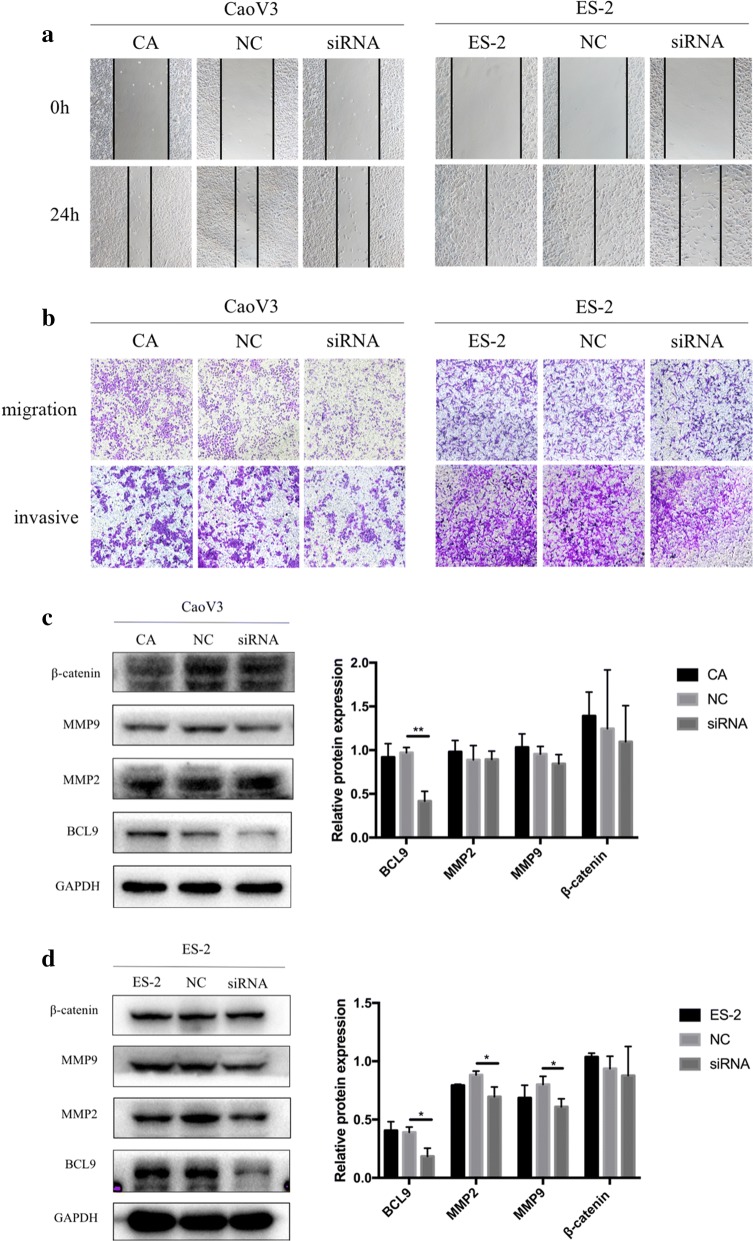
BCL9 was overexpressed in EOC tissues. The level of BCL9 expression was correlated with the 5-year progression-free survival rate and overall survival rate in ovarian cancer patients and independently predicted the risk of ovarian cancer recurrence. Low BCL9 expression inhibited proliferation, invasion and migration of EOC cells, decreased MMP2 and MMP9 expression of ES-2 cell line, increased the BAX/BCL2 ratio and promoted apoptosis of EOC cells.
BCL9 is overexpressed in epithelial ovarian tumors, resulting in a poor prognosis for ovarian cancer patients. Low BCL9 expression can promote ovarian cancer cell apoptosis, inhibit proliferation and migration. BCL9 promotes the development of ovarian cancer.
经典Wnt信号通路的异常激活与上皮性癌的发生密切相关。转录因子B细胞淋巴瘤9(BCL9)是在经典Wnt通路中发现的一种新型致癌基因,可促进各种肿瘤的发生和发展。卵巢癌是死亡率最高的妇科恶性肿瘤,因为其早期难以诊断,且易于复发和转移。BCL9在上皮性卵巢癌(EOC)中的表达及作用尚未见研究报道。因此,在本研究中,我们旨在探讨BCL9在EOC组织中的表达及其临床意义,以及其对人卵巢癌细胞恶性生物学行为的影响。
我们采用免疫组织化学检测BCL9在卵巢上皮性肿瘤组织和正常卵巢组织中的表达,并分析其与临床病理参数及患者预后的关系。通过蛋白质免疫印迹法检测蛋白表达。采用MTT法、流式细胞术、划痕试验和Transwell试验分别检测细胞增殖、凋亡、迁移和侵袭情况。使用TCGA数据库收集了374份卵巢癌组织样本。对BCL9进行基因集富集分析。
BCL9在EOC组织中高表达。BCL9的表达水平与卵巢癌患者的5年无进展生存率和总生存率相关,并可独立预测卵巢癌复发风险。低BCL9表达抑制EOC细胞的增殖、侵袭和迁移,降低ES-2细胞系中MMP2和MMP9的表达,增加BAX/BCL2比值并促进EOC细胞凋亡。
BCL9在上皮性卵巢肿瘤中高表达,导致卵巢癌患者预后不良。低BCL9表达可促进卵巢癌细胞凋亡,抑制增殖和迁移。BCL9促进卵巢癌的发展。