Hakizimana Olivier, Matabaro Emmanuel, Lee Byong H
School of Biotechnology, Jiangnan University, Wuxi, 214122, Jiangsu Prov, China.
Department of Biology, Institute of Microbiology, ETH Zürich, 8093 Zürich, Switzerland.
Biotechnol Rep (Amst). 2019 Nov 13;25:e00397. doi: 10.1016/j.btre.2019.e00397. eCollection 2020 Mar.
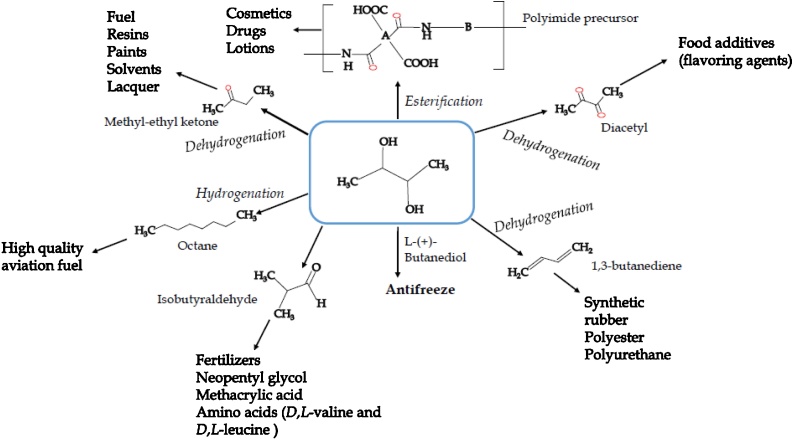
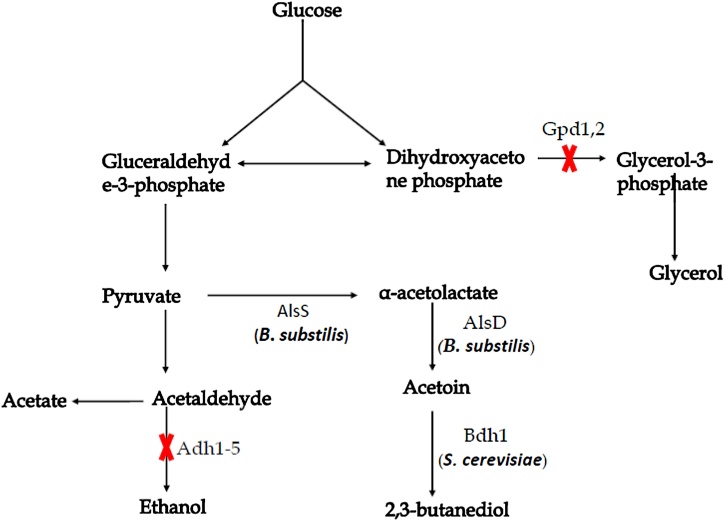
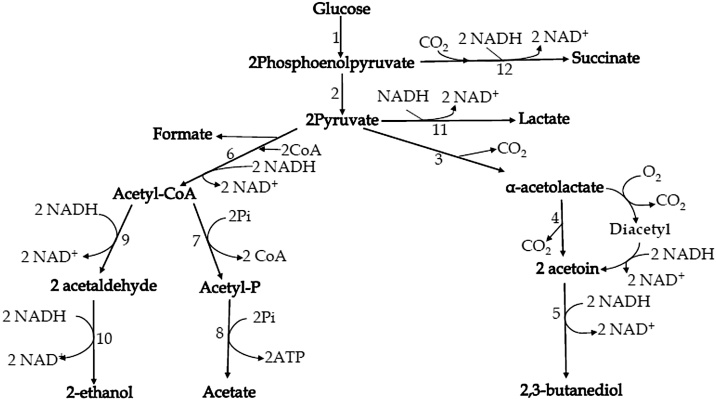
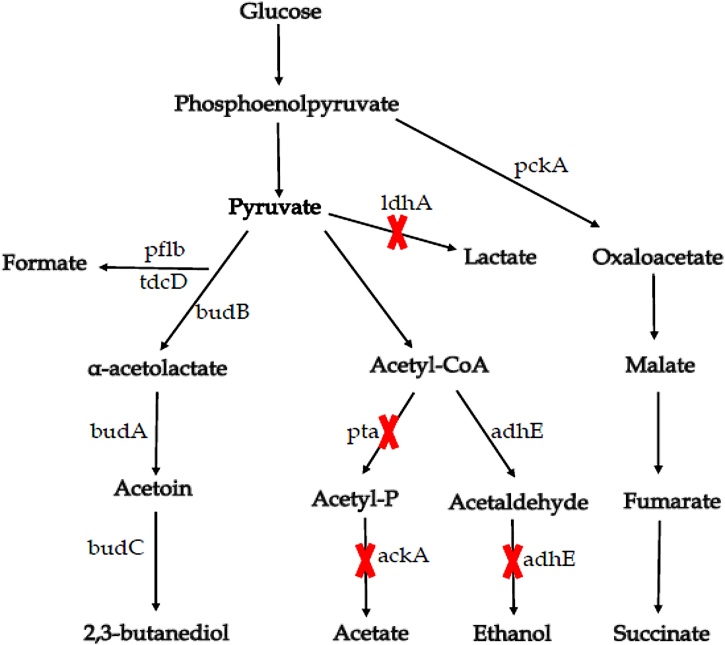
2,3-Butanediol (2,3-BD) is a propitious compound with many industrial uses ranging from rubber, fuels, and cosmetics to food additives. Its microbial production has especially attracted as an alternative way to the petroleum-based production. However, 2,3-BD production has always been hampered by low yields and high production costs. The enhanced production of 2,3-butanediol requires screening of the best strains and a systematic optimization of fermentation conditions. Moreover, the metabolic pathway engineering is essential to achieve the best results and minimize the production costs by rendering the strains to use efficiently low cost substrates. This review is to provide up-to-date information on the current strategies and parameters for the enhanced microbial production of 2,3-BD.
2,3-丁二醇(2,3-BD)是一种具有多种工业用途的优良化合物,其应用范围涵盖橡胶、燃料、化妆品以及食品添加剂等领域。它的微生物生产作为一种替代基于石油的生产方式,尤其受到关注。然而,2,3-丁二醇的生产一直受到低产量和高生产成本的阻碍。提高2,3-丁二醇的产量需要筛选出最佳菌株并对发酵条件进行系统优化。此外,代谢途径工程对于取得最佳效果并通过使菌株有效利用低成本底物来降低生产成本至关重要。本综述旨在提供有关当前提高2,3-丁二醇微生物产量的策略和参数的最新信息。