Hubrecht Institute-KNAW and University Medical Center Utrecht, Utrecht, Netherlands.
Department of Molecular Cell Biology, Weizmann Institute of Science, Rehovot, Israel.
Elife. 2019 Dec 23;8:e50163. doi: 10.7554/eLife.50163.
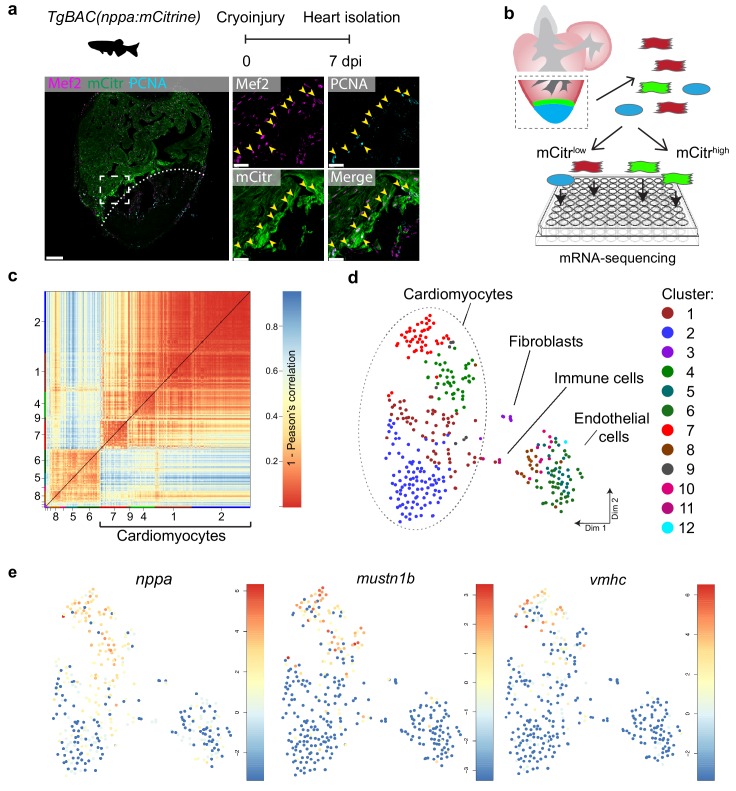
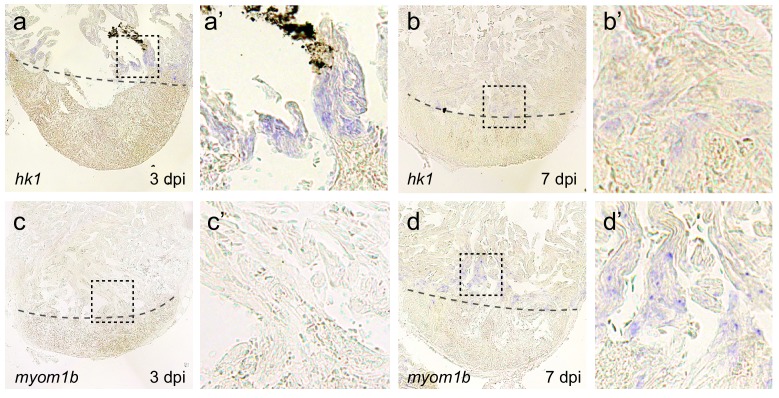
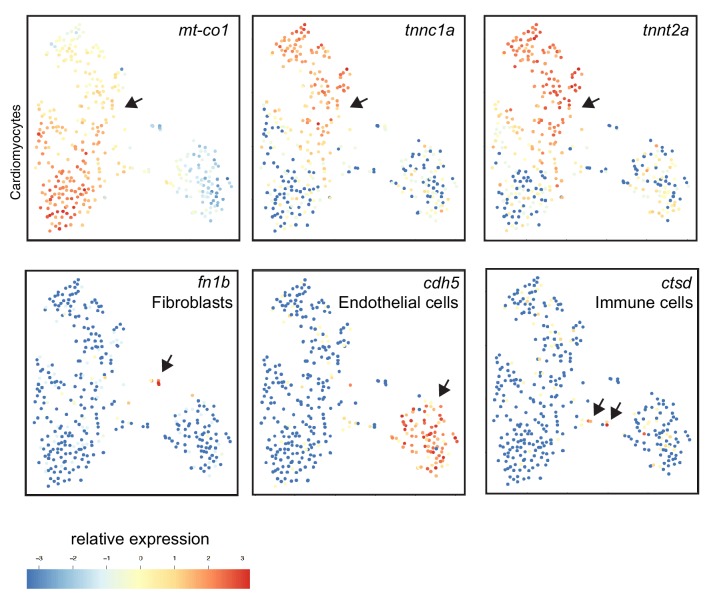
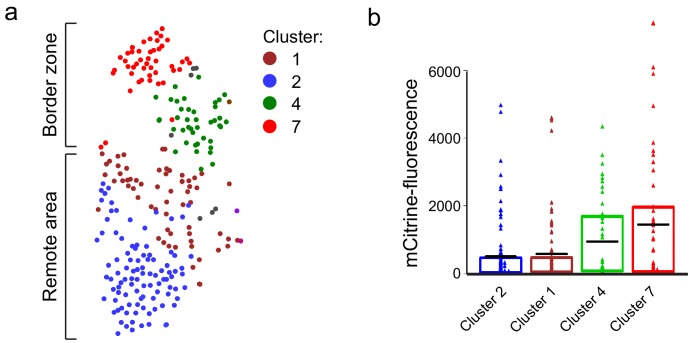
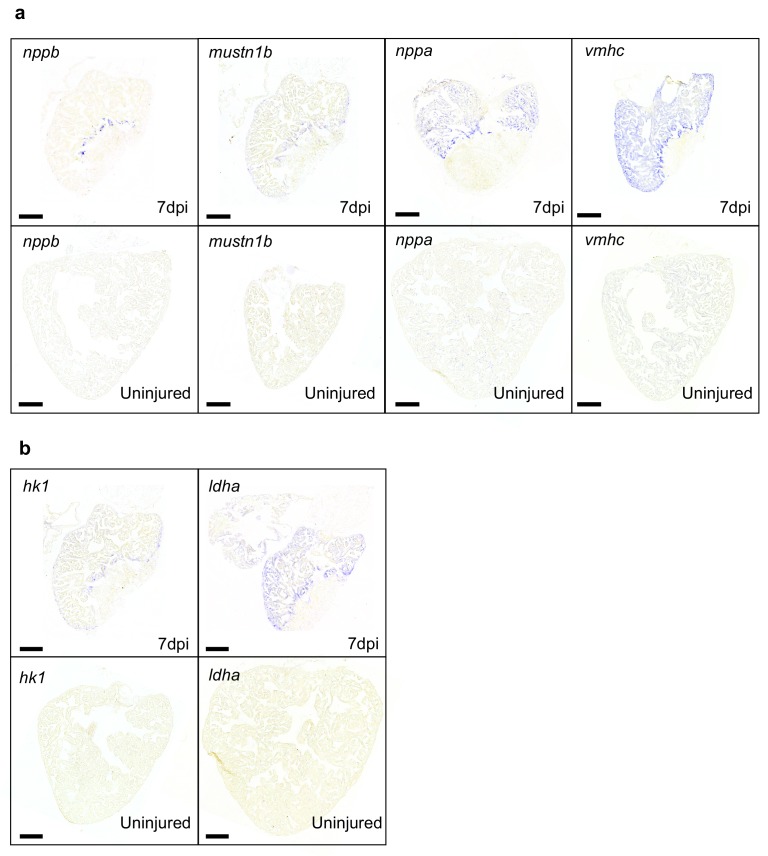
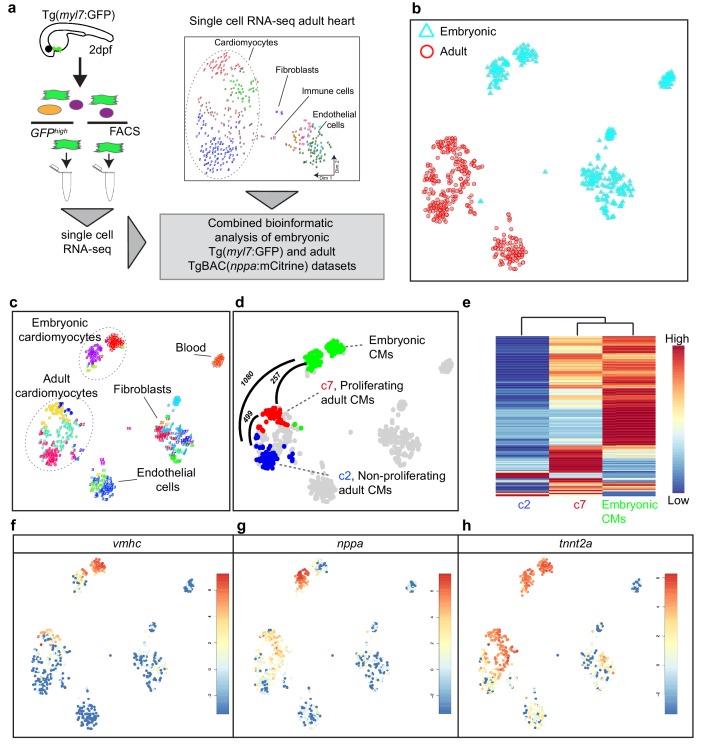
While the heart regenerates poorly in mammals, efficient heart regeneration occurs in zebrafish. Studies in zebrafish have resulted in a model in which preexisting cardiomyocytes dedifferentiate and reinitiate proliferation to replace the lost myocardium. To identify which processes occur in proliferating cardiomyocytes we have used a single-cell RNA-sequencing approach. We uncovered that proliferating border zone cardiomyocytes have very distinct transcriptomes compared to the nonproliferating remote cardiomyocytes and that they resemble embryonic cardiomyocytes. Moreover, these cells have reduced expression of mitochondrial genes and reduced mitochondrial activity, while glycolysis gene expression and glucose uptake are increased, indicative for metabolic reprogramming. Furthermore, we find that the metabolic reprogramming of border zone cardiomyocytes is induced by Nrg1/ErbB2 signaling and is important for their proliferation. This mechanism is conserved in murine hearts in which cardiomyocyte proliferation is induced by activating ErbB2 signaling. Together these results demonstrate that glycolysis regulates cardiomyocyte proliferation during heart regeneration.
虽然哺乳动物的心脏再生能力很差,但斑马鱼的心脏却能有效地再生。在斑马鱼中的研究已经建立了一个模型,即预先存在的心肌细胞去分化并重新开始增殖,以替代丢失的心肌。为了确定增殖的心肌细胞中发生了哪些过程,我们使用了单细胞 RNA 测序方法。我们发现,与非增殖的远程心肌细胞相比,增殖的边缘区心肌细胞具有非常不同的转录组,并且它们类似于胚胎心肌细胞。此外,这些细胞的线粒体基因表达减少,线粒体活性降低,而糖酵解基因表达和葡萄糖摄取增加,表明代谢重编程。此外,我们发现边缘区心肌细胞的代谢重编程是由 Nrg1/ErbB2 信号诱导的,对其增殖很重要。在激活 ErbB2 信号诱导心肌细胞增殖的小鼠心脏中,这种机制是保守的。这些结果表明,糖酵解在心脏再生过程中调节心肌细胞的增殖。