Powell Marta K, Cempirkova Dana, Dundr Pavel, Grimmichova Tereza, Trebicky Ferdinand, E Brown Robert, Gregorova Jana, Litschmannova Martina, Janurova Katerina, Pesta Michal, Heneberg Petr
Third Faculty of Medicine, Charles University, Prague, Czech Republic; Department of Pathology, Hospital Jablonec Nad Nisou, Jablonec Nad Nisou, Czech Republic; Department of Neurology, Faculty of Medicine and Dentistry, Palacky University, Olomouc, Czech Republic.
Department of Pathology, Hospital Jindrichuv Hradec, Jindrichuv Hradec, Czech Republic.
Transl Oncol. 2020 Feb;13(2):383-392. doi: 10.1016/j.tranon.2019.10.011. Epub 2019 Dec 30.
Diabetes mellitus is unfavorably associated with cancer risk. The purpose of this multidisciplinary project was to evaluate a possible association of diabetes mellitus and other comorbidities and their treatment with progression of colorectal cancer.
We investigated the correlation between pathological characteristics and clinical course, including comorbidities in 1004 Czech patients diagnosed and surgically treated for colorectal adenocarcinoma (CRC) between 1999 and 2016.
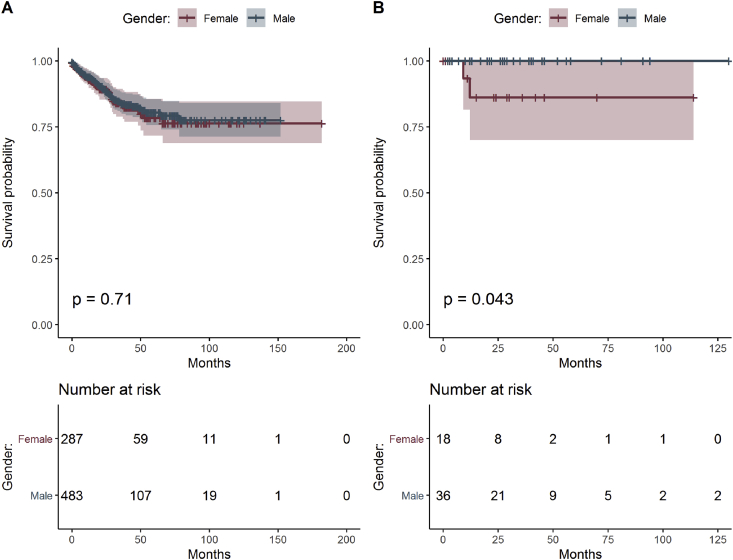
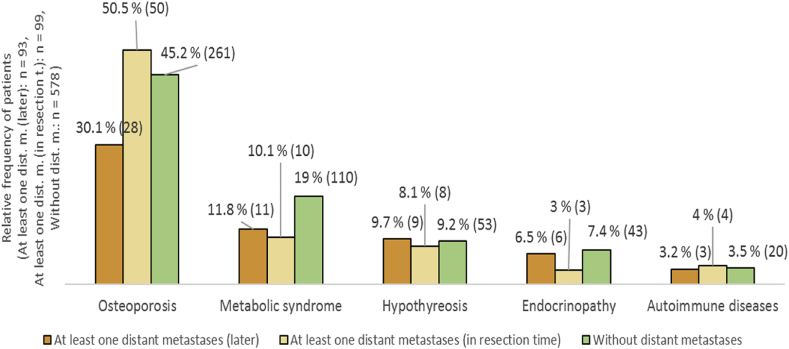
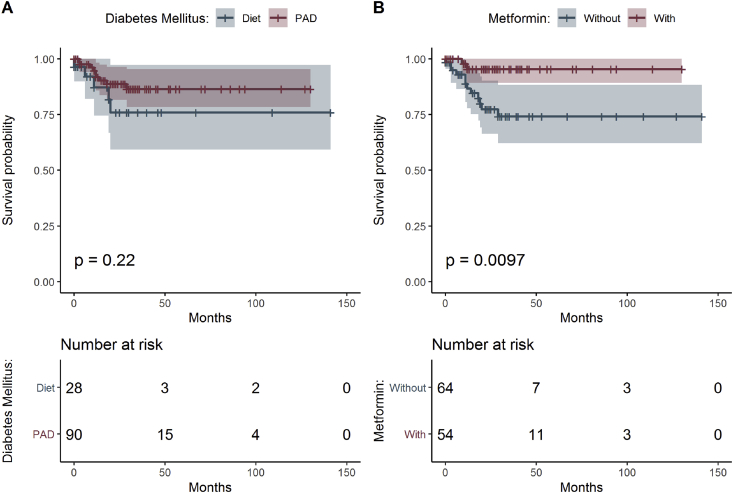
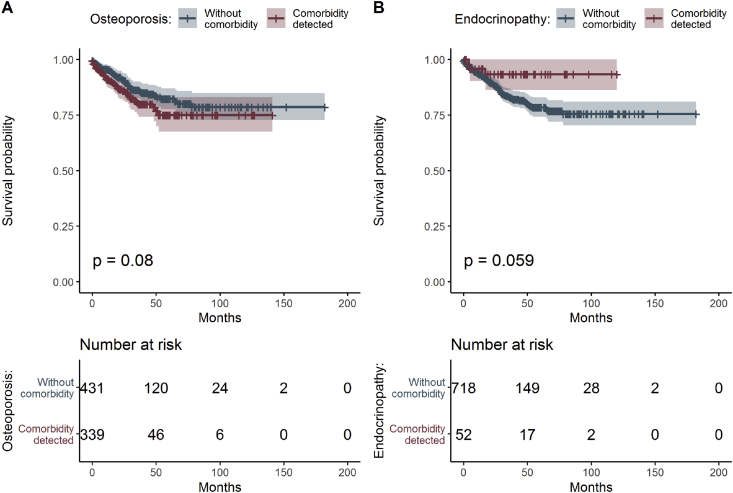
In our data set, CRC patients treated with metformin due to coexisting diabetes mellitus type 2 (T2DM) developed fewer distant metastases which clinically correlates with slower CRC progression. Survival in metformin subgroup was longer, particularly in men with CRC. Osteoporosis may be a negative factor of survival in CRC patients.
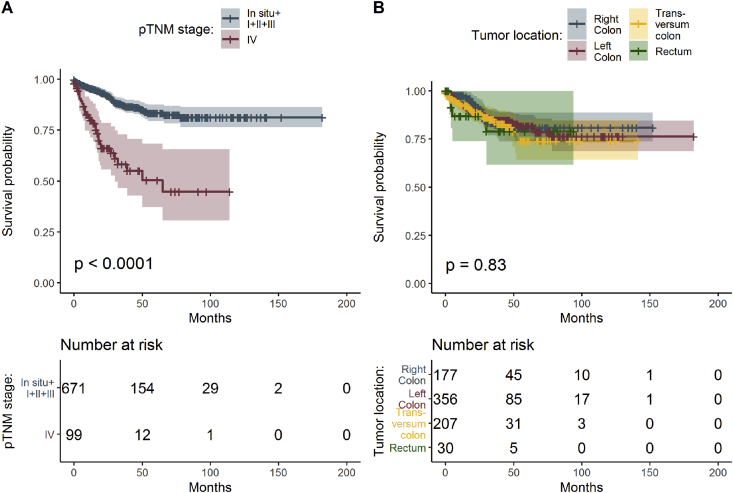
Our findings also indicate that aging, higher tumor grade and TNM stage, coexistence of selected endocrine disorders, and metabolic abnormalities may change the tumor microenvironment and impact survival in colorectal cancer, although mechanism of these observations yet to be explained. Patients with diabetes mellitus type 2 treated with metformin may represent the altered microenvironment with specifically tuned metabolic molecular responses and with various epigenetic characteristics. More awareness and increased understanding of the mechanisms underlying the positive effect of metformin on patients' survival could offer insight into new treatment methods and permit more individualized treatment plans.
糖尿病与癌症风险呈负相关。这个多学科项目的目的是评估糖尿病及其他合并症及其治疗与结直肠癌进展之间的可能关联。
我们调查了1999年至2016年间1004例被诊断为结直肠腺癌(CRC)并接受手术治疗的捷克患者的病理特征与临床病程之间的相关性,包括合并症。
在我们的数据集中,因并存2型糖尿病(T2DM)而接受二甲双胍治疗的CRC患者发生远处转移的情况较少,这在临床上与CRC进展较慢相关。二甲双胍亚组的生存期更长,尤其是CRC男性患者。骨质疏松可能是CRC患者生存的负面因素。
我们的研究结果还表明,衰老、更高的肿瘤分级和TNM分期、特定内分泌疾病的并存以及代谢异常可能会改变肿瘤微环境并影响结直肠癌的生存,尽管这些观察结果的机制尚待解释。接受二甲双胍治疗的2型糖尿病患者可能代表了具有特定调节的代谢分子反应和各种表观遗传特征的改变的微环境。对二甲双胍对患者生存产生积极影响的潜在机制有更多认识并加深理解,可能会为新的治疗方法提供见解,并允许制定更个性化的治疗方案。