Achucarro Basque Center for Neuroscience, Leioa, Bizkaia 48940, Spain.
University of the Basque Country UPV/EHU, Leioa, Bizkaia 48940, Spain.
J Neurosci. 2020 Feb 12;40(7):1453-1482. doi: 10.1523/JNEUROSCI.0993-19.2019. Epub 2020 Jan 2.
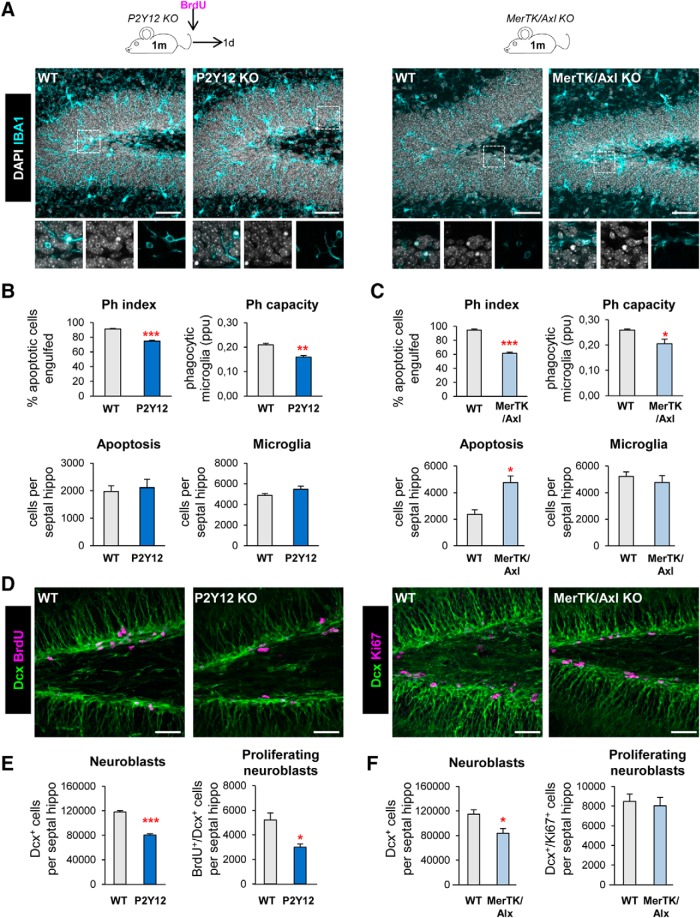
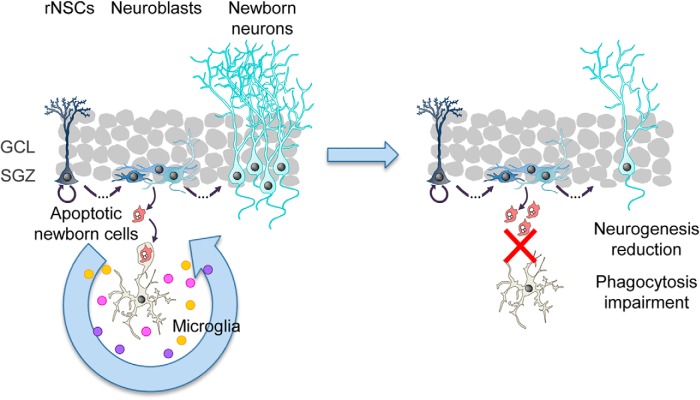
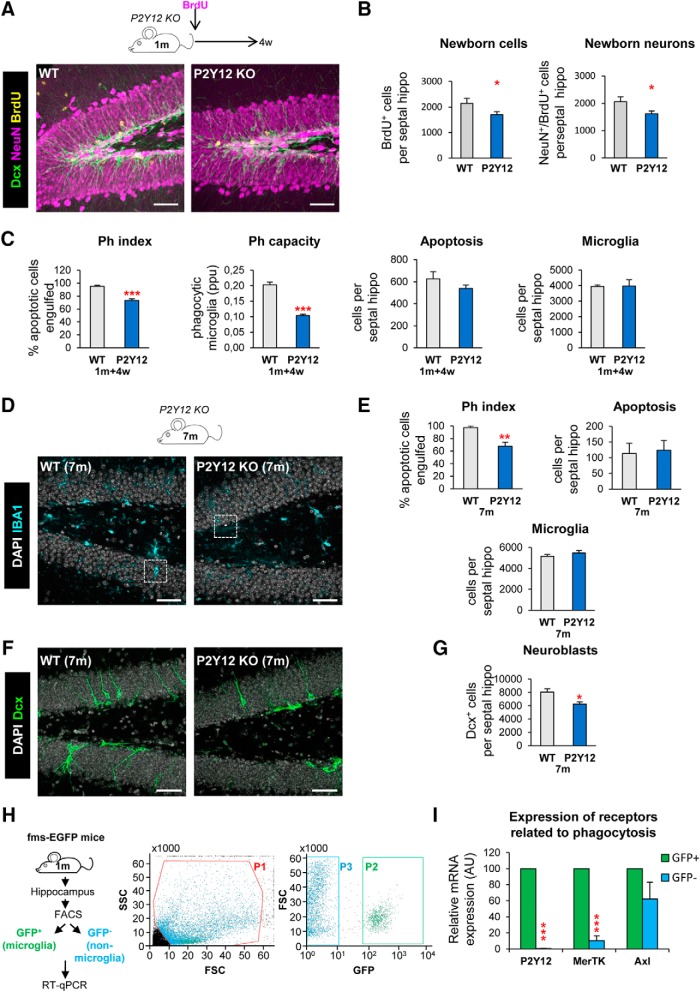
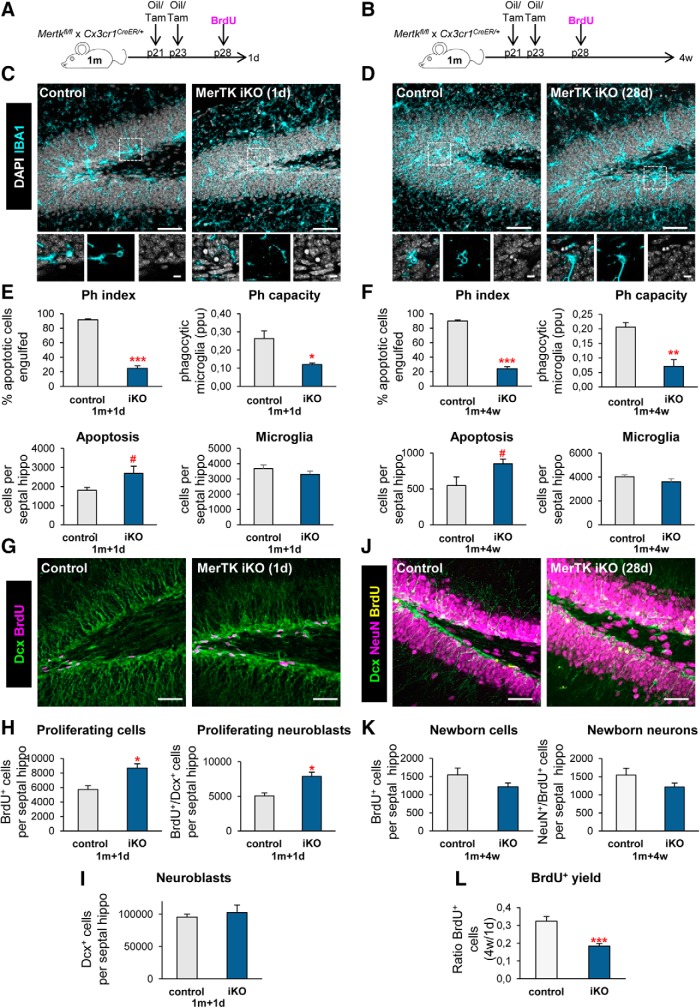
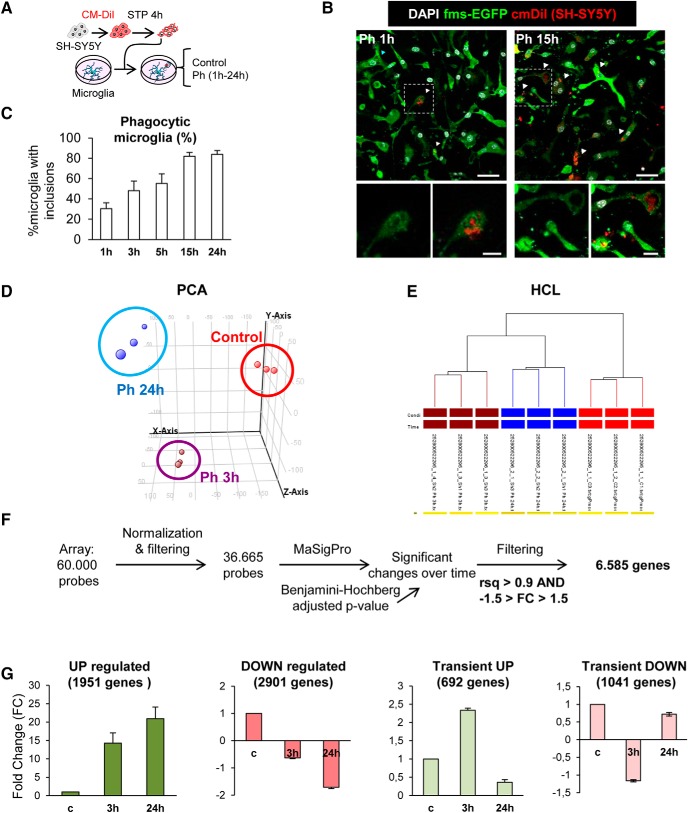
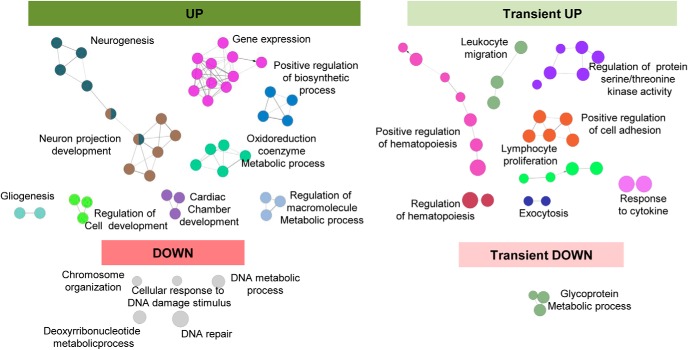
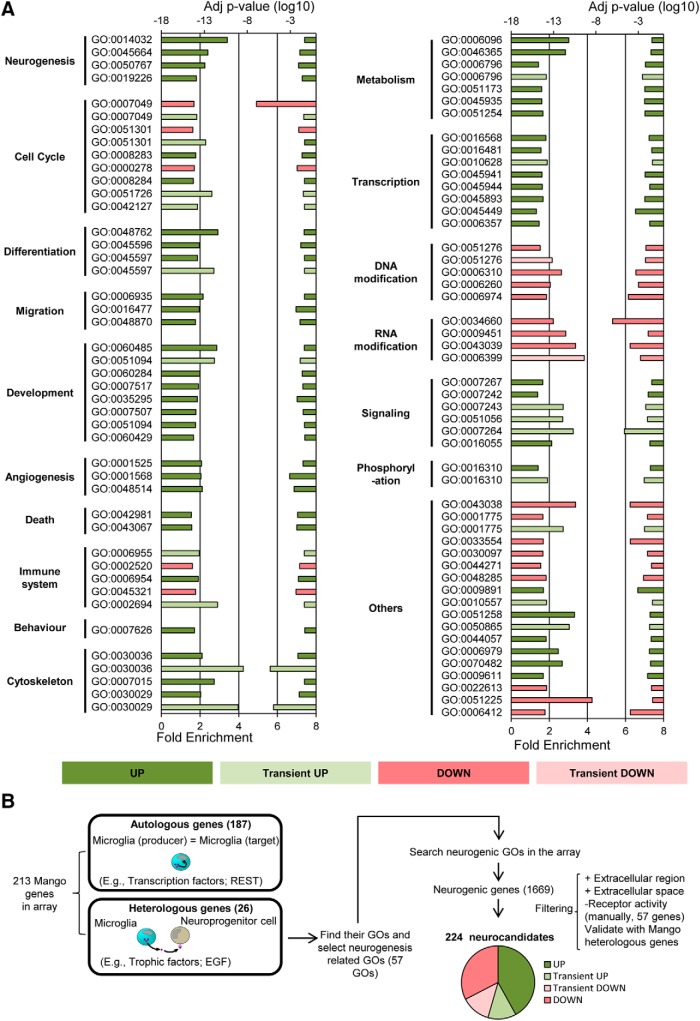
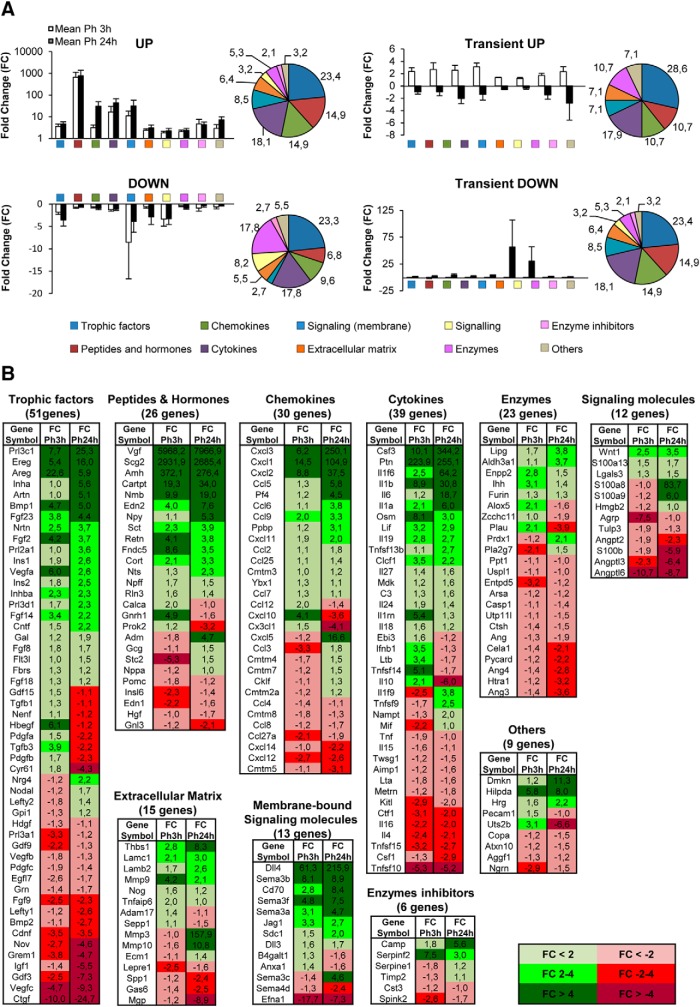
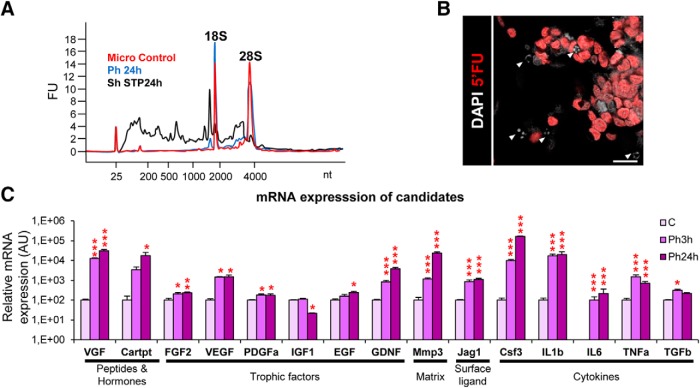
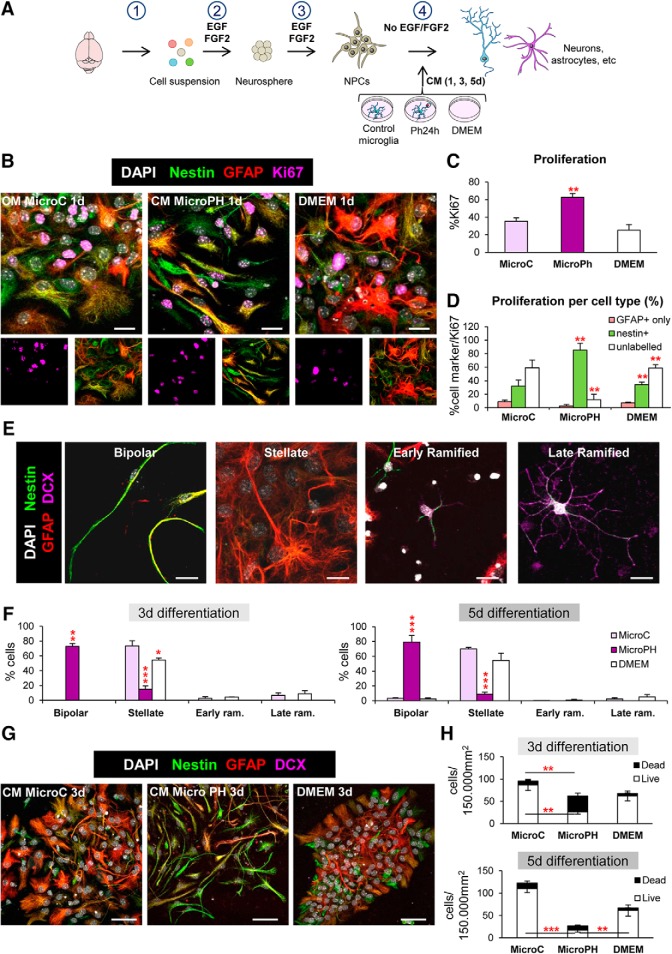
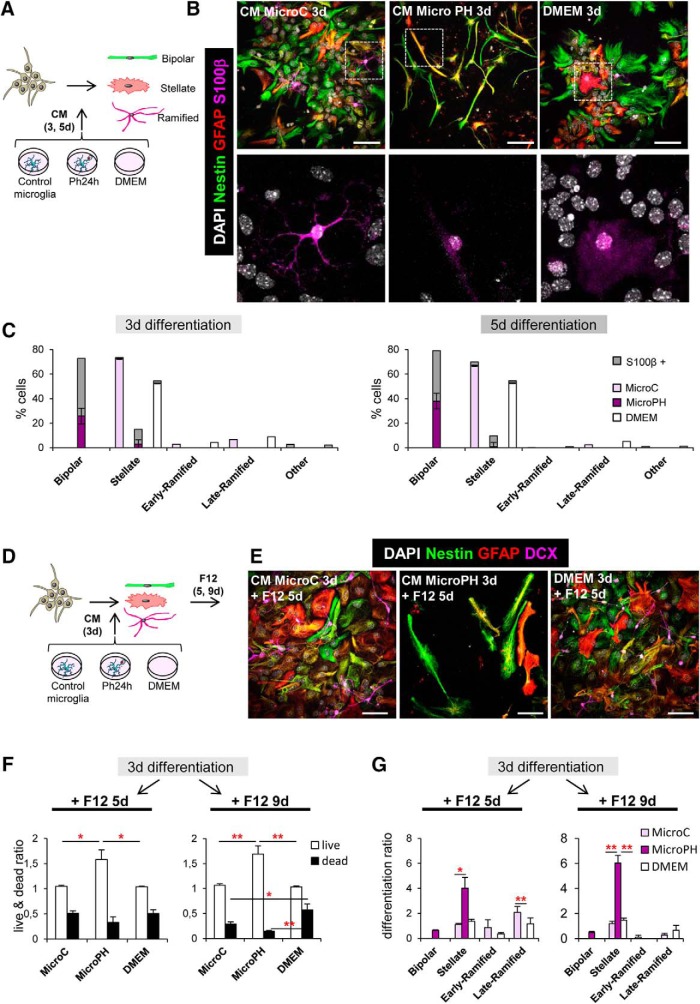
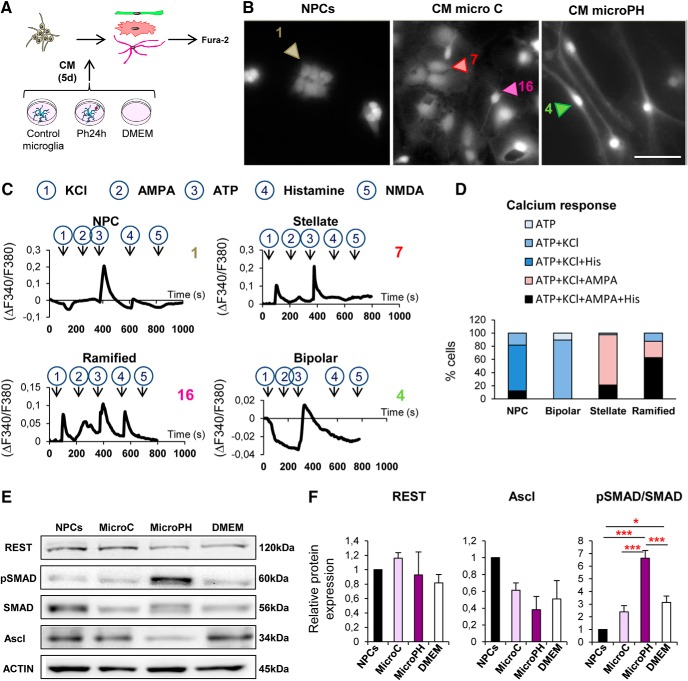
During adult hippocampal neurogenesis, most newborn cells undergo apoptosis and are rapidly phagocytosed by resident microglia to prevent the spillover of intracellular contents. Here, we propose that phagocytosis is not merely passive corpse removal but has an active role in maintaining neurogenesis. First, we found that neurogenesis was disrupted in male and female mice chronically deficient for two phagocytosis pathways: the purinergic receptor P2Y12, and the tyrosine kinases of the TAM family Mer tyrosine kinase (MerTK)/Axl. In contrast, neurogenesis was transiently increased in mice in which MerTK expression was conditionally downregulated. Next, we performed a transcriptomic analysis of the changes induced by phagocytosis in microglia and identified genes involved in metabolism, chromatin remodeling, and neurogenesis-related functions. Finally, we discovered that the secretome of phagocytic microglia limits the production of new neurons both and Our data suggest that microglia act as a sensor of local cell death, modulating the balance between proliferation and survival in the neurogenic niche through the phagocytosis secretome, thereby supporting the long-term maintenance of adult hippocampal neurogenesis. Microglia are the brain professional phagocytes and, in the adult hippocampal neurogenic niche, they remove newborn cells naturally undergoing apoptosis. Here we show that phagocytosis of apoptotic cells triggers a coordinated transcriptional program that alters their secretome, limiting neurogenesis both and In addition, chronic phagocytosis disruption in mice deficient for receptors P2Y12 and MerTK/Axl reduces adult hippocampal neurogenesis. In contrast, inducible MerTK downregulation transiently increases neurogenesis, suggesting that microglial phagocytosis provides a negative feedback loop that is necessary for the long-term maintenance of adult hippocampal neurogenesis. Therefore, we speculate that the effects of promoting engulfment/degradation of cell debris may go beyond merely removing corpses to actively promoting regeneration in development, aging, and neurodegenerative diseases.
在成年海马神经发生过程中,大多数新生细胞会凋亡,并被常驻的小胶质细胞迅速吞噬,以防止细胞内容物溢出。在这里,我们提出吞噬作用不仅仅是被动的清除尸体,而是在维持神经发生方面具有积极作用。首先,我们发现,在慢性缺乏两种吞噬途径的雄性和雌性小鼠中,神经发生受到破坏:嘌呤能受体 P2Y12 和 TAM 家族的酪氨酸激酶 Mer 酪氨酸激酶 (MerTK)/Axl。相比之下,在条件性下调 MerTK 表达的小鼠中,神经发生短暂增加。接下来,我们对小胶质细胞吞噬作用诱导的变化进行了转录组分析,并鉴定了参与代谢、染色质重塑和神经发生相关功能的基因。最后,我们发现吞噬性小胶质细胞的分泌组限制了新神经元的产生,这既可以通过细胞接触也可以通过分泌因子。我们的数据表明,小胶质细胞作为局部细胞死亡的传感器,通过吞噬作用分泌组调节神经发生龛中的增殖和存活之间的平衡,从而支持成年海马神经发生的长期维持。小胶质细胞是大脑的专业吞噬细胞,在成年海马神经发生龛中,它们会自然地清除自然凋亡的新生细胞。在这里,我们表明,凋亡细胞的吞噬作用触发了一个协调的转录程序,改变了它们的分泌组,从而限制了神经发生,这既可以通过细胞接触也可以通过分泌因子。此外,缺乏受体 P2Y12 和 MerTK/Axl 的小鼠中慢性吞噬作用中断会减少成年海马神经发生。相比之下,诱导性 MerTK 下调会短暂增加神经发生,这表明小胶质细胞吞噬作用提供了一个负反馈回路,对于长期维持成年海马神经发生是必要的。因此,我们推测促进吞噬/降解细胞碎片的效果可能不仅仅是清除尸体,还可以在发育、衰老和神经退行性疾病中积极促进再生。