Pezzuto Aldo, Perrone Giuseppe, Orlando Nicoletta, Citarella Fabrizio, Ciccozzi Massimo, Scarlata Simone, Tonini Giuseppe
Cardiovascular-Respiratory Science Department, Sant' Andrea Hospital-Sapienza University, Rome, Italy.
Department of Pathology, Policlinico Campus Bio-Medico di Roma, Rome, Italy.
Oncotarget. 2019 Dec 17;10(66):7071-7079. doi: 10.18632/oncotarget.27378.
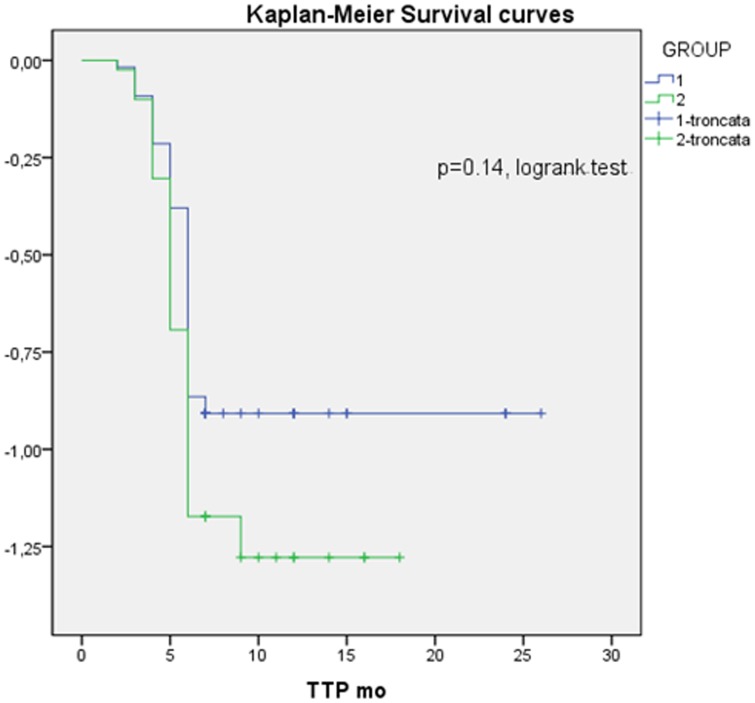
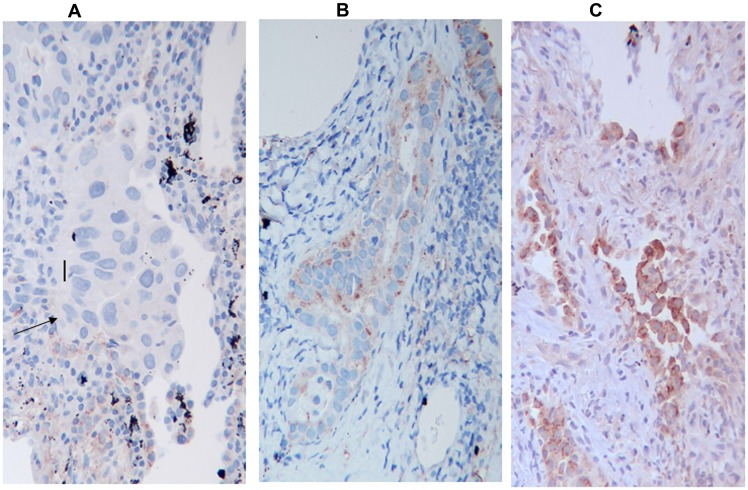
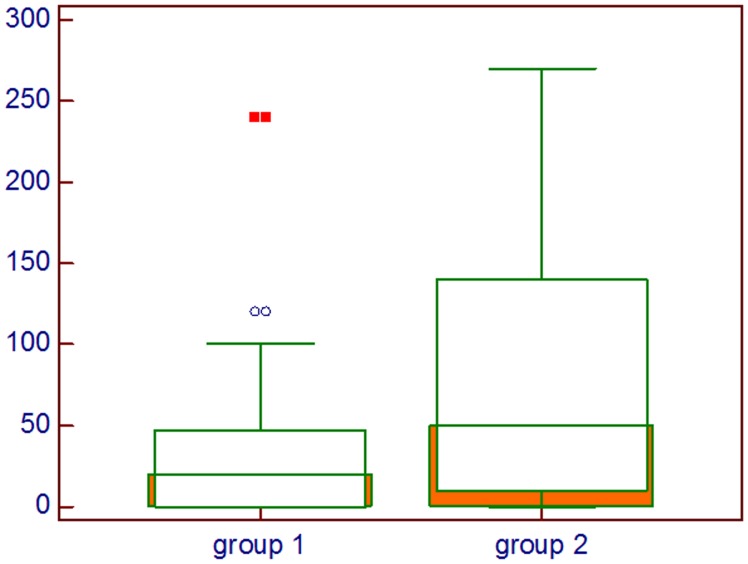
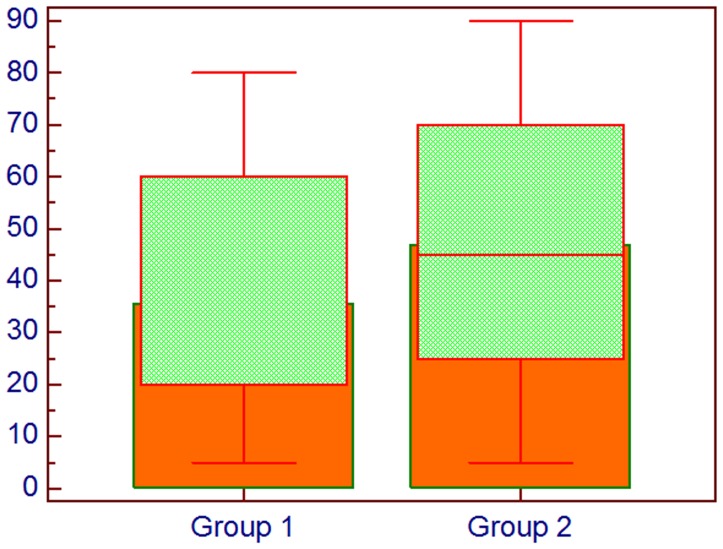
Hypoxia-inducible factor (HIF-1) is a transcription factor produced in hypoxia condition, it is closely associated with tumor angiogenesis and metastasis. To investigate the expression of HIF-1α in relation with the presence or absence of bone metastasis. Methods A retrospective analysis was carried out on samples deriving from bronchial biopsy and CT-guided trans-thoracic needle biopsy. Detection of HIF-1 expression was performed on tissue sample by a monoclonal murine antibody, comparing patients with or without bone metastases (BM+). In the total population the main histotype was adenocarcinoma (71.5%), COPD the prevalent comorbidity (73.6%), the mean pack-year was 36.4. Ninety-five histology samples were considered for analysis and comparison. Subdividing the population according to the presence or not of bone metastases, significant differences were found in pack-years ( = 0.02), time to progression (TTP) ( = 0.001) and COPD comorbidity ( = 0.04). The survival comparison between the two subgroups obtained by Kaplan-Meier method showed a longer TTP in patients with visceral metastases with a HR of 1.3 though the comparison by this method was not significant ( = 0.1). A higher intensity and percentage of expression of HIF-1α was recorded in the group with bone metastases ( = 0.02). The main variable affecting HIF expression in a multivariate analysis was the presence of bone metastases ( = 0.01). Patients affected by NSCLC IV stage with bone metastasis have lower survival. There is a very close link between bone metastasis and HIF-1α expression level. The latter could be considered a predictive factor of bone spread and poor prognosis.
缺氧诱导因子(HIF-1)是在缺氧条件下产生的一种转录因子,它与肿瘤血管生成和转移密切相关。为了研究HIF-1α的表达与骨转移的有无之间的关系。方法 对支气管活检和CT引导下经胸针吸活检的样本进行回顾性分析。通过单克隆鼠抗体对组织样本进行HIF-1表达检测,比较有或无骨转移(BM+)的患者。在总体人群中,主要组织学类型为腺癌(71.5%),慢性阻塞性肺疾病(COPD)是最常见的合并症(73.6%),平均吸烟包年数为36.4。95个组织学样本用于分析和比较。根据有无骨转移对人群进行细分,发现吸烟包年数(P = 0.02)、疾病进展时间(TTP)(P = 0.001)和COPD合并症(P = 0.04)存在显著差异。通过Kaplan-Meier法对两个亚组进行生存比较,结果显示内脏转移患者的TTP较长,风险比(HR)为1.3,尽管用该方法进行比较差异不显著(P = 0.1)。骨转移组中HIF-1α的表达强度和百分比更高(P = 0.02)。多变量分析中影响HIF表达的主要变量是骨转移的存在(P = 0.01)。IV期非小细胞肺癌伴骨转移的患者生存率较低。骨转移与HIF-1α表达水平之间存在非常密切的联系。后者可被视为骨转移扩散和预后不良的预测因素。