Department of Physiology & Pharmacology, University of Calgary, Calgary, AB, Canada.
Faculty of Pharmaceutical Sciences, University of British Columbia, Vancouver, BC, Canada.
FASEB J. 2020 Feb;34(2):2198-2212. doi: 10.1096/fj.201902083RR. Epub 2019 Dec 17.
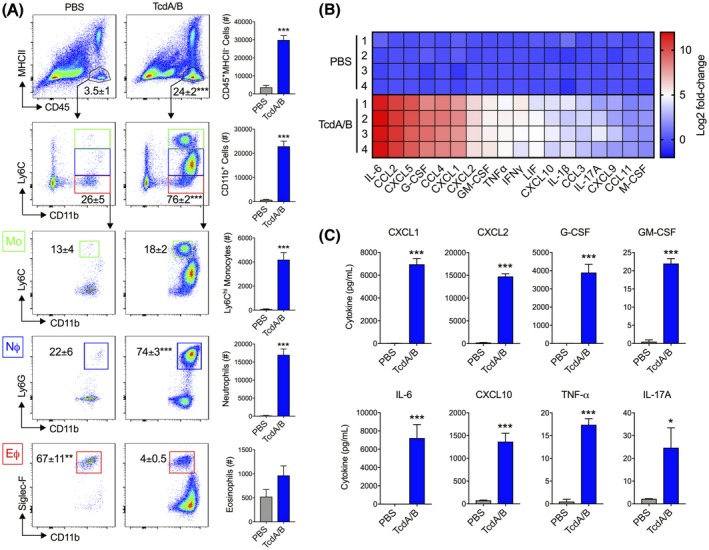
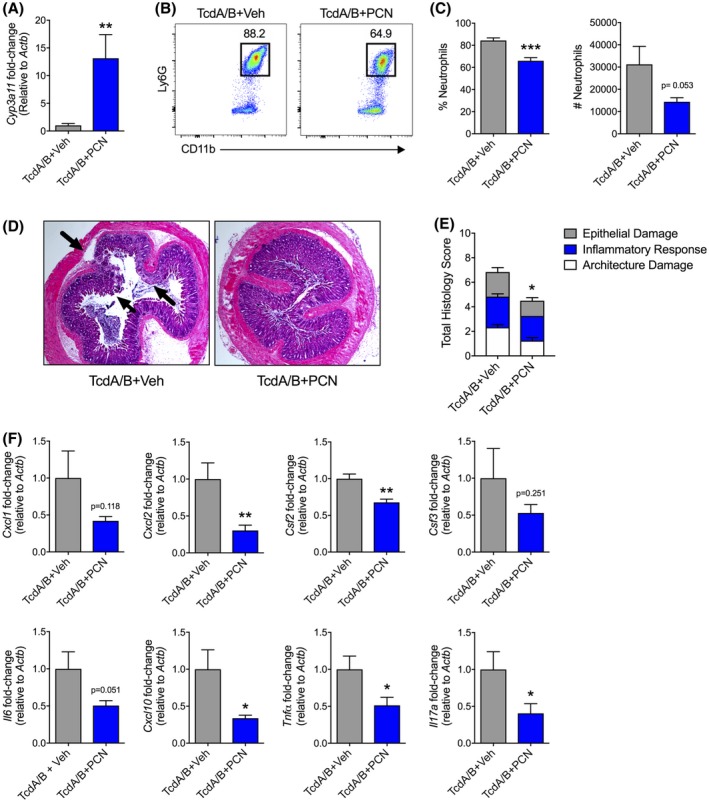
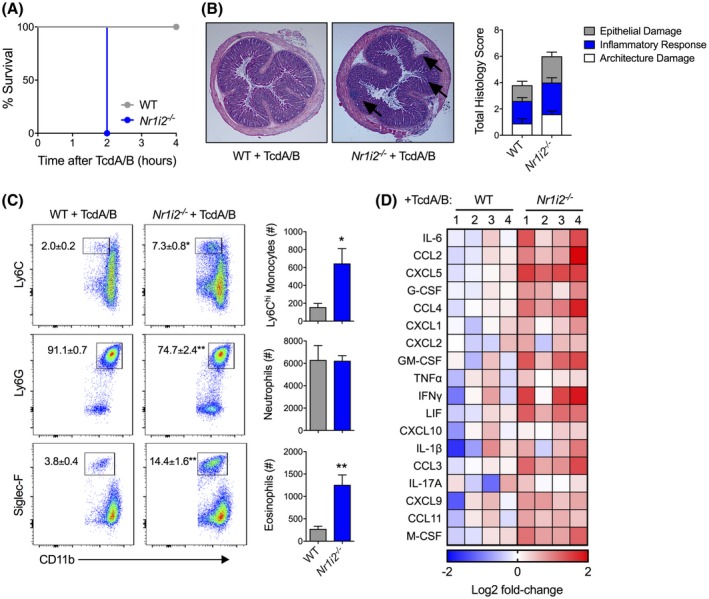
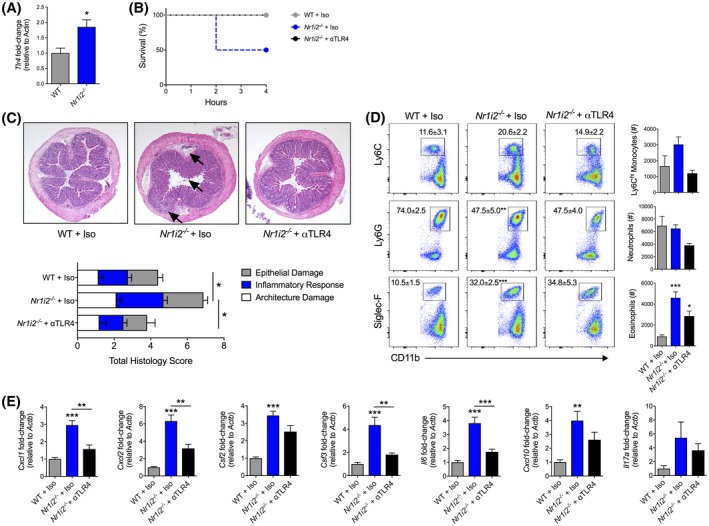
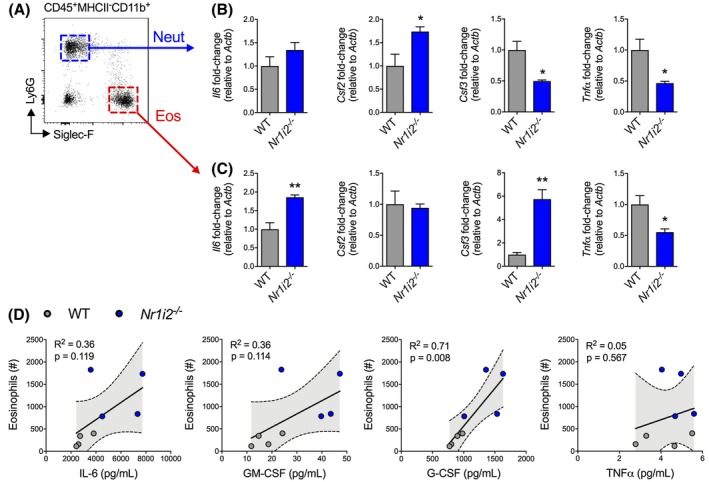
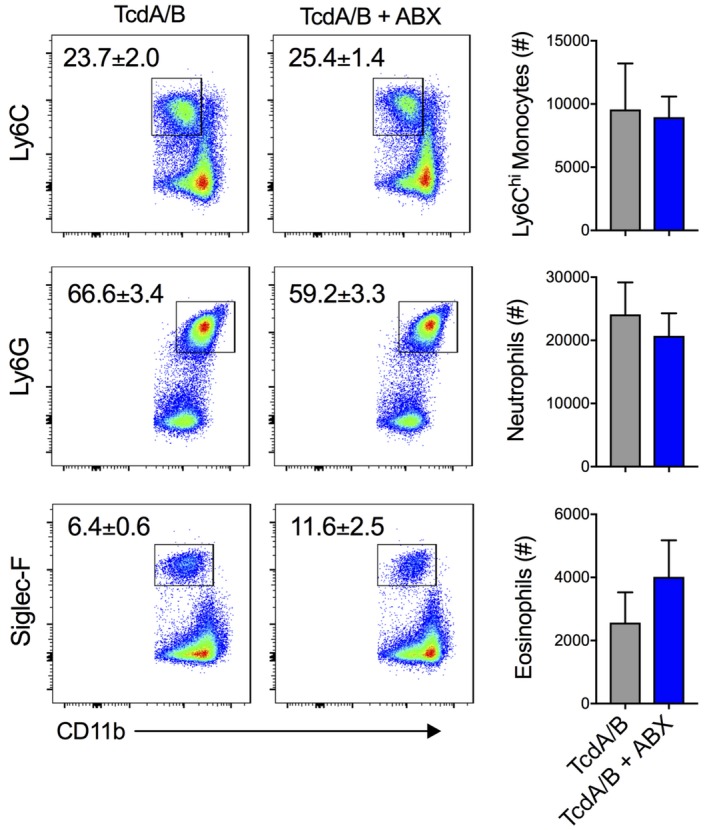
Clostridioides difficile (formerly Clostridium difficile; C difficile), the leading cause of nosocomial antibiotic-associated colitis and diarrhea in the industrialized world, triggers colonic disease through the release two toxins, toxin A (TcdA) and toxin B (TcdB), glucosyltransferases that modulate monomeric G-protein function and alter cytoskeletal function. The initial degree of the host immune response to C difficile and its pathogenic toxins is a common indicator of disease severity and infection recurrence. Thus, targeting the intestinal inflammatory response during infection could significantly decrease disease morbidity and mortality. In the current study, we sought to interrogate the influence of the pregnane X receptor (PXR), a modulator of xenobiotic and detoxification responses, which can sense and respond to microbial metabolites and modulates inflammatory activity, during exposure to TcdA and TcdB. Following intrarectal exposure to TcdA/B, PXR-deficient mice (Nr1i2 ) exhibited reduced survival, an effect that was associated with increased levels of innate immune cell influx. This exacerbated response was associated with a twofold increase in the expression of Tlr4. Furthermore, while broad-spectrum antibiotic treatment (to deplete the intestinal microbiota) did not alter the responses in Nr1i2 mice, blocking TLR4 signaling significantly reduced TcdA/B-induced disease severity and immune responses in these mice. Lastly, to assess the therapeutic potential of targeting the PXR, we activated the PXR with pregnenolone 16α-carbonitrile (PCN) in wild-type mice, which greatly reduced the severity of TcdA/B-induced damage and intestinal inflammation. Taken together, these data suggest that the PXR plays a role in the host's response to TcdA/B and may provide a novel target to dampen the inflammatory tissue damage in C difficile infections.
艰难梭菌(以前称为艰难梭菌;C difficile)是工业化世界中导致医院获得性抗生素相关性结肠炎和腹泻的主要原因,通过释放两种毒素,即毒素 A(TcdA)和毒素 B(TcdB),引发结肠疾病。TcdA 和 TcdB 是葡萄糖基转移酶,可调节单体 G 蛋白的功能并改变细胞骨架功能。宿主对艰难梭菌及其致病毒素的初始免疫反应程度是疾病严重程度和感染复发的常见指标。因此,在感染期间靶向肠道炎症反应可能会显著降低疾病发病率和死亡率。在本研究中,我们试图探讨孕烷 X 受体(PXR)的影响,PXR 是外源性和解毒反应的调节剂,它可以感知和响应微生物代谢产物并调节炎症活性,在暴露于 TcdA 和 TcdB 时。在经直肠暴露于 TcdA/B 后,PXR 缺陷型小鼠(Nr1i2)的存活率降低,这种作用与固有免疫细胞浸润水平的增加有关。这种加剧的反应与 Tlr4 的表达增加两倍有关。此外,虽然广谱抗生素治疗(耗尽肠道微生物群)不会改变 Nr1i2 小鼠的反应,但阻断 TLR4 信号显著降低了这些小鼠中 TcdA/B 诱导的疾病严重程度和免疫反应。最后,为了评估针对 PXR 的治疗潜力,我们用孕烯醇酮 16α-氰化物(PCN)激活野生型小鼠中的 PXR,这大大降低了 TcdA/B 诱导的损伤和肠道炎症的严重程度。总之,这些数据表明 PXR 在宿主对 TcdA/B 的反应中起作用,并可能为减轻艰难梭菌感染中的炎症性组织损伤提供新的靶点。