Dey Souvik, Brothag Cameron, Vijayaraghavan Srinivasan
Department of Biological Sciences, Kent State University, Kent, OH, United States.
Front Cell Dev Biol. 2019 Dec 18;7:341. doi: 10.3389/fcell.2019.00341. eCollection 2019.
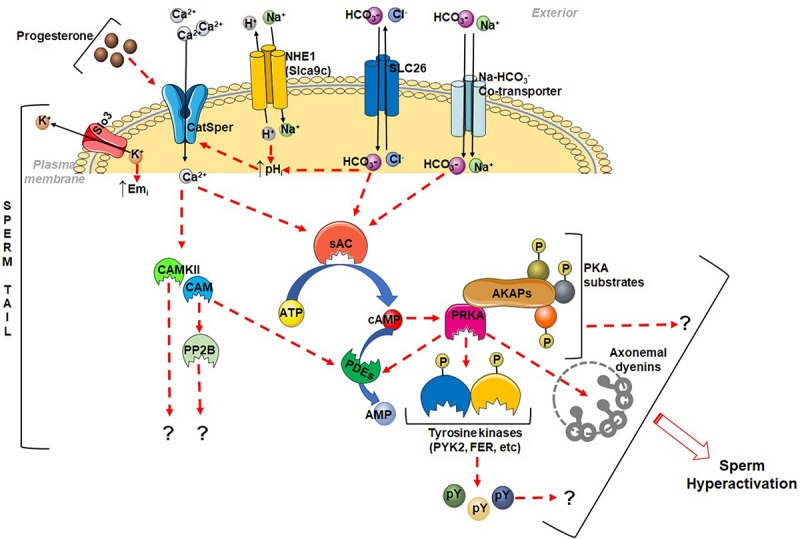
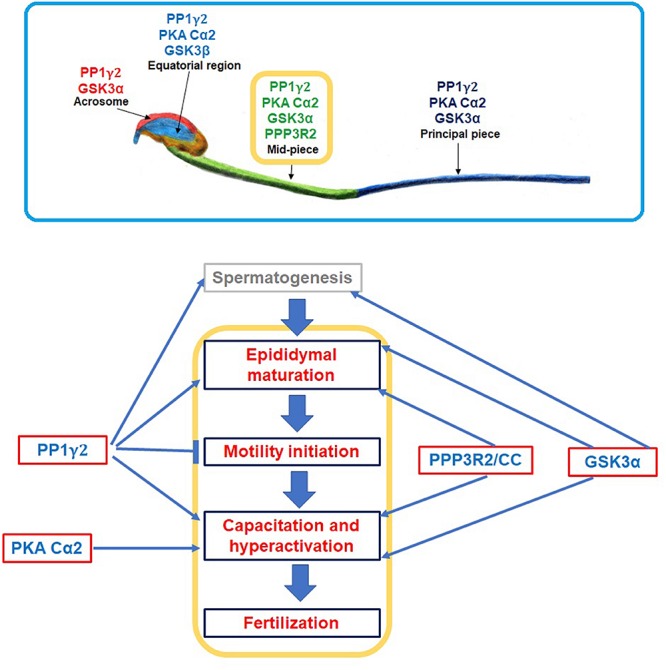
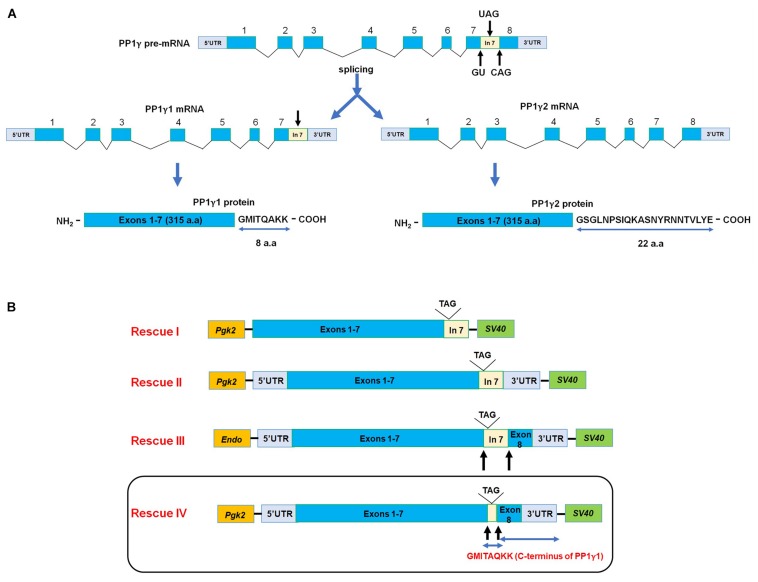
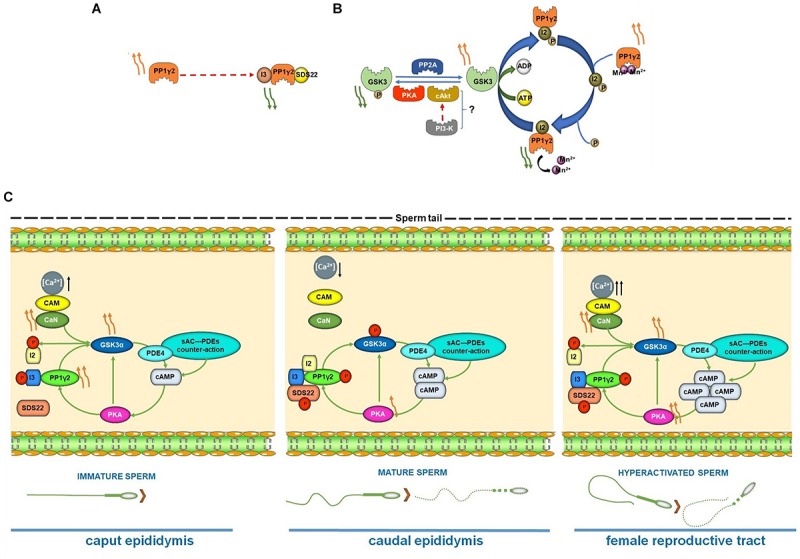
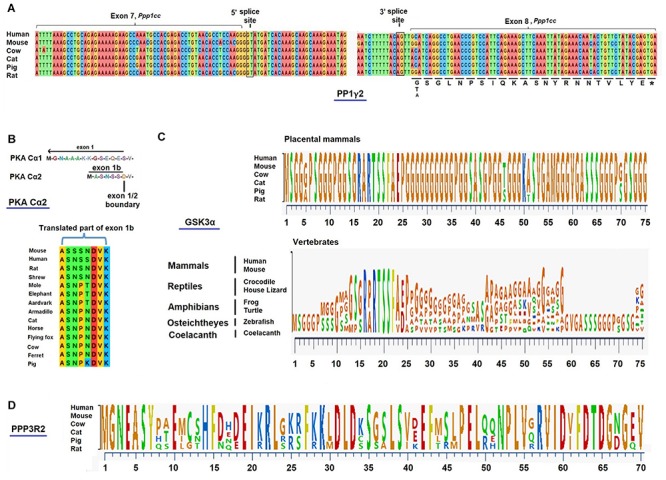
In mammals, motility and fertilizing ability of spermatozoa develop during their passage through the epididymis. After ejaculation, sperm undergo capacitation and hyperactivation in the female reproductive tract - a motility transition that is required for sperm penetration of the egg. Both epididymal initiation of sperm motility and hyperactivation are essential for male fertility. Motility initiation in the epididymis and sperm hyperactivation involve changes in metabolism, cAMP (cyclic adenosine mono-phosphate), calcium and pH acting through protein kinases and phosphatases. Despite this knowledge, we still do not understand, in biochemical terms, how sperm acquire motility in the epididymis and how motility is altered in the female reproductive tract. Recent data show that the sperm specific protein phosphatase PP1γ2, glycogen synthase kinase 3 (GSK3), and the calcium regulated phosphatase calcineurin (PP2B), are involved in epididymal sperm maturation. The protein phosphatase PP1γ2 is present only in testis and sperm in mammals. PP1γ2 has a isoform-specific requirement for normal function of mammalian sperm. Sperm PP1γ2 is regulated by three proteins - inhibitor 2, inhibitor 3 and SDS22. Changes in phosphorylation of these three inhibitors and their binding to PP1γ2 are involved in initiation and activation of sperm motility. The inhibitors are phosphorylated by protein kinases, one of which is GSK3. The isoform GSK3α is essential for epididymal sperm maturation and fertility. Calcium levels dramatically decrease during sperm maturation and initiation of motility suggesting that the calcium activated sperm phosphatase (PP2B) activity also decreases. Loss of PP2B results in male infertility due to impaired sperm maturation in the epididymis. Thus the three signaling enzymes PP1γ2, GSK3, and PP2B along with the documented PKA (protein kinase A) have key roles in sperm maturation and hyperactivation. Significantly, all these four signaling enzymes are present as specific isoforms only in placental mammals, a testimony to their essential roles in the unique aspects of sperm function in mammals. These findings should lead to a better biochemical understanding of the basis of male infertility and should lead to novel approaches to a male contraception and managed reproduction.
在哺乳动物中,精子的运动能力和受精能力在其通过附睾的过程中发育形成。射精后,精子在雌性生殖道中经历获能和超激活——这是精子穿透卵子所需的运动转变。附睾中精子运动的起始和超激活对雄性生育能力都至关重要。附睾中精子运动的起始和精子超激活涉及代谢、环磷酸腺苷(cAMP)、钙和pH值的变化,这些变化通过蛋白激酶和磷酸酶起作用。尽管有这些认识,但从生化角度来看,我们仍然不明白精子如何在附睾中获得运动能力,以及在雌性生殖道中运动能力是如何改变的。最近的数据表明,精子特异性蛋白磷酸酶PP1γ2、糖原合酶激酶3(GSK3)和钙调节磷酸酶钙调神经磷酸酶(PP2B)参与附睾精子成熟过程。蛋白磷酸酶PP1γ2仅存在于哺乳动物的睾丸和精子中。PP1γ2对哺乳动物精子的正常功能有异构体特异性需求。精子PP1γ2受三种蛋白质——抑制剂2、抑制剂3和SDS22调节。这三种抑制剂磷酸化状态的变化及其与PP1γ2的结合参与精子运动的起始和激活。这些抑制剂由蛋白激酶磷酸化,其中之一是GSK3。异构体GSK3α对附睾精子成熟和生育能力至关重要。在精子成熟和运动起始过程中,钙水平显著降低,这表明钙激活的精子磷酸酶(PP2B)活性也降低。PP2B的缺失会导致雄性不育,因为附睾中的精子成熟受损。因此,三种信号酶PP1γ2、GSK3和PP2B以及已记录的蛋白激酶A(PKA)在精子成熟和超激活中起关键作用。值得注意的是,所有这四种信号酶仅以特定异构体的形式存在于胎盘哺乳动物中,这证明了它们在哺乳动物精子功能独特方面的重要作用。这些发现应该会使我们从生化角度更好地理解男性不育的基础,并应该会带来男性避孕和生殖管理的新方法。