Li Guanhua, Ding Huihua, Yu Xiang, Meng Yao, Li Jun, Guo Qiang, Zhou Haibo, Shen Nan
Shanghai Institute of Rheumatology, Renji Hospital, Shanghai Jiao Tong University School of Medicine (SJTUSM), 145 Shan Dong Middle Road, Shanghai 200001, China.
Shanghai Institute of Rheumatology, Renji Hospital, Shanghai Jiao Tong University School of Medicine (SJTUSM), 145 Shan Dong Middle Road, Shanghai 200001, China; Shenzhen Futian Hospital for Rheumatic Diseases, Shenzhen 518040, China.
iScience. 2020 Jan 24;23(1):100807. doi: 10.1016/j.isci.2019.100807. Epub 2019 Dec 27.
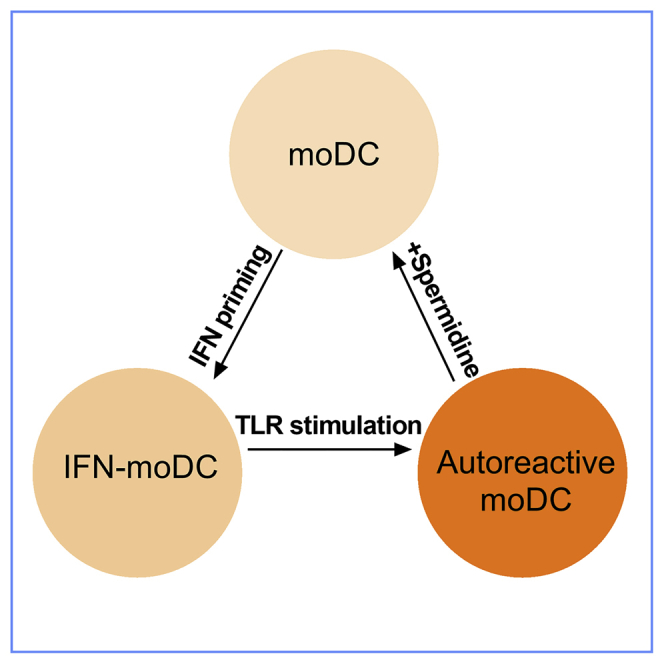
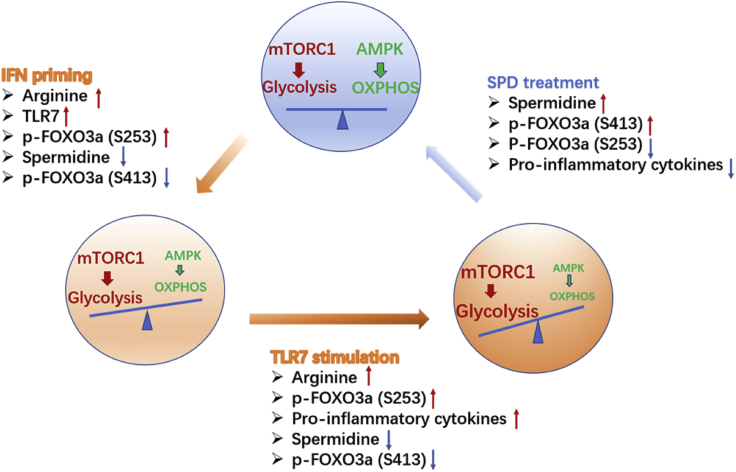
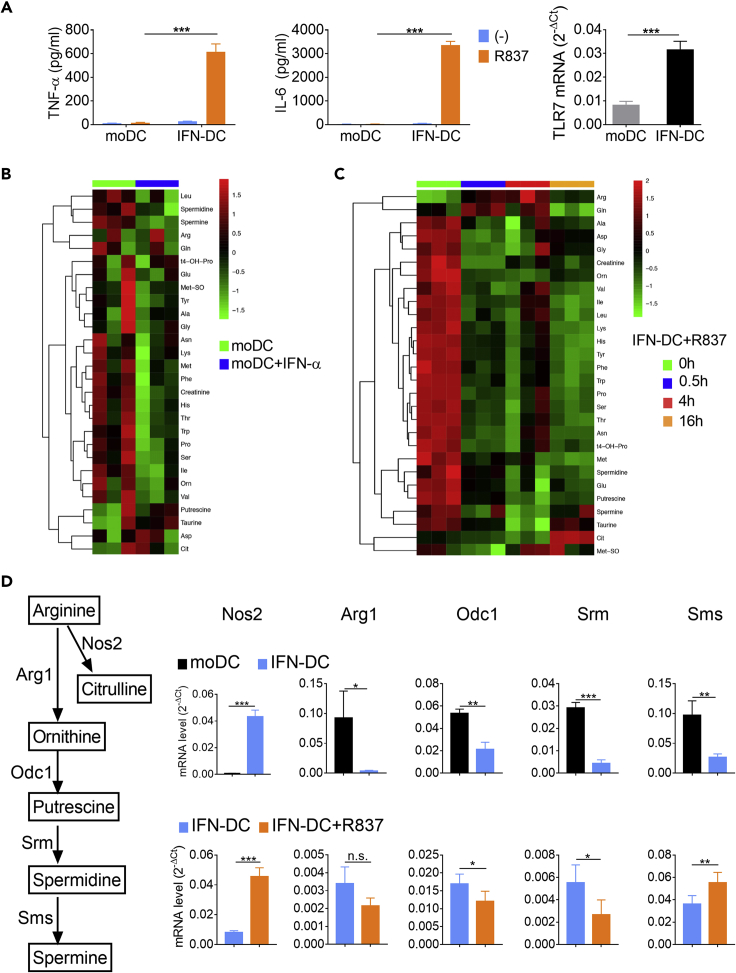
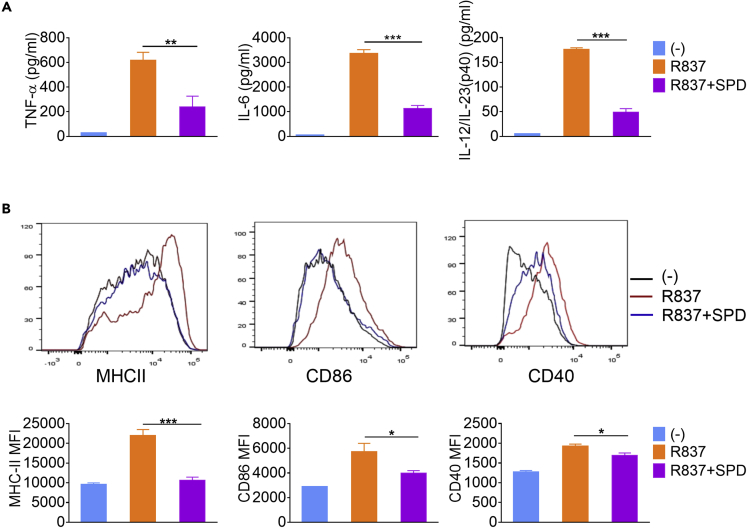
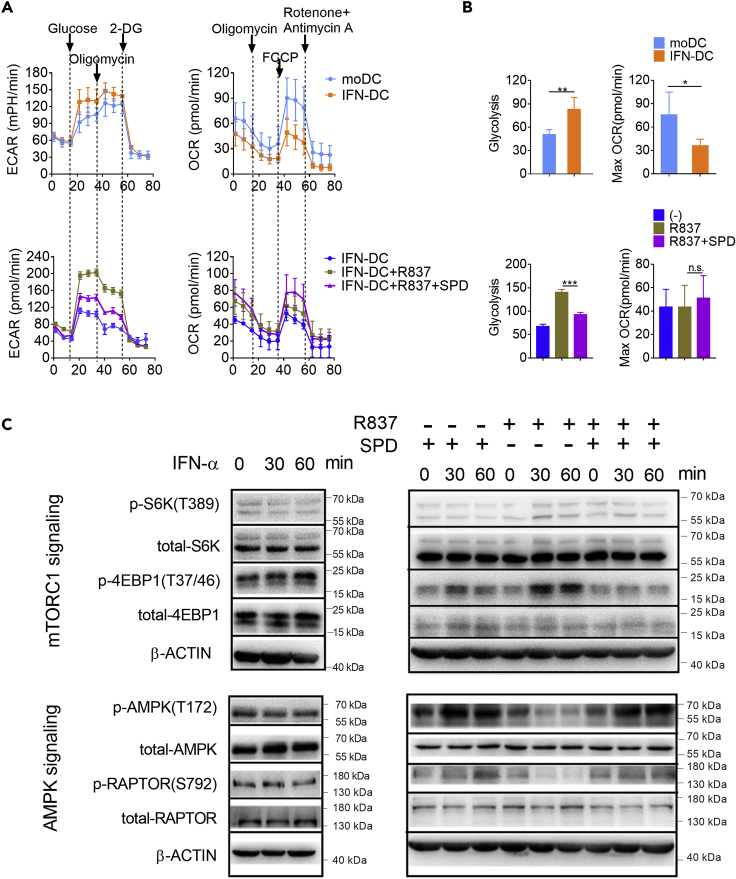
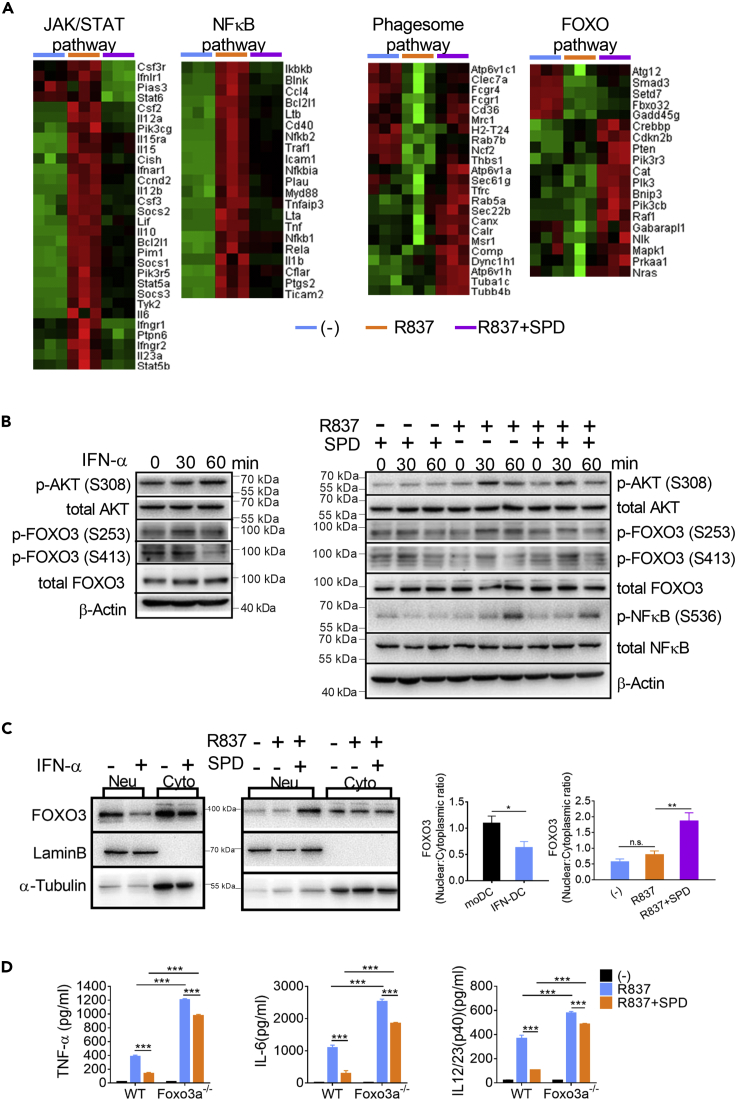
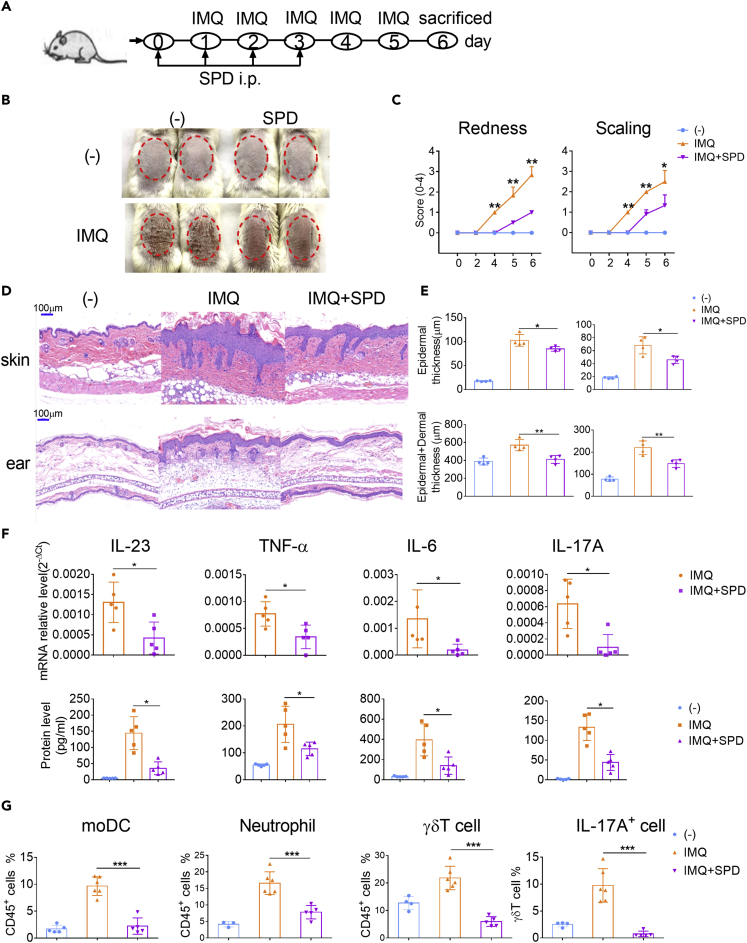
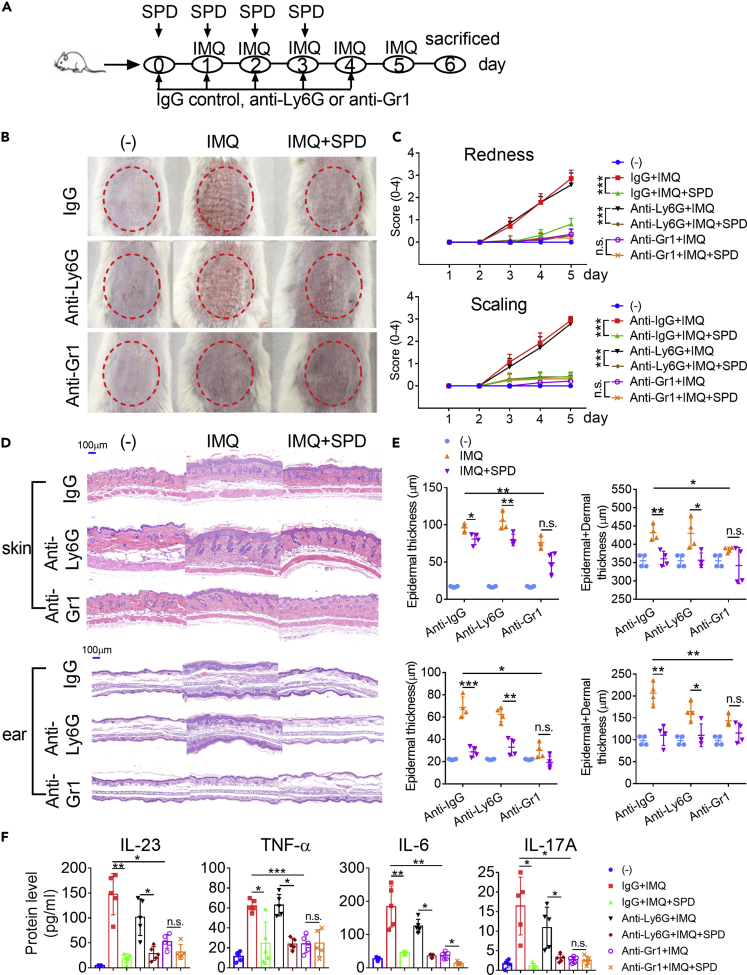
Dendritic cells (DCs) function is intimately linked to microenvironment and metabolism. Type I interferons (IFNs) condition dendritic cells to respond to weak self-signals, leading to autoimmunity. However, the metabolic adaption in the process is unclear. Here, we identified spermidine as a critical metabolite impacting the metabolic fitness of DC. First, dynamic metabolome screening indicated that spermidine decreased during IFN priming and following TLR7 ligand stimulation, accompanied by metabolic change from oxidative phosphorylation to glycolysis. Second, spermidine supplement restrained the glycolysis and prevented the overactivation of IFN-α primed DC both in vivo and in vitro. Third, mechanism study uncovered that the activity of FOXO3 adapted to the metabolic change, mediating the anti-inflammatory effect of spermidine. More importantly, addition of spermidine in vivo greatly alleviated the development of psoriasis-like symptom in mice. Thus, our studies revealed metabolic changes boosting DC responses and identified spermidine as a potential therapeutic agent for autoimmune diseases.
树突状细胞(DCs)的功能与微环境和代谢密切相关。I型干扰素(IFNs)使树突状细胞对微弱的自身信号作出反应,从而导致自身免疫。然而,这一过程中的代谢适应尚不清楚。在此,我们确定亚精胺是影响DC代谢适应性的关键代谢物。首先,动态代谢组学筛选表明,在IFN启动以及TLR7配体刺激后,亚精胺减少,同时伴随着从氧化磷酸化到糖酵解的代谢变化。其次,补充亚精胺可抑制糖酵解,并在体内和体外均防止IFN-α启动的DC过度激活。第三,机制研究发现FOXO3的活性适应了代谢变化,介导了亚精胺的抗炎作用。更重要的是,在体内添加亚精胺极大地减轻了小鼠银屑病样症状的发展。因此,我们的研究揭示了促进DC反应的代谢变化,并确定亚精胺为自身免疫性疾病的潜在治疗剂。