López-Seijas Jacobo, García-Fraga Belén, da Silva Abigail F, Zas-García Xavier, Lois Lucía C, Gago-Martínez Ana, Leão-Martins José Manuel, Sieiro Carmen
Department of Functional Biology and Health Sciences, Microbiology Area, University of Vigo, Lagoas-Marcosende, 36310 Vigo, Spain.
Department of Research & Development of Cellar "Condes de Albarei", Lugar A Bouza 1, 36639 Cambados, Spain.
Foods. 2020 Jan 17;9(1):99. doi: 10.3390/foods9010099.
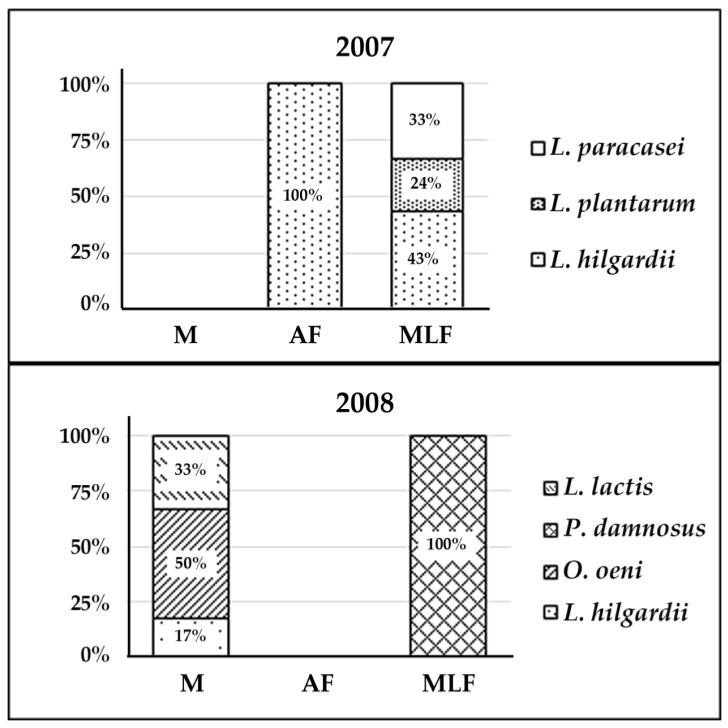
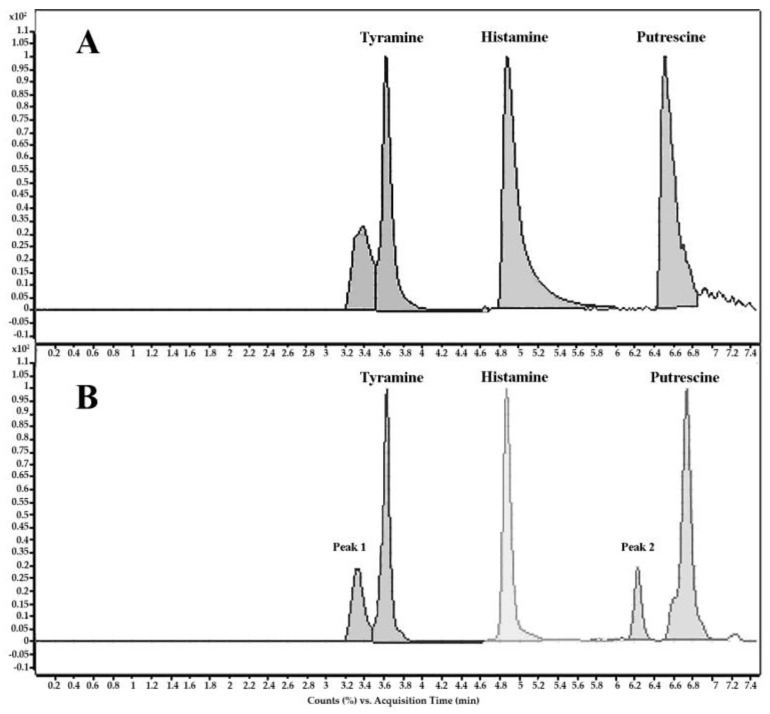
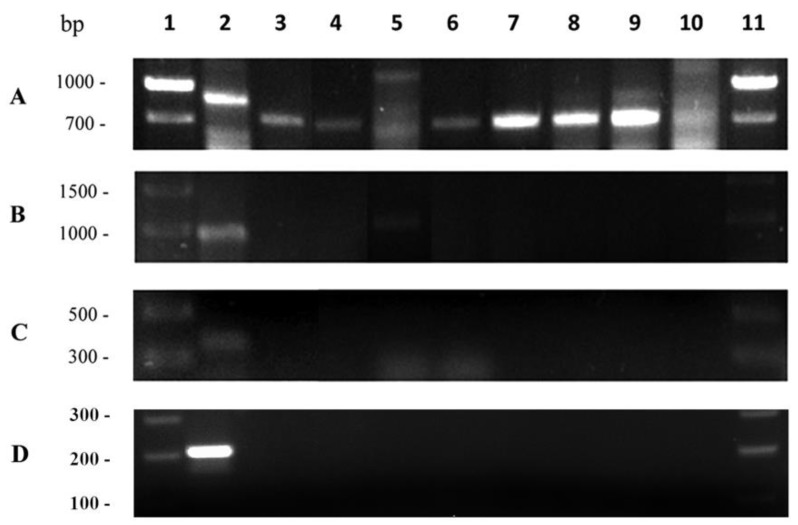
The biodiversity of lactic acid bacteria in musts and wines of Albariño variety has been studied. The identification of species was addressed through a combination of biochemical and genetic methods (API 50 CHL test, 16S rDNA and gene sequences, Amplified Ribosomal DNA Restriction Analysis -ARDRA- and 16S-26S intergenic region analysis). The results grouped the isolates into six species predominating those of the genus and showing a typical biogeographical distribution. Among sixteen strains evaluated, eight of them showed malolactic activity. The study of the presence of genes , and , along with the LC/MS-MS analysis of biogenic amines in wine, showed five strains lacking aminogenic ability. The absence of the gene in the above-mentioned strains discards its ability to produce volatile phenols that may adversely affect the aroma. Finally, all malolactic strains showed β-glucosidase activity so that they could contribute to enhance and differentiate the aromatic profile of Albariño wines.
对阿尔巴利诺(Albariño)品种的葡萄汁和葡萄酒中乳酸菌的生物多样性进行了研究。通过生化和基因方法相结合(API 50 CHL测试、16S rDNA和基因序列、核糖体DNA扩增片段限制性分析-ARDRA-以及16S-26S基因间隔区分析)来鉴定物种。结果将分离株分为六个物种,其中属的物种占主导,并呈现出典型的生物地理分布。在评估的16个菌株中,有8个表现出苹果酸乳酸活性。对基因、和的存在情况进行研究,以及对葡萄酒中生物胺的LC/MS-MS分析表明,有5个菌株缺乏产胺能力。上述菌株中不存在基因,排除了其产生可能对香气产生不利影响的挥发性酚类的能力。最后,所有苹果酸乳酸菌株均表现出β-葡萄糖苷酶活性,因此它们有助于增强和区分阿尔巴利诺葡萄酒的香气特征。