Department of Surgery, Jefferson Pancreas, Biliary and Related Cancer Center, Thomas Jefferson University, Philadelphia, Pennsylvania.
Department of Molecular Biosciences, University of Kansas, Lawrence, Kansas.
Wiley Interdiscip Rev RNA. 2020 May;11(3):e1581. doi: 10.1002/wrna.1581. Epub 2020 Jan 23.
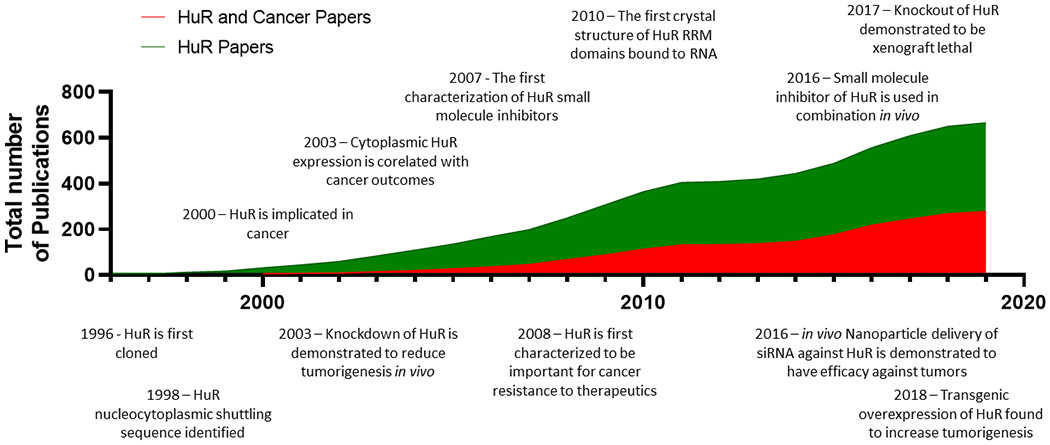
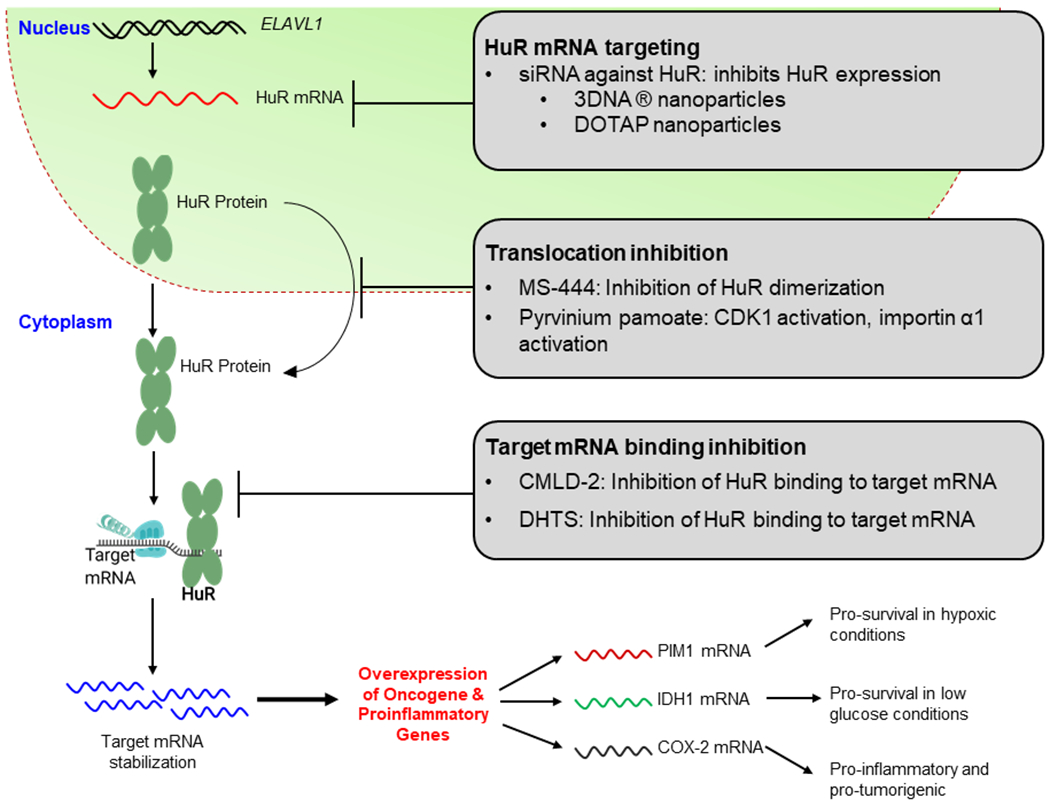
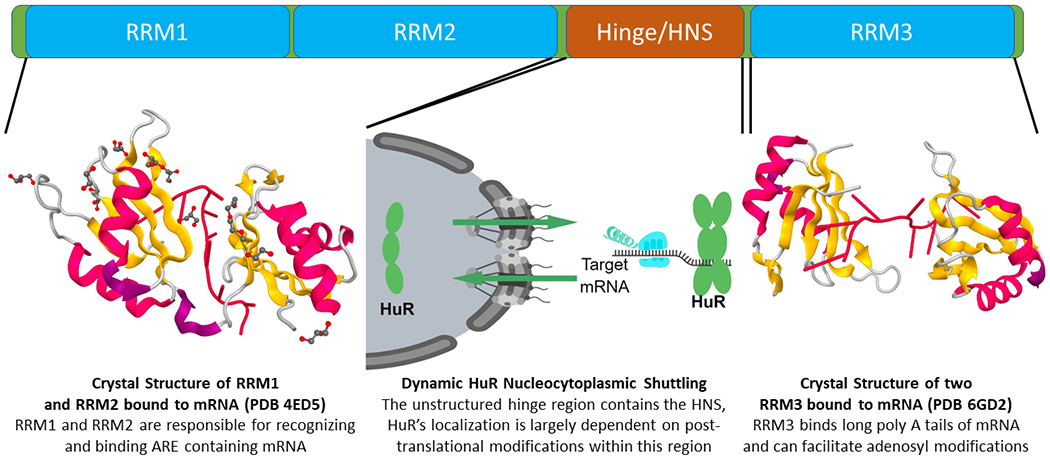
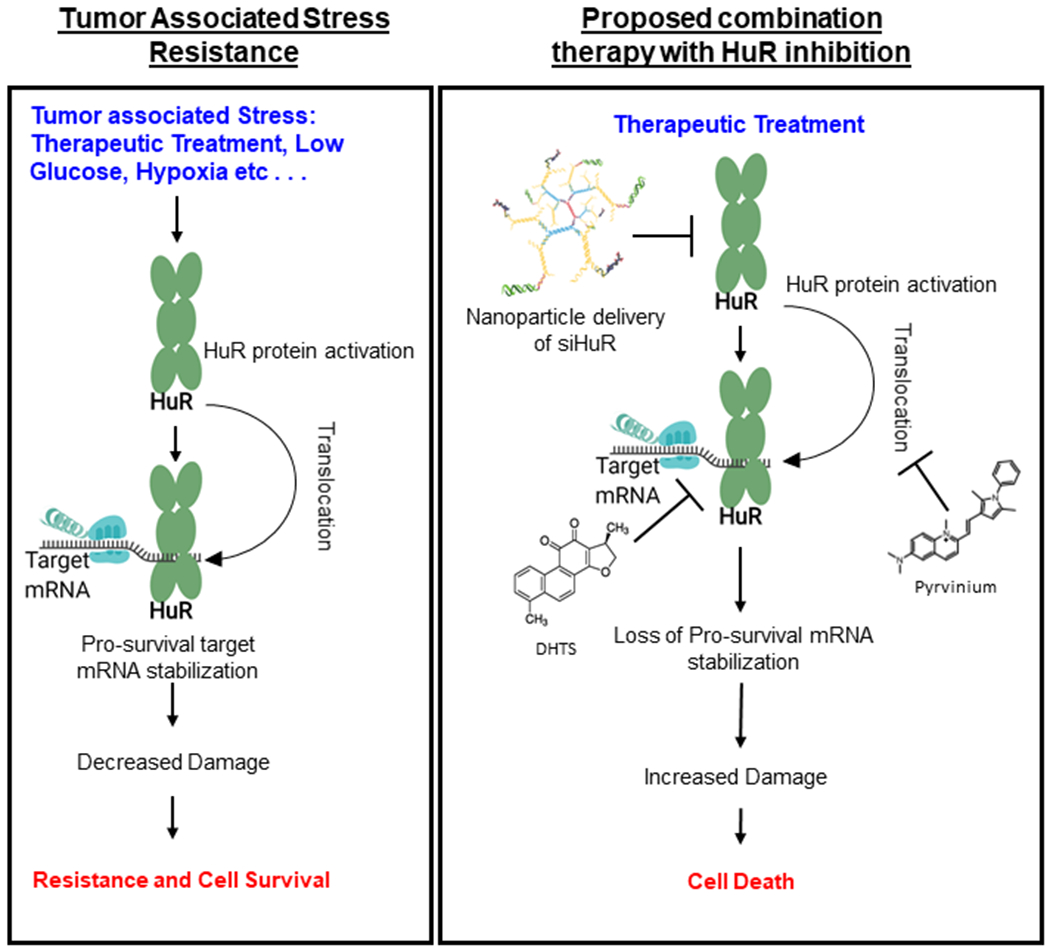
Altered gene expression is a characteristic feature of many disease states such as tumorigenesis, and in most cancers, it facilitates cancer cell survival and adaptation. Alterations in global gene expression are strongly impacted by post-transcriptional gene regulation. The RNA binding protein (RBP) HuR (ELAVL1) is an established regulator of post-transcriptional gene regulation and is overexpressed in most human cancers. In many cancerous settings, HuR is not only overexpressed, but it is "overactive" as denoted by increased subcellular localization within the cytoplasm. This dysregulation of HuR expression and cytoplasmic localization allows HuR to stabilize and increase the translation of various prosurvival messenger RNA (mRNAs) involved in the pathogenesis of numerous cancers and various diseases. Based on almost 20 years of work, HuR is now recognized as a therapeutic target. Herein, we will review the role HuR plays in the pathophysiology of different diseases and ongoing therapeutic strategies to target HuR. We will focus on three ongoing-targeted strategies: (1) inhibiting HuR's translocation from the nucleus to the cytoplasm; (2) inhibiting the ability of HuR to bind target RNA; and (3) silencing HuR expression levels. In an oncologic setting, HuR has been demonstrated to be critical for a cancer cell's ability to survive a variety of cancer relevant stressors (including drugs and elements of the tumor microenvironment) and targeting this protein has been shown to sensitize cancer cells further to insult. We strongly believe that targeting HuR could be a powerful therapeutic target to treat different diseases, particularly cancer, in the near future. This article is categorized under: RNA in Disease and Development > RNA in Disease NRA Turnover and Surveillance > Regulation of RNA Stability Translation > Translation Regulation.
基因表达改变是许多疾病状态的特征,如肿瘤发生,在大多数癌症中,它促进癌细胞的存活和适应。全局基因表达的改变受转录后基因调控的强烈影响。RNA 结合蛋白(RBP)HuR(ELAVL1)是转录后基因调控的既定调节剂,在大多数人类癌症中过度表达。在许多癌症环境中,HuR 不仅过度表达,而且由于其在细胞质中的亚细胞定位增加而变得“过度活跃”。HuR 表达和细胞质定位的这种失调允许 HuR 稳定并增加涉及许多癌症和各种疾病发病机制的各种生存促进信使 RNA(mRNA)的翻译。基于近 20 年的工作,HuR 现在被认为是一个治疗靶点。本文综述了 HuR 在不同疾病的病理生理学中的作用以及针对 HuR 的正在进行的治疗策略。我们将重点关注三种正在进行的靶向策略:(1)抑制 HuR 从细胞核向细胞质的易位;(2)抑制 HuR 结合靶 RNA 的能力;(3)沉默 HuR 表达水平。在肿瘤学环境中,已经证明 HuR 对于癌细胞在各种与癌症相关的应激源(包括药物和肿瘤微环境的元素)下存活的能力至关重要,并且靶向该蛋白已被证明使癌细胞对损伤更加敏感。我们坚信,靶向 HuR 可能是治疗不同疾病(特别是癌症)的一种有效治疗靶点,在不久的将来。本文属于以下类别:RNA 在疾病与发展 > RNA 在疾病中 NRA 周转率和监测 > RNA 稳定性调控 翻译 > 翻译调控。