Chikoti Patrick Chiza, Mulenga Rabson Mpundu, Tembo Mathias, Sseruwagi Peter
Zambia Agriculture Research Institute, Mt. Makulu Central Research Station, P/B 7, Chilanga, Zambia.
2Mikocheni Agricultural Research Institute, P.O. Box 6226, Dar es Salaam, Tanzania.
J Plant Pathol. 2019;101(3):467-477. doi: 10.1007/s42161-019-00255-0. Epub 2019 Feb 12.
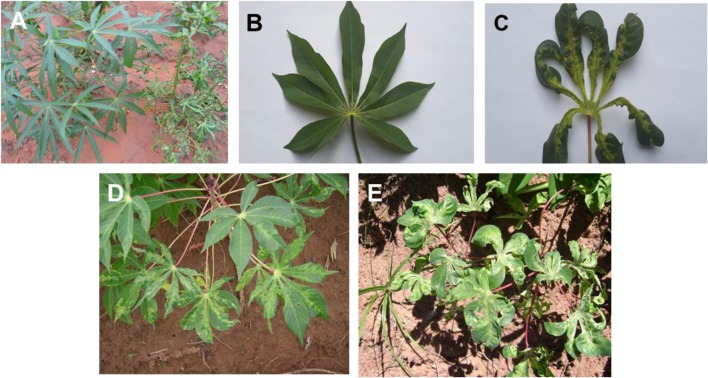
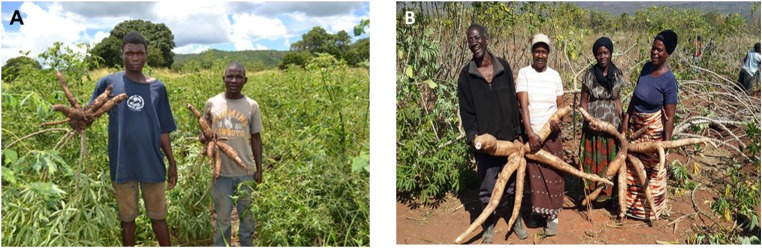
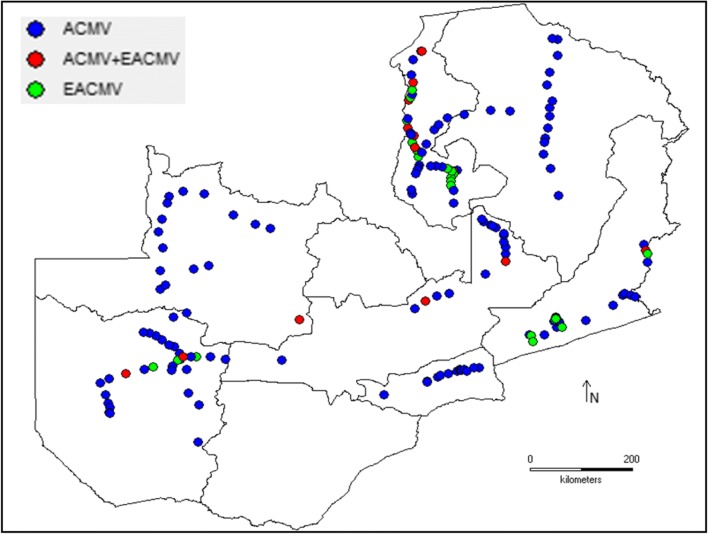
Cassava ( Crantz) is one of the most important root staple crops in Zambia. An estimated 30% of Zambians, over 4 million people, consume cassava as part of their daily diet. Cassava is mostly grown by subsistence farmers on fields of less than 1 ha. Cultivation of cassava is hampered by several biotic constraints, of which cassava mosaic disease (CMD) is currently the most important factor limiting cassava production in Zambia. CMD occurs in all the cassava-growing provinces and accounts for 50% to 70% of yield losses countrywide. Strategies to counter CMD were initiated in the early 1990s and included the release of CMD-resistant cassava cultivars. However, efforts to control CMD are limited because few growers plant these cultivars. More recently, to address the CMD problem, regular disease monitoring and diagnostic capabilities have been strengthened, and there is increased support for screening breeders materials. CMD is a rising threat to cassava production in Zambia. This review of CMD research on disease surveillance, CMD spread, yield losses, awareness campaigns and control options in Zambia over the past 25 years informs future control efforts and management strategies.
木薯(Crantz)是赞比亚最重要的块根主食作物之一。据估计,超过400万赞比亚人,即约30%的赞比亚人,将木薯作为日常饮食的一部分。木薯大多由自给农民在面积不足1公顷的土地上种植。木薯种植受到多种生物限制因素的阻碍,其中木薯花叶病(CMD)是目前赞比亚限制木薯生产的最重要因素。CMD在所有木薯种植省份均有发生,在全国范围内造成的产量损失占50%至70%。应对CMD的策略始于20世纪90年代初,包括发布抗CMD木薯品种。然而,控制CMD的努力有限,因为种植这些品种的种植者很少。最近,为解决CMD问题,加强了定期疾病监测和诊断能力,并加大了对筛选育种材料的支持力度。CMD对赞比亚的木薯生产构成了日益严重的威胁。本文回顾了过去25年赞比亚在疾病监测、CMD传播、产量损失、宣传活动和控制措施方面的CMD研究,为未来的控制工作和管理策略提供了参考。