Key Laboratory of Chinese Internal Medicine of the Ministry of Education, Dongzhimen Hospital Affiliated to Beijing University of Chinese Medicine, Beijing, 100700, China; Guang'anmen Hospital, China Academy of Chinese Medical Sciences, Beijing, 100053, China.
Key Laboratory of Chinese Internal Medicine of the Ministry of Education, Dongzhimen Hospital Affiliated to Beijing University of Chinese Medicine, Beijing, 100700, China.
Redox Biol. 2020 Feb;30:101432. doi: 10.1016/j.redox.2020.101432. Epub 2020 Jan 20.
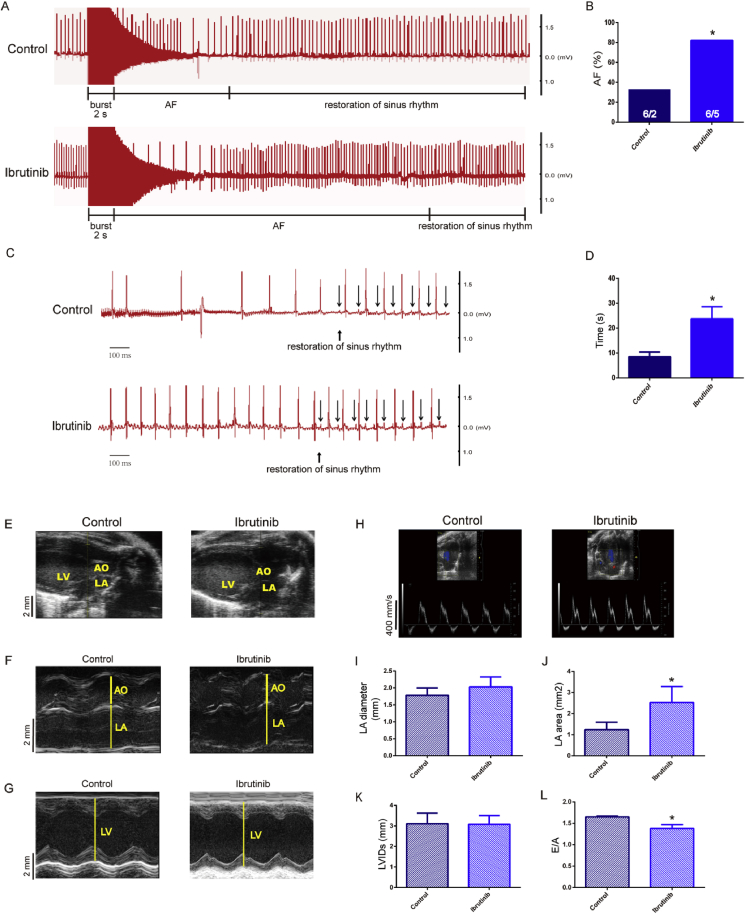
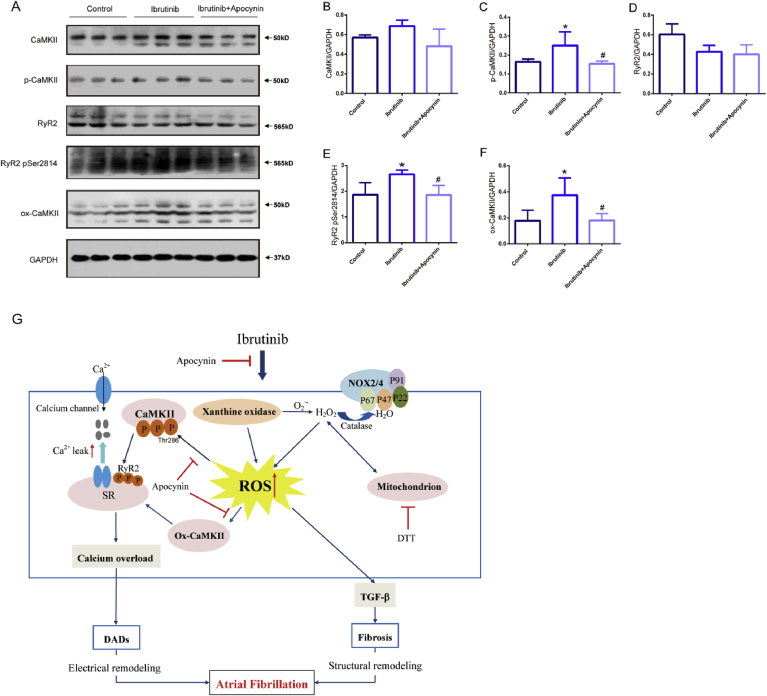
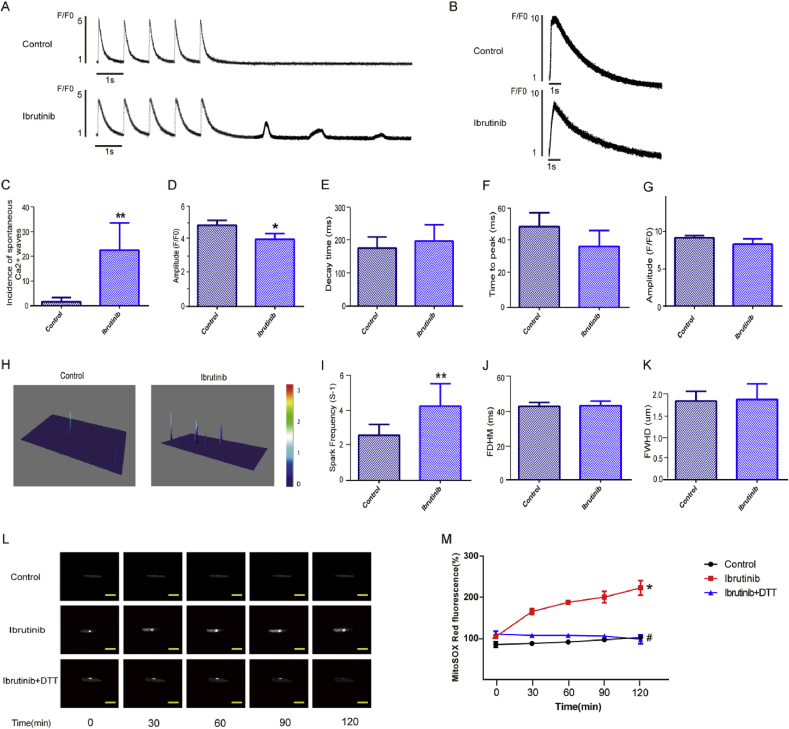
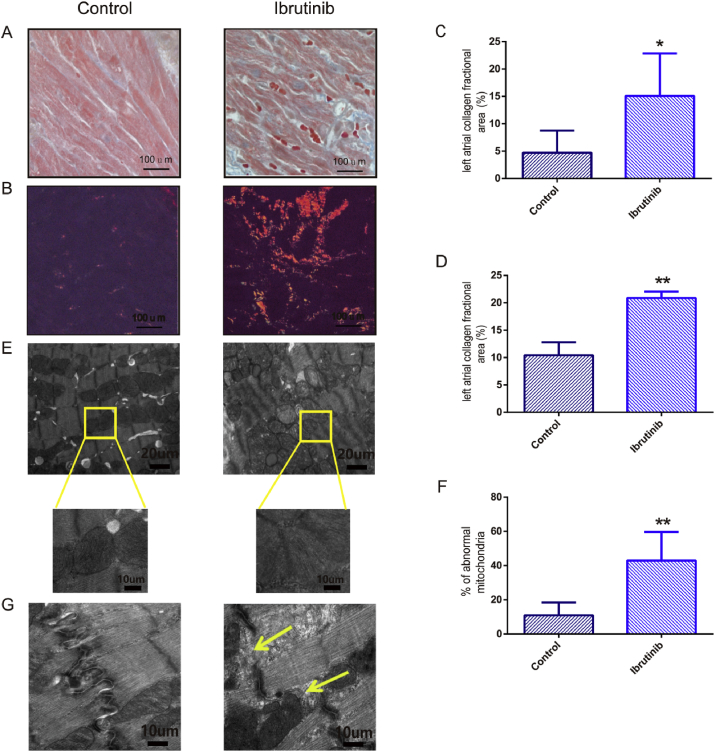
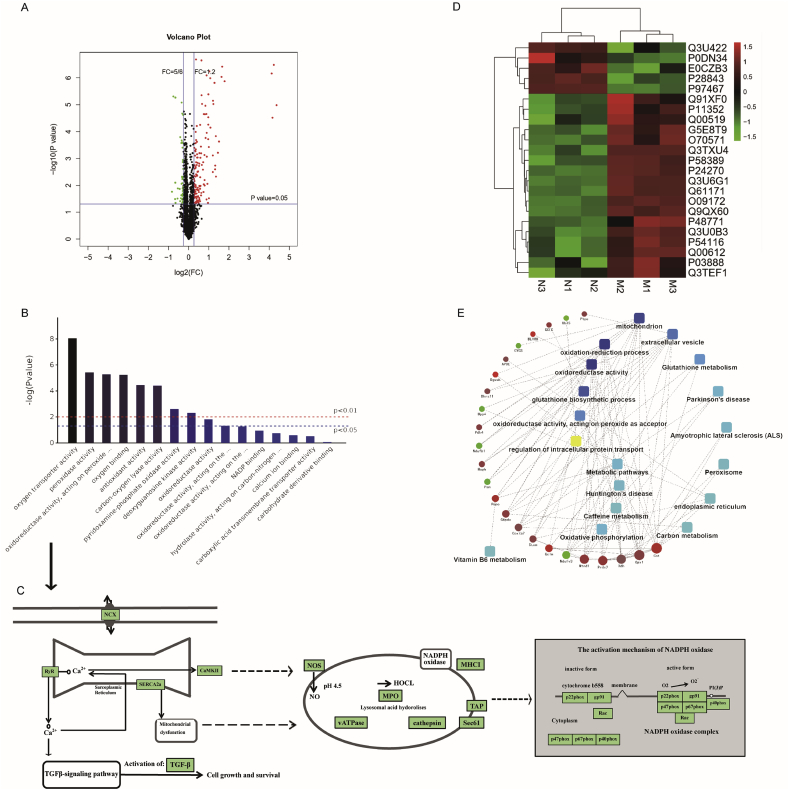
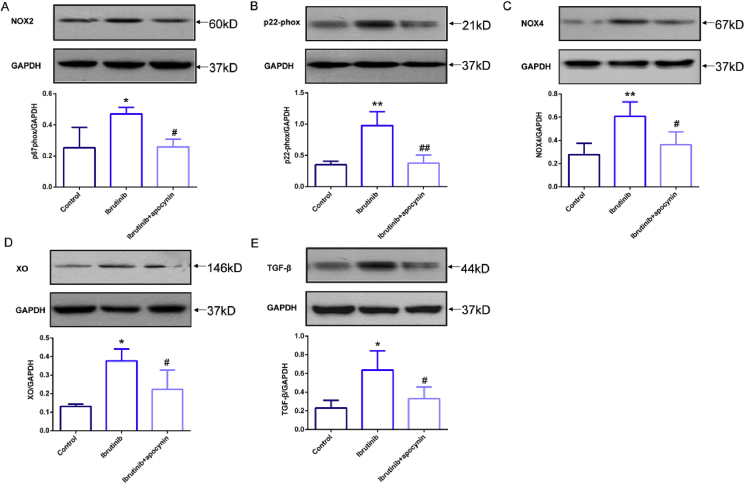
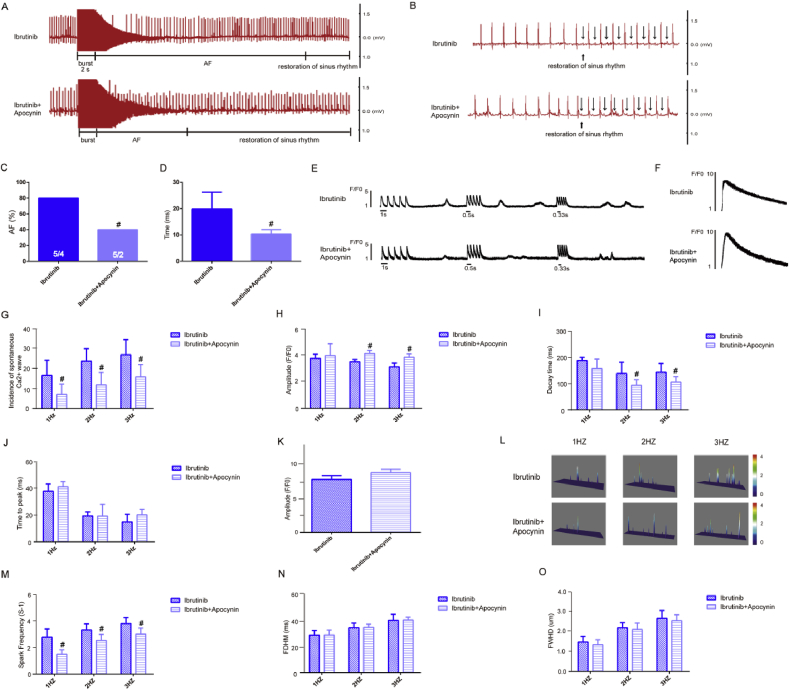
Atrial fibrillation (AF) occurs in up to 11% of cancer patients treated with ibrutinib. The pathophysiology of ibrutinib promoted AF is complicated, as there are multiple interactions involved; the detailed molecular mechanisms underlying this are still unclear. Here, we aimed to determine the electrophysiological and molecular mechanisms of burst-pacing-induced AF in ibrutinib-treated mice. The results indicated differentially expressed proteins in ibrutinib-treated mice, identified through proteomic analysis, were found to play a role in oxidative stress-related pathways. Finally, treatment with an inhibitor of NADPH oxidase (NOX) prevented and reversed AF development in ibrutinib-treated mice. It was showed that the related protein expression of reactive oxygen species (ROS) in the ibrutinib group was significantly increased, including NOX2, NOX4, p22-phox, XO and TGF-β protein expression. It was interesting that ibrutinib group also significantly increased the expression of ox-CaMKII, p-CaMKII (Thr-286) and p-RyR2 (Ser2814), causing enhanced abnormal sarcoplasmic reticulum (SR) Ca release and mitochondrial structures, as well as atrial fibrosis and atrial hypertrophy in ibrutinib-treated mice, and apocynin reduced the expression of these proteins. Ibrutinib-treated mice were also more likely to develop AF, and AF occurred over longer periods. In conclusion, our study has established a pathophysiological role for ROS signaling in atrial cardiomyocytes, and it may be that ox-CaMKII and p-CaMKII (Thr-286) are activated by ROS to increase AF susceptibility following ibrutinib treatment. We have also identified the inhibition of NOX as a potential novel AF therapy approach.
心房颤动(AF)在接受伊布替尼治疗的癌症患者中发生率高达 11%。伊布替尼促进 AF 的病理生理学机制很复杂,因为涉及多种相互作用;其潜在的详细分子机制尚不清楚。在这里,我们旨在确定伊布替尼治疗的小鼠中爆发起搏诱导 AF 的电生理和分子机制。通过蛋白质组学分析鉴定出伊布替尼治疗小鼠中差异表达的蛋白质,这些蛋白质被发现参与氧化应激相关途径。最后,使用 NADPH 氧化酶(NOX)抑制剂治疗可预防和逆转伊布替尼治疗的小鼠 AF 的发展。结果表明,伊布替尼组中活性氧(ROS)相关蛋白的表达明显增加,包括 NOX2、NOX4、p22-phox、XO 和 TGF-β 蛋白表达。有趣的是,伊布替尼组还显著增加了氧化型钙调蛋白激酶 II(ox-CaMKII)、磷酸化钙调蛋白激酶 II(Thr-286)和磷酸化肌浆网钙释放通道 2(p-RyR2)(Ser2814)的表达,导致异常的肌浆网 Ca 释放和线粒体结构增强,以及伊布替尼治疗的小鼠心房纤维化和心房肥厚,而 apocynin 降低了这些蛋白的表达。伊布替尼治疗的小鼠也更容易发生 AF,并且 AF 发生的时间更长。总之,我们的研究确立了 ROS 信号在心房肌细胞中的病理生理学作用,并且 ROS 可能通过激活 ox-CaMKII 和 p-CaMKII(Thr-286)来增加伊布替尼治疗后的 AF 易感性。我们还发现抑制 NOX 可能是一种新的 AF 治疗方法。